Best Crib Mattress for Safe Sleep
The best crib mattress for safe sleep is firm, flat, tightly fitted to your crib, and designed to meet current United States safety standards. Softness, airflow marketing, and luxury padding do not determine safety. What matters most is structural firmness, correct sizing inside the crib frame, and materials that hold their shape over time. This guide explains how to evaluate those factors so you can choose a mattress that protects infant sleep without overspending on features that do not improve safety.
Start here for crib mattress safety:
Jump to what matters most:
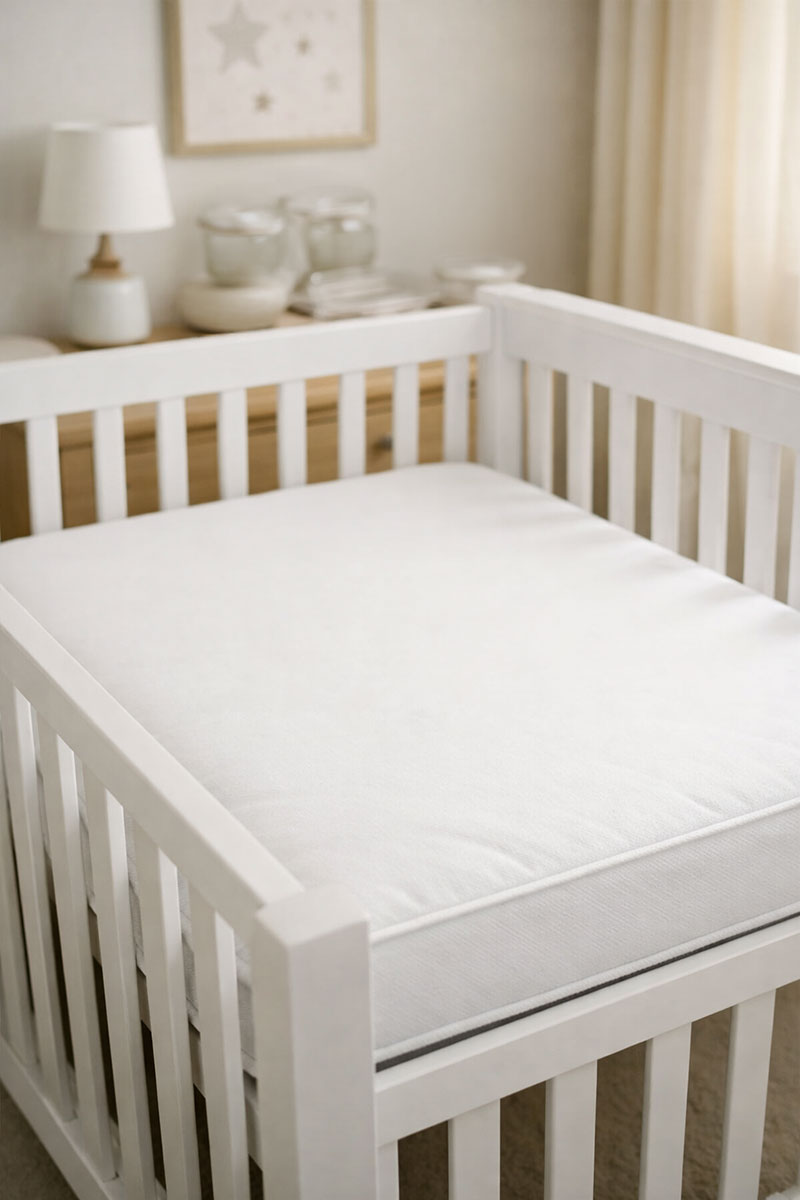
This guide is for: parents choosing a new crib mattress for a standard full-size crib and wanting to prioritize safe sleep over brand marketing.
My guide on choosing a crib mattress focuses on the features that actually matter so the final decision is straightforward.
This guide is not for: mini crib mattresses, specialty bassinet pads, or brand-specific comparison shopping.
If you are interested in a smaller crib setup instead, this mini crib mattress guide explains how sizing, fit, and mattress types differ from standard full-size crib mattresses.
What “Best” Does Not Mean for a Crib Mattress
The word best can be misleading when comparing crib mattresses because it often sounds like there is one perfect option for every situation. In reality, the best crib mattress is the one that meets a few specific requirements rather than the one with the most features or the highest price.
Best does not mean the softest. Crib mattresses are designed to feel firm so the surface stays flat and stable.
Best does not mean the thickest. Thickness can vary without improving how the mattress performs.
Best does not mean fully organic or labeled with every certification. Materials and certifications matter, but they do not replace firmness and proper fit.
Understanding how organic materials compare to low-emissions options can make this part of the decision much clearer, so this organic crib mattress vs non-toxic comparison explains the differences in simple, easy to understand language.
The most reliable way to define the best crib mattress is simple: it is firm, fits the crib correctly with minimal gaps, and uses clearly identified materials that hold their shape over time.
What Makes a Crib Mattress Safe?
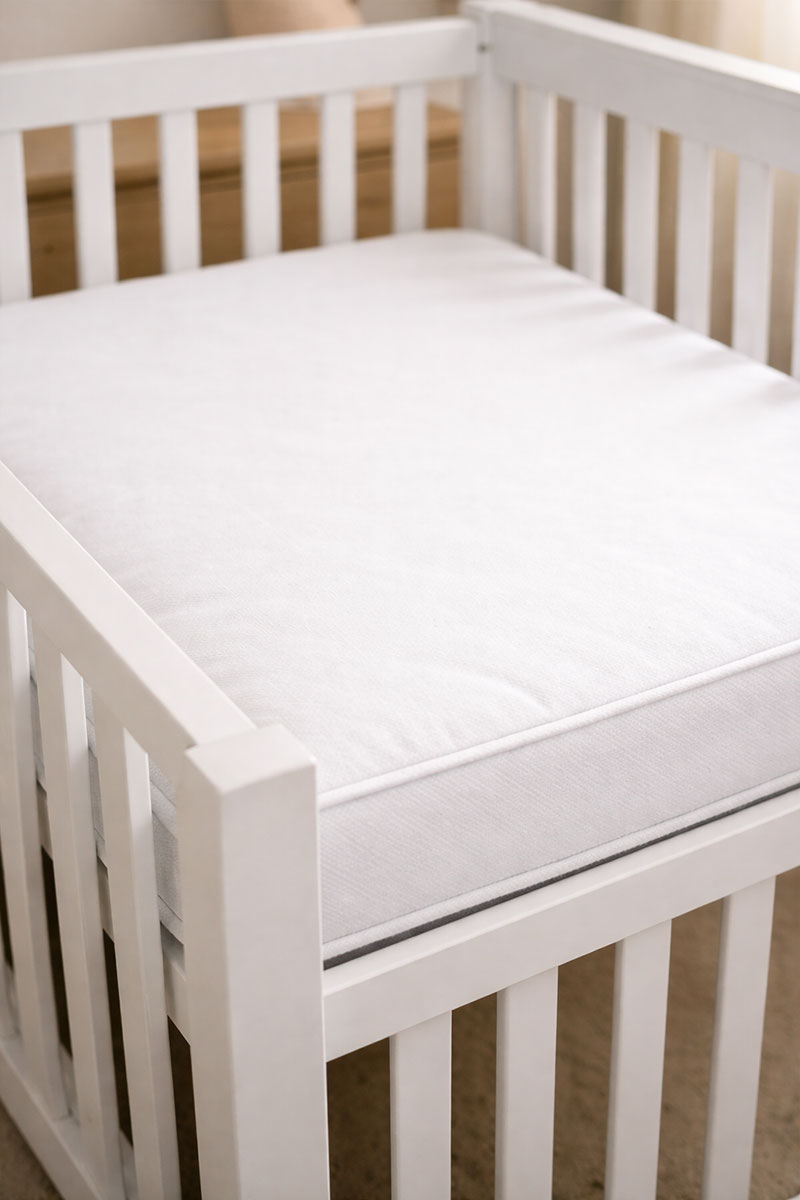
A safe crib mattress should feel firm, lie completely flat, and fit snugly inside the crib frame without soft padding or pillow-top layers. It should not compress deeply under pressure or leave gaps along the edges where an infant could become trapped. Support is the foundation of safe sleep. Surfaces that are overly soft or cushioned increase the risk of suffocation and unstable sleep positioning.
In the United States, crib mattresses must meet federal safety standards enforced by the Consumer Product Safety Commission. The mattress must fit a full-size crib interior that measures approximately 28 inches by 52 inches. A gap larger than two fingers between the mattress and crib frame is not acceptable.
Definition: A safe crib mattress is a firm, flat, tightly fitted sleep surface designed to meet U.S. federal crib and mattress size standards, with no added cushioning or soft toppers.
This is the point where marketing often overrides clarity. Softness, airflow claims, luxury covers, and even new-mattress odor can pull attention away from what matters most: firmness, correct fit, and a stable sleep surface. My crib mattress smell causes guide explains what different smells may indicate before deciding whether they are normal or need attention.
That is exactly why I put together my guide to the best crib mattress for newborns, because in the early months a firm surface and a proper crib fit matter far more than extra features. Some of the most serious issues are not obvious at first glance, which is why I also outline hidden crib safety risks parents overlook that can quietly undermine an otherwise well-intended nursery setup.
How Firm Should It Be?
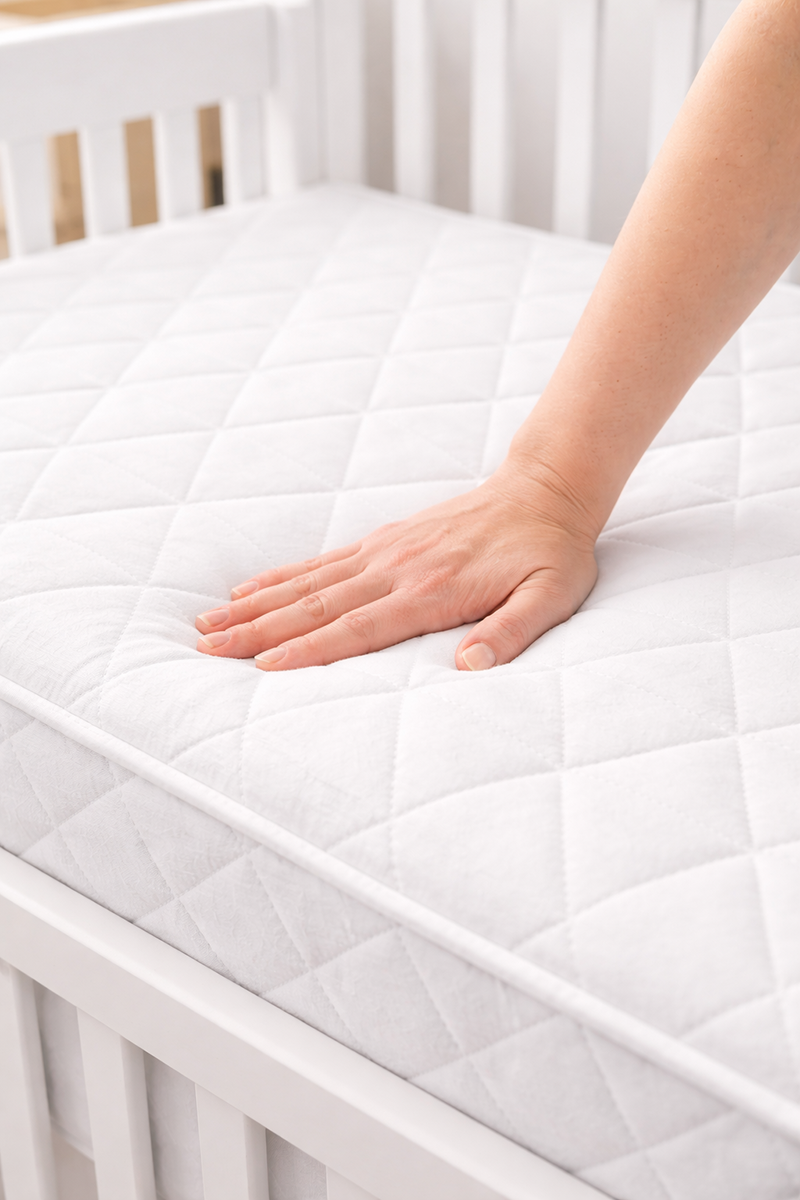
A crib mattress should feel significantly firmer than an adult mattress. When you press your hand into the surface, it should spring back immediately and not leave a deep imprint. Infants do not need contouring. They need stable support that keeps the airway unobstructed.
That intentionally firm design is also why many parents begin asking why crib mattresses feel so hard compared to adult mattresses, since infant sleep surfaces are supposed to stay flat, stable, and resistant to deep compression.
Understanding how firm is firm enough can make the difference between a safe surface and one that only feels supportive, so this crib mattress firmness guide breaks it down in simple everyday terms.
Infants do not have the neck strength to reposition themselves reliably, so a firm surface reduces the risk of airway obstruction during sleep.
The American Academy of Pediatrics recommends a firm, flat sleep surface with no added padding. You can review official safe sleep guidance at CPSC Safe Sleep Guidance. This reference is included for safety context, not to sell anything.
Before using an older crib or secondhand crib with any mattress, check the model number against this crib recall guide so the sleep setup is not built around a recalled or unidentified crib.
Dual-sided mattresses often include a firmer infant side and a slightly more cushioned toddler side. That structure can be fine as long as the infant side remains clearly firm and the mattress holds its shape over time.
Before paying extra for that feature, this dual-sided crib mattress vs single-sided mattress guide explains the practical differences, who benefits most from each design, and whether the added cost makes sense.
Parents sometimes consider adding extra cushioning to make a crib mattress feel more comfortable, but my are crib mattress toppers safe guide explains why added toppers can interfere with the firm sleep surface infants actually need.
If you want the broader safety rules in plain language, visit crib safety standards.
Materials and Certifications
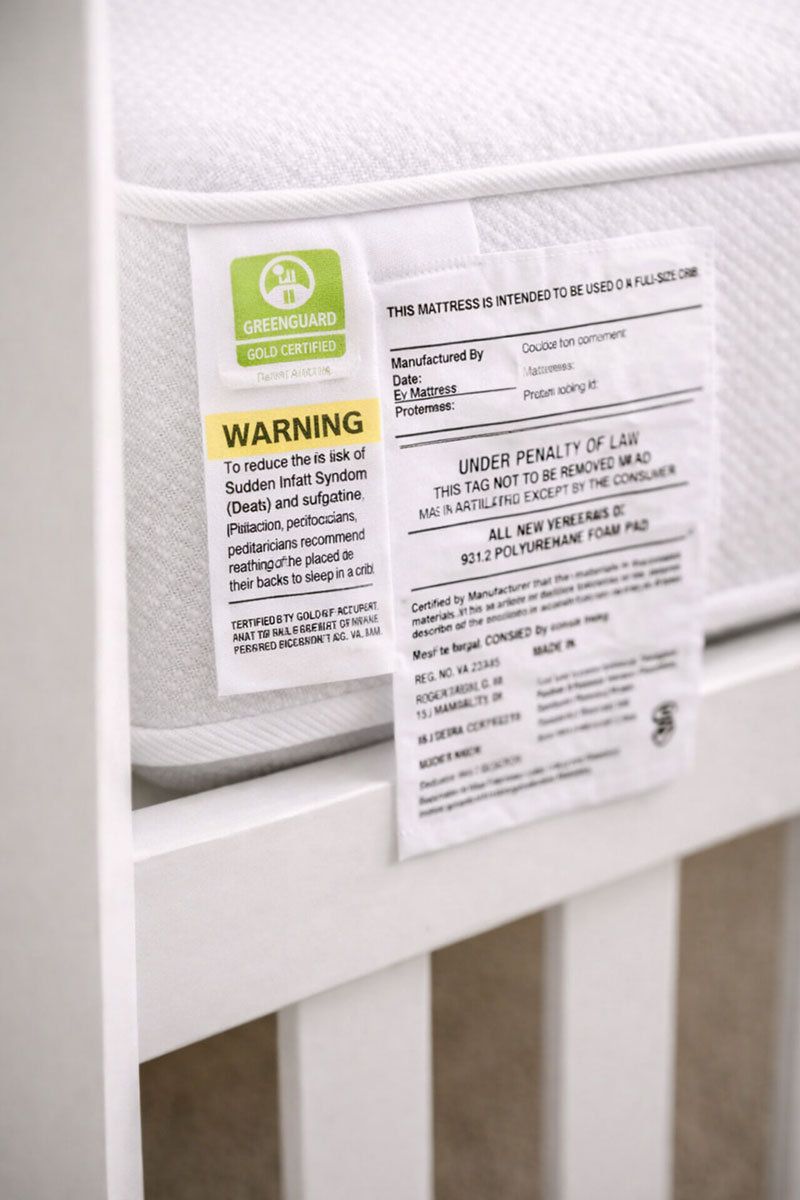
Parents often look for Greenguard Gold or similar low-emissions certifications. These certifications can support indoor air quality goals. They do not replace firmness requirements. Certification is a nice extra, not the core safety feature. If you are specifically trying to avoid chemical exposure concerns, this non-toxic crib mattress guide breaks down what actually matters versus what is just marketing language.
What to compare first when two mattresses both sound safe: check firmness first, then fit inside the crib, then look at materials and certifications. Certifications can support a buying decision, but they should never outrank firmness and proper sizing.
To understand how these labels relate to broader testing standards and what each certification actually verifies, review this crib mattress certifications guide explaining the most common certification systems used today.
For parents building around lower-emissions nursery materials, GREENGUARD Gold certified crib options can help narrow the crib frame side of that decision before you match it with the right mattress.
Common crib mattress core types include:
- High-density foam
- Innerspring coil systems
- Hybrid foam and coil combinations
High-density foam mattresses are typically lighter and easier to lift for sheet changes. Innerspring mattresses may feel more traditional and may offer strong edge structure. Either can be safe if the mattress is firm and fits correctly.
Breathable covers are heavily marketed. Breathability does not override firmness, fit, or safe sleep positioning. Surface airflow can change once a cover is added. My breathable crib mattress protector guide explains which protector designs help protect the mattress without interfering with firmness or fit.
That confusion around covers and added layers is also why this crib mattress pad vs protector guide explains which products are designed only for moisture protection and which ones begin changing the feel of the mattress surface itself.
Start with a firm mattress and a tight sheet, then decide whether extra features are worth it for your household.
My breathable crib mattress guide explains what breathable design actually means, while my best breathable crib mattress guide compares which options still hold up for structure, fit, and firmness once you move past the marketing claims.
Questions about airflow claims come up often, so I put together a separate guide on whether breathable crib mattresses are actually safe for infant sleep.
Heat concerns belong in that same comparison, which is why my crib mattress overheating guide explains what can affect temperature and what parents should not overread in product claims.
For a closer look at one of the best-known organic options in this category, read my Naturepedic crib mattress guide.
When comparing how different materials and construction styles actually perform side by side, this Newton vs Naturepedic mattress comparison shows how breathable design and organic materials differ in real use.
To see a roundup of top natural-material picks and what makes each one stand out, visit my best organic crib mattress guide.
This page evaluates overall safety and structural quality, not brand-specific breathable mattress comparisons.
Proper Fit and Sizing
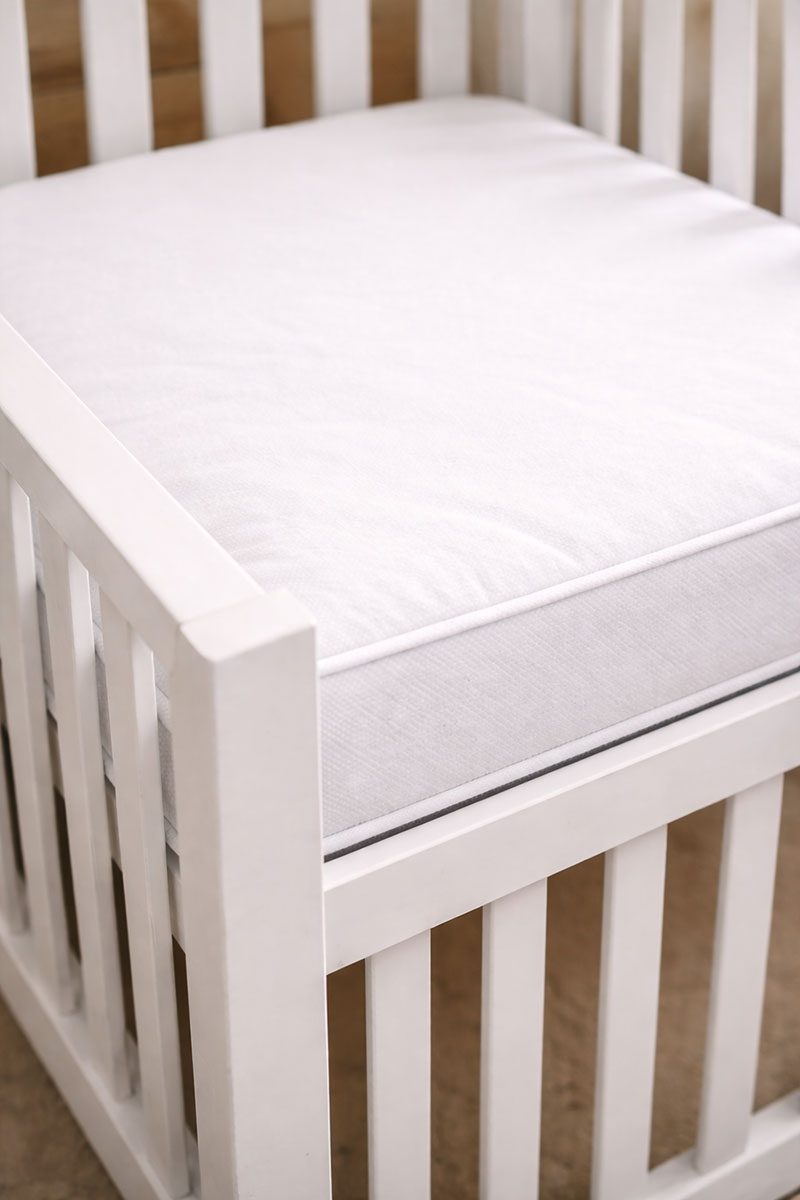
Standard full-size crib mattresses are designed to fit cribs made to federal dimensions. Before purchasing, confirm your crib is a standard full-size model. A correct fit means the mattress sits flush against all four sides with no visible gaps.
If you are unsure about crib dimensions, use baby crib dimensions and standard sizes to verify measurements and understand the most common crib categories.
A properly fitted mattress should not slide or shift when pressed. Sheet fit matters too. Use only tightly fitted crib sheets designed specifically for crib mattresses. Loose bedding is not safe for infant sleep.
Do not attempt to modify a mattress to improve fit. Altering structural materials compromises safety and removes any reliable compliance expectation.
What Makes the Best Crib Mattress Worth the Price?
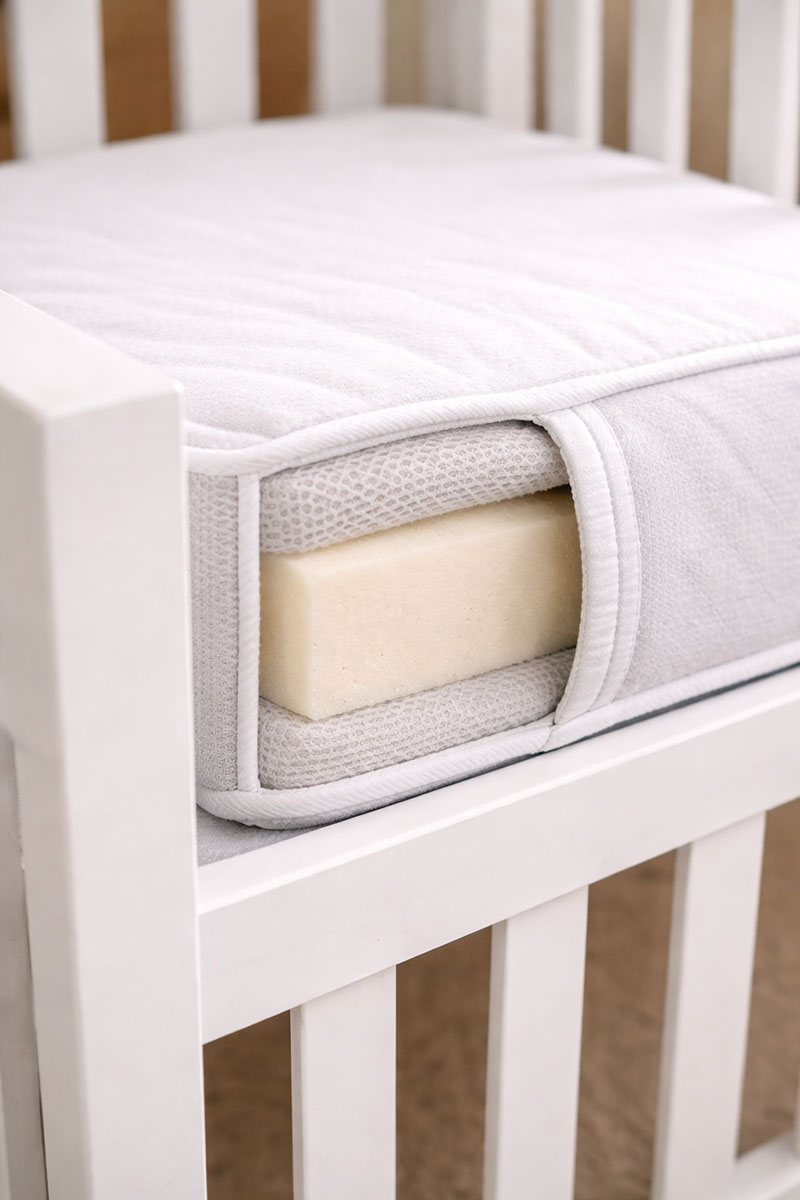
The best crib mattress for the money balances firmness, correct sizing, durable stitching, and wipe-clean surfaces. Higher price does not automatically equal higher safety. Structural integrity matters more than decorative quilting.
A higher price is only worth it when it improves daily performance. The upgrades that usually matter most are stronger edge support, better surface durability, easier cleanup, and clearer compliance labeling. Extra cost by itself does not make a crib mattress safer.
Features that usually justify a moderate price include:
A waterproof crib mattress can make everyday cleanup much easier, but waterproofing should complement firmness, fit, and long-term durability rather than replace them.
- High-density foam that resists sagging
- Reinforced edge support
- Water-resistant outer cover
- Clear labeling of compliance standards
Overly plush padding, pillow-top designs, or thick memory foam layers are not necessary for infant sleep. If the product’s main selling point is softness, keep shopping.
If you are comparing mattress categories for long-term planning, this page helps clarify why sizes are not interchangeable: crib mattress size vs twin comparison.
For the next stage after crib use, this crib mattress vs toddler mattress guide shows how the mattress choice changes once a child moves beyond the crib stage.
Best crib mattress categories parents usually compare:
- Foam crib mattress: usually lighter, easier to lift, and often the simplest choice for everyday sheet changes
- Innerspring crib mattress: often heavier, more structured at the edges, and chosen by parents who want a more traditional build
- Dual-sided crib mattress: designed with a firmer infant side and a separate toddler side for longer use
- Organic-focused crib mattress: chosen mainly for material preferences and low-emissions priorities, but still needs the same firm fit and flat surface
- Budget vs premium crib mattress: the real difference is usually durability, edge strength, cover quality, and how well the mattress holds its shape over time
Most parents end up comparing mattress types, not chasing one “perfect” option. They are choosing which type best fits their budget, handling preferences, and material priorities while still meeting the same core safe-sleep requirements.
A practical what to buy before baby arrives checklist can help you place the crib mattress decision beside the other newborn essentials that should be handled before smaller nursery extras.
Crib Mattress Comparison Table
The best crib mattress depends less on branding and more on which mattress type fits your priorities. This simple crib mattress comparison table shows how the main categories usually differ in everyday use.
| Mattress Type | Best For | Main Strength | Possible Drawback |
|---|---|---|---|
| High-density foam | Parents who want a simple, lightweight crib mattress | Easy to lift for sheet changes and often budget-friendly | Quality varies more, so firmness and durability need careful checking |
| Innerspring | Parents who want stronger edge structure and a traditional feel | Can offer sturdy edges and long-term shape retention | Usually heavier to lift in and out of the crib |
| Dual-sided | Families wanting one mattress for infant and toddler stages | Firmer infant side with separate toddler side for later use | You still need to confirm the infant side is truly firm |
| Organic or low-emissions | Parents focused on materials and indoor air quality | Supports material and certification preferences | Often costs more without changing the core safe-sleep rules |
Best Crib Mattress Picks (By What Actually Matters)
The safest crib mattress is not about brand hype. It is about choosing the right type based on how you plan to use it day to day. These are the categories most parents end up choosing between once the safety basics are understood.
Safest simple choice (no overthinking):
A firm, high-density foam crib mattress with a tight fit and no added padding. This is the most straightforward way to meet safe sleep standards without paying for features that do not improve safety.
Best for long-term use:
A dual-sided crib mattress with a clearly labeled firm infant side and a separate toddler side. This allows you to use the same mattress longer without compromising infant firmness early on.
Best for easier sheet changes:
A lightweight foam mattress that is easy to lift in and out of the crib. This does not affect safety, but it makes daily use noticeably easier.
Best for stronger edge support:
An innerspring crib mattress with reinforced edges. This can feel more structured when pressing near the sides and may hold its shape longer with frequent use.
Best for material-focused buying:
An organic or Greenguard Gold certified crib mattress. These are chosen for material preferences and indoor air quality goals, but they still need to meet the same firmness and fit requirements as any other safe mattress.
No matter which category you choose, the decision should always come back to three things: firm surface, correct fit inside the crib, and materials that hold their shape over time.
Pros and Cons of Popular Crib Mattress Types
Parents often compare crib mattress types by features, but the better way to compare them is by how they perform in real nursery use. These pros and cons keep the focus on safe sleep, daily handling, and long-term value.
Foam Crib Mattress Pros and Cons
- Pros: lightweight, usually easier for sheet changes, often the simplest lower-cost choice
- Cons: quality can vary, some lower-end models may lose shape faster, firmness needs careful checking
Innerspring Crib Mattress Pros and Cons
- Pros: often stronger edge support, more structured feel, may hold shape well over time
- Cons: heavier to lift, sometimes costs more, and not automatically safer than firm foam
Dual-Sided Crib Mattress Pros and Cons
- Pros: useful for parents who want one mattress for infant and toddler use, can extend practical life
- Cons: some models market the toddler side more heavily than the infant side, so firmness still has to come first
Organic or Low-Emissions Crib Mattress Pros and Cons
- Pros: appeals to parents prioritizing material transparency, certifications, and lower-emissions goals
- Cons: higher price does not automatically improve safe sleep, and certifications do not replace fit and firmness
The key takeaway is simple: every crib mattress category still has to meet the same core standard. A firm surface, tight fit, and stable construction matter more than which label is printed on the package.
How to Narrow Down the Best Crib Mattress for Your Situation
If you are still deciding between options, it helps to narrow the field by buying priority rather than by brand marketing.
Choose a simple firm foam crib mattress if:
you want the lightest, most straightforward option and your main goal is safe sleep without paying extra for secondary features.
Choose a dual-sided crib mattress if:
you want one mattress that can start with a firm infant side and continue into the toddler stage with a separate sleeping surface.
Choose an innerspring crib mattress if:
you prefer a heavier, more structured feel and want stronger edge support with a more traditional mattress build.
Choose an organic-focused or low-emissions crib mattress if:
your buying decision is strongly influenced by material preferences, certification goals, or indoor air quality concerns in addition to safe sleep basics.
Choose based on fit first, then features:
even the most expensive crib mattress is not the best choice if it does not fit your crib correctly or hold a firm, flat surface over time.
This approach helps parents compare real buying paths without losing sight of the same core rule: the best crib mattress is the one that stays firm, fits tightly, and remains structurally stable through everyday use.
Frequently Asked Questions About the Best Crib Mattress
What is the best crib mattress for a newborn?
The best crib mattress for a newborn is one that is firm, flat, fits the crib tightly, and holds its shape over time. A safe newborn mattress does not need to feel soft or plush. It needs to provide stable support on a flat sleep surface.
Is a foam or innerspring crib mattress better?
Either can be a good choice if it is firm and fits the crib correctly. Foam crib mattresses are usually lighter and easier to lift during sheet changes. Innerspring crib mattresses are often heavier and may feel more structured around the edges.
Is an organic crib mattress safer?
An organic crib mattress is not automatically safer just because it uses organic materials. Safety still comes down to firmness, flatness, and proper fit. Organic materials and low-emissions certifications can be helpful extras, but they do not replace the core safe sleep basics.
How firm should the best crib mattress be?
The best crib mattress should feel noticeably firm and should spring back quickly when pressed. It should not sink deeply under your hand or create a cushioned sleeping surface. Infants need stable support, not softness.
How do I know if a crib mattress fits correctly?
A crib mattress fits correctly when it sits snugly inside the crib with no large gaps around the edges. Even when a mattress looks snug, small spacing issues can still happen along the edges, so this crib mattress gap problems guide shows how to check for hidden gaps and what to watch for.
It should not slide easily or leave visible spaces between the mattress and the crib frame. A tight fitted sheet made for crib mattresses should also stay smooth and secure.
Is a dual-sided crib mattress worth it?
A dual-sided crib mattress can be worth it for families who want one mattress for both the infant and toddler stages. The infant side still needs to be clearly firm. The toddler side can be slightly more cushioned later, but safe infant support comes first.
Summary of Best Crib Mattress Choices
The best crib mattress for safe sleep is one that provides stable, flat support inside a standard full-size crib and aligns with U.S. federal safety expectations for infant sleep surfaces. Structural integrity and correct sizing matter more than plush padding or marketing claims about comfort. Parents should focus on durable construction, reliable labeling, and a snug fit rather than decorative upgrades. When the surface is firm and the sheet fits tightly, the sleep environment remains simple and secure.
When you click on links to various merchants on this site and make a purchase, this may result in this site earning a commission. This does not affect the price you pay.

UBGI Gold Standard 2026
Reviewed under the site's
editorial checklist.
Photos, decorating ideas, party setups and reader submissions are shared for inspiration unless a page is specifically presented as a pattern, tutorial, reference guide or step-by-step project. Follow the instructions, measurements, safety guidance and manufacturer directions provided for the particular project or product.
About Jan | Contact | Baby Nursery Ideas (Blog) | Site Map | Privacy Policy | Disclosure Policy | Disclaimer | Affiliate Disclosure | Earnings Disclosure | Facebook | Pinterest
I am a participant in the Amazon Services LLC Associates Program, an affiliate advertising program designed to provide a means for us to earn fees by linking to Amazon. As an Amazon Associate I earn from qualifying purchases.
Copyright © 2006-2026. All Rights Reserved.