Waterproof Crib Mattress: Do They Really Stop Leaks?
A waterproof crib mattress can help with leaks, but it does not always protect the way parents expect. The real difference is whether the mattress surface itself blocks liquid, whether a separate waterproof protector is used, and whether moisture can sneak into seams, edges, stitching, or gaps under the sheet. That is where waterproof crib mattress claims can get confusing fast.
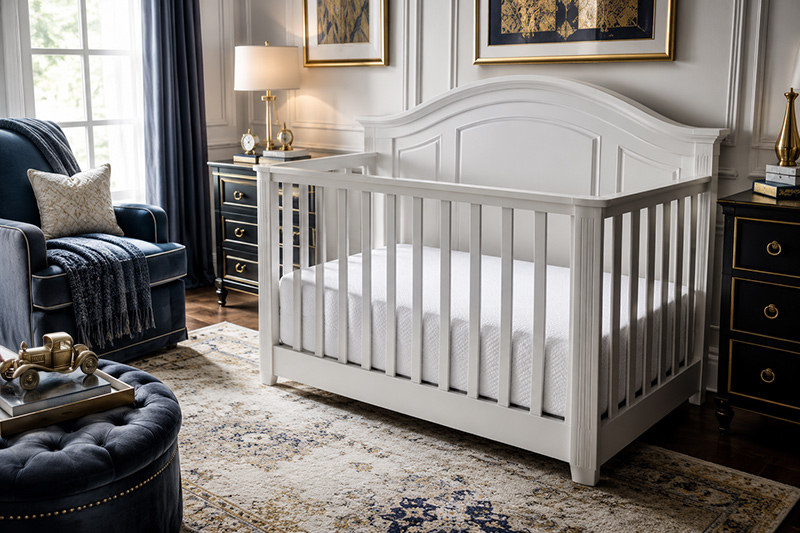
Compare Waterproof Crib Mattress Protection Options:
See Waterproof Crib Mattress OptionsJump to what you need:
Quick Answer:
A waterproof crib mattress can help protect the mattress surface from leaks, but it does not always stop moisture from reaching seams, edges, stitching, or the area under a loose sheet. The strongest setup is usually a wipe-clean waterproof mattress surface plus a fitted waterproof crib mattress protector that is fully dry before the sheet goes back on.
What a Waterproof Crib Mattress Really Means
A diaper leak always seems to happen after the nursery is finally tidy. The sheet comes off, the mattress looks fine at first glance, and then the corner or seam tells a different story.
A waterproof crib mattress usually means the top surface is designed to block liquid from soaking into the core. That does not always mean the entire mattress is protected from every direction.
Waterproof does not mean leak-proof in every nursery situation.
Some mattresses have a wipe-clean vinyl, polyethylene, or coated fabric surface. Others depend more on a removable cover. The difference matters because liquid does not politely stay in the middle of the mattress.
It can run toward seams, pool along the edge, or sit under the fitted sheet longer than anyone realizes. Even a fully waterproof surface can fail to stay dry underneath a fitted sheet if moisture sits trapped against the mattress for hours. I believe that edge detail is where a lot of “waterproof” claims get tested.
For the bigger mattress buying picture, start with the crib mattress guide.
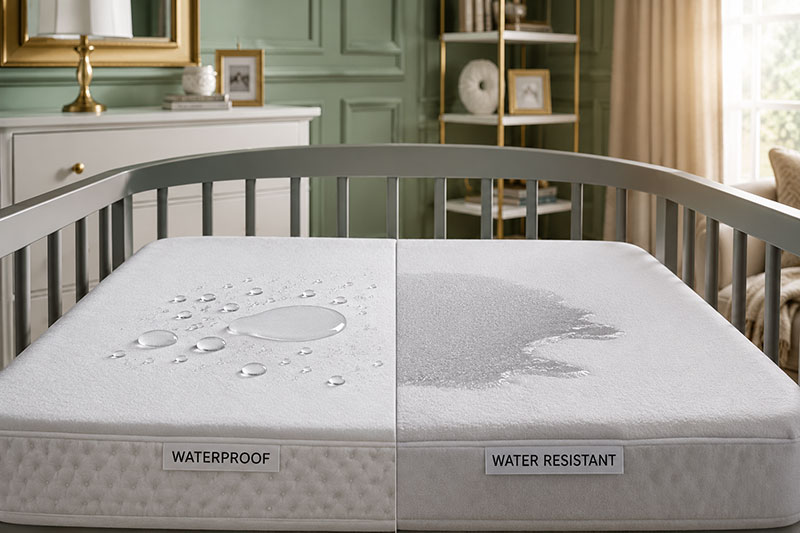
Waterproof vs Water Resistant Crib Mattress Differences
Waterproof and water resistant sound almost the same during shopping. In a nursery, they can behave very differently.
A waterproof crib mattress is meant to stop liquid from passing through the protected surface. A water resistant crib mattress may slow moisture down, but it may not stop a leak long enough to protect the mattress core.
That difference shows up when a wet sheet stays on longer than planned. A quick spill and an overnight diaper leak are not the same test.
Water resistant materials may handle a small accident if it is cleaned quickly. Waterproof materials are intended to create a stronger barrier. The finished setup should leave the mattress surface clean, dry, and ready for a fitted sheet after proper wiping and airing.
For parents comparing layers, the difference between a pad and a protector matters too. My crib mattress pad vs protector guide explains why those two products are not always interchangeable.
Waterproof Crib Mattress vs Protector Setup
A built-in waterproof surface is convenient, but I would still rather have a removable protector in daily nursery life. It gives you something washable when the mess is bigger than expected.
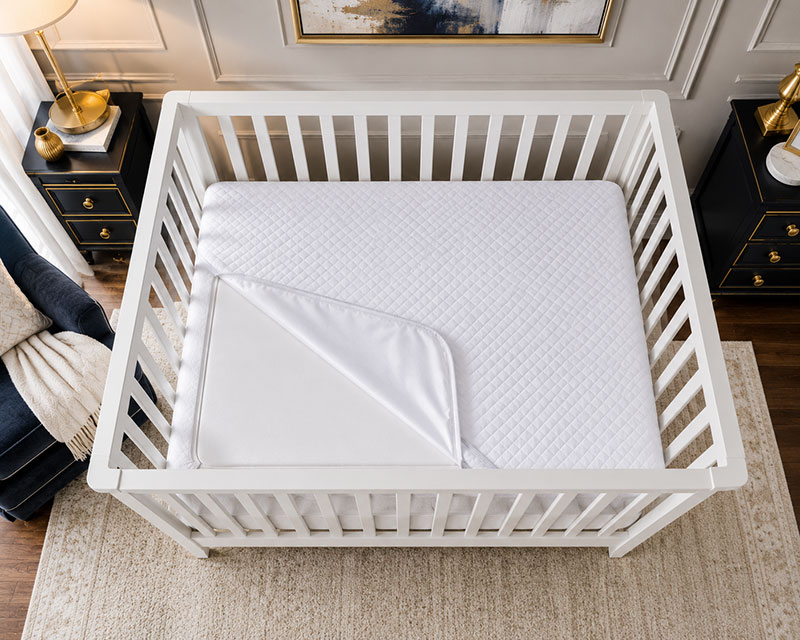
A waterproof crib mattress protector adds a separate layer between the baby and the mattress. That can help catch leaks before they reach seams or stitching.
The protector has to fit tightly. Loose fabric can bunch under the sheet, and that is not something I would ignore in a crib.
The best result is simple. Mattress first. Fitted waterproof protector next. Fitted crib sheet on top. No loose pads, folded towels, blankets, or extra layers inside the crib.
For more detail, see waterproof crib mattress protector and do crib mattresses need a protective cover.
Where Crib Mattress Leaks Still Get Through
Leaks rarely fail in the neat center of the mattress. They usually travel.
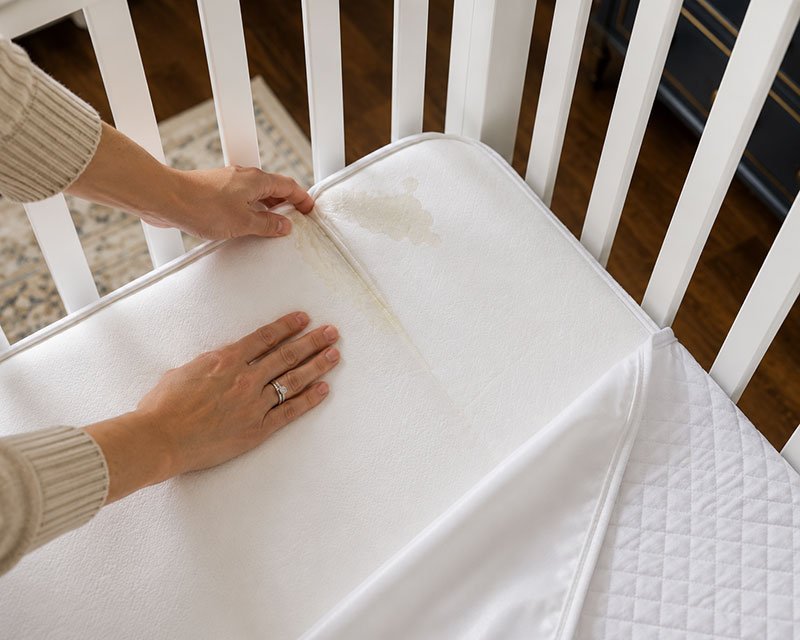
Watch the corners, stitched seams, zipper areas, piping, and the spot where the mattress presses tight against the crib side. Those are the areas that can hold moisture longer after a diaper leak or spit-up mess.
A nursery can look clean while the mattress edge is still damp.
That is the small detail many product descriptions skip. The surface may be waterproof, while the edge construction is still the weak point.
After any larger leak, remove the sheet and protector. Check the mattress with your hand along the corners and seams. Let everything dry fully before the crib is remade.
If a mattress starts smelling after leaks, the problem may be trapped moisture rather than the original accident. My guide on why a crib mattress smells explains how odor usually starts after moisture sits too long.
Safe Waterproof Crib Mattress Cleanup Rules
Cleaning a crib mattress should be boring. That is a good thing.
Use the mattress maker’s care directions first. Wipe-clean surfaces should be cleaned without soaking the mattress. Removable covers should be dried completely before going back on.
Too much liquid can create a new problem. It can push moisture into seams, covers, or interior layers and make odor show up later.
In the United States, crib mattresses should support safe sleep with a firm, flat surface and proper crib fit. A mattress that is damp, damaged, sagging, or no longer intact should not stay in use.
For official safe sleep guidance, see the U.S. Consumer Product Safety Commission safe sleep guidance.
For step-by-step cleaning help, use how to clean a crib mattress. If you are comparing waterproof protection with airflow concerns, also see breathable crib mattress protector.
Waterproof Crib Mattress FAQ
Do waterproof crib mattresses really stop leaks?
They can help stop liquid from soaking through the main surface, but seams, edges, covers, and loose sheet areas can still become problem spots.
Is a waterproof crib mattress better than a protector?
A waterproof mattress surface is helpful, but a fitted waterproof protector is easier to remove and wash after leaks.
What is the difference between waterproof and water resistant?
Waterproof means the surface is designed to block liquid. Water resistant means the material may slow moisture down but may not stop a longer leak.
Can waterproof crib mattresses cause odor?
Odor can happen if moisture gets trapped around seams, covers, or edges. The mattress and protector should be fully dry before the crib is remade.
Do breathable crib mattresses still need waterproof protection?
Many families still use a fitted waterproof protector, especially for diaper leaks, spit-up, and cleaning. The protector should fit snugly and be approved for crib use.
Waterproof Crib Mattress Summary
A waterproof crib mattress can help protect against leaks, but the real protection depends on the surface material, edge construction, seams, cover design, and whether a fitted waterproof protector is used correctly. Waterproof is stronger than water resistant, but neither term should replace safe crib setup, proper mattress fit, full drying after accidents, and regular checks for odor, dampness, or damage.
When you click on links to various merchants on this site and make a purchase, this may result in this site earning a commission. This does not affect the price you pay.

UBGI Gold Standard 2026
Reviewed under the site's
editorial checklist.
Photos, decorating ideas, party setups and reader submissions are shared for inspiration unless a page is specifically presented as a pattern, tutorial, reference guide or step-by-step project. Follow the instructions, measurements, safety guidance and manufacturer directions provided for the particular project or product.
About Jan | Contact | Baby Nursery Ideas (Blog) | Site Map | Privacy Policy | Disclosure Policy | Disclaimer | Affiliate Disclosure | Earnings Disclosure | Facebook | Pinterest
I am a participant in the Amazon Services LLC Associates Program, an affiliate advertising program designed to provide a means for us to earn fees by linking to Amazon. As an Amazon Associate I earn from qualifying purchases.
Copyright © 2006-2026. All Rights Reserved.