Crib Mattress Guide: Safety, Fit, Size & Buying Help
A crib mattress should fit tightly with no more than two fingers of space between the mattress and crib frame, feel firm across the entire surface, match your crib size exactly, and meet current U.S. safety standards.
Most confusion happens when parents assume all crib mattresses fit the same, trust marketing words like “breathable” without looking deeper, or do not realize that mini and standard crib mattresses are not interchangeable.
Trying to choose a crib mattress without regrets? Start here:
What makes a crib mattress safe?
How do you know if the mattress fits correctly?
Is that mattress gap dangerous?
Is the mattress the correct crib size?
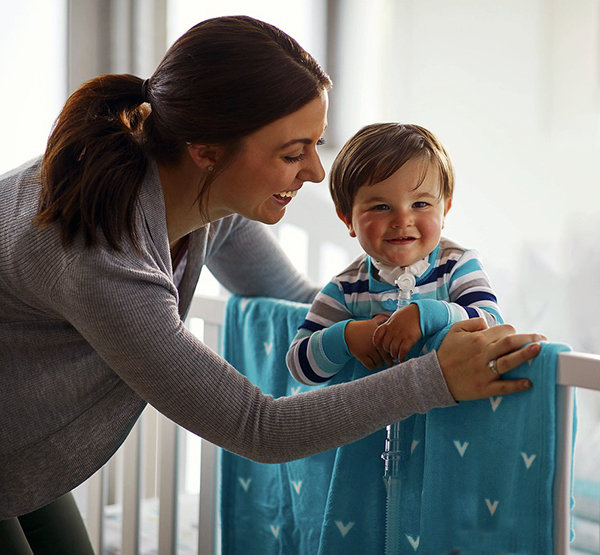
Not every crib mattress that looks like it fits is actually safe, because small gaps and softer surfaces are often missed at first glance.
Start here:
Crib mattress fit and gap rulesStandard crib mattress size guide
How firm a crib mattress should be
Breathable crib mattress explained
Crib mattress safety guide
A crib mattress is a firm, flat sleep surface designed to fit tightly inside a crib with minimal gaps and provide safe support for infants.
A safe crib mattress should fit tightly inside the crib, feel firm across the whole surface, and meet current U.S. crib mattress safety standards. If you want a deeper breakdown of firmness, fit, and spacing concerns, see my crib mattress safety guide.
If you are still comparing options, my how to choose a crib mattress guide walks through the buying process step by step, but the key safety checks are fit, firmness, and proper size.
Certification labels can be helpful when you are comparing crib mattresses, but they make more sense after you confirm fit, firmness, and correct size. If you want a deeper explanation of what those labels mean, see this crib mattress certifications guide.
Quick start: choose what you’re trying to figure out
Crib Mattress Safety Basics: Fit, Firmness, and Size
The best crib mattress is the one that clearly meets those basic safety checks before anything else is considered.
Before comparing materials or specialty features, check for gaps, surface support, and whether the mattress matches your crib type. Those basics matter more than marketing claims.
If you need a quick way to compare crib mattresses, start with the core safety checks already covered, then move into materials and brand differences.
This table shows the main crib mattress topics and which page to read next for more detail.
How to compare crib mattresses quickly
When you compare crib mattresses, start with the core safety checks before looking at extras like covers, materials, or airflow claims. A mattress that fits well and feels firm is usually a better choice than one with impressive marketing language but unclear safety details.
| Topic | What to Check First | Best Page |
|---|---|---|
| Fit and gaps | Look for snug fit and minimal edge spacing | Crib mattress fit |
| Gap concerns | Check for visible side gaps or uneven spacing | Crib mattress gap problems guide |
| Standard size | Compare published dimensions before buying | Standard crib mattress size |
| Mini crib size | Mini mattresses are not the same as standard crib mattresses | Mini crib mattress size guide |
| Firmness | Surface should feel firm and supportive, not cushy | Firm crib mattress guide |
| Breathable claims | Read how airflow language is used before comparing brands | Are breathable crib mattresses safe? |
| Materials and certifications | Check covers, core materials, and certification labels | Crib mattress certifications guide |
| Organic options | Compare natural-material and low-emissions choices | Best organic crib mattress guide |
Crib Mattress Fit and Gap Rules
Crib mattress fit matters because even a mattress that looks close in size can still leave unsafe gaps around the edges. If you are unsure whether a mattress is truly compatible with your crib, start with fit and gap guidance first.
Even when a mattress seems to fit at first glance, small gaps along the edges can still be a concern, so this crib mattress gap problems guide shows what to look for and how to spot unsafe spacing.
How to choose the best crib mattress for your needs
The best crib mattress for your family depends on the crib size, the fit inside the frame, the firmness of the sleep surface, and whether you are comparing standard, breathable, organic, or brand-specific options. For most parents, the smartest order is simple: check size first, then fit inside the crib, then firmness, and only after that compare materials or brand claims.
A practical what to buy before baby arrives checklist can help parents prioritize the major newborn purchases first, while a realistic newborn nursery essentials checklist helps organize the crib area, changing setup, and everyday nursery basics before the baby arrives. That keeps the decision focused on safety before features.
When you narrow the decision specifically to newborn sleep, this best crib mattress for newborn guide focuses on what matters most in the earliest stage, where firmness and fit carry more weight than optional features.
As babies grow, some parents start comparing crib mattresses with toddler mattress options, but crib fit and firmness still come first during the crib stage. For a closer look at when those size differences start to matter, see this crib mattress vs toddler mattress guide.
Breathable vs foam crib mattresses: what matters most
Breathable and foam crib mattresses are often compared as if one label automatically makes a mattress safer, but the most important checks are still surface support, proper fit, and correct dimensions. Breathable language can be helpful when it explains real construction differences, but it should never distract from the basics that matter most.
For a clear explanation of what breathable design actually means across standard crib sizes, my breathable crib mattress guide breaks down how airflow features fit into real mattress construction and safety checks.
When parents compare breathable and foam crib mattresses, the label alone should not make the decision. To see how specific models compare when airflow and construction are evaluated side by side, my best breathable crib mattress guide breaks down which options actually hold up once fit, firmness, and real-world use are considered.
The smarter approach is to look at fit, firmness, construction, and whether the mattress is actually the right size for the crib.
Parents also worry about heat buildup, especially when comparing foam, breathable, waterproof, and protector-style designs, so I added a separate guide on whether a crib mattress can cause overheating.
Standard vs mini crib mattress sizes
Standard and mini crib mattresses are not interchangeable, even when product labels make them sound similar. See how breathable mini crib mattresses compare in smaller crib sizes.
Crib mattress size matters because even small differences in dimensions can affect how safely the mattress fits inside the crib frame.
Before buying, check the crib type first and then confirm the mattress dimensions, because a mattress that is only slightly off can still create fit problems.
Crib mattress sizing can be confusing because labels like standard, mini, and portable are not interchangeable. The safest approach is to match the mattress to the crib type first and then confirm the actual dimensions and finished fit.
Mini crib mattresses need their own size check because they are made for smaller crib frames and are not interchangeable with standard crib mattresses. For a closer look at common mini crib dimensions and fit rules, see this mini crib mattress size guide.
- Standard crib mattress size
- Standard crib mattress size history
- Mini crib mattress
- Mini portable crib mattress
Crib mattress firmness, thickness, and construction
A crib mattress should feel firm and stable across the entire sleep surface, not soft, puffy, or deeply cushioned.
Weight is another practical difference between mattress types. My crib mattress weight guide explains what is normal and what to consider when comparing lighter and heavier crib mattresses.
As your baby becomes more active, mattress height becomes just as important as firmness, so this crib mattress height adjustment guide explains when and why those height changes matter.
Thickness and internal construction can vary from one mattress to another, but surface firmness and proper fit matter more than how impressive the inside layers sound in product descriptions.
Crib mattress firmness matters more than fancy construction language. Even when two mattresses look similar in photos, differences in support, thickness, and edge stability can affect how safe and practical they feel in everyday use.
A crib mattress should feel firm across the whole sleep surface, not soft or deeply padded, because a stable sleep surface matters more than plush comfort. For a closer look at how firmness is judged, see this firm crib mattress guide.
That is also why many parents question why crib mattresses feel so hard, since infant mattresses are intentionally designed to stay firmer and more supportive than adult beds.
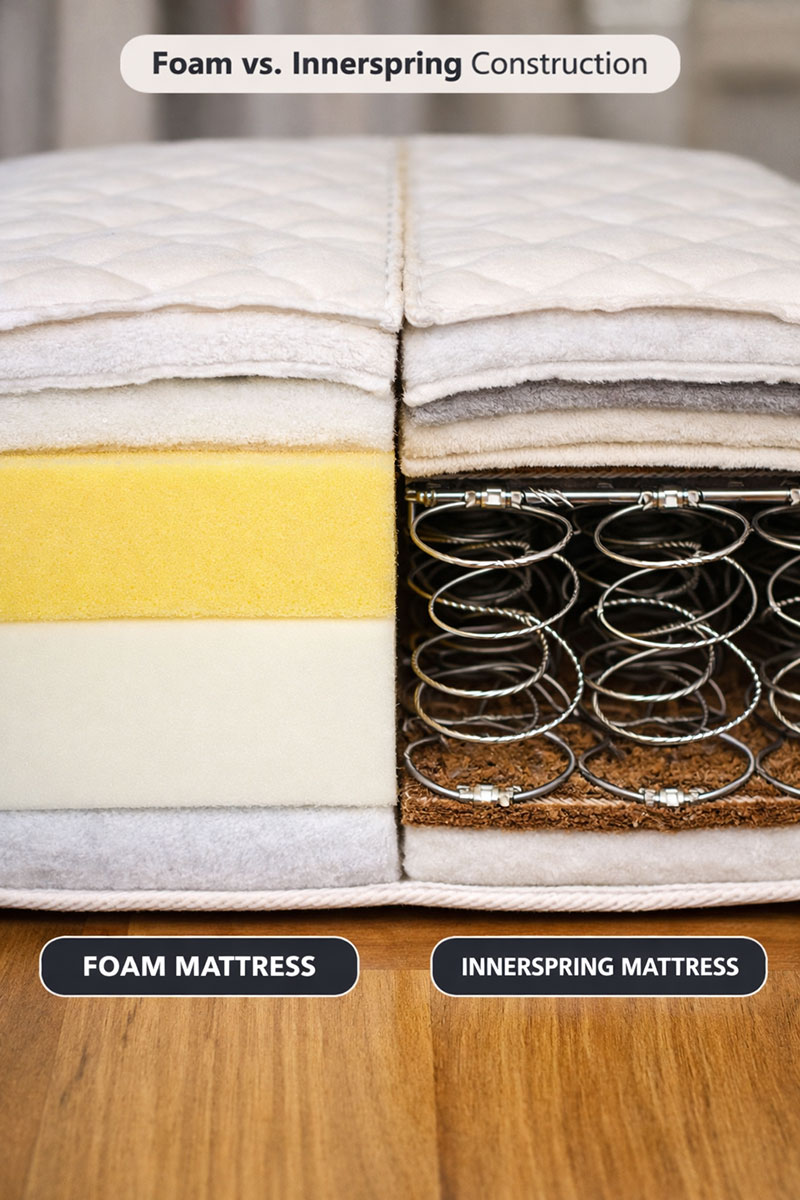
Most crib mattresses fall into two basic construction types: foam or innerspring. Those differences can affect thickness, edge support, and long-term durability, but the most important checks are still fit, firmness, and whether the mattress is made for your crib size. For smaller crib frames, see this mini crib mattress guide for a closer look at how mini crib sizing differs from standard crib mattresses.
Another detail worth checking is whether the mattress has one infant surface or two staged sides, because this dual-sided vs single-sided crib mattress comparison explains how that choice affects newborn use, toddler use, and long-term value.
For a closer look at two-stage construction, infant-side firmness, and when this style is useful, see my dual sided crib mattress guide.
Crib Mattress Covers, Protectors and Cleaning
Covers and protectors make cleanup easier, but they should never change the fit of the mattress inside the crib or make the sleep surface feel softer.
A waterproof crib mattress can simplify leak cleanup, but it still needs to pass the same fit, firmness, and safe-sleep checks as any other crib mattress.
Parents comparing waterproof layers often get confused about whether they need a full protector or just a simple pad, which is why this crib mattress pad vs protector comparison explains how the two are different and when each one is actually used.
Some protectors are designed to add a moisture barrier without affecting airflow or surface feel. My breathable crib mattress protector guide shows how to compare options that stay snug without trapping heat or altering firmness.
Parents often wonder whether adding extra padding changes crib mattress safety, and my are crib mattress toppers safe guide explains why firmness and fit matter more than added cushioning.
A firm mattress with a proper fit still comes first.
Odor issues that linger after basic cleaning usually need a different approach, and this mattress deodorizing guide explains how to remove smells without trapping moisture inside the layers.
For crib-specific odor concerns, my why a crib mattress smells guide explains what different smells may mean before you start cleaning or deodorizing.
For general cleanup beyond crib-specific care, my complete mattress cleaning guide explains safe ways to remove buildup, odors, and everyday messes without damaging the surface. When a specific accident leaves behind odor or staining, my guide to cleaning urine from a mattress step by step shows how to handle it without trapping moisture inside the layers. And when a visible mark needs more than general cleaning, my targeted mattress stain removal guide walks through how to treat it without affecting the mattress structure.
Some stains require more focused products depending on the source, and this best mattress stain remover guide breaks down which options work for different types of buildup without damaging the surface.
If odor is still lingering after cleaning, my guide on how to get pee smell out of mattress shows how to remove what is trapped deeper inside instead of just treating the surface.
Organic crib mattresses and popular brands
Organic crib mattresses can be worth a closer look if you want to compare materials, certifications, and low-emissions claims, but they still need to pass the same basic checks as any other crib mattress. The most important question is not whether the label sounds cleaner, but whether the mattress actually meets the basic safety checks already covered.
Organic labels, certifications, and brand names can be useful when you are narrowing choices, but they do not replace the basics.
A clearer way to compare cleaner-material claims and low-emissions options is this organic vs non-toxic crib mattress comparison, which explains how those labels differ and what truly matters.
Once you start comparing existing products, the differences stand out more clearly, and my guide to the best non-toxic crib mattress options shows which ones hold up beyond the labels.
A crib mattress still needs to fit properly, feel firm, and suit the crib it is being used in.
Some parents are not just comparing mattress materials and certifications. They are also looking at the crib itself. If that is part of your decision, take a look at these GREENGUARD Gold certified cribs.
Brand-specific crib mattress pages can be useful once you already understand the basics of fit, firmness, and materials. For a closer look at one example, see my Naturepedic crib mattress guide.
Comparison pages can help once you have already narrowed your choices, but they matter most after you understand fit, firmness, and mattress type. If you are comparing two popular options, see this Newton vs Naturepedic crib mattress comparison.
For parents who want to compare low-emissions and natural-material options, organic crib mattress pages can be helpful after the basics are clear. For a side-by-side look, see my best organic crib mattress guide.
Authoritative standards source
Current U.S. crib mattress safety requirements are based on federal standards. For the official source, see the Federal Register crib mattress standards information.
If you still feel unsure after comparing crib mattress types, go back to the same core checks: crib mattress fit, firmness, correct size, and current U.S. safety compliance.
Crib mattress FAQ
What is the most important thing to check with a crib mattress?
The first thing to check is fit. A crib mattress should sit snugly inside the crib with minimal space around the edges. Even a mattress that seems close in size can still leave gaps that matter.
Do all crib mattresses fit all cribs?
No. Standard sizing helps, but small differences in manufacturing can still affect how a mattress fits inside a crib frame. That is why it is always worth checking the actual fit instead of relying only on labels.
How firm should a crib mattress be?
A crib mattress should feel firm and supportive rather than soft or sinky. Surface firmness matters because babies need a stable sleep surface, not a cushioned one.
Are breathable crib mattresses safer than regular crib mattresses?
Breathable is a marketing term that often needs more explanation. Parents should look past the label and compare construction, firmness, fit, and safety guidance before assuming one mattress type is automatically safer.
What size is a standard crib mattress?
A standard crib mattress follows a common size range used for full-size cribs, but exact fit can still vary a little between brands and crib frames. That is why measuring and checking the finished fit matters.
Is a mini crib mattress the same as a standard crib mattress?
No. Mini crib mattresses are smaller and are made for mini or portable crib frames. A standard crib mattress should not be assumed to fit a mini crib, and vice versa.
Disclaimer: Unique Baby Gear Ideas cannot guarantee outcomes related to crib mattresses or nursery furnishings. Manufacturer materials and regulatory publications remain the authoritative sources.
When you click on links to various merchants on this site and make a purchase, this may result in this site earning a commission. This does not affect the price you pay.

UBGI Gold Standard 2026
Reviewed under the site's
editorial checklist.
Photos, decorating ideas, party setups and reader submissions are shared for inspiration unless a page is specifically presented as a pattern, tutorial, reference guide or step-by-step project. Follow the instructions, measurements, safety guidance and manufacturer directions provided for the particular project or product.
About Jan | Contact | Baby Nursery Ideas (Blog) | Site Map | Privacy Policy | Disclosure Policy | Disclaimer | Affiliate Disclosure | Earnings Disclosure | Facebook | Pinterest
I am a participant in the Amazon Services LLC Associates Program, an affiliate advertising program designed to provide a means for us to earn fees by linking to Amazon. As an Amazon Associate I earn from qualifying purchases.
Copyright © 2006-2026. All Rights Reserved.