How to Choose a Crib Mattress (Fit, Firmness and Safety Guide)
Knowing how to choose a crib mattress can save you from a mistake that looks small in the store but feels much bigger once the crib is set up at home. A mattress can seem perfectly fine under bright showroom lights, then feel too soft, too loose, or just not quite right when you are leaning over the crib at night trying to smooth on a sheet without waking the baby. That is why this decision matters more than many parents expect. The best crib mattress is not just the one that sounds safest on the label. It is the one that fits your crib properly, stays firm in everyday use, and still feels right after those early nursery moments when you start noticing the details that never show up on the packaging.
Start with what you’re actually trying to figure out
What confuses most parents about crib mattresses is that safety, fit, firmness, and materials are all connected — but rarely explained together:
Why firmness matters more than many parents expect
The fit problem many crib mattress buyers discover later
The mattress gap issue that can hide in plain sight
What mattress material labels actually mean
The breathable vs foam comparison parents struggle with most
The crib mattress safety basics every parent should know first
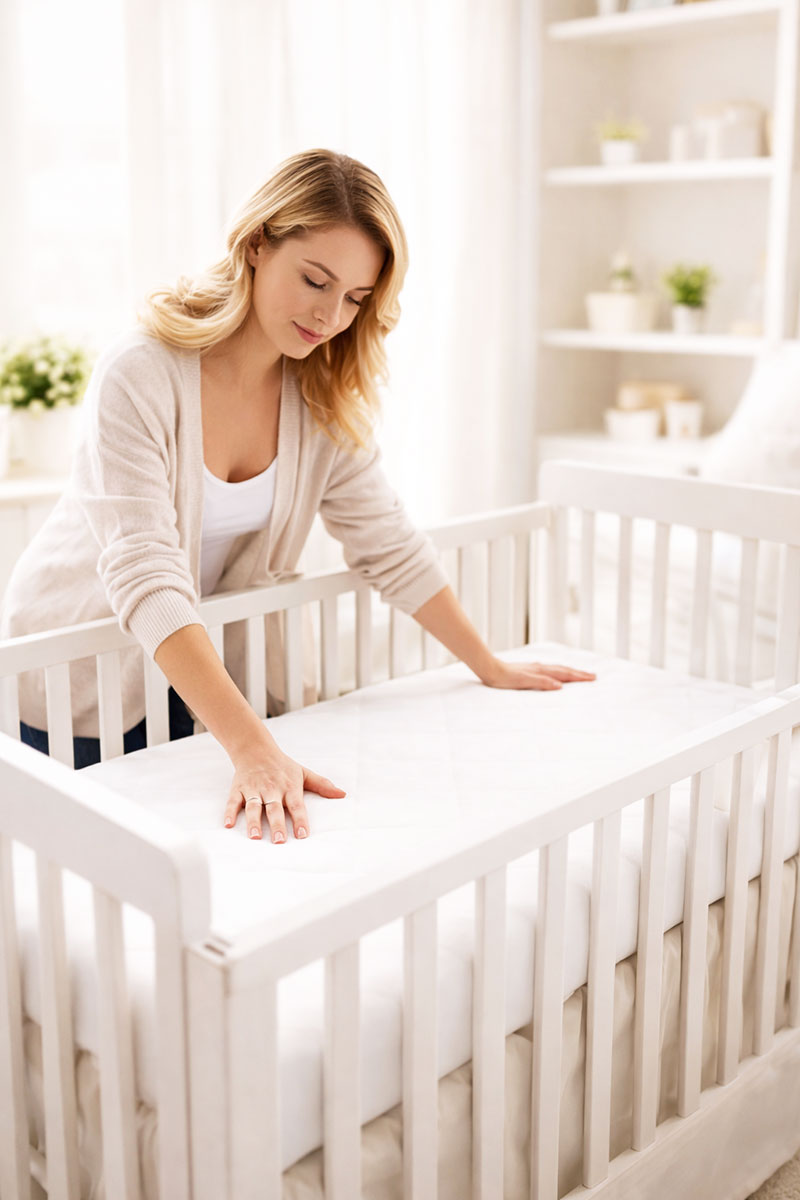
See a preferred firm crib mattress option here
Jump to what you need
How to choose a crib mattress without second-guessing it later
Quick answer:
Choose a crib mattress that fits tightly inside the crib, feels firm when pressed, holds its shape over time, has stable edges, and stays consistent during everyday use like sheet changes and nighttime checks.
Knowing how to choose a crib mattress can save you from a mistake that seems minor in the store but feels much bigger once the crib is set up at home. A mattress can look fine under bright lights, then feel a little loose, a little uneven, or just not quite right when you are leaning over the crib trying to smooth on a fitted sheet with one hand. That is usually when parents realize this decision is not about packaging or price. It is about fit, firmness, and whether the mattress still feels right when nursery life becomes routine.
1. Check the fit first. The mattress should sit tightly inside the crib with no visible gaps. Parents often notice a problem when they pull a sheet tight and one corner shifts instead of staying in place.
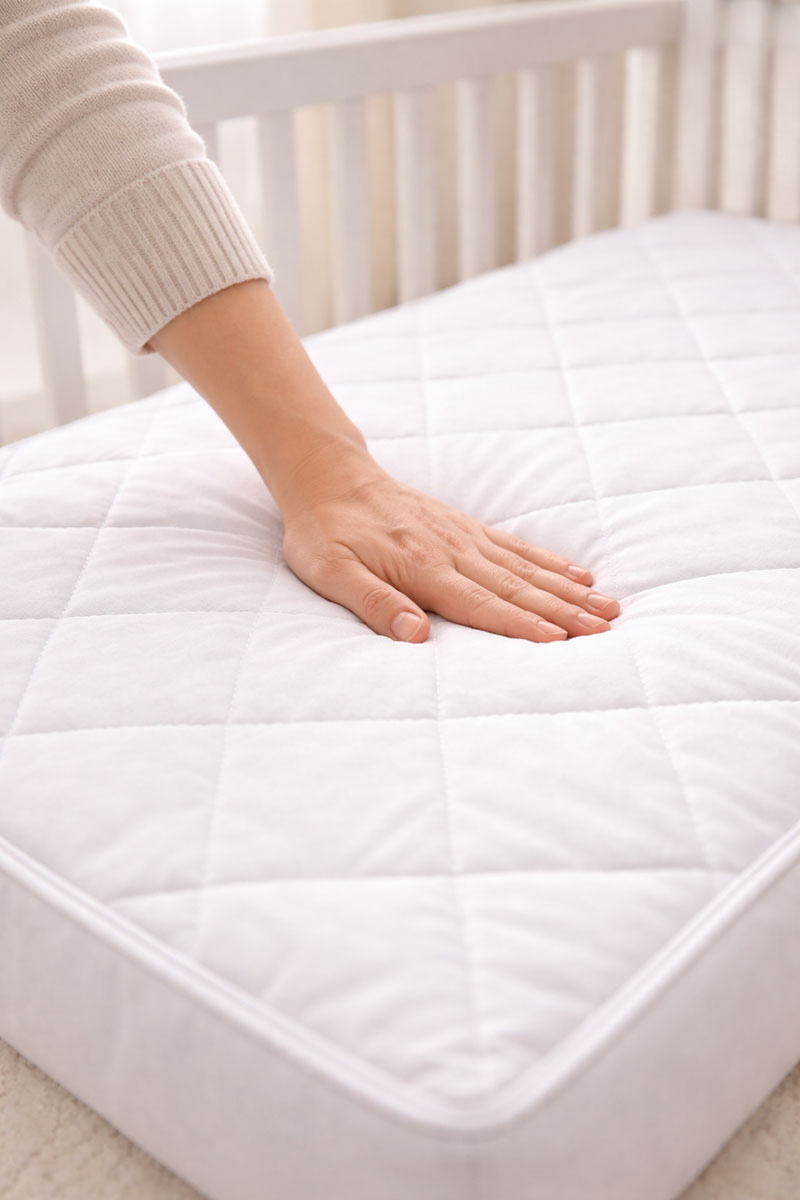
2. Test firmness with your hand. Press down and hold for a second, then lift. A crib mattress should return to shape immediately. If it holds the shape even briefly, that matters more than what the label says.
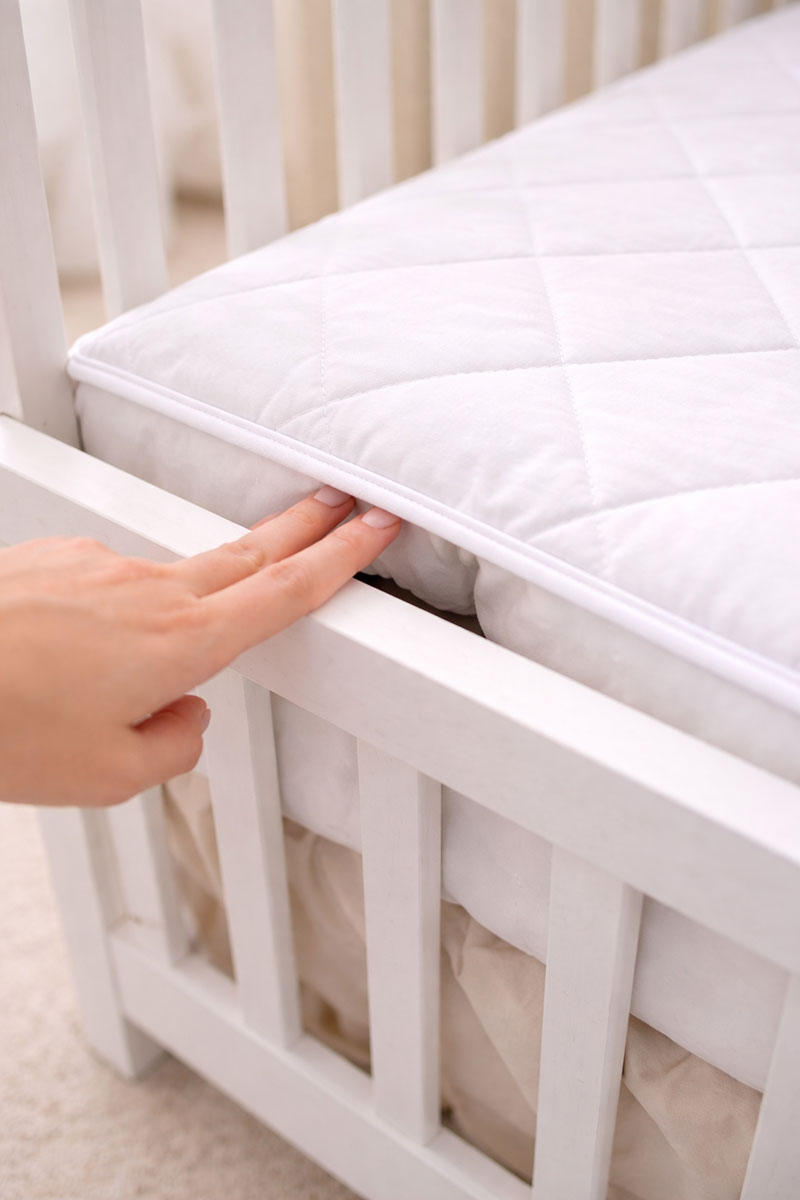
3. Press along the edges. Many people test the center only. The edges do matter.
4. Think about handling. Lift and adjust the mattress like you would during a real sheet change. Some hold their shape better than others.
5. Look for consistency over time. The mattress should feel the same during repeated use, not just during a quick test.
That is usually when the difference becomes obvious. When those five checks line up, the mattress stops being a question.
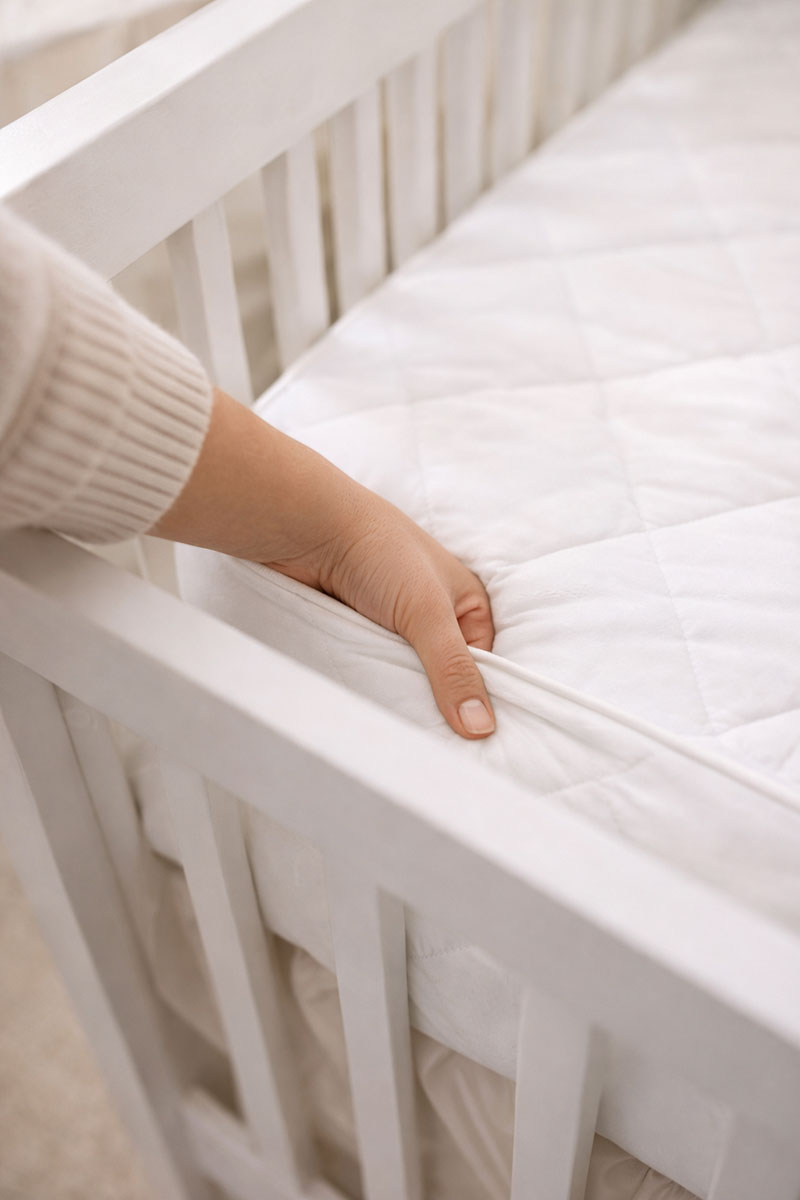
Crib mattress size and fit rules that matter in real life
Most parents assume standard size means automatic fit. It does not always work that way. Sometimes both the crib and mattress are labeled standard, yet the fit still feels slightly off once everything is set up.
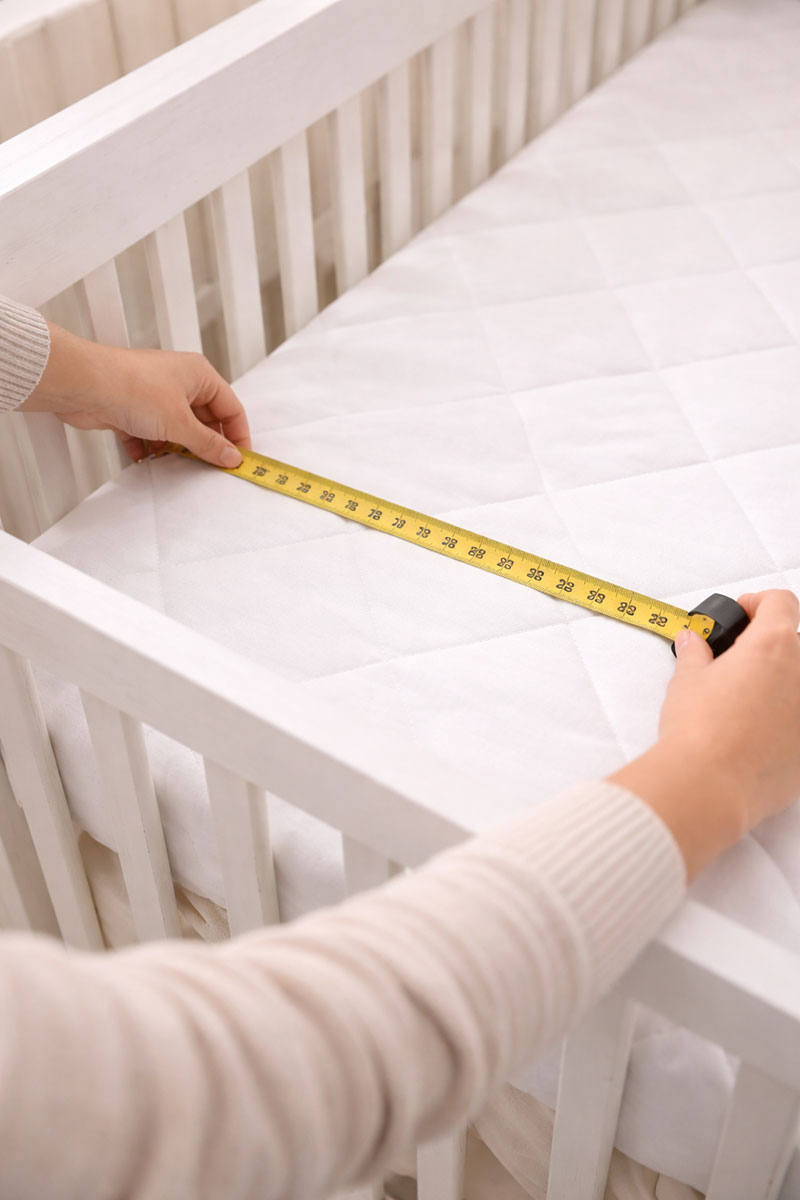
In the United States, a standard crib mattress is about 28 inches by 52 inches. That helps, but what matters most is how the mattress sits inside your actual crib.
For a closer look at spacing and fit: crib mattress fit rules
If you want to see how gaps show up in real situations: crib mattress gap problems
This is one of those details parents notice late at night. You run your hand along the edge and can feel whether it is right or not.
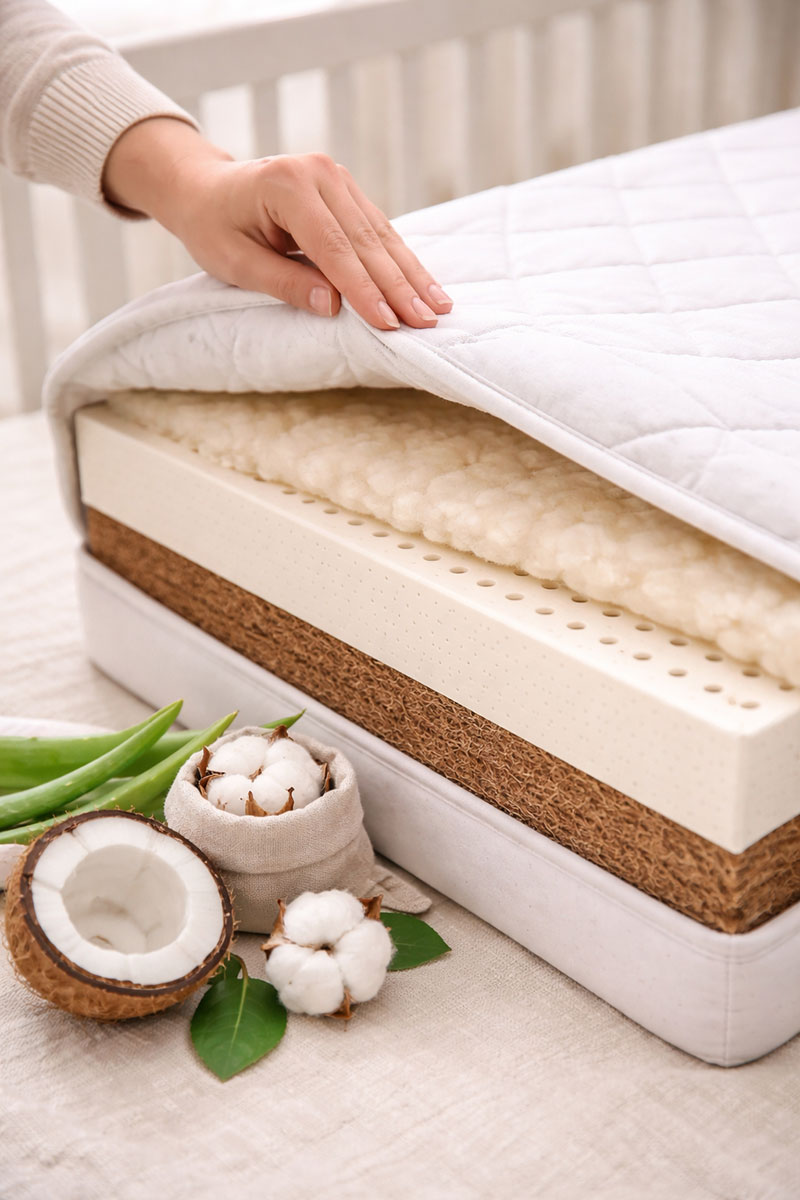
How crib mattress types compare before you buy
Once fit is covered, most people compare types. Foam, innerspring, or organic. The difference shows up in how each one behaves over time.
Another comparison that belongs at this stage is whether a one-surface mattress or a two-stage design makes more sense, and this dual-sided vs single-sided crib mattress guide explains the difference before you pay for extra features.
My best breathable crib mattress guide compares which airflow-focused designs still stay firm, fit correctly, and maintain a stable sleep surface for a baby.
Foam mattresses are easier to lift. That becomes clear during sheet changes. Some lose firmness faster.
Innerspring mattresses tend to feel more even across the surface. Many parents notice they stay consistent longer.
Organic options focus on materials. The feel can be similar, but the difference is in what is inside.
For more on materials: organic crib mattresses
This is where the decision becomes simpler. It is not about which type sounds best. It is about which one still feels right after a week of real use.
Heat is another detail worth checking before you decide, because my crib mattress overheating guide explains how mattress materials, airflow, firmness, and room temperature can affect sleep comfort.
How firm a crib mattress should feel every time
If the mattress shifts, dips, or leaves space, it is not the right one.
Firmness sounds simple until you test it without distraction. That is usually when the difference becomes easier to notice.
Press your hand into the mattress and hold it briefly. When you lift your hand, the surface should return right away.
That intentionally firm feel is also why many parents start asking why crib mattresses are designed to feel so hard, since infant sleep surfaces are made to stay flat and supportive instead of cushioned.
This is something parents often notice during quiet nighttime checks. The surface either stays solid or gives slightly.
Firm means stable. Not soft. Not shifting. Just consistent.
Crib mattress mistakes parents notice after setup
Some mistakes do not show up until the crib is in use.
Choosing based on softness. A mattress that feels comfortable to an adult may not perform well in a crib.
That is also why many parents start looking into whether mattress toppers make a crib mattress too soft, since added comfort layers can change how firm and stable the sleep surface feels once the sheet is in place.
Assuming standard means exact. Even small gaps become noticeable during sheet changes.
Ignoring edges. This shows up when leaning over the crib.
Focusing on features instead of performance. Covers do not fix poor fit or firmness. Some covers can also change how the mattress feels once the sheet is on. My breathable crib mattress protector guide explains which options protect the surface without interfering with firmness or fit.
Parents comparing waterproof layers also tend to get confused by the difference between padded products and thin fitted barriers, which is why this crib mattress pad vs protector guide explains which options are designed for moisture protection without changing the feel of the mattress.
A waterproof crib mattress can help with cleanup, but it still needs to stay firm, fit tightly, and avoid adding bulk that changes how the crib mattress performs.
Not noticing the first week signs. The first week at home is where most parents realize if the mattress actually works. That moment when you pull a sheet tight and the corner stays down without shifting tells you more than anything in the store.
How crib mattress choice connects to overall crib safety
A mattress is part of the full crib setup, not a separate decision. Fit, firmness, and structure all work together.
A mattress that sits flat and snug inside the crib supports the kind of setup parents are trying to achieve from the start.
This connects directly to choosing the crib itself, where spacing and support also matter: how to choose a safe crib for a baby nursery
For official guidance in the United States: safe sleep recommendations
For a more in-depth look at mattress safety: crib mattress safety
This is not about making the decision complicated. It is about understanding why the simplest details matter.
What actually matters when choosing a crib mattress
After all the comparisons, most decisions come back to a few things.
Fit so the mattress stays in place.
Firmness so the surface stays level.
Consistency so it behaves the same over time.
Handling so everyday use feels manageable.
When these are right, everything else falls into place.
The mattress stays where it should. The sheets fit properly. And you stop thinking about it.
That is usually how you know you made the right choice.
If you are still comparing options, this next step usually helps narrow it down quickly: crib mattress guide
FAQ about how to choose a crib mattress
What is the most important factor?
A snug fit combined with a firm surface.
Are all crib mattresses the same size?
No. Small differences can affect how they fit inside a crib.
How do I test firmness?
Press your hand into the surface and check how quickly it returns.
Does price matter?
Not as much as fit, firmness, and consistency.
Which type is best?
The best type is the one that fits well and stays consistent during daily use.
When you click on links to various merchants on this site and make a purchase, this may result in this site earning a commission. This does not affect the price you pay.

UBGI Gold Standard 2026
Reviewed under the site's
editorial checklist.
Photos, decorating ideas, party setups and reader submissions are shared for inspiration unless a page is specifically presented as a pattern, tutorial, reference guide or step-by-step project. Follow the instructions, measurements, safety guidance and manufacturer directions provided for the particular project or product.
About Jan | Contact | Baby Nursery Ideas (Blog) | Site Map | Privacy Policy | Disclosure Policy | Disclaimer | Affiliate Disclosure | Earnings Disclosure | Facebook | Pinterest
I am a participant in the Amazon Services LLC Associates Program, an affiliate advertising program designed to provide a means for us to earn fees by linking to Amazon. As an Amazon Associate I earn from qualifying purchases.
Copyright © 2006-2026. All Rights Reserved.