Can a Crib Mattress Cause Overheating?
Can a crib mattress cause overheating? Sometimes it can contribute to trapped body heat, especially when thick waterproof layers, dense foam, heavy sleep clothing, or warm room temperatures are involved. Many parents now look for breathable crib mattress designs because they may allow better airflow and help babies sleep more comfortably during hot nights.
More Crib Mattress and Safe Sleep Guides
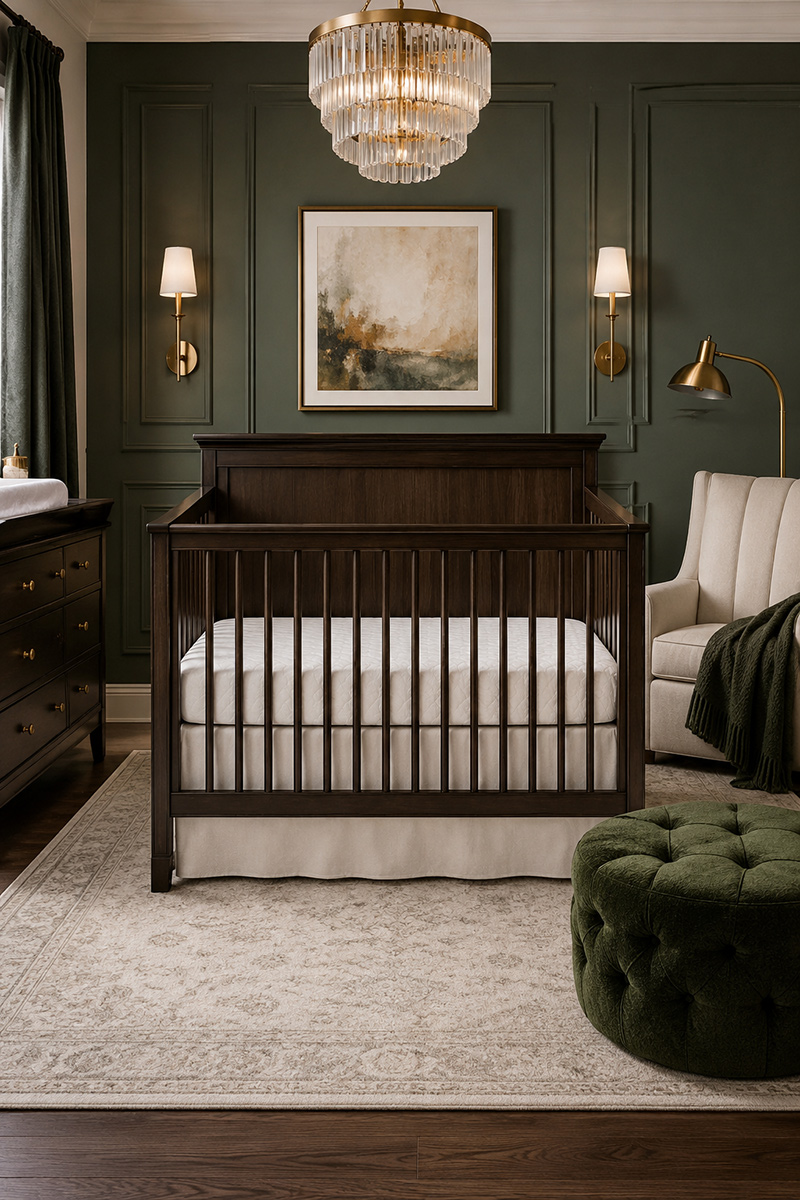
Helpful Crib Mattress Pick
Many parents looking into overheating concerns prefer breathable crib mattress designs with lightweight covers and better airflow.
Jump to What You Need
Quick Answer: A crib mattress can contribute to overheating when dense foam, waterproof barriers, trapped humidity, or multiple bedding layers reduce airflow around a sleeping baby. In many nurseries, the mattress is only one part of the issue. Room ventilation, pajamas, sleep sacks, and mattress protectors also affect nighttime temperature buildup.
Some nurseries seem completely comfortable at bedtime, then feel stuffy a few hours later after the door has stayed closed all night. Parents often notice it during a feeding or diaper change when the baby's hairline seems damp and the fitted sheet underneath holds more heat than expected.
Some crib mattresses retain body temperature longer than others.
That does not automatically make them unsafe. It simply means certain materials and layered sleep setups can reduce airflow across the mattress surface during overnight sleep.
The real question behind can a crib mattress cause overheating is not just the mattress label. It is how the mattress, sheet, protector, room temperature, and sleep clothing all work together through the night.
The page on best breathable crib mattress compares airflow-focused designs that many parents begin researching after noticing nighttime temperature issues.
Another problem that quietly builds inside real nurseries is layer stacking. A waterproof protector, backup liner, quilted pad, and fitted sheet may not seem excessive individually, yet together they can hold far more trapped heat than expected.
Parents searching for overheating answers also end up comparing mattress materials, firmness, waterproofing, and airflow together instead of treating them as separate issues.
Can a Crib Mattress Cause Overheating at Night?
Yes. Some crib mattresses can contribute to heat buildup during sleep, especially when the nursery already has limited airflow or higher humidity.
Parents often notice this after lifting a sleeping baby from the crib and realizing the back of the pajamas seems noticeably warmer than the surrounding room. That small detail can easily get missed during short daytime naps.
Dense foam construction, sealed waterproof layers, and reduced air circulation are the biggest contributors. The mattress itself rarely works alone. Heat buildup usually comes from several smaller factors happening together.
A nursery near an upstairs exterior wall can hold extra overnight warmth even when the thermostat downstairs still looks normal. That catches many families off guard during spring weather swings.
The guide on crib mattress pad vs protector explains how extra bedding layers can change airflow more than many product descriptions admit.
Some parents start changing pajamas first. Others lower the thermostat. Then eventually they realize the mattress surface itself seems to be holding temperature longer than expected after several continuous hours of sleep.
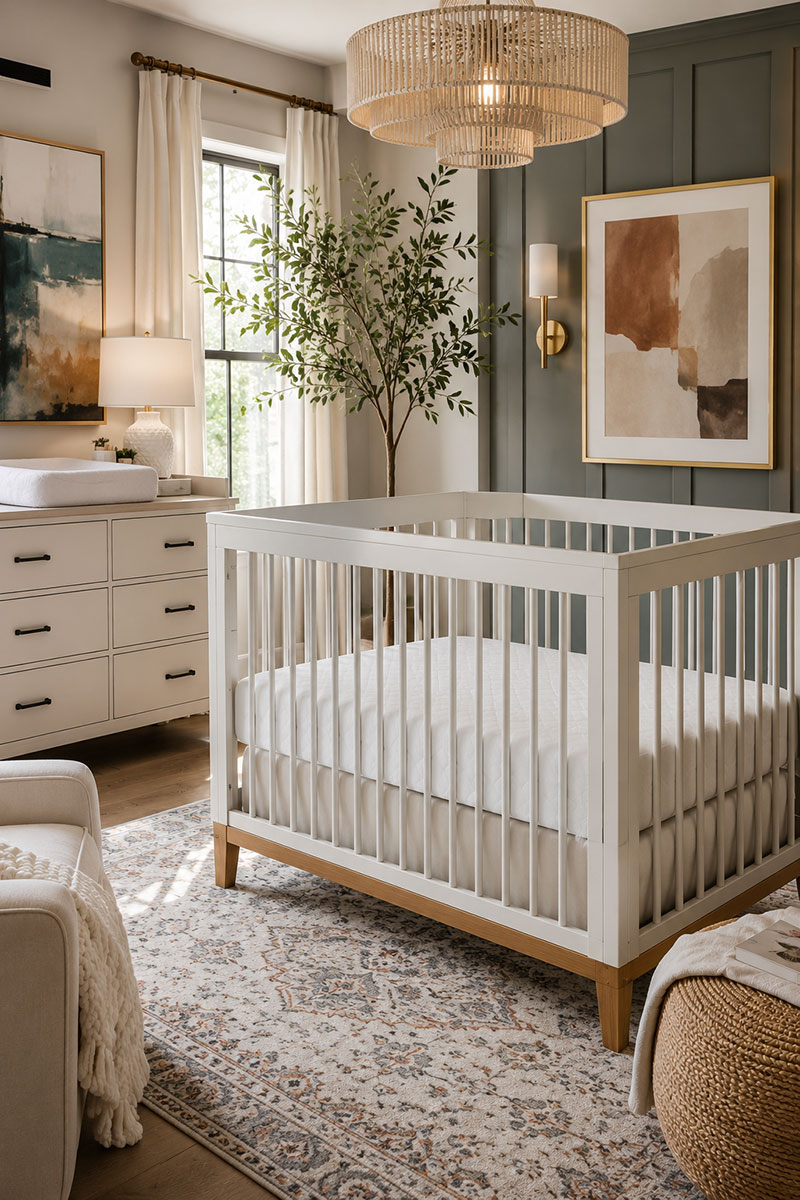
Mattress Materials That Trap More Heat
Some crib mattresses allow better air movement while others create a tighter sealed surface underneath the fitted sheet.
That is why the question can a crib mattress cause overheating is worth answering carefully instead of brushing it off as only a room-temperature issue.
Memory foam is one example parents ask about often. Adult mattresses have dealt with heat complaints for years, and similar concerns can happen with thicker crib mattress designs too.
Waterproof materials matter as well. Vinyl-style covers and heavily quilted surfaces sometimes retain body temperature longer during extended sleep stretches.
I believe one reason parents become frustrated is that nursery stores rarely explain how different waterproof layers affect overnight airflow once a baby has been sleeping for several hours.
Humidity also changes how a nursery handles temperature. A room can technically remain within a reasonable range while still becoming stuffy because moisture stays trapped inside overnight.
That becomes easier to notice when blackout curtains stay closed and air circulation around the crib corner remains limited.
The page on why are crib mattresses so hard also explains why many infant mattresses prioritize firmness instead of thicker comfort layers that may hold additional body heat.
Parents sometimes discover the problem accidentally during sheet changes. The top layer appears dry, yet underneath the protector there is still trapped moisture that never fully cooled down overnight.
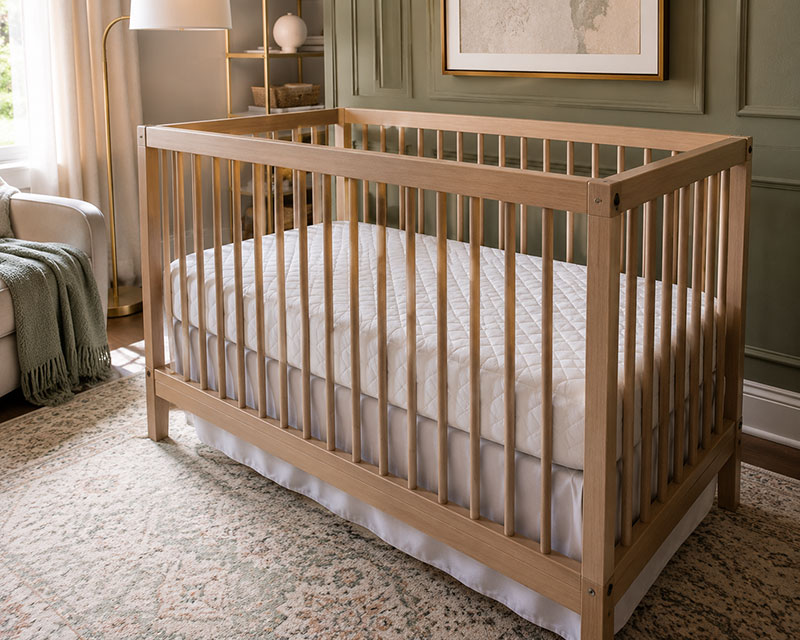
Are Breathable Crib Mattresses Worth Buying?
Some are absolutely helpful. Others rely heavily on marketing language without improving airflow very much.
The better ventilated crib mattresses usually focus on washable covers, airflow channels, and construction that allows more circulation underneath the fitted sheet.
That matters because many parents searching for overheating answers are not looking for luxury extras. They simply want the crib to stop holding temperature all night long.
The page on breathable crib mattress protector covers another overlooked issue. Some thick protectors reduce the airflow advantage of a ventilated mattress underneath.
I have seen nursery setups where the mattress itself was completely reasonable, yet several layered waterproof products above it changed the entire sleep surface temperature.
The American Academy of Pediatrics still recommends a firm flat sleep surface without loose bedding or added cushioning.
American Academy of Pediatrics safe sleep guidance
Parents comparing different mattress types often continue into the broader crib mattress guide after realizing temperature buildup is usually connected to several nursery factors working together.
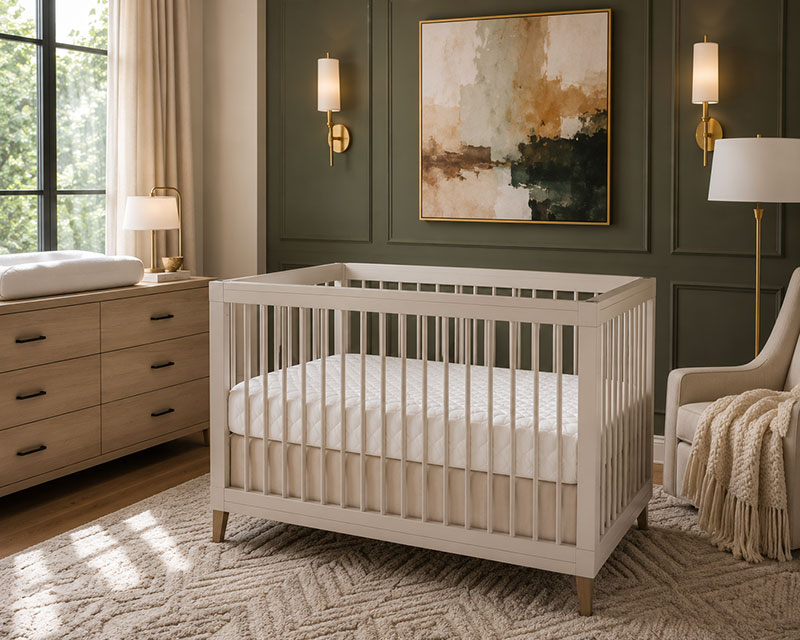
Signs a Baby May Be Sleeping Too Hot
Many nurseries run into this during weather swings when daytime temperatures seem manageable but nighttime humidity climbs after sunset.
Common signs include:
- Hot neck or upper back
- Damp hair near the scalp
- Restless overnight sleep
- Flushed cheeks
- Repeated waking without obvious hunger
- Pajamas that seem slightly damp after naps
A baby does not need to be sweating heavily for a nursery to become uncomfortable.
Some parents immediately switch sleep clothing while overlooking the mattress setup underneath. Others blame sleep regressions when the room itself is simply holding too much overnight warmth.
One detail that gets missed often is wall temperature. Cribs placed against sun-facing exterior walls may absorb heat for hours after outdoor temperatures start dropping.
That small change can affect the entire sleep space around the mattress surface.
Hot Weather Safe Sleep Tips
Temperature problems inside nurseries usually build slowly instead of appearing all at once. Parents adjust pajamas first. Then fans. Then eventually start questioning the mattress itself.
Simple changes can help reduce trapped heat:
- Use one fitted sheet only
- Avoid layering multiple waterproof pads together
- Keep the crib away from direct afternoon sunlight
- Check airflow near walls and corners
- Use lightweight sleep clothing
- Keep blankets and loose bedding out of the crib
The U.S. Consumer Product Safety Commission also recommends maintaining a firm flat sleep environment without loose bedding.
U.S. Consumer Product Safety Commission safe sleep guidance
Parents often notice nursery airflow problems after sitting in the room themselves during late feedings. A nursery can seem completely different at 3 a.m. compared to early evening.
Crib Mattress Overheating FAQ
Can memory foam crib mattresses sleep hotter?
Yes. Some memory foam materials retain more body temperature than highly ventilated crib mattress designs.
Can mattress protectors trap heat?
Yes. Thick waterproof protectors can reduce airflow and create a hotter sleep surface during long overnight stretches.
Are breathable crib mattresses safer?
Ventilated designs may improve airflow, but safe sleep still depends on using a flat firm mattress with no loose bedding.
Should a baby sweat while sleeping?
Light perspiration can happen during sleep, but damp hair, flushed skin, and repeated overheating can signal that the nursery setup needs adjustment.
Does room temperature matter more than the mattress?
In many cases, yes. Nursery airflow, humidity, layered bedding, and sleep clothing often affect nighttime temperature more than the mattress alone.
When you click on links to various merchants on this site and make a purchase, this may result in this site earning a commission. This does not affect the price you pay.

UBGI Gold Standard 2026
Reviewed under the site's
editorial checklist.
Photos, decorating ideas, party setups and reader submissions are shared for inspiration unless a page is specifically presented as a pattern, tutorial, reference guide or step-by-step project. Follow the instructions, measurements, safety guidance and manufacturer directions provided for the particular project or product.
About Jan | Contact | Baby Nursery Ideas (Blog) | Site Map | Privacy Policy | Disclosure Policy | Disclaimer | Affiliate Disclosure | Earnings Disclosure | Facebook | Pinterest
I am a participant in the Amazon Services LLC Associates Program, an affiliate advertising program designed to provide a means for us to earn fees by linking to Amazon. As an Amazon Associate I earn from qualifying purchases.
Copyright © 2006-2026. All Rights Reserved.