Cribs for Small Spaces: Compact Cribs That Fit Tiny Nurseries
Cribs for small spaces help parents create a safe sleep area for a baby even when the nursery is small, narrow, or shared with other furniture. Choosing the right crib size, layout, and placement can make a tiny nursery feel organized and comfortable without sacrificing safety. The best choices are usually mini cribs, portable cribs, or compact convertible cribs that reduce the amount of floor space needed
Trying to fit a crib into a small room? Start here:
Where should the crib go in a small nursery?
What nursery furniture can you skip?
Can a baby sleep without a separate nursery?
Which crib should parents avoid?
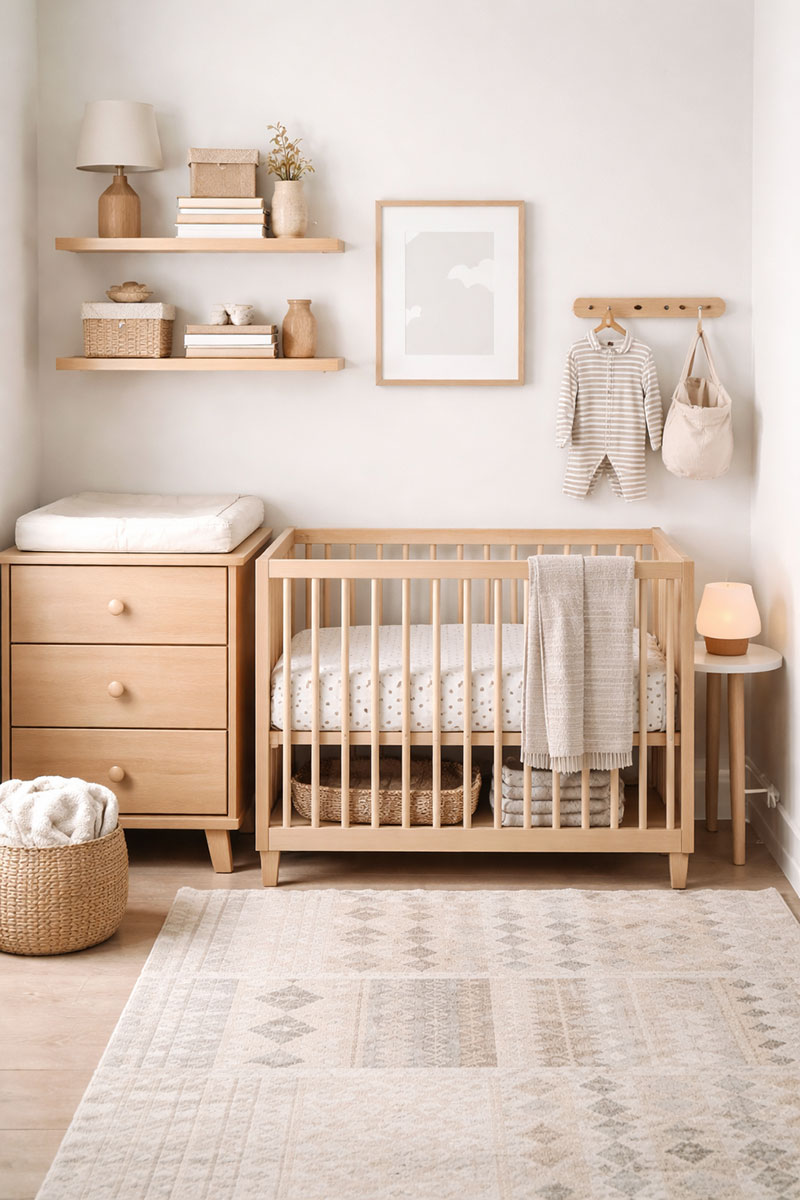
When this guide is most helpful: Parents searching for cribs for small spaces usually have a nursery that is narrow, shared with another room, or located in a small apartment bedroom. In these situations, compact crib styles and smart nursery layouts make it possible to create a safe sleep space without overcrowding the room.
Quick jump links:
Best Cribs for Small Spaces and How They Work
The best cribs for small spaces are mini cribs, portable cribs, and compact convertible cribs because they reduce the crib footprint while still meeting modern crib safety standards.
Definition: Cribs for small spaces are compact crib styles designed to fit tight nurseries, apartments, or shared bedrooms while still meeting full crib safety standards. The best choices are mini cribs, portable cribs, and compact convertible cribs because they reduce footprint without forcing unsafe furniture crowding.
If you are here because your nursery is tiny, you are not behind. You are just working with real life space. The fastest win is choosing a crib style made for small rooms, then building a layout that keeps walkways open.
This is a space problem, not a parenting problem.
This page focuses on one clear question, what cribs work best in small spaces, and how to make that choice confidently. If you want a bigger list of crib categories and options, the best information can be found on my main crib hub page on types of baby cribs.Crib types that fit small spaces
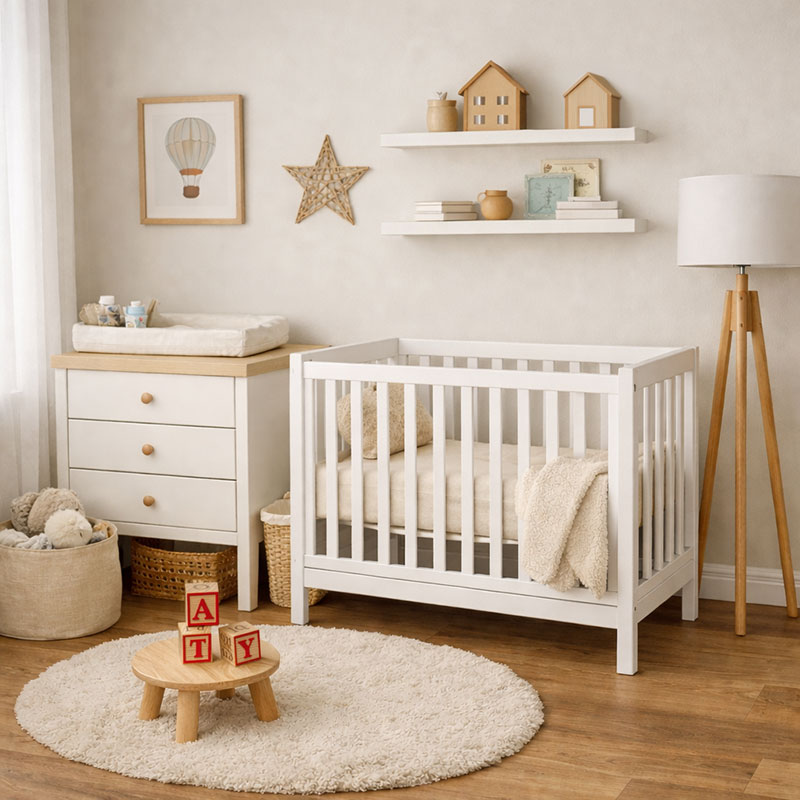
Not all cribs solve a small room in the same way. Here are the types that usually work best for tight nurseries.
To see a comparison of top-rated compact options that actually fit tight rooms, this guide to best mini cribs for small spaces breaks down which designs work best in real nurseries.
Mini cribs. These are shorter and narrower than standard cribs, so they fit where a full size crib feels bulky. Mini cribs are especially helpful in apartments, small bedrooms, and narrow nursery layouts.
Portable cribs. Some families choose portable baby cribs because they are designed to move easily. Many include wheels and lighter frames so the crib can be shifted when cleaning or rearranging a shared bedroom. Portable cribs are often used in small homes where flexibility matters.
For a clearer understanding of how portable crib styles compare in real use, this guide to travel crib vs pack and play differences explains how these compact options differ in structure, portability, and everyday setup.
For portable options that work especially well in tight layouts, this best travel crib guide breaks down which lightweight designs are easiest to move, store, and set up in smaller rooms.
Convertible cribs. A convertible crib can also work well in a small nursery because it reduces the need to buy another bed later. These cribs convert into toddler beds as the child grows. The main advantage is long term use. The tradeoff is that convertibles are usually heavier than mini cribs.
Mini cribs almost always require a mini crib mattress, not a standard crib mattress.
Most full size cribs follow the same mattress dimensions, which is why understanding standard crib mattress size helps parents confirm that a mattress will fit safely without gaps.
If you are shopping for a mini crib, the clearest next step is the guide on mini crib mattress. If you are unsure about measurements, the size-focused page mini crib mattress size guide can help you confirm the correct fit.
If you need a quick refresher on standard crib sizing, this page is the one I refer to most often: baby crib dimensions and standard sizes.
Layout ideas that make a small room feel bigger
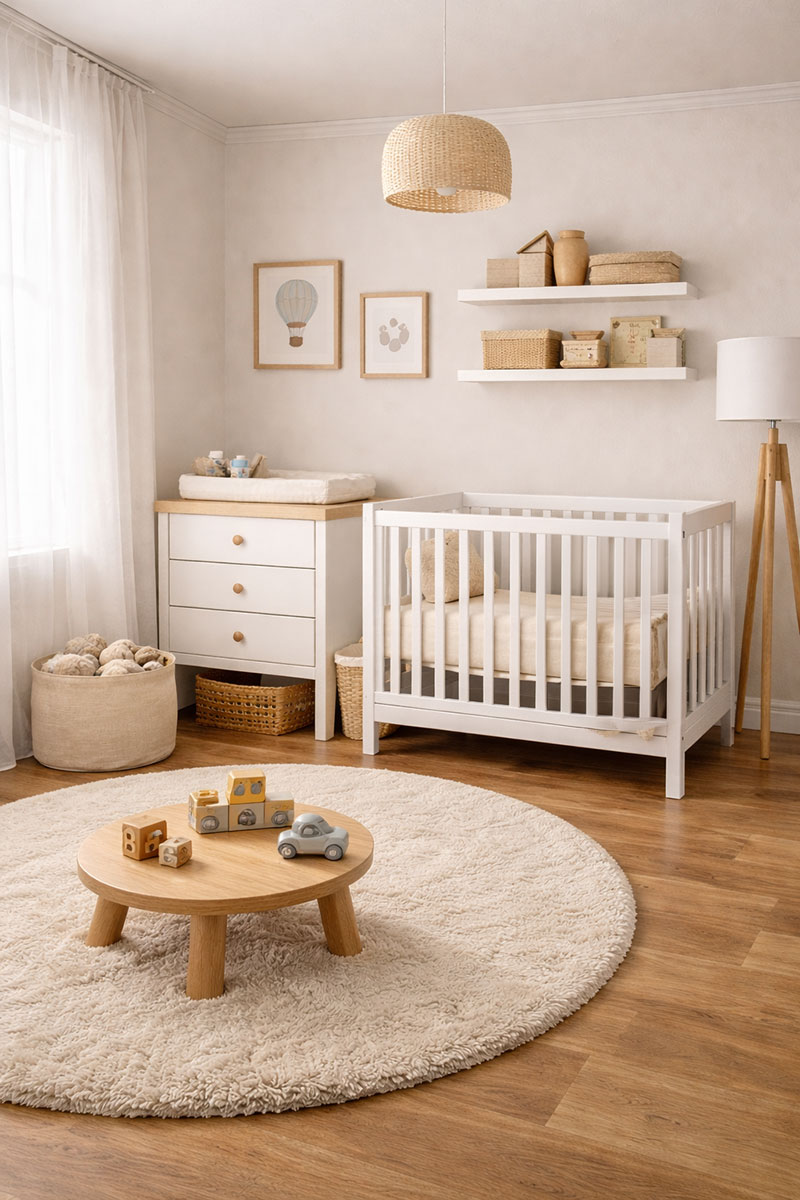
The best small nursery layouts have one thing in common. They keep the walking path clear. When you can move easily, the room feels bigger and calmer.
In a tight space, aim for a simple furniture set. A crib, a dresser, and one storage solution is often enough. If you try to squeeze in every nursery item you have ever seen online, your room will feel busy and hard to use.
Here are small space layout moves that work well in real homes.
Use the wall, not the floor. Floating shelves and wall storage keep essentials up and off the ground. That is the easiest way to avoid a cramped feeling. If you want shelf ideas with safety notes, you can also reference nursery wall shelves.
Choose one main storage piece. A dresser with a changing surface on top can replace a separate changing table. If you are deciding between those setups, this page is helpful: changing table dresser.
Pick furniture that matches the scale of the room. Tall and narrow furniture often works better than short and wide furniture. It uses vertical space while keeping the center of the room open. For broader planning, my main furniture page is nursery furniture.
If you want more layouts that are built specifically for small rooms, go to small nursery layout ideas. If you want the main hub with all layout topics in one place, use nursery layout ideas.
Space saving features worth paying for
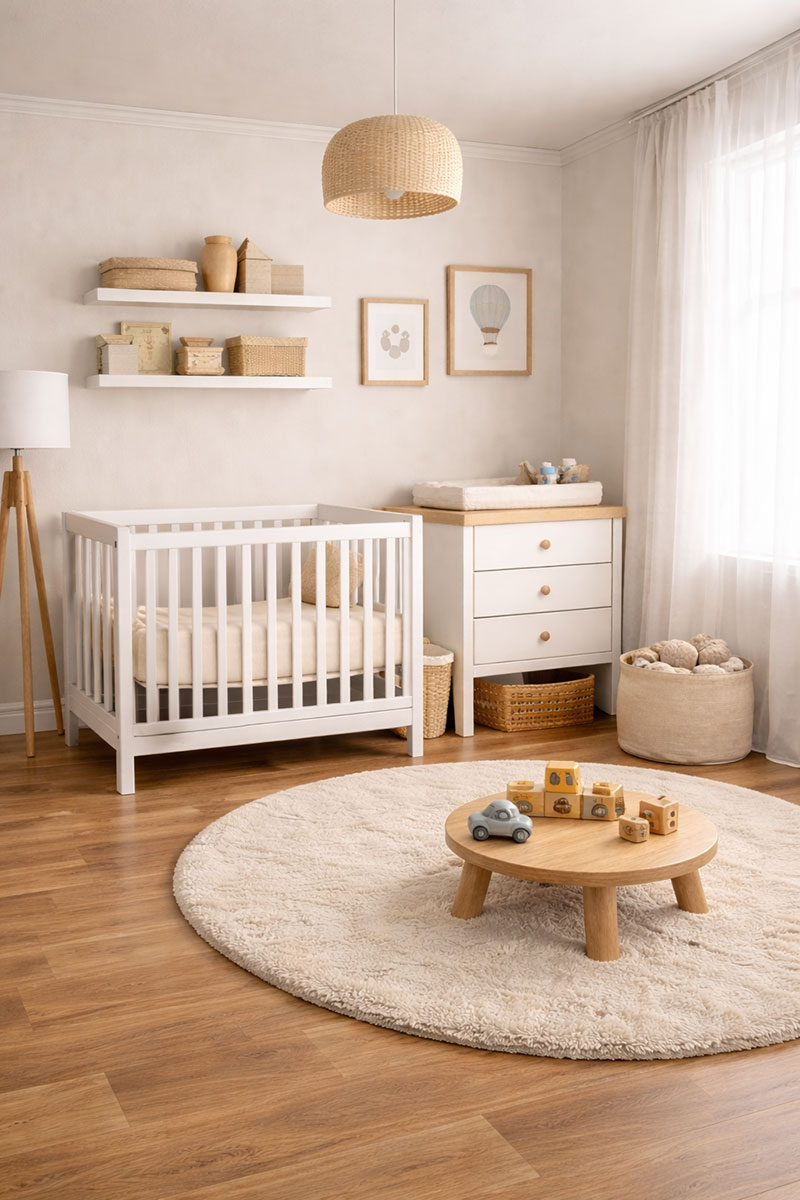
When a nursery is small, the right features can make daily life easier. The goal is not fancy. The goal is functional and calm.
Smaller footprint. This sounds obvious, but it is the main reason compact cribs exist. A few inches can change everything in a tight room.
Wheels with a lock. If you need to move the crib for cleaning or for shared bedroom use, wheels can be a real help. The key is stability, so look for locking wheels and a sturdy frame.
Simple lines and lighter colors. This is a style tip, but it also reduces visual clutter. In a small room, heavy dark furniture can feel crowded fast.
Storage that replaces another furniture piece. If a crib includes storage, it can reduce your need for extra bins. Keep it minimal. Too many open baskets can make a small room look messy even when it is clean.
See compact cribs for small spaces
Small room safety rules
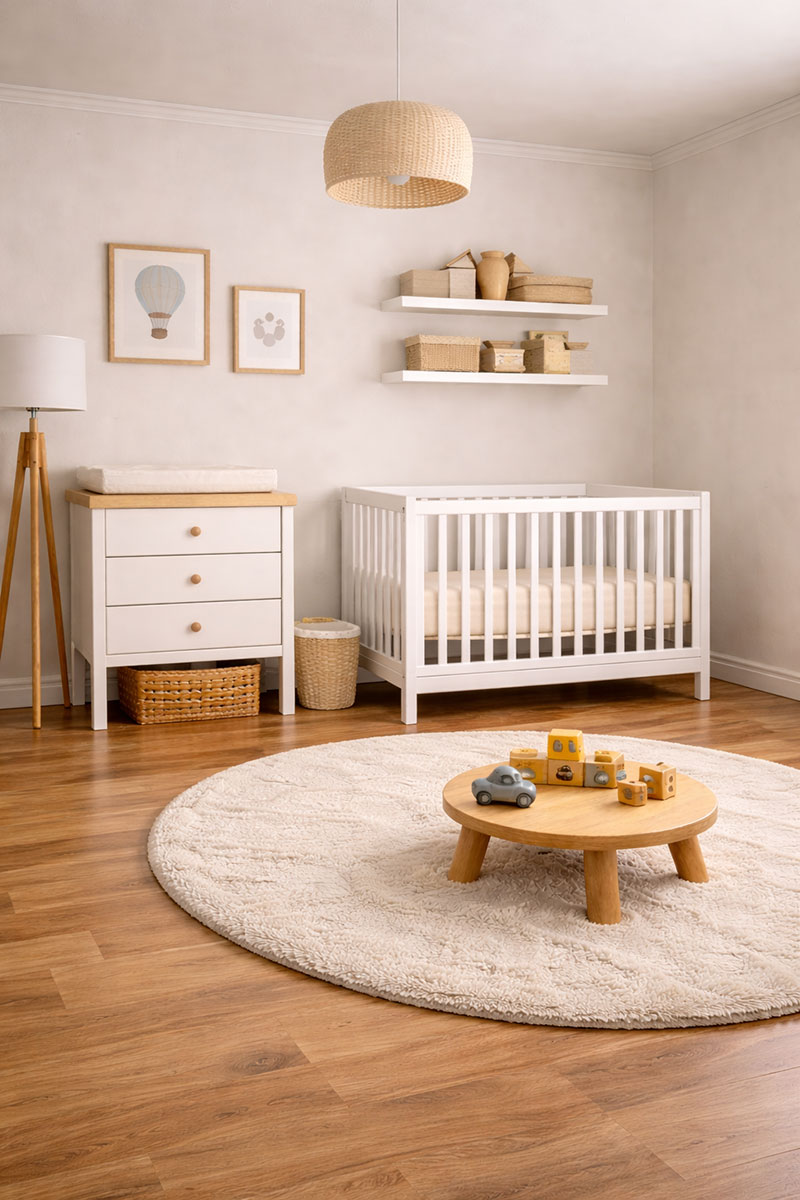
Small rooms can create safety issues when furniture is crowded. The good news is that the solutions are straightforward.
Keep cords and hanging items away from the crib. Window blind cords and monitor cords should not hang near the crib area.
Keep climbable furniture away from the crib. In a small nursery, it is tempting to place a dresser right beside the crib. Leave space so a child cannot use the dresser as a step.
Use a firm mattress that fits the crib correctly. A mattress that does not fit can create gaps. Gaps are not a small issue. They are a safety issue.
If you want the official safety source, the U.S. Consumer Product Safety Commission is the non-competing authority for crib safety guidance. You can review their consumer safety information at U.S. Consumer Product Safety Commission.
The goal is safe, practical placement and the right crib type for the space you have.
Simple shopping checklist
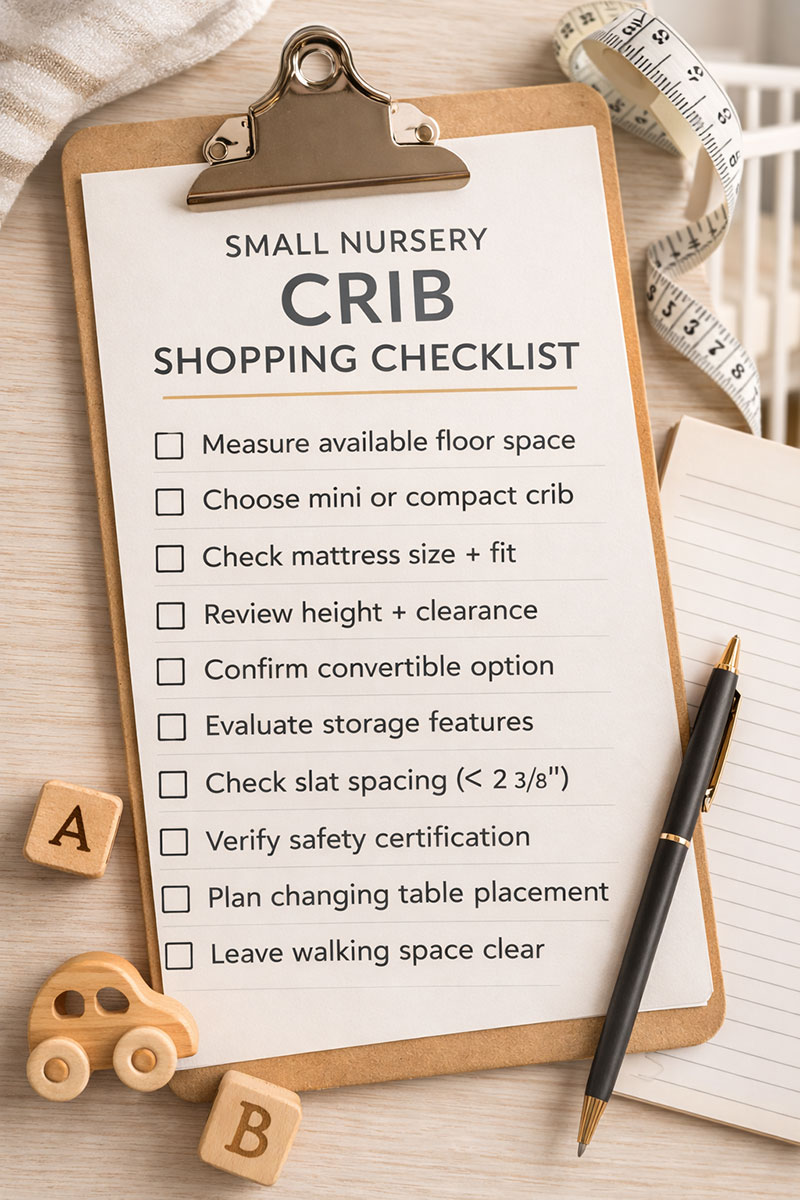
Use this short checklist when you are shopping for cribs for small spaces. It keeps you focused on what matters.
- Measure the wall where the crib will go and confirm there is still clear walking space.
- Choose a crib designed for small rooms such as a mini crib, portable crib, or compact convertible crib.
- If you select a mini crib, confirm you are buying the correct mini crib mattress for that model.
- Plan one main storage piece, usually a dresser with a changing surface.
- Keep cords, monitors, and climbable furniture away from the crib area.
- Avoid overcrowding the nursery with extra furniture that reduces floor space.
- Follow current crib safety guidance from the U.S. Consumer Product Safety Commission.
If you want one place to browse many layout solutions, the correct hub is nursery layout ideas. It is the best downstream beneficiary for this page because it strengthens the full layout cluster.
Small cribs summary
Cribs for small spaces work best when parents choose a compact crib style, like a mini crib, portable crib, or compact convertible crib, then build a layout that keeps the walking path open and reduces furniture crowding. Small nurseries feel bigger when storage goes vertical, a single dresser handles most storage, and the crib area stays clear of cords and climbable furniture. Mini cribs require a correctly sized mini crib mattress, and all cribs should be used with a firm mattress that fits properly. For official crib safety guidance in the United States, the U.S. Consumer Product Safety Commission is the primary authority.
When you click on links to various merchants on this site and make a purchase, this may result in this site earning a commission. This does not affect the price you pay.

UBGI Gold Standard 2026
Reviewed under the site's
editorial checklist.
Photos, decorating ideas, party setups and reader submissions are shared for inspiration unless a page is specifically presented as a pattern, tutorial, reference guide or step-by-step project. Follow the instructions, measurements, safety guidance and manufacturer directions provided for the particular project or product.
About Jan | Contact | Baby Nursery Ideas (Blog) | Site Map | Privacy Policy | Disclosure Policy | Disclaimer | Affiliate Disclosure | Earnings Disclosure | Facebook | Pinterest
I am a participant in the Amazon Services LLC Associates Program, an affiliate advertising program designed to provide a means for us to earn fees by linking to Amazon. As an Amazon Associate I earn from qualifying purchases.
Copyright © 2006-2026. All Rights Reserved.