Do You Actually Need a Nursery? Real Alternatives for Small Homes
This page answers the question do you actually need a nursery, or can a smaller setup work just as well in your home. When I talk about a nursery here, I mean a separate room set up mainly for baby sleep and daily baby care. For a lot of parents in the United States, this question comes up when they’re trying to fit a crib or bassinet into a small home or apartment, not a big house you see in magazines. I hear this concern constantly from families who are standing in their bedroom, looking at a mattress and a corner of the room, and wondering if that can really work. This page is here to help you decide that clearly, using everyday standards and common sense, not product instructions or special setups.
Wondering if you really need a nursery? Start here:
What newborn items do you actually need?
Can your room layout work without a separate nursery?
What crib works best when space is tight?
Do you really need a changing table?
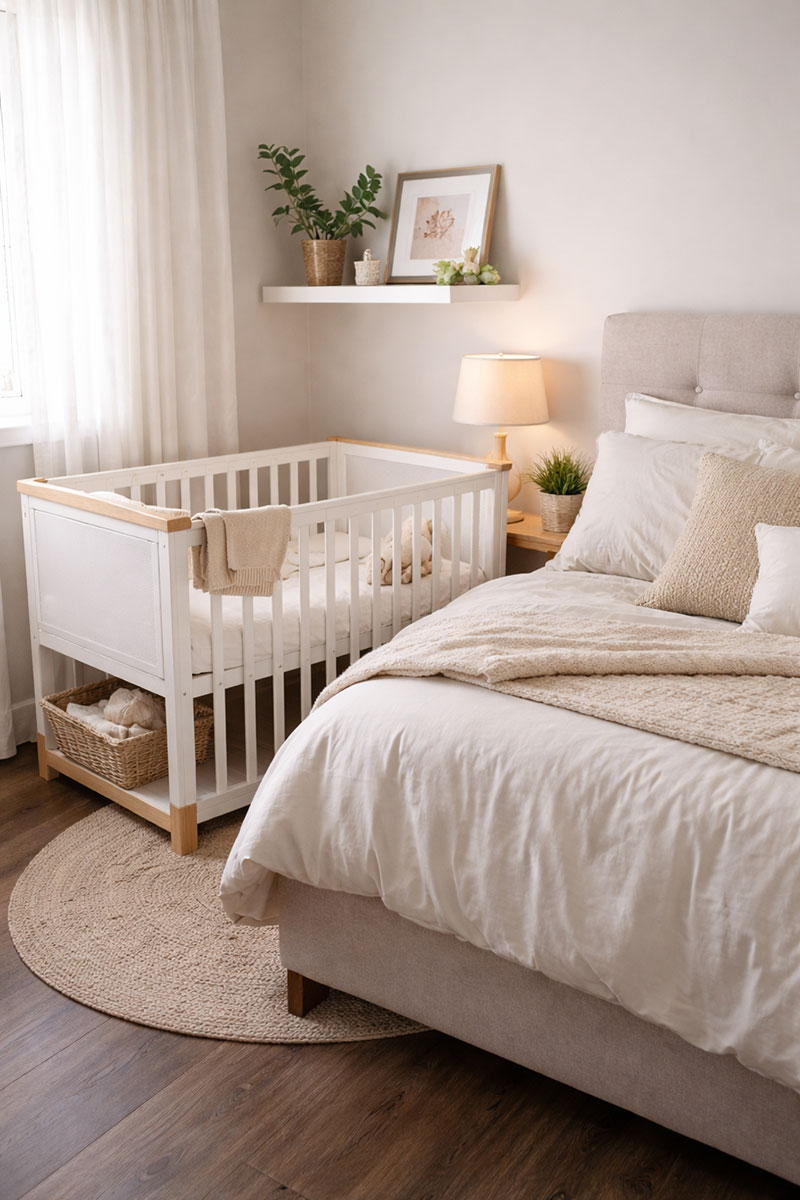
For most families, the practical decision is simple: a separate nursery room is optional, not required, as long as the baby has one safe, consistent sleep space.
Here’s the clear answer up front: most families do not truly need a separate nursery to be ready for a baby, as long as the baby’s sleep space is appropriate and your day-to-day setup is workable.
This page focuses on helping parents decide whether a separate nursery makes sense for their home, not on decorating advice, product recommendations, or step-by-step setup instructions.
Key takeaways on whether you need a nursery:
- A separate nursery room is optional for most families.
- The baby’s sleep space matters more than the room it sits in.
- Room-sharing setups are common in small homes and apartments.
- Nurseries can be added later once daily routines are clear.
Why the “Do you actually need a nursery?” question matters
This decision usually connects back to the basics of crib choice and baby sleep setup, which I cover more fully in the baby cribs overview.
In most homes, the sleep setup matters far more than having a separate nursery room.
This is why the question do you actually need a nursery comes up so often once parents stop picturing a perfect room and start thinking about real sleep space that has to work day to day.
When parents ask do you actually need a nursery, what they’re really asking is how simple their setup can be without sacrificing day-to-day sanity.
This decision matters because it can push parents into buying a lot of things too early, or setting up a room that doesn’t match how life actually looks in the first months. I’ve watched parents spend weeks building a nursery, only to have the baby sleep in their bedroom anyway. The nursery ends up looking nice, but functioning mostly as storage. That part matters more than people expect.
A nursery can be lovely. But it can also create pressure. Pressure to choose a theme. Pressure to buy furniture before you know what you’ll actually use. Pressure to make a big decision before your baby’s sleep patterns are even clear. In a small home, that pressure shows up fast.
This question usually comes up before or right after a first baby arrives, especially when parents are trying to fit a crib or bassinet into a small home or apartment instead of a picture-perfect house. It shows up often in early planning conversations like those shared on the pregnancy questions hub, when space, sleep, and daily routines start to feel real.
Because it appears so often in housing-limited households, apartment living, and shared-room setups, this is a question worth answering plainly instead of dancing around.
What to do next, early on: focus on the problem you’re really solving first—baby sleep, basic storage, or a simple changing spot—and let that guide what you set up.
Quick fit check
If the baby has a safe, appropriate sleep space and you have a simple place to store basics, you are not “behind.”
Most parents aren’t lacking a nursery. They’re lacking a plan that fits their actual home.
Do you actually need a nursery? Real alternatives for small homes
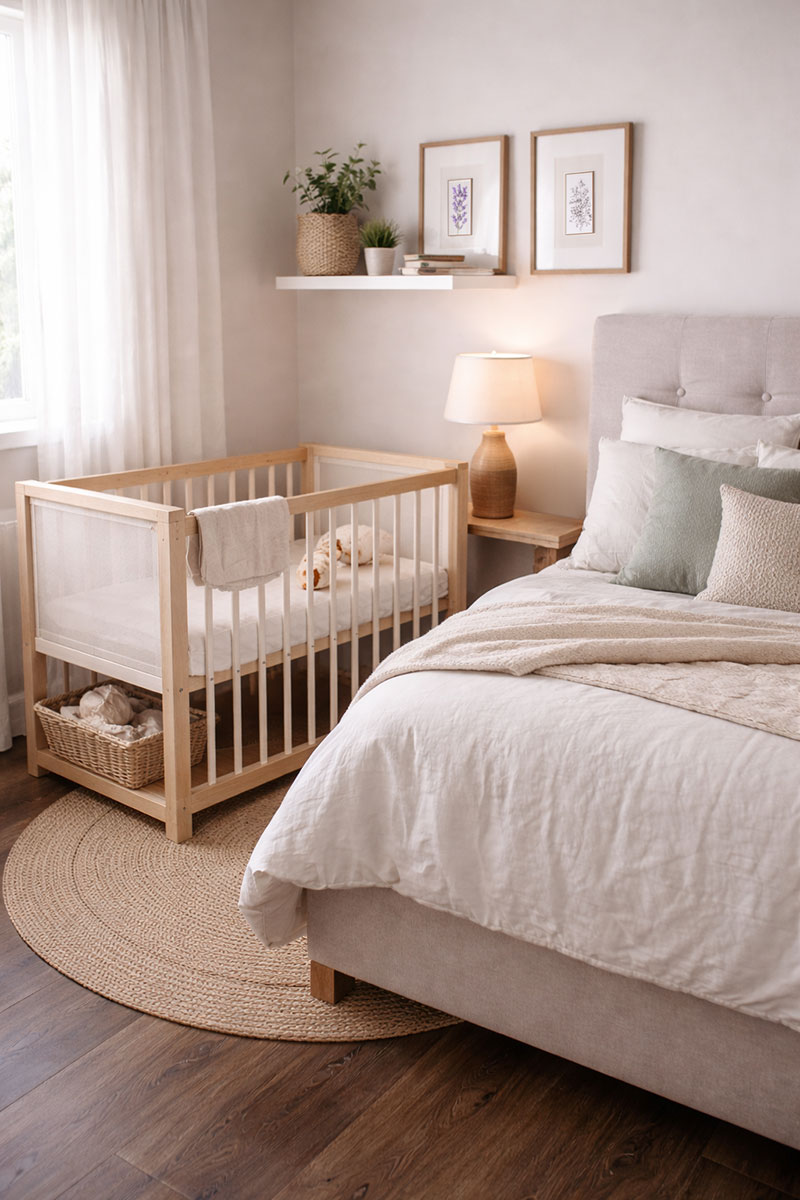
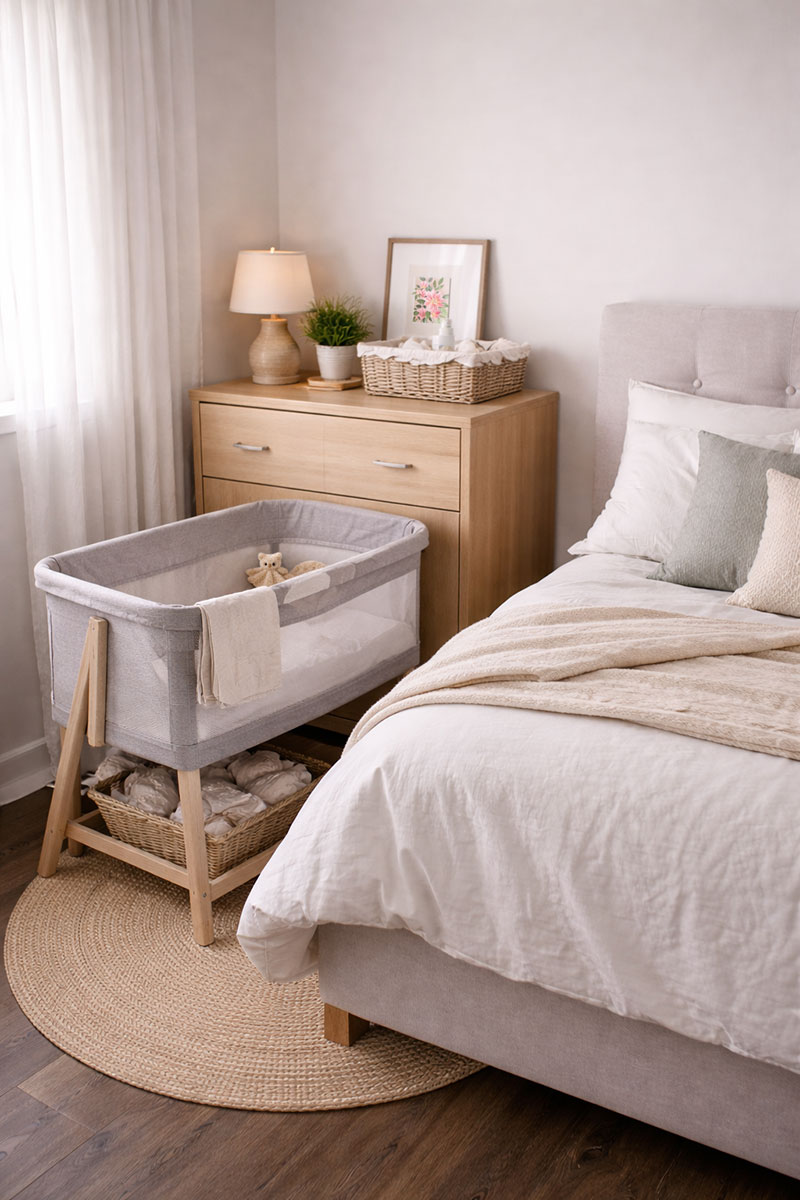
When a home is tight on space, the best alternative is usually a simple room-sharing setup that keeps baby sleep close and keeps the rest of the house from getting swallowed. This can look like a crib or bassinet near the parents’ bed, plus a small storage spot for diapers, wipes, and a few changes of clothes. It can also look like a mini crib in a corner, or a tidy dresser-top station in another room that isn’t “the nursery.”
Notice what I did not say. I didn’t say you need a full matching set. You don’t. You need a workable sleep space and a calm routine. Everything else can come later, once you know what you actually use.
What goes wrong when parents feel forced into a full nursery
The first thing that goes wrong is money. A full nursery can turn into a big stack of purchases that feel urgent, even when they aren’t. The second thing is space. In a small home, one extra large piece of furniture can make the whole room feel cramped and stressful.
This is where most parents get confused.
They start mixing up “nice to have” with “must have.” They also assume the nursery has to be finished before the baby arrives. In real life, many parents end up adjusting the setup after the baby is home, because the baby’s sleep habits, feeding routines, and daily flow are not the same as what you pictured.
If you want a calm, low-regret setup, it helps to separate two ideas: baby sleep space and baby stuff storage. Those can live in the same room, or not. They do not have to be a full nursery to work well.
Most parents choose
In small homes and apartments, many parents choose a simple sleep space near the parents’ bed and keep baby items stored in a regular dresser or closet.
Later, if a separate nursery makes sense, it can be built in stages instead of all at once.
Did I buy right? A calm way to sanity-check what you already have
If you already bought nursery furniture, you’re not stuck. You’re just deciding what gets used now and what waits. The big question is whether the sleep space you chose fits your life and fits general U.S. expectations for baby sleep setups. This is not about perfection. It’s about practicality and clarity.
Start by identifying the one sleep space you’re actually planning to use most nights. For many parents, that’s a crib, a bassinet, or a play yard used as a sleep space. Then look at the mattress situation for that sleep space. A lot of worry comes from not knowing what “normal” looks like for fit and firmness, especially with a crib mattress.
If it helps, you can compare your thinking with these pages on my site: What can go in a crib and what does not belong there, Crib mattress size vs twin mattress, and Is it safe to buy a used crib.
Why sleep space matters more than the nursery room
Parents often think the nursery is the “safety choice,” like a separate room automatically means better. But the room is not the safety feature. The sleep space is. A crib, bassinet, or other baby sleep space has to be appropriate, with a mattress that fits the product, and a setup that matches general safe sleep guidance. The paint color and wall art don’t change that.
For a straightforward external reference, I point parents to the American Academy of Pediatrics sleep guidance on HealthyChildren.org. It helps keep the focus where it belongs: the sleep environment and habits, not the idea of a perfect nursery.
If this sounds picky, it is—and for a reason. When people get overwhelmed, they start making fast decisions, and fast decisions are how clutter and regret pile up.
If you only remember one thing
You do not need a separate nursery room to be “ready.” You need one solid sleep plan and a simple daily setup that fits your home.
Edge cases that change the decision a little
Living situations like apartments, shared bedrooms, or multi-generational homes can shift how this decision feels. In these cases, parents often prioritize flexibility over a dedicated nursery room, using compact sleep spaces and shared storage to keep daily routines manageable.
Older cribs, secondhand items, and missing manuals can add stress fast.
If something is old or incomplete, the goal is to identify what it is and understand what standards apply, not to improvise solutions.
When a label is unreadable or parts are missing, it’s okay to pause and rethink the plan instead of forcing a nursery build around a questionable item.
What should I do now?
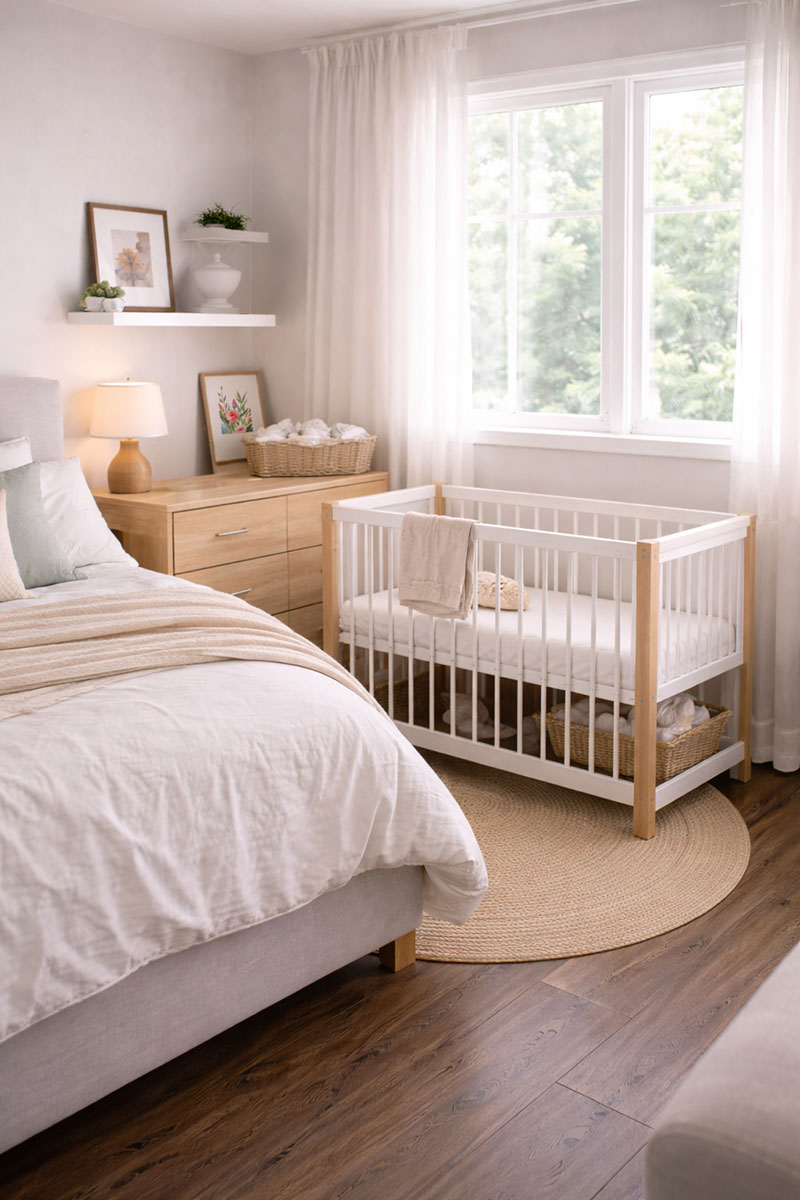
Now is the part where you get to simplify. The best next step is to decide which setup you are actually going to use in the first weeks, then let everything else wait. Many families do well with a small, clean sleep space near the parents’ bed, plus a basic storage plan for diapers and clothes. A separate nursery can still happen later, but it doesn’t have to happen first.
For most families in the United States, the decision comes down to this: a separate nursery is optional, not required, and choosing a simple sleep setup that fits your actual home is usually the more realistic starting point.
This page focuses on practical planning questions parents in the United States ask when deciding whether to set up a nursery, not on product instructions, room construction, or medical or safety certifications.
If you’re stuck because you feel like you “should” buy more furniture, it may help to read How much baby furniture do you need and Do you really need a changing table. Those two pages tend to calm the noise down.
What to do next, near the end: choose your sleep space plan first, then decide whether a nursery room would truly improve your daily life or just add pressure and extra stuff.
By the time most parents step back and look at their space honestly, the question of do you actually need a nursery usually feels much simpler than it did at the beginning. If you end up building a nursery later, it will feel easier because you’ll be building it from real use, not guesswork. And that’s usually when it turns out best.
When you click on links to various merchants on this site and make a purchase, this may result in this site earning a commission. This does not affect the price you pay.

UBGI Gold Standard 2026
Reviewed under the site's
editorial checklist.
Photos, decorating ideas, party setups and reader submissions are shared for inspiration unless a page is specifically presented as a pattern, tutorial, reference guide or step-by-step project. Follow the instructions, measurements, safety guidance and manufacturer directions provided for the particular project or product.
About Jan | Contact | Baby Nursery Ideas (Blog) | Site Map | Privacy Policy | Disclosure Policy | Disclaimer | Affiliate Disclosure | Earnings Disclosure | Facebook | Pinterest
I am a participant in the Amazon Services LLC Associates Program, an affiliate advertising program designed to provide a means for us to earn fees by linking to Amazon. As an Amazon Associate I earn from qualifying purchases.
Copyright © 2006-2026. All Rights Reserved.