Best Mini Crib Mattress: How to Choose a Safe Option for Small Cribs
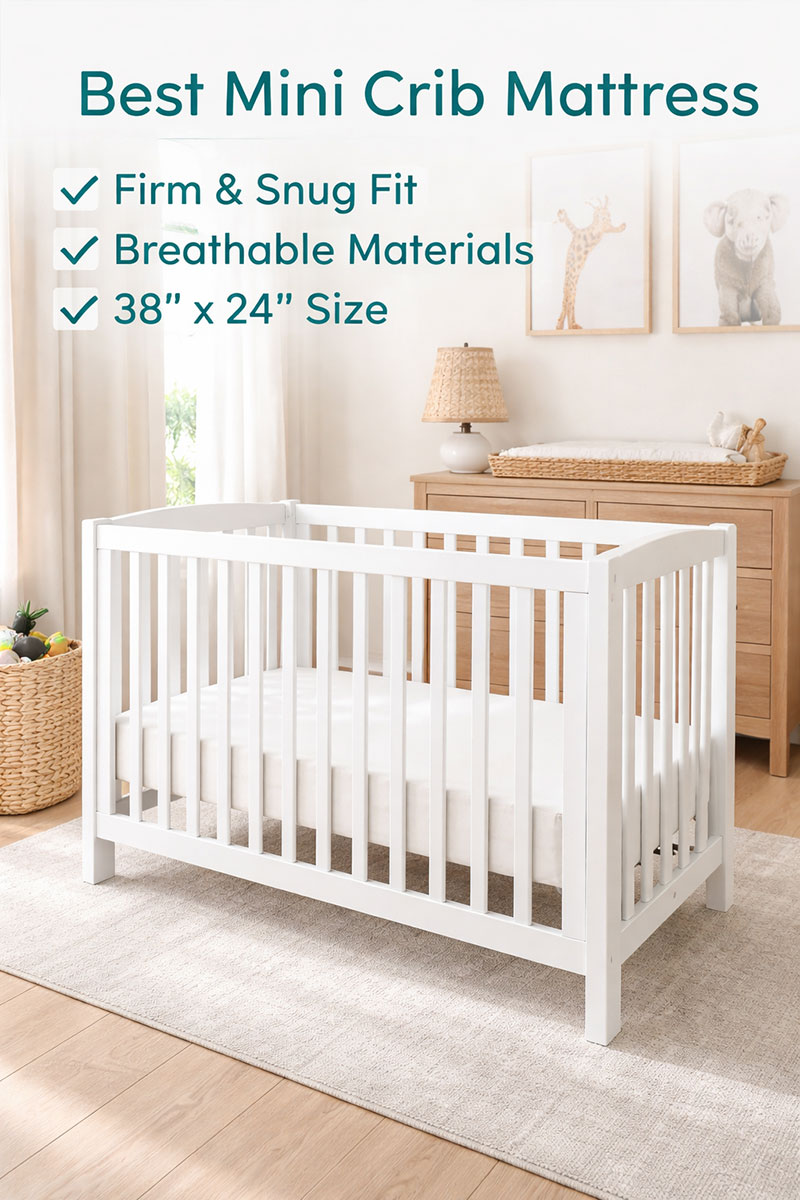
The best mini crib mattress should fit snugly, feel firm, and support safe sleep for babies in smaller cribs. Mini cribs are popular in apartments, shared bedrooms, and compact nurseries because they take up less space than standard cribs. But even though the crib is smaller, the mattress still needs to meet the same safety expectations for firmness, fit, and breathable materials so babies sleep safely and comfortably.
A mini crib mattress is only a good choice if it fits tightly and stays firm, because even a small gap can create a real safety problem.
Trying to buy a mini crib mattress without making an expensive mistake? Start here:
What size mini crib mattress do you need?
What makes mini crib mattresses different?
How do you know if it fits correctly?
See a preferred mini crib mattress
On this page:
What Is the Best Mini Crib Mattress?
Mini Crib Mattress Size and Fit
Why Firmness Matters for Infant Safety
What Is the Best Mini Crib Mattress?
A mini crib mattress is a firm, snug-fitting mattress made specifically for mini cribs, typically measuring about 38 by 24 inches.
The best mini crib mattress is a firm mattress designed specifically for smaller cribs and portable mini cribs. It should fit snugly against the sides of the crib, support safe infant sleep, and use durable materials that hold their shape over time.
A safe mini crib mattress should meet several basic safety expectations.
- Firm surface that does not sink under a baby's weight
- Snug fit that leaves little or no visible gap
- Breathable or waterproof cover for easy cleaning
- Low-VOC materials that meet modern safety standards
The mattress must fit the crib properly. A loose mattress can create dangerous gaps along the edges. For a breakdown of how mini crib mattresses are categorized, sized, and compared across different setups, this mini crib mattress overview explains the key differences to look for before choosing one.
Fit matters more than brand.
Parents who want a deeper explanation of how crib mattresses work can also review the main crib mattress safety guide, which explains firmness, sizing rules, and material differences.
Parents comparing compact options to full-size models can also read my best crib mattress comparison guide for a broader look at fit, firmness, and material choices across crib mattress types.
Mini Crib Mattress Size and Fit
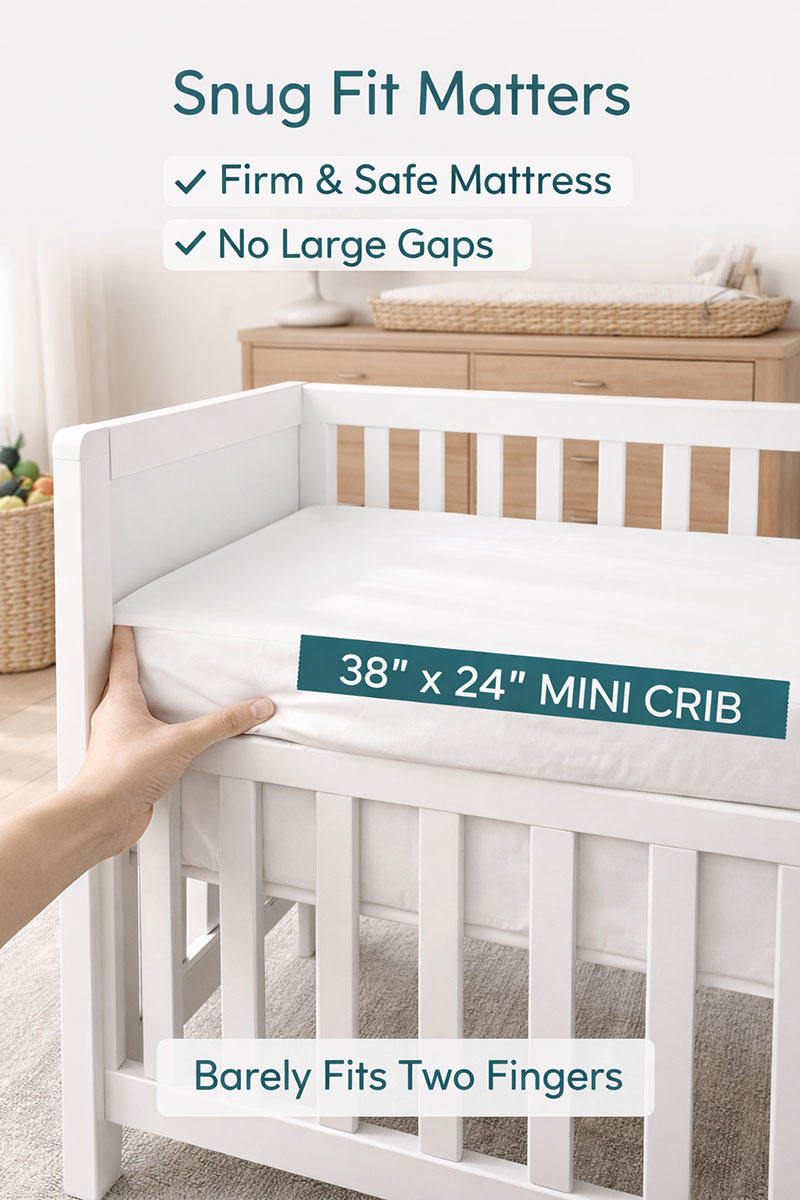
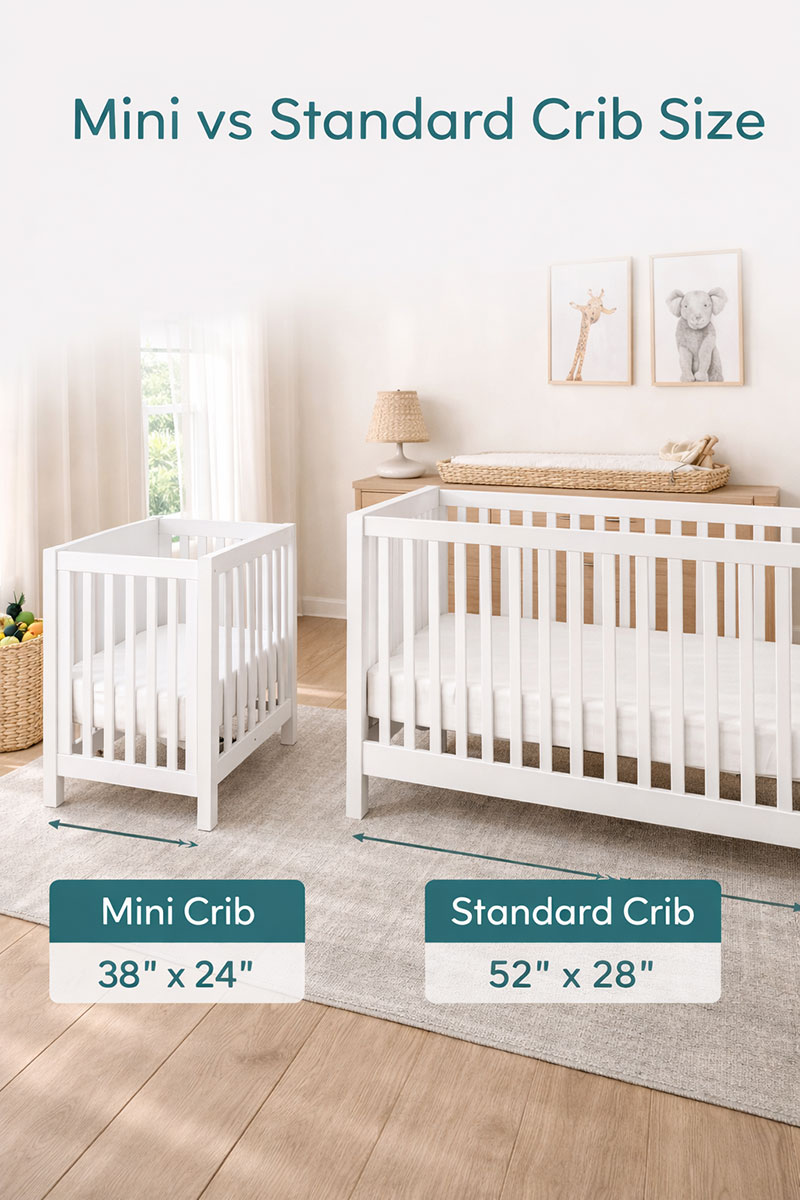
Mini crib mattresses are smaller than standard crib mattresses, which is why they are commonly used in small nurseries and apartments. Most mini crib mattresses measure about 38 inches long and 24 inches wide, although exact dimensions can vary slightly by manufacturer.
For more coverage as to how these smaller mattresses compare, read my mini crib mattress guide.
For a more detailed look at mini crib mattress dimensions, this guide explains the common size ranges and why checking exact measurements matters before you buy.
A proper fit is the most important safety rule.
If you can easily slide two fingers between the mattress and the crib frame, the mattress may be too small. A snug fit helps prevent babies from rolling into a gap along the side.
The U.S. Consumer Product Safety Commission recommends that crib mattresses fit tightly inside the crib frame to reduce the risk of entrapment.
Parents who want more detail about crib sizing can also review standard crib mattress size, which explains the dimensions used for most baby beds.
Why Firmness Matters for Infant Safety
Babies should always sleep on a firm mattress.
Parents who want a deeper explanation of firmness and support can review crib mattress thickness and firmness, which explains how firmness protects infant sleep safety.
Soft surfaces can increase the risk of suffocation and unsafe sleep positions.
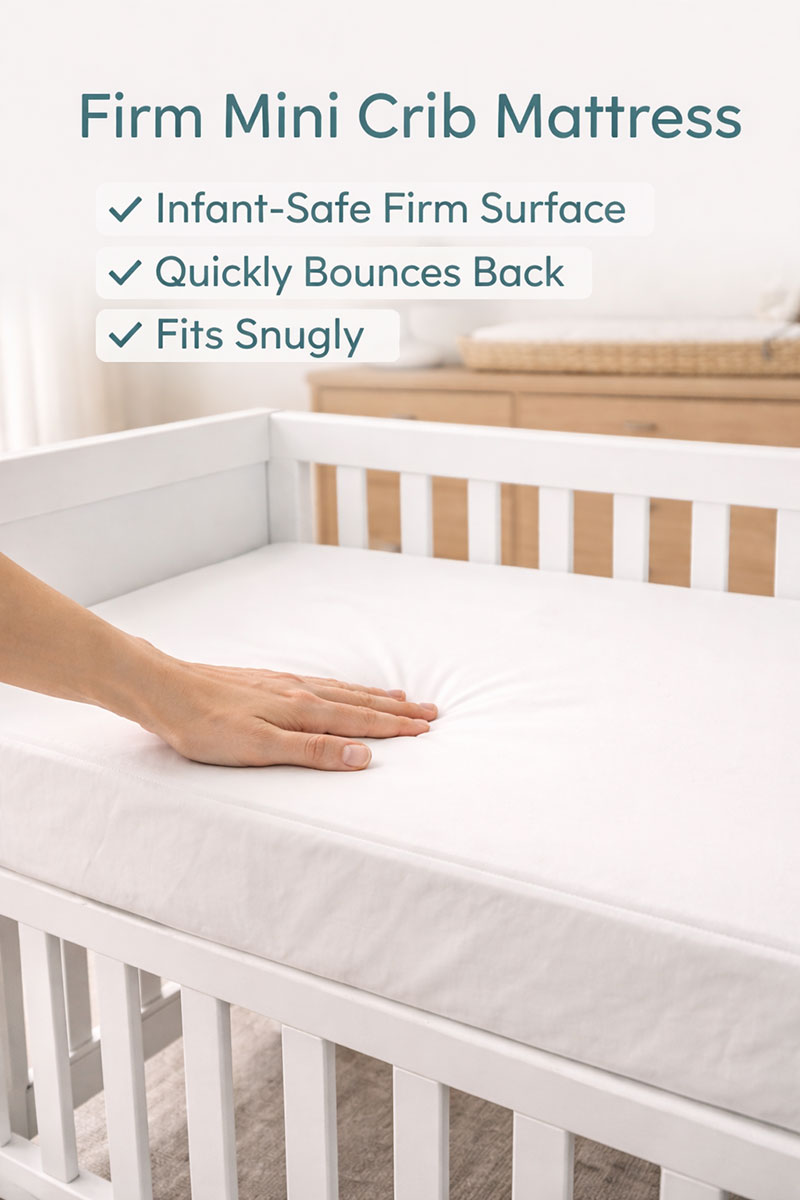
A firm mini crib mattress keeps the baby's airway clear and helps support the developing spine. When you press down on the surface with your hand, the mattress should quickly return to its original shape.
Most pediatric safety guidance recommends a firm sleep surface with a tight fitted sheet and no extra bedding.
Parents comparing mattress styles may also want to read breathable vs foam crib mattress, which explains the differences between common crib mattress designs.
Parents sorting through airflow claims may also want to read are breathable crib mattresses safe for a clearer look at what breathability does and does not mean for infant sleep safety.
Simple is safest.
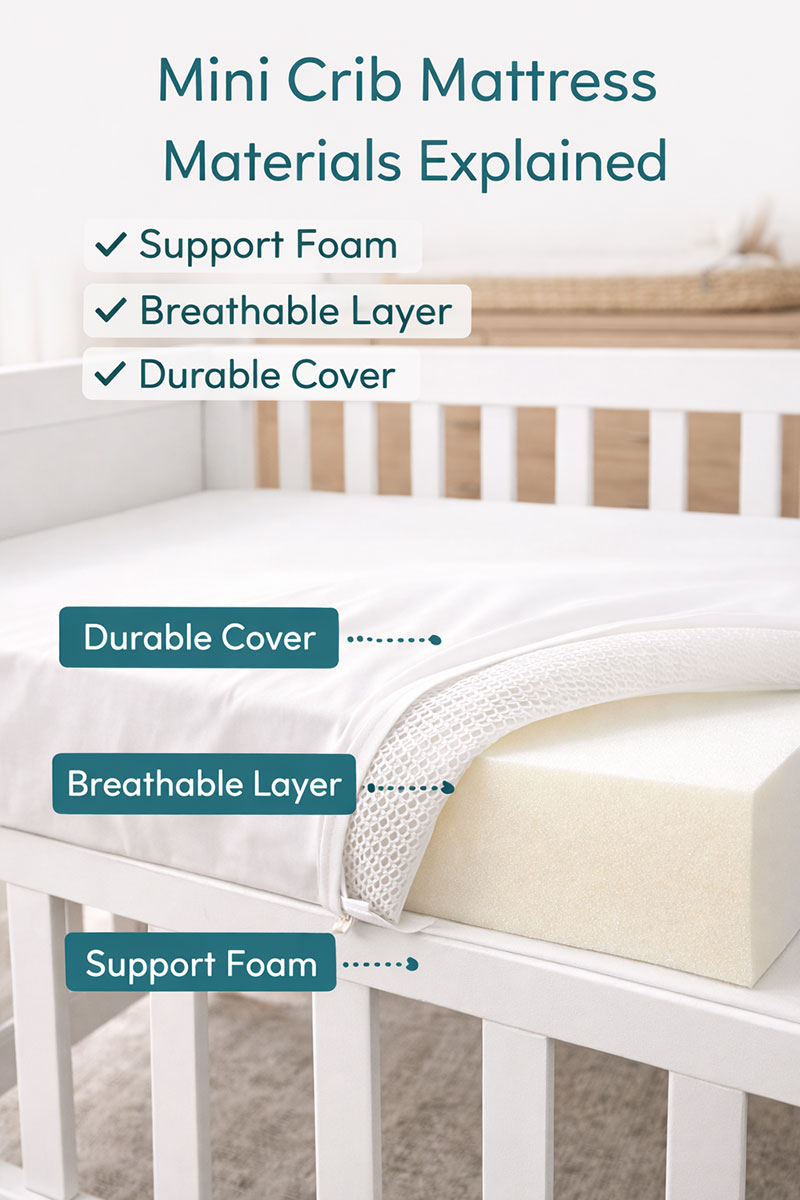
Mini Crib Mattress Materials Explained
Mini crib mattresses are made with several types of materials. Each option has different durability and comfort characteristics.
Foam mattresses are lightweight and often less expensive. They are easy to lift when changing sheets and are common in portable mini cribs.
Innerspring mattresses contain coils inside the mattress. They are typically heavier and may provide stronger long-term support.
Breathable mattresses use mesh or airflow layers designed to improve ventilation.
Many parents also look for mattresses that are certified for low chemical emissions. Programs such as GREENGUARD test products for indoor air quality standards.
For families who also want to compare low-emissions crib frames, GREENGUARD Gold certified cribs can help you evaluate the crib side of a cleaner-air nursery setup.
Parents interested in organic materials and low-emissions construction can also read my guide to Naturepedic crib mattresses for a closer look at one of the most recognized brands in this space.
The certification program is managed by UL Solutions GREENGUARD certification, which evaluates products used in homes, schools, and childcare spaces.
How to Choose the Best Mini Crib Mattress
The best mini crib mattress is not just the one with the nicest cover or the highest reviews. It is the one that fits your crib correctly, stays firm, cleans up easily, and does not leave unsafe space around the edges.
If you are looking at one specific option, compare it against four things first: exact dimensions, firmness, waterproofing, and whether the surface keeps its shape after regular use.
- Choose a mattress made specifically for mini cribs, not a standard crib mattress
- Measure your crib interior before you buy
- Look for a firm surface that springs back quickly
- Pick a cover that is easy to wipe clean after everyday messes
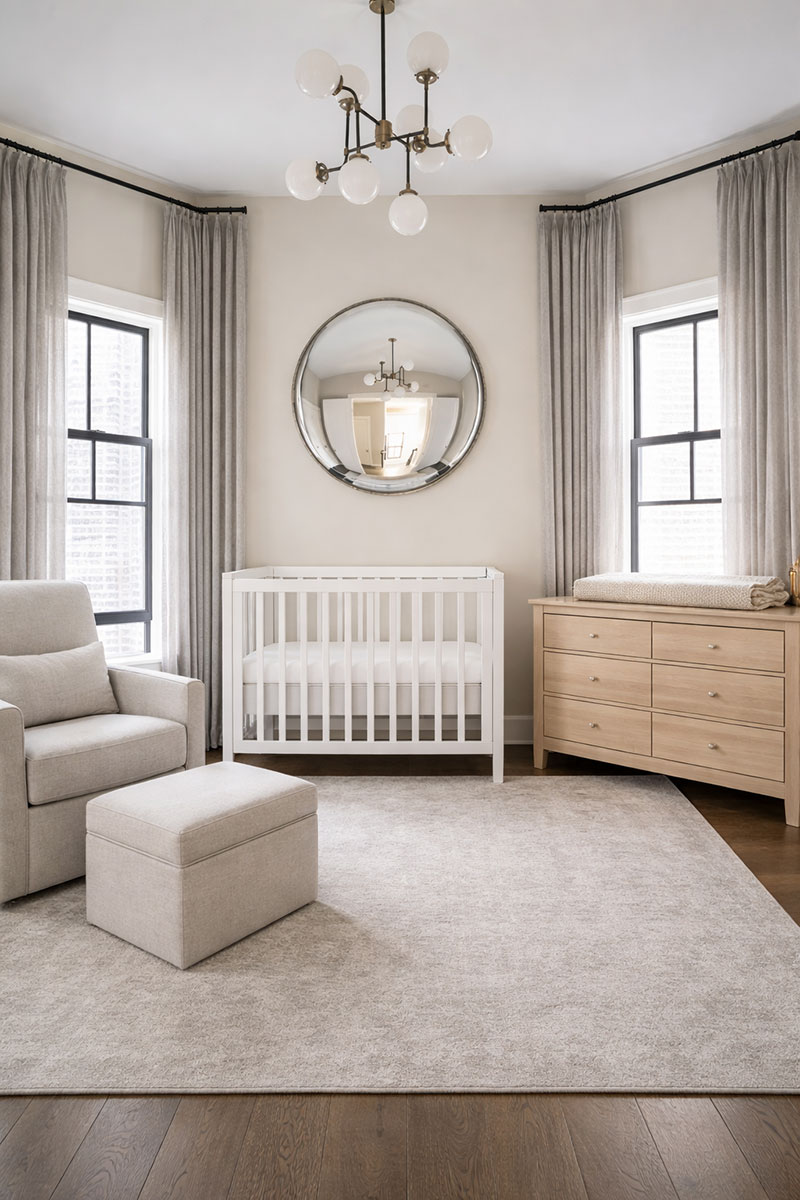
Mini crib mattresses are especially helpful in compact nursery layouts where floor space is limited. Parents planning a tight nursery layout can also explore cribs for small spaces to see how compact cribs fit safely into smaller rooms.
If you are also in the process of choosing the crib itself, my best mini cribs for small spaces page can help you match the mattress to the right crib style.
Mini Crib Mattress FAQ
Are mini crib mattresses a standard size?
Mini crib mattresses are generally around 38 by 24 inches, but exact dimensions can vary slightly. Always check the crib manufacturer's specifications to ensure a snug fit.
Can you use a regular crib mattress in a mini crib?
No. Standard crib mattresses are much larger and will not fit mini cribs properly. Using the wrong size mattress can create unsafe gaps along the sides.
How firm should a mini crib mattress be?
A mini crib mattress should feel firm and supportive. When pressed down, the surface should quickly return to its original shape.
Do babies outgrow mini crib mattresses?
Many babies use mini cribs for the first year or longer depending on the crib design and weight limits. Some convertible mini cribs later transition into toddler beds.
Parents planning long-term crib use can also review when to replace a crib mattress, which explains the signs that a mattress has worn out and when it should be replaced for safe sleep.
When you click on links to various merchants on this site and make a purchase, this may result in this site earning a commission. This does not affect the price you pay.

UBGI Gold Standard 2026
Reviewed under the site's
editorial checklist.
Photos, decorating ideas, party setups and reader submissions are shared for inspiration unless a page is specifically presented as a pattern, tutorial, reference guide or step-by-step project. Follow the instructions, measurements, safety guidance and manufacturer directions provided for the particular project or product.
About Jan | Contact | Baby Nursery Ideas (Blog) | Site Map | Privacy Policy | Disclosure Policy | Disclaimer | Affiliate Disclosure | Earnings Disclosure | Facebook | Pinterest
I am a participant in the Amazon Services LLC Associates Program, an affiliate advertising program designed to provide a means for us to earn fees by linking to Amazon. As an Amazon Associate I earn from qualifying purchases.
Copyright © 2006-2026. All Rights Reserved.