Free Fall Quilt Patterns: Pumpkins, Leaves, Acorns & Thanksgiving
By Jan Bay
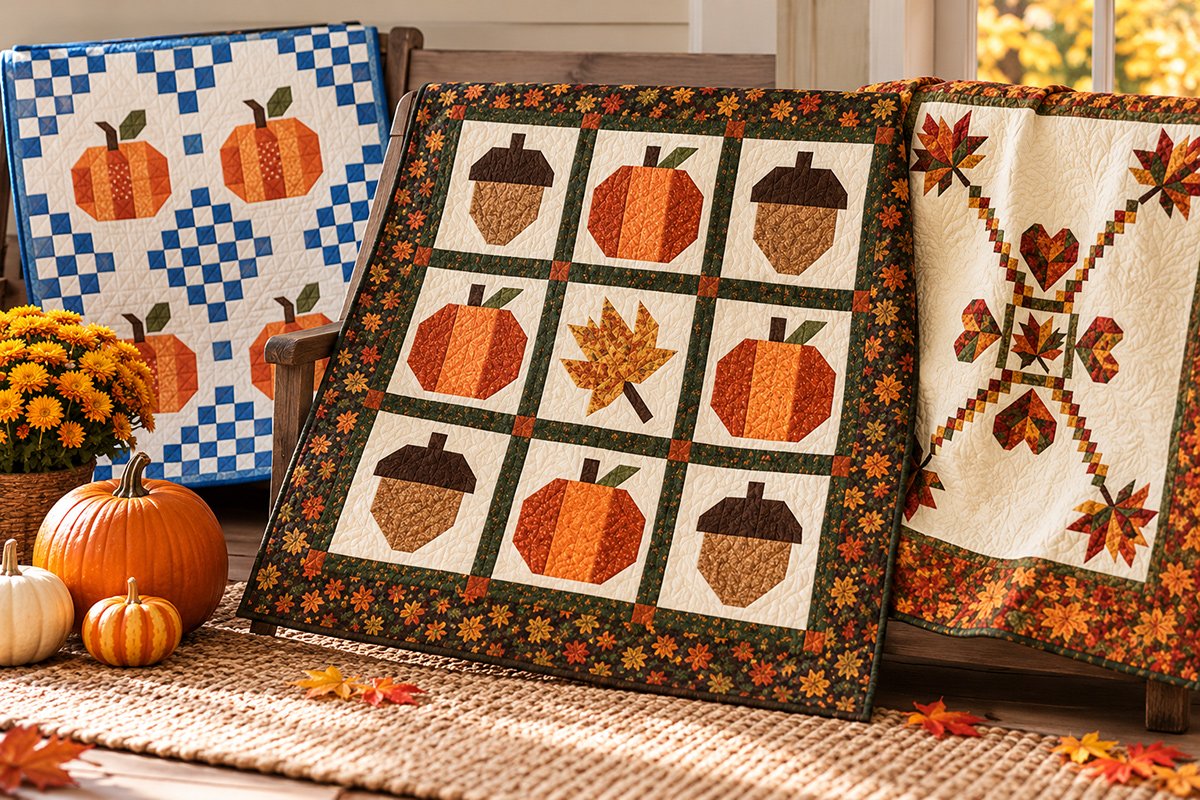
These free fall quilt patterns bring pumpkins, maple leaves, acorns, harvest patchwork and Thanksgiving designs together in one collection. Choose a complete autumn quilt, a smaller seasonal wall hanging or individual quilt blocks to mix and match into your own patchwork design. Each project has its own pattern page with instructions to help you get started.
More Free Quilt Patterns
See Supplies for These Projects Here.
Free Fall Quilt Patterns
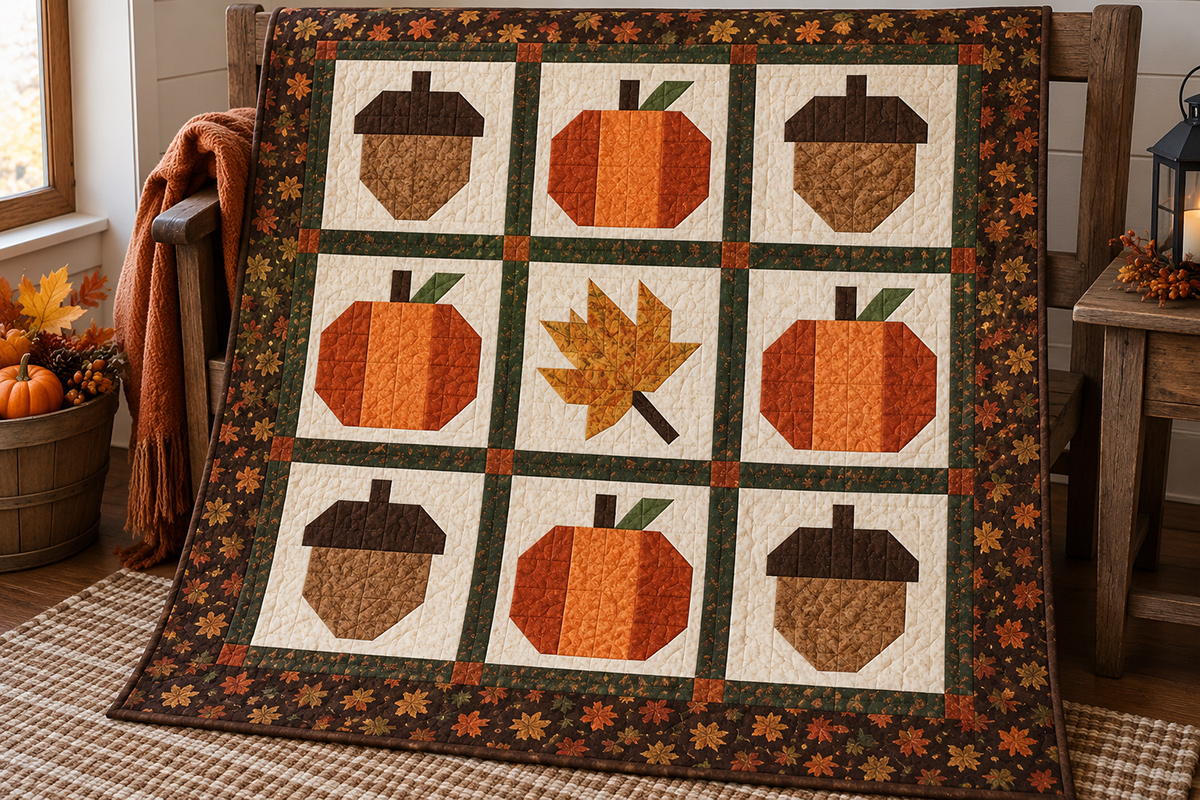
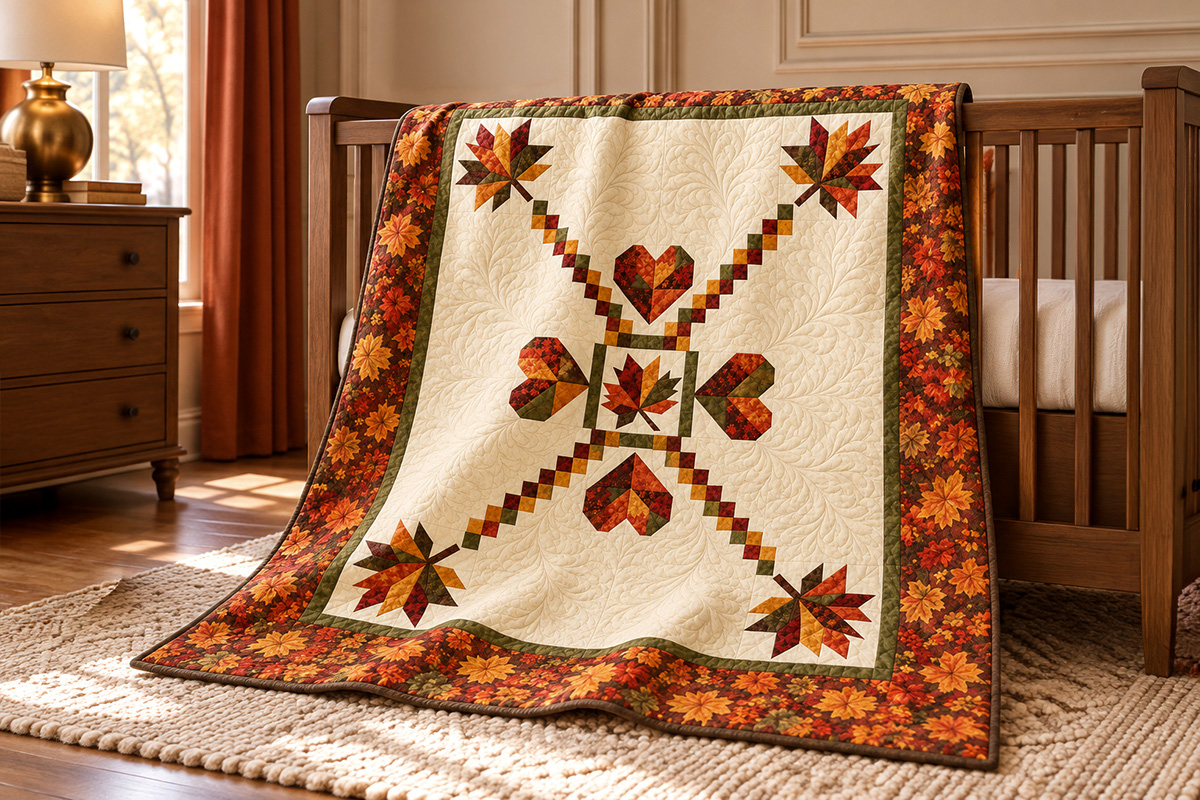
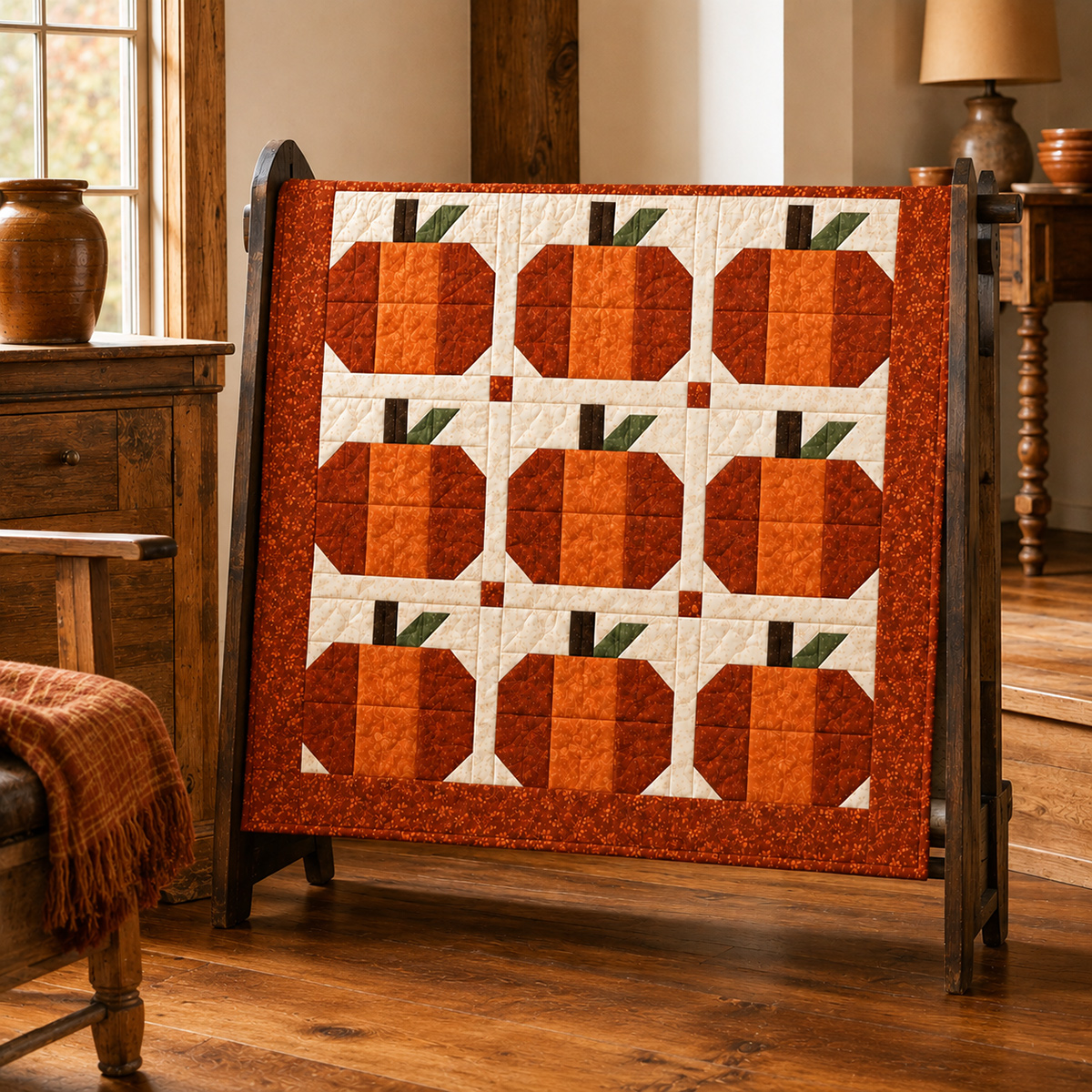
Pumpkins, acorns, maple leaves and colorful patchwork make these quilts a natural fit for autumn decorating. Choose a complete quilt pattern below to see the design, construction details and instructions.

Free Fall Quilt Block Patterns
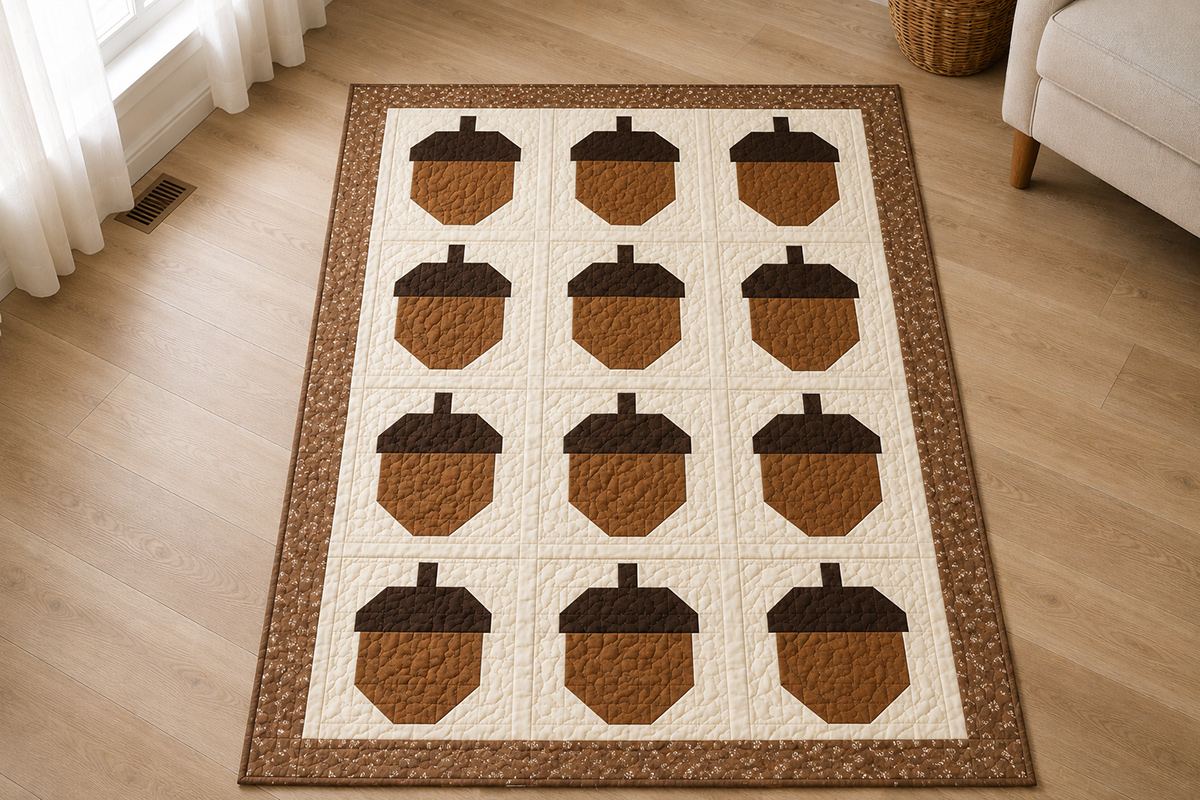
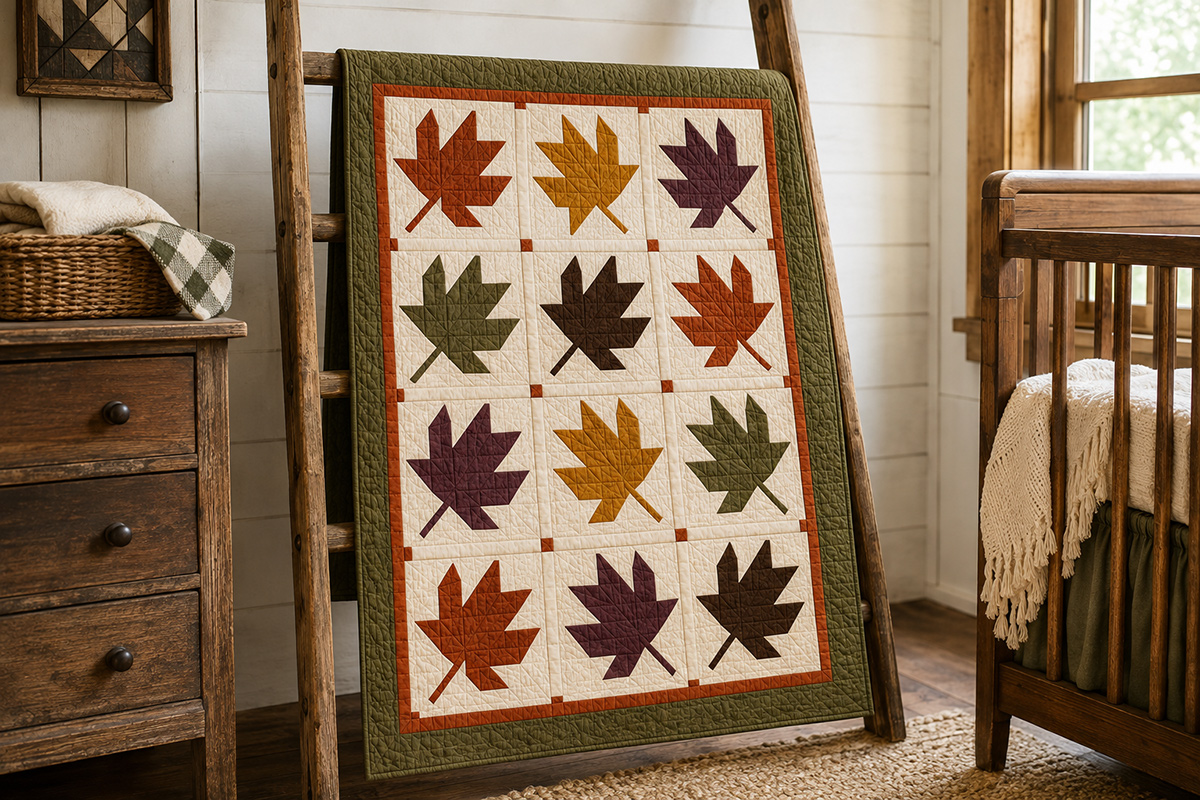
Individual pumpkin, acorn and maple leaf blocks are useful for building a custom autumn quilt or combining with other seasonal patchwork designs. These patterns focus on the blocks themselves rather than a single finished quilt layout.
Free Thanksgiving Quilt Pattern
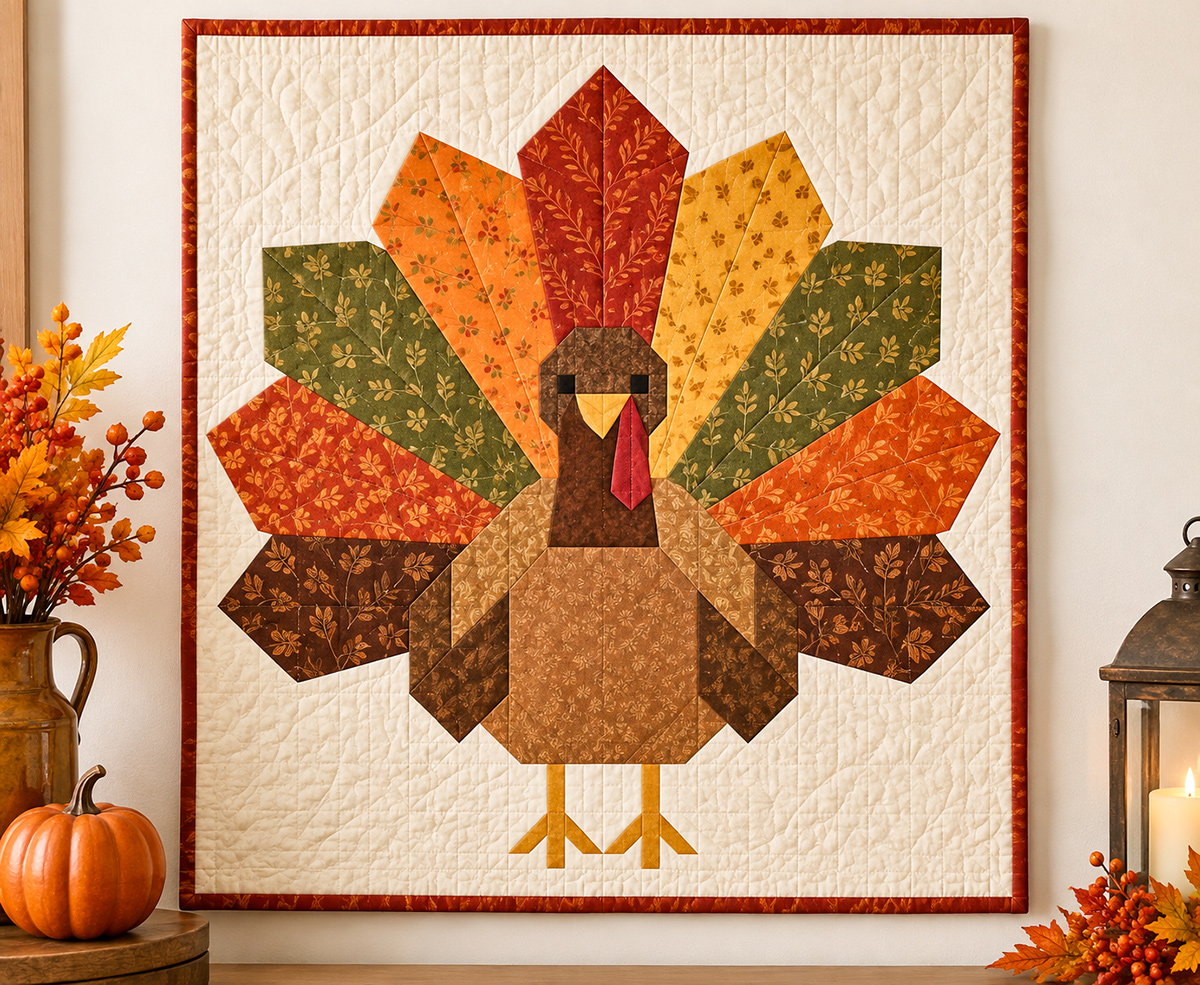
Bring a little handmade charm to Thanksgiving decorating with this turkey quilt wall hanging. The colorful pieced feathers and warm harvest fabrics make it a cheerful seasonal project without requiring a full-size quilt.
Which Free Fall Quilt Patterns Should You Choose?
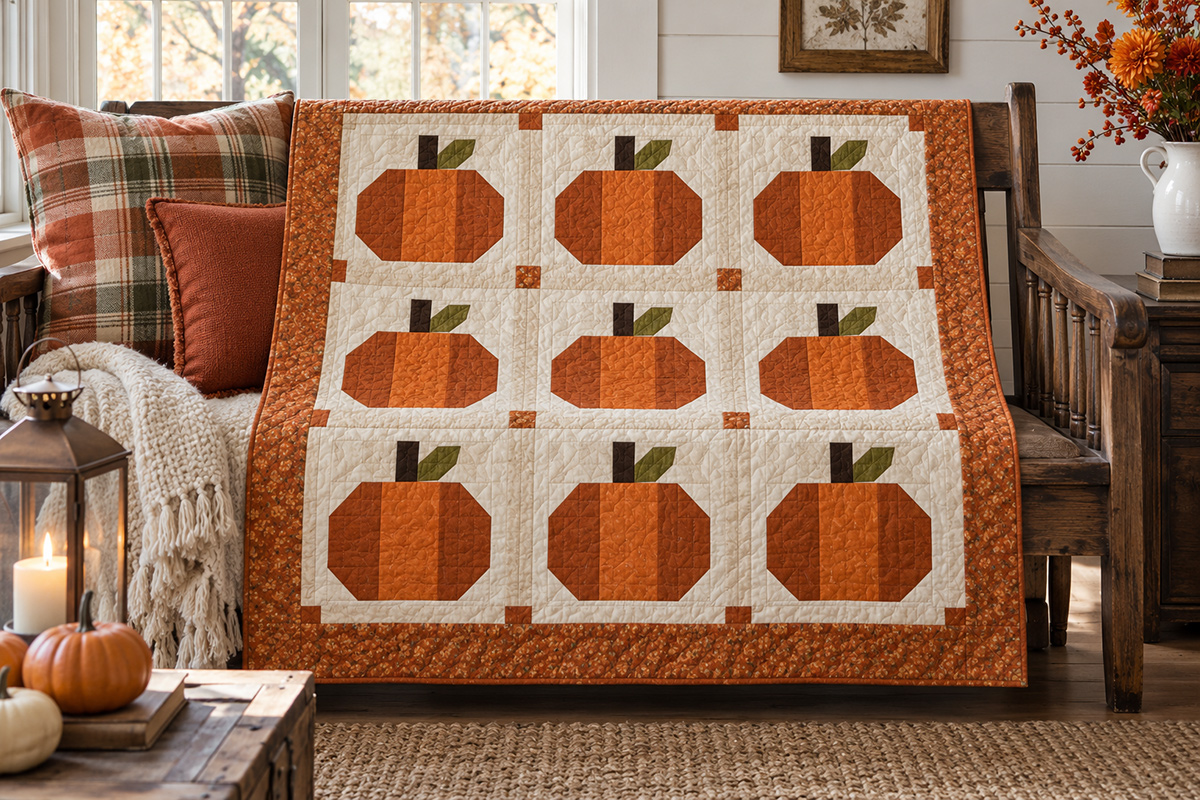
If you love several autumn motifs and don't want to choose between them, I'd start with the Fall Harvest Quilt. It brings pumpkins, acorns and maple leaves together in one design. The Hearts of Fall Quilt is another option if you want something that feels seasonal without relying entirely on pumpkins.
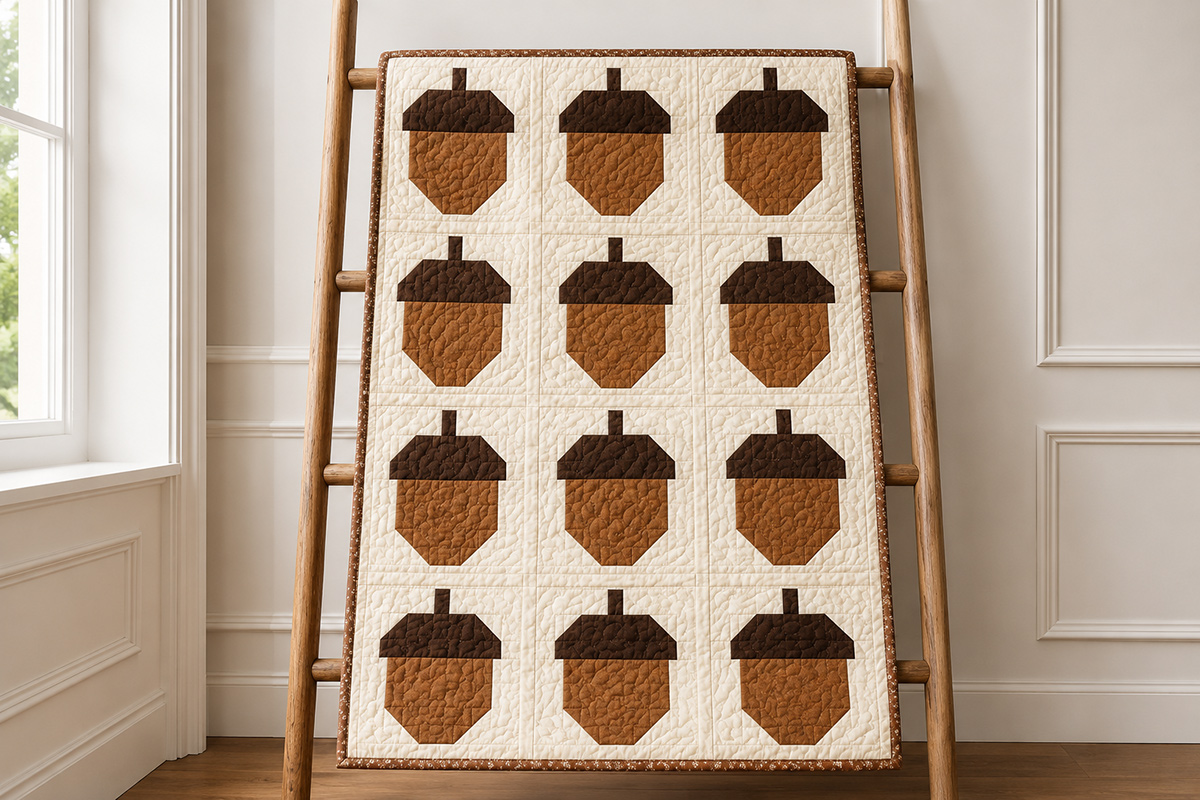
For a more consistent look, the Pumpkin Quilt and Acorn Quilt each repeat one main motif across the quilt. That repetition gives you a chance to concentrate on a particular block design rather than switching between several different shapes.
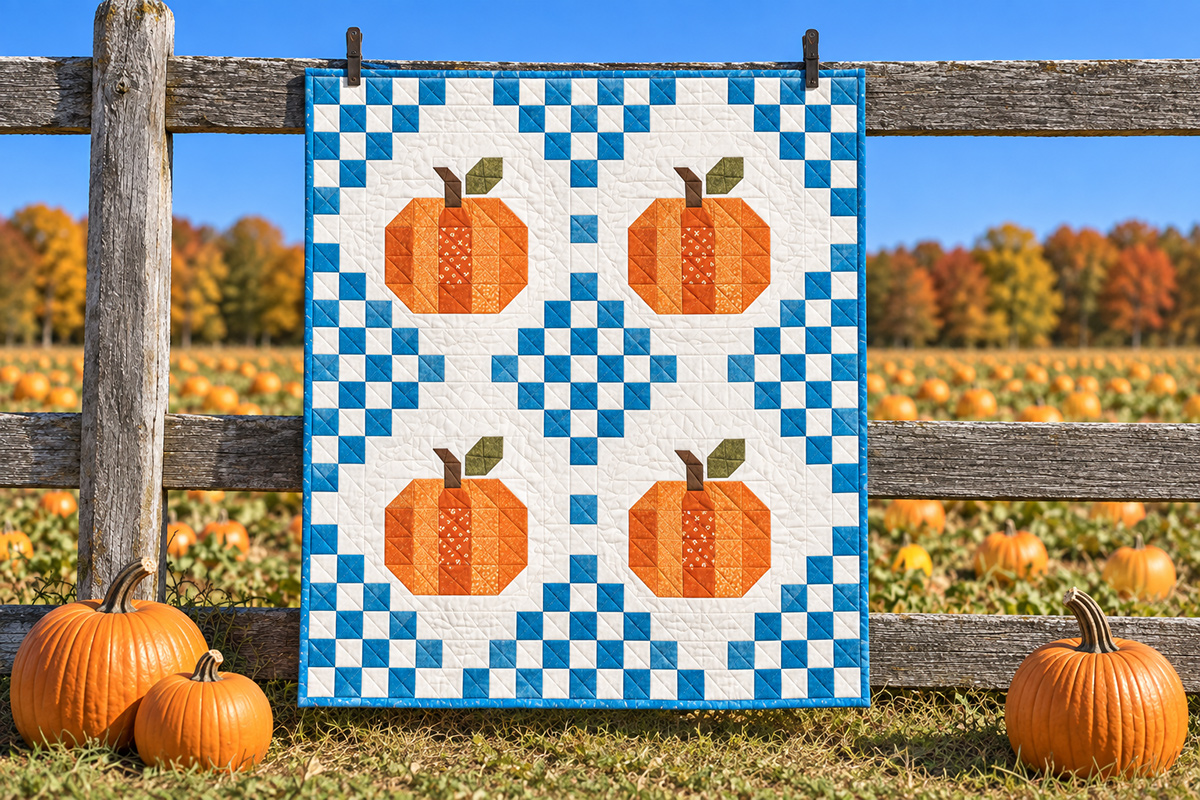
Don't overlook the Orange and Blue Pumpkin Quilt, either. The blue adds a different look to traditional pumpkin colors, especially if you don't want everything in rust, brown and gold.
The Apple Quilt is a good choice for a fall-inspired nursery project or handmade baby gift. Its repeated apple blocks give it a different personality from the more traditional harvest designs. If you're making it for a baby, use it for nursery display, supervised floor time or a keepsake, not as loose bedding in an infant's sleep space.
Make Your Own Quilt with Pumpkin, Acorn and Maple Leaf Blocks
You don't have to follow one complete quilt layout if you'd rather put together something of your own. The separate pumpkin, acorn and maple leaf quilt block patterns give you several autumn shapes to work with.
I'd make one block of each design first and lay them out together before cutting fabric for an entire quilt. You'll get a much better idea of which colors and shapes look good beside each other, and you can check whether the blocks finish at compatible sizes.
Check the finished measurements before combining blocks. Two quilt blocks can look similar in a photograph and still have different cutting dimensions. If they don't finish at the same size, you'll need to adjust the layout or add framing strips before joining them.
For example, a block designed to finish at 12 inches generally measures 12 1/2 inches before joining when the pattern uses 1/4-inch seam allowances. Keep the difference between finished and unfinished measurements in mind when calculating rows, sashing and borders.
Arrange the blocks on a table or design wall before sewing them together. Try alternating pumpkins and acorns, placing maple leaves between the other motifs, or keeping one design in the center with the others around it. You don't need to use every design in the same quilt.
If you're combining blocks for the first time, the American Quilter's Society guide to assembling quilt blocks explains how to identify smaller pieced units and keep them oriented correctly during sewing.
Choosing Fall Quilt Fabrics and Colors
Traditional fall colors are a natural starting point, but you can change the character of a quilt quite a bit just by changing the background fabric.
For a warm harvest look, try pumpkin orange, cinnamon, mustard, olive green and a soft ivory background. Brown acorns and golden leaves fit right into that combination.
If you'd rather have something lighter, use ivory as the main background and bring in smaller amounts of rust, muted green and gold. The individual autumn shapes will be easier to see without so much color competing around them.
Blue is worth considering, too. The Orange and Blue Pumpkin Quilt shows how a cooler color can give familiar fall patchwork a different look.
My preference would be to choose the background fabric first, then pull three or four coordinating colors for the blocks. You can add a print or two after that. Too many different fabrics can make the individual pumpkin, leaf and acorn shapes harder to recognize.
Before cutting everything, lay a few pieces of your chosen fabrics beside one another. Check the contrast between the background and the appliqué or pieced shapes. A brown acorn against a dark rust background may disappear, while the same acorn against ivory will stand out clearly.
What You'll Need Before Starting a Fall Quilt
The exact fabric amounts and cutting measurements depend on which pattern you choose. Check the individual project instructions before buying yardage or cutting your blocks.
For most pieced quilt projects, you'll want quilting cotton, coordinating thread, a sewing machine, an iron, a rotary cutter, a cutting mat and quilting rulers. A completed quilt will also need backing fabric, batting and binding. If the pattern includes appliqué, check its instructions for any additional materials and the method used to attach those pieces.
I'd also check the finished quilt size before buying batting and backing. A small seasonal wall hanging needs considerably less material than a full quilt, and the borders can change the total dimensions more than you might expect.
Keep the cutting charts with their individual patterns. Don't assume that two pumpkin designs use the same measurements just because the finished blocks look similar.
Thanksgiving Quilts and Smaller Autumn Projects
A full quilt isn't always what you need. If you're decorating for Thanksgiving or want something you can finish and display without making a large quilt, the Turkey Quilt Wall Hanging is worth considering.
The turkey makes a cheerful seasonal centerpiece, and a wall hanging can be displayed without needing a bed or a large piece of furniture. You could also use individual autumn quilt blocks as the starting point for smaller decorative projects, provided you plan the finishing and backing for the item you're making.
If you're hanging a finished quilt, a properly attached hanging sleeve can distribute its weight across the upper edge. Avoid putting unnecessary strain on individual fabric pieces or seams.
Once the season is over, store your finished quilts clean and dry, away from direct sunlight and damp storage areas. Refolding occasionally along different lines can help prevent permanent creases.
A Fall Quilt You Can Bring Out Every Autumn
There's no reason to make every fall project the same size or use the same colors. One year you might want a pumpkin quilt for the sofa, and another year a turkey wall hanging or a few maple leaf blocks might be plenty.
Start with the pattern that makes you want to pull out your fabric. You can always come back for another one.
When you click on links to various merchants on this site and make a purchase, this may result in this site earning a commission. This does not affect the price you pay.

UBGI Gold Standard 2026
Reviewed under the site's
editorial checklist.
Photos, decorating ideas, party setups and reader submissions are shared for inspiration unless a page is specifically presented as a pattern, tutorial, reference guide or step-by-step project. Follow the instructions, measurements, safety guidance and manufacturer directions provided for the particular project or product.
About Jan | Contact | Baby Nursery Ideas (Blog) | Site Map | Privacy Policy | Disclosure Policy | Disclaimer | Affiliate Disclosure | Earnings Disclosure | Facebook | Pinterest
I am a participant in the Amazon Services LLC Associates Program, an affiliate advertising program designed to provide a means for us to earn fees by linking to Amazon. As an Amazon Associate I earn from qualifying purchases.
Copyright © 2006-2026. All Rights Reserved.