Easy Baby Quilt Patterns for Beginners (Giraffe Patchwork Crib Quilt Feature)
These easy baby quilt patterns are the styles beginners are most likely to finish beautifully, from giraffe and woodland themes to teddy bear and bunny quilts. Start with the one that fits your nursery or gift idea best.
Pick an easy quilt to start:


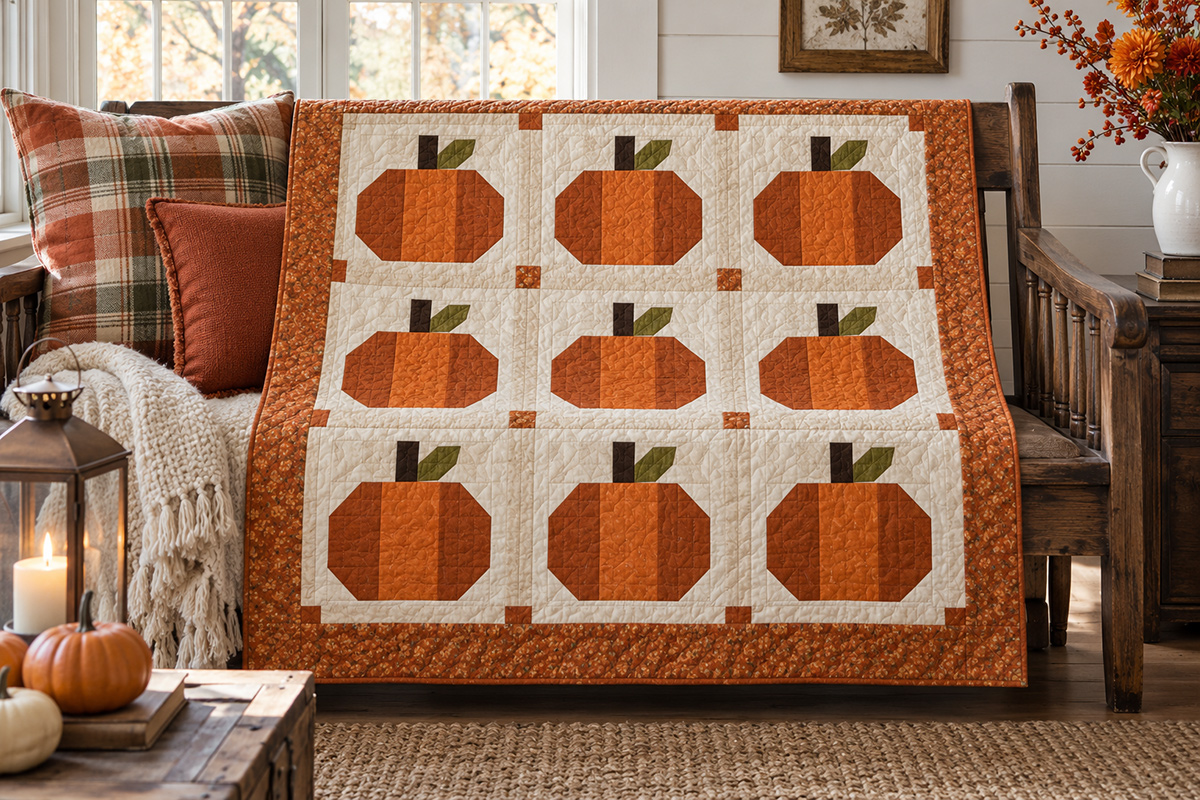
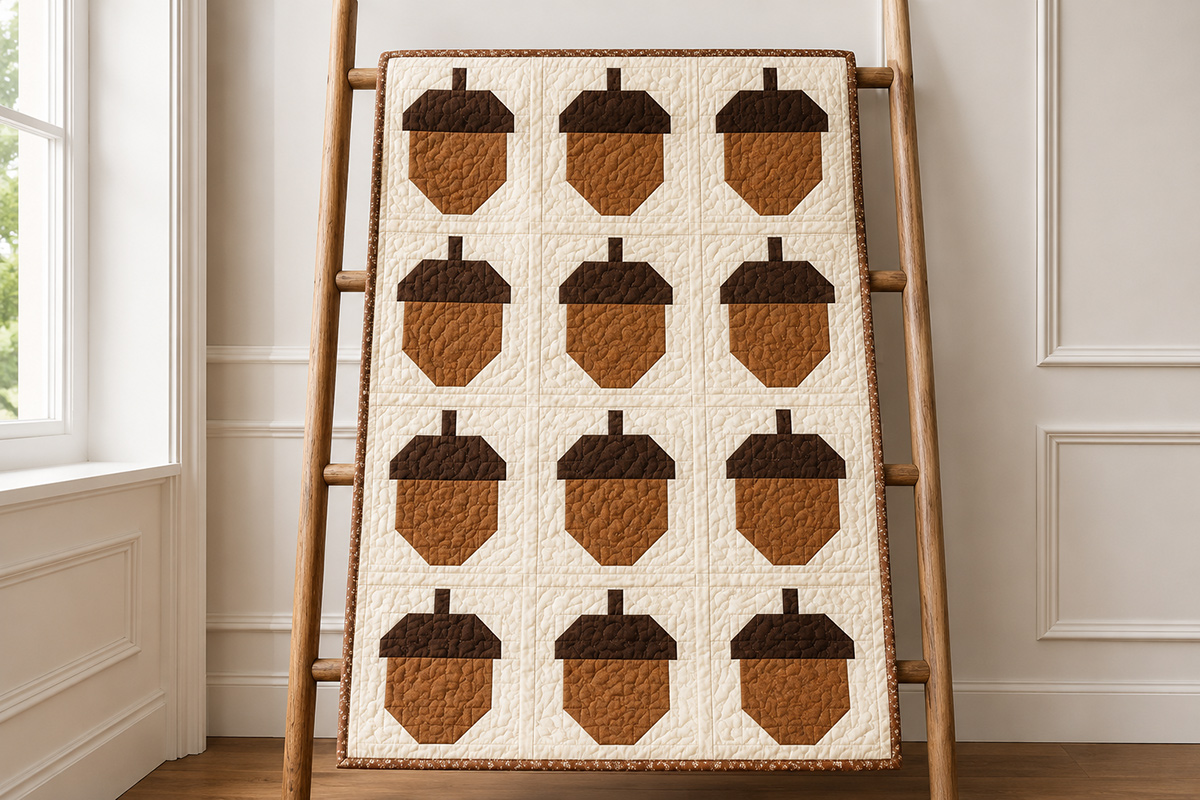

My featured, easy baby quilt patterns for beginners are a wonderful way to create something meaningful, practical, and beautiful for a new baby. If you’re just starting out with quilting—or looking for a gentle, confidence-boosting project, an applique or patchwork baby quilt is the perfect place to begin. In this collection, I’m featuring a giraffe patchwork crib quilt that combines simple shapes, soft fabrics, and a timeless design that works beautifully for nurseries, baby showers, and handmade gifts meant to be cherished.
If animals aren’t your taste and you’d rather go with something more modern and graphic, you might also love my modern rainbow crib quilt pattern. It uses bold, clean color blocks in a simple layout that’s still completely beginner-friendly.
This page is part of my broader collection of free baby patterns that focus on approachable, confidence-building handmade projects for babies and nurseries.
If you're specifically planning a quilt for a little guy’s nursery, you can browse my baby boy quilt patterns collection for themes that lean playful, classic, and easy to personalize.
For a more theme-specific option with playful vehicles and a nursery-friendly layout, see my construction truck quilt pattern page for ideas that still feel simple enough for a beginner project.
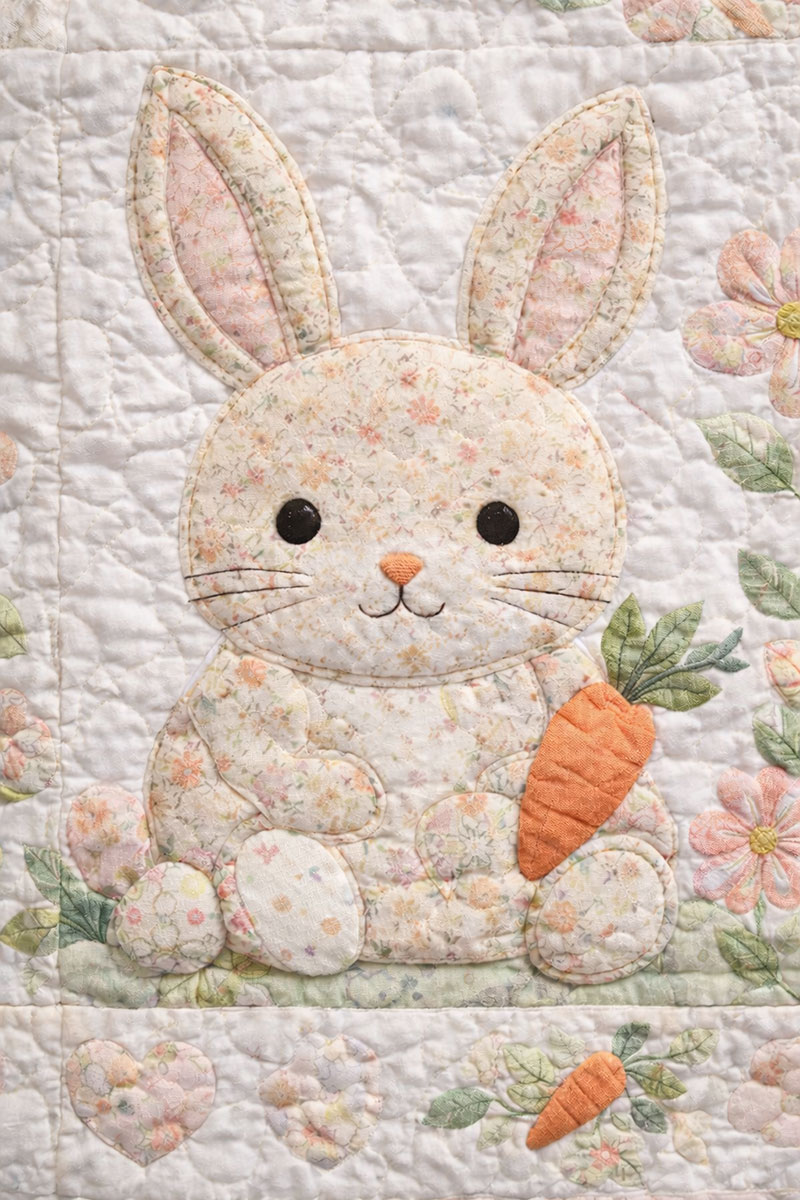
For a forest animal-themed project, see my bunny baby quilt pattern that is applique style and another favorite is the owl baby quilt pattern.
For more mix-and-match nursery animals, these easy animal quilt block patterns give beginners simple appliqué-style ideas for woodland, farm, ocean, safari, and classic baby quilt designs.
A barnyard version can be just as beginner-friendly, and this farm animal baby quilt pattern gives you a simple nursery quilt idea with sweet barnyard animals and soft crib quilt styling.
For lighter florals, soft pastels, and nursery ideas that feel especially fresh for the season, browse my easy spring crib quilt patterns collection for beginner-friendly inspiration. For a gentle project with a softer garden feel, try a beginner butterfly crib quilt pattern that adds pretty appliqué detail without making the design feel too complicated.
For an animal theme that includes colorful, sky-inspired elements, explore this hot air balloon safari animal quilt pattern.
When I recommend easy baby quilt patterns to beginners, I almost always point them toward simple patchwork designs or patterns that use appliques to add a gentle theme.
If you would rather make a traditional pieced block instead of appliqué, try my free maple leaf quilt block pattern. For a seasonal Halloween block made with the same pieced approach, use my free witch hat quilt block pattern.
>Most people are really hoping for the same three things—a quilt that feels special, steps that don’t feel overwhelming, and a finished piece that can handle everyday use. That’s the balance I’m aiming for on this page. I keep the approach simple without letting it feel flimsy, with clear choices, plain language, and a giraffe patchwork crib quilt idea you can proudly feature as nursery decor in a safari jungle or baby giraffe nursery theme.
What to do next (right now): pick the quilt style you want to make first—an easy patchwork quilt, a panel quilt, or an applique quilt—then match it to your time, your fabric stash, and the kind of gift you want to hand over with a smile.
Easy baby quilt patterns
Some baby quilts look beginner-friendly, but the steps sneak up on you. Tiny pieces. Fussy corners. A ton of matching. For a first project, I like patterns that use bigger blocks and simple seams. They still look polished when you spread them out, but you don’t feel like you’re doing math homework at the kitchen table.
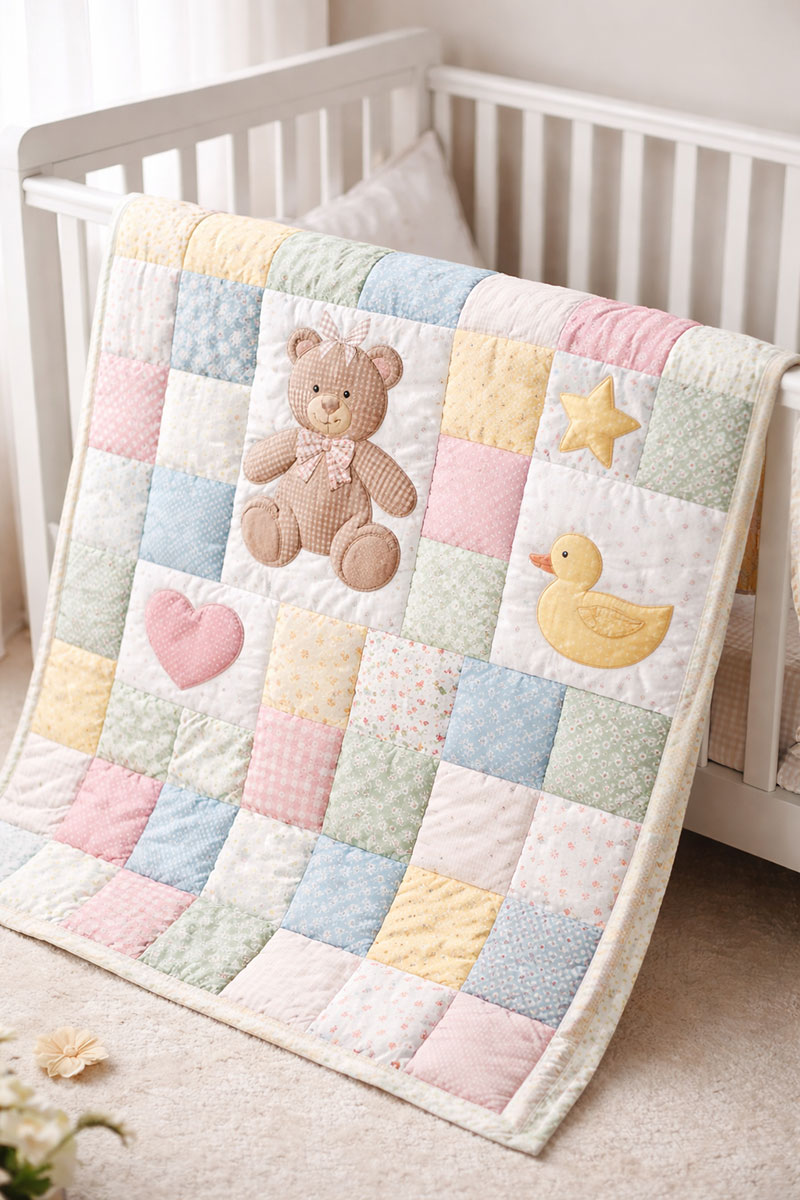
A simple project like a teddy bear patchwork crib quilt pattern follows that same beginner-friendly approach, using larger blocks and a familiar design so the quilt comes together smoothly without complicated piecing.
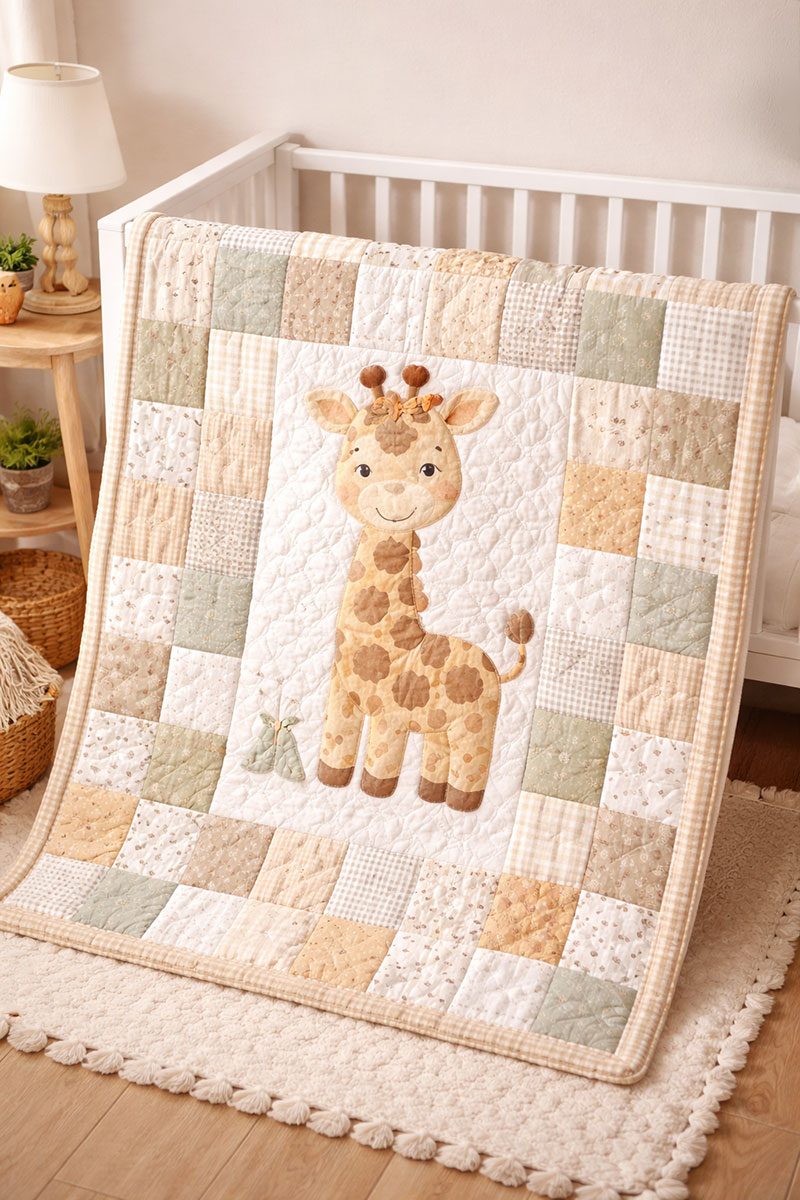
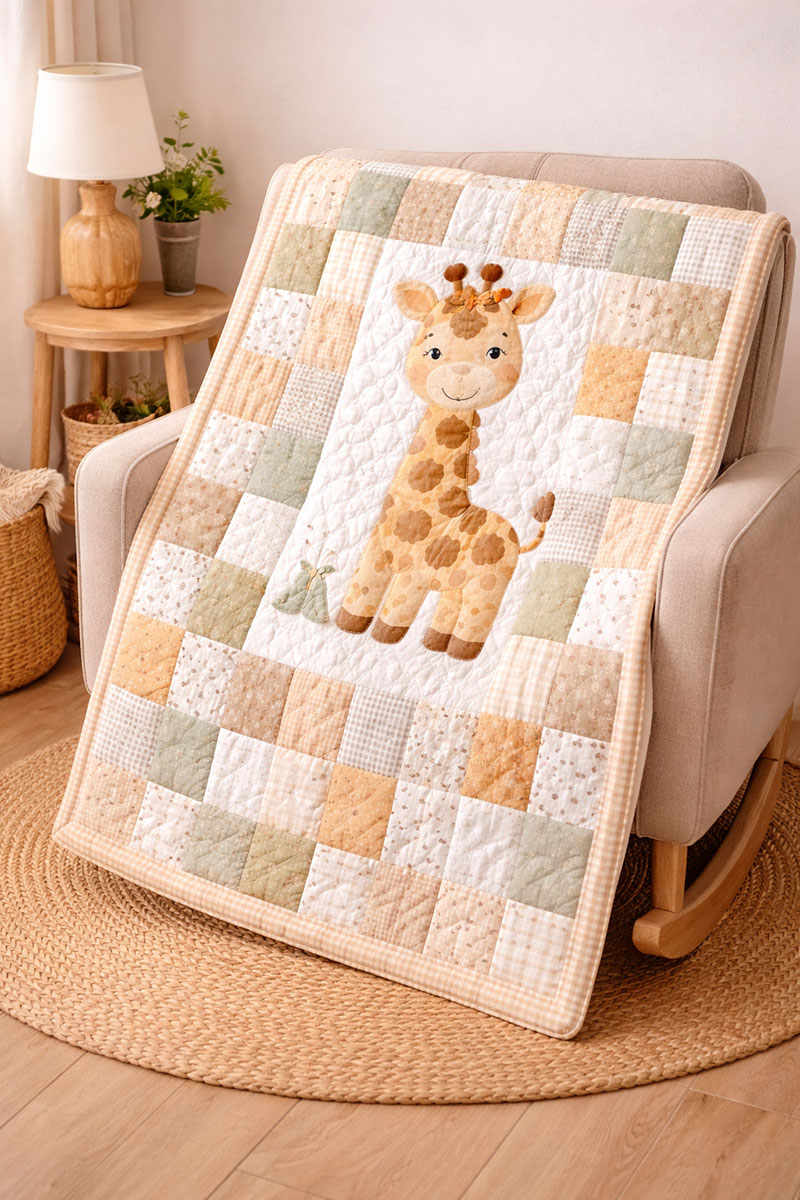
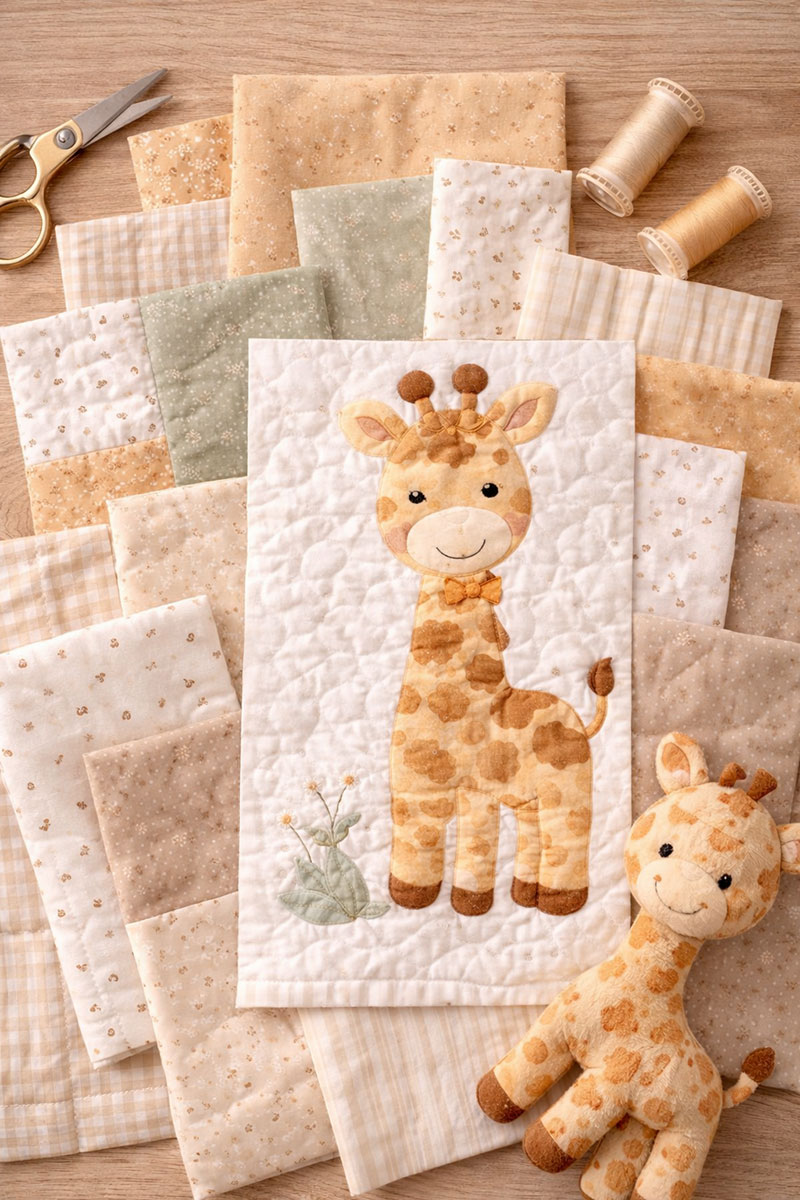
The giraffe patchwork crib quilt I’m featuring here is built around that idea. You get the cozy patchwork frame, then one sweet center feature that is applied via applique that makes the whole quilt feel like an heirloom keepsake. It’s nursery-friendly without looking like a loud product ad—and that matters to me, because handmade gifts should feel personal, not store-bought.
This page focuses on quilt design ideas and pattern inspiration rather than detailed sewing tutorials or construction guidance.
Featured quilt: the giraffe patchwork crib quilt
This quilt style is “patchwork border first, appliqued giraffe medallion second.” That order helps beginners, because the patchwork teaches the basics—straight seams, nesting, pressing—before you deal with anything fancy. If you are looking for an easy patchwork giraffe crib quilt pattern that works up fast AND easy, rather than applique the giraffe center, you can use a printed panel, or even a simple silhouette made from one piece of fabric with a giraffe pattern. The point is the same: one friendly giraffe that makes the quilt feel like part of the nursery's story.
I also like the giraffe theme because it blends with a lot of nursery styles. It works with soft neutrals, warm tan and cream, gentle sage, or even a calm periwinkle accent. If you want a nursery look to match, my giraffe decorating ideas live here: periwinkle blue giraffe nursery decor ideas.
Quick pattern pick
Start with a patchwork frame made from squares or rectangles. That’s the easiest way to get a quilt that looks balanced without lots of tricky cuts.
Then choose your giraffe center: applique giraffe, giraffe panel, or a simple giraffe block. One center feature is plenty. It keeps the quilt sweet and classic rather than busy.
Size and layout that makes sense for a crib quilt
Baby quilts get used in lots of ways. In the stroller, for tummy time, photos, and sometimes just folded on a chair.
For a clearer breakdown of the measurements that usually work best, see my crib quilt size guide.
That’s why I like a crib quilt size that isn’t tiny. A common range is roughly 36 x 45 inches up to about 45 x 60 inches, depending on the pattern. Big enough to feel generous, still small enough to quilt on a home machine.
The easiest layout is a “frame” layout: patchwork border around the outside, a calm center panel, and the giraffe feature sitting in the middle. This layout also helps hide small beginner mistakes. A slightly wobbly seam disappears when the quilt has a friendly focal point.
Fabric choices for the giraffe
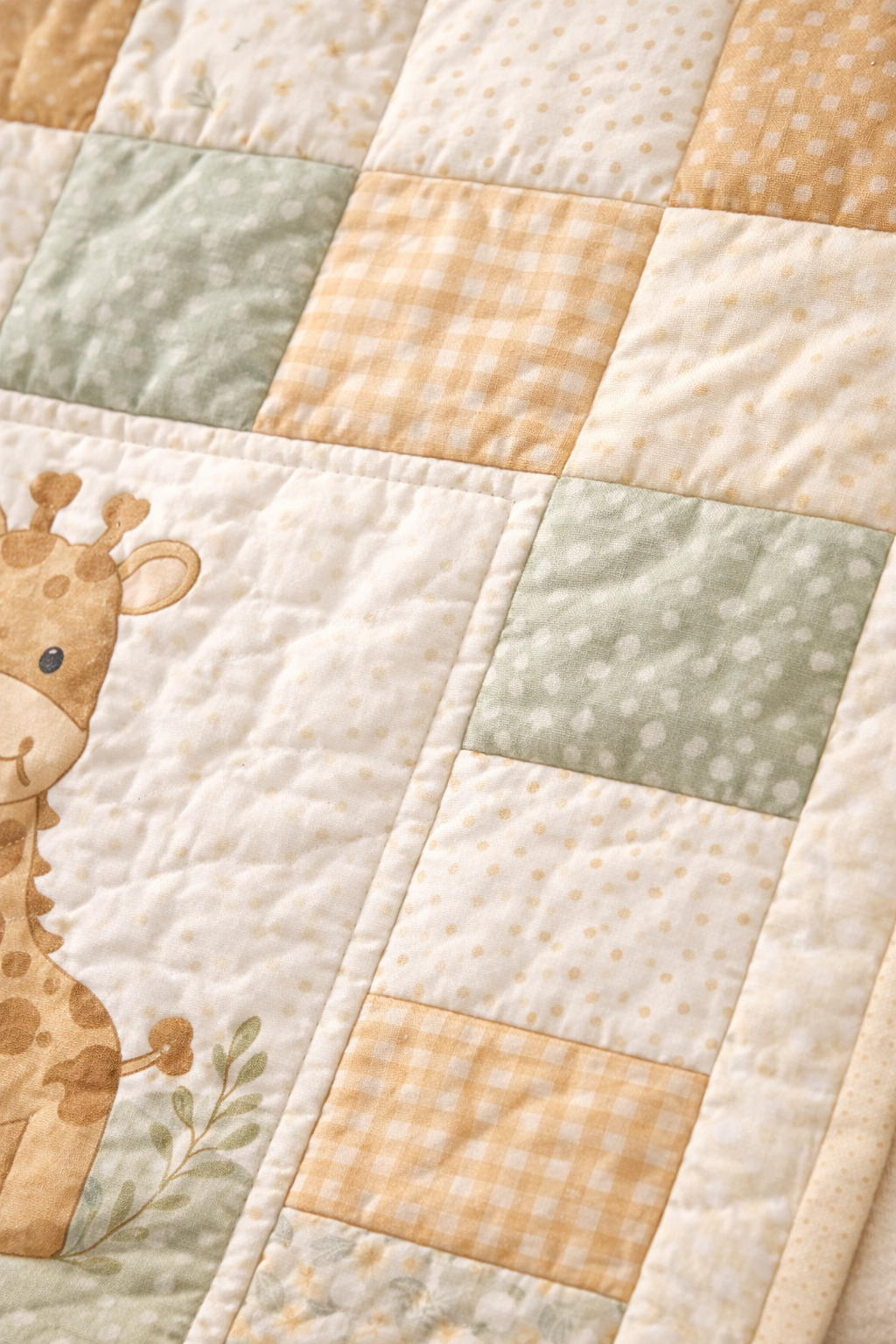
This is where a lot of baby quilts go sideways: the center feature gets lost because the patchwork is too busy. My fix is easy—keep the patchwork frame soft and simple, then let the giraffe be the “hello” moment.
Think small prints, tiny checks, gentle dots, and solids that look warm on camera. Cream, oatmeal, soft tan, pale sage, dusty peach, and a whisper of blue all play nicely with a giraffe theme. Save the boldest print for one or two blocks only.
Most parents choose
Most parents end up loving quilts that feel calm in the room. A soft palette looks good with white cribs, wood cribs, and even modern nursery furniture. It also photographs well for baby shower pictures.
When I’m choosing fabrics, I hold them up in daylight and check that the giraffe still stands out. That one little check saves a lot of second-guessing later.
My baby fabrics guide can help you compare cotton, flannel, muslin, fleece, and other fabric choices before you cut into a beginner baby quilt project.
“Did I Get the Correct Fabric and Notions?” A simple supply check before you cut anything
Quilting is more fun when you don’t feel like you wasted money. So here’s a quick “did I buy right” check that I use on my own projects. This part is boring, but it prevents the annoying moment where you’re halfway in and realize you’re short on backing fabric.
First: make sure you have enough fabric for the back in one piece, or a planned seam down the middle. Second: pick batting that matches how you want the quilt to feel—puffy, flat, or somewhere in the middle. Third: check your thread color in daylight. A thread that looks perfect at night can look too dark in the morning.
Quick fit check
Lay your fabric stack out and make a pretend quilt on the floor: center fabric, border fabrics, and one “pop” fabric for the giraffe accents. This takes two minutes and it tells you fast whether the colors fight each other.
What to do next: take one photo of your layout and walk away for an hour. When you look again, you’ll know what needs changing without overthinking it.
The cleanest beginner route: patchwork first, then the giraffe
I know it’s tempting to start with the cute part. But beginners usually get better results by making the patchwork frame first. It builds confidence and it helps your quilt look straight and tidy. Then you add the giraffe center once the quilt already looks like a quilt.
When you reach the finishing stage, this guide on quilting a baby quilt on a sewing machine can help you stitch the layers together in a simple, quick, beginner-friendly way.
If you’re doing applique for the giraffe, choose a simple shape and let quilting lines add the charm. If you’re using a panel, frame it with a calm solid fabric so it looks intentional, not like you just “stuck it in the middle.”
If you only remember one thing
Keep the patchwork calm so the giraffe can be the star. That one choice makes the whole quilt look more expensive and more finished, even when the pattern is simple.
Common beginner mistakes that are easy to avoid
Most beginner baby quilts don’t go wrong because of skill. They go wrong because of rushing. The fix is not complicated. Press seams as you go. Keep your pieces stacked in order. Trim as you build, not at the end when everything is bulky.
Also, don’t chase perfection. A baby quilt is meant to be loved, washed, and used. Tiny quirks are part of the story. That’s the charm of handmade.
A way to match the quilt to the nursery
Some people build the nursery first and then make the quilt to match. Some people make the quilt first and let it lead the room. Either way works. You will find that my easy baby quilt patterns are designed to pair nicely with the most popular baby nursery themes.
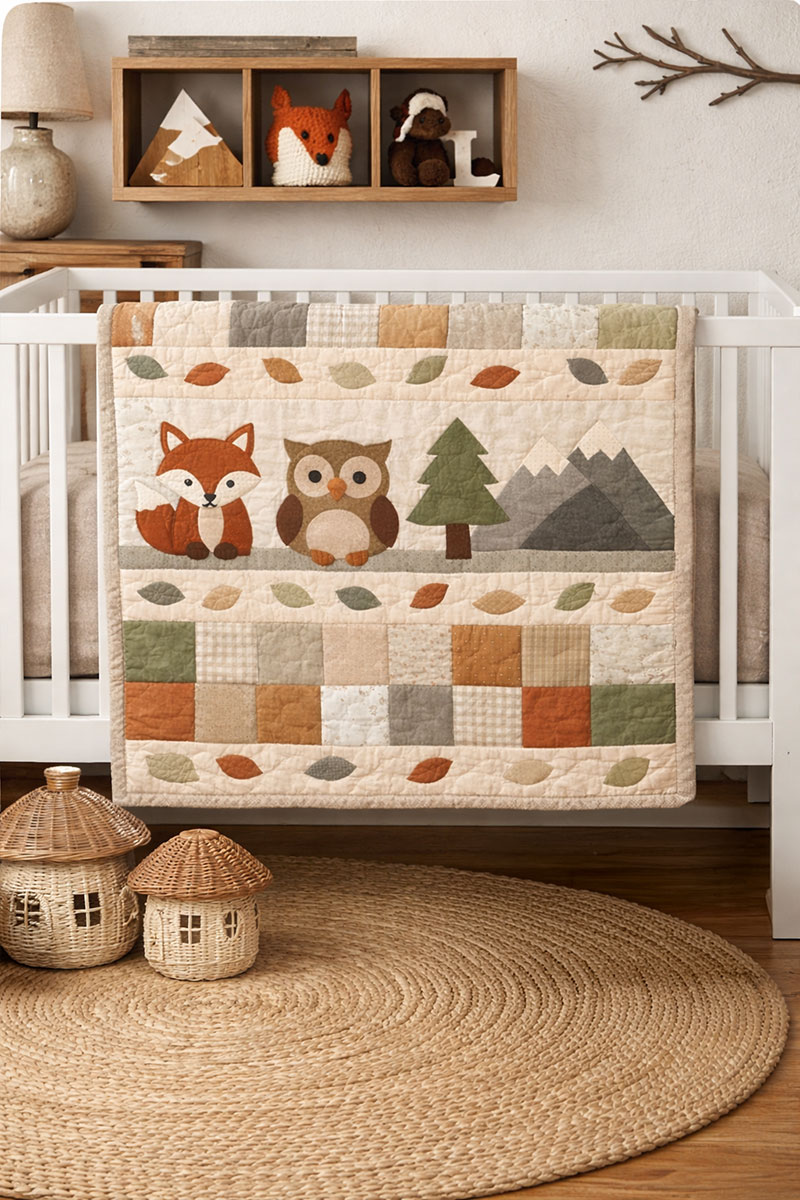
For a beginner-friendly forest version that walks through layout and fabric balance in more detail, see the woodland crib quilt pattern idea that blends soft neutrals with simple animal appliqué.
For more nursery theme direction, I keep a big idea hub here: baby room ideas and nursery themes. I also have a baby shower hub that’s handy for gift planning: baby shower ideas.
Where to learn one extra quilting detail from a real museum
If you want one solid, trustworthy place to see how quilts are built and displayed (without sales pressure), the International Quilt Museum is a great reference. I like it for inspiration and for seeing how even easy baby quilt patterns can still look amazing when the color choices are strong.
What to do now
Decide which version of the giraffe quilt you’re making: patchwork + applique, patchwork + panel, or patchwork + simple center block. Then choose your fabric palette and take one quick photo of your layout so you can “see” it like a finished quilt.
After that, cut your patchwork pieces first and sew the frame before you touch the giraffe center. That order keeps the project moving, and it keeps your confidence up. When you’re ready for another craft-style nursery project, you might also like my DIY pattern page here: DIY macrame owl wall hanging.
When you click on links to various merchants on this site and make a purchase, this may result in this site earning a commission. This does not affect the price you pay.

UBGI Gold Standard 2026
Reviewed under the site's
editorial checklist.
Photos, decorating ideas, party setups and reader submissions are shared for inspiration unless a page is specifically presented as a pattern, tutorial, reference guide or step-by-step project. Follow the instructions, measurements, safety guidance and manufacturer directions provided for the particular project or product.
About Jan | Contact | Baby Nursery Ideas (Blog) | Site Map | Privacy Policy | Disclosure Policy | Disclaimer | Affiliate Disclosure | Earnings Disclosure | Facebook | Pinterest
I am a participant in the Amazon Services LLC Associates Program, an affiliate advertising program designed to provide a means for us to earn fees by linking to Amazon. As an Amazon Associate I earn from qualifying purchases.
Copyright © 2006-2026. All Rights Reserved.