Crib Lifespan: How to Know When It’s Time to Replace a Baby Crib
Crib lifespan is something most parents don’t think about until they start questioning whether an older crib is still safe to use. While many baby cribs are built to last for years, age, wear, changing safety standards, and missing or weakened parts can all affect whether a crib should remain in use. Knowing how long cribs typically last and what warning signs matter most helps parents make confident, safety-first decisions without unnecessary replacements.
Wondering how long a crib is really safe to keep using? Check these first:
This page is part of a broader crib reference system on Unique Baby Gear Ideas and provides identification, comparison, and documentation context rather than assembly or safety instructions.
This crib lifespan reference connects into the broader crib selection and usage context, which is organized on the baby cribs overview.
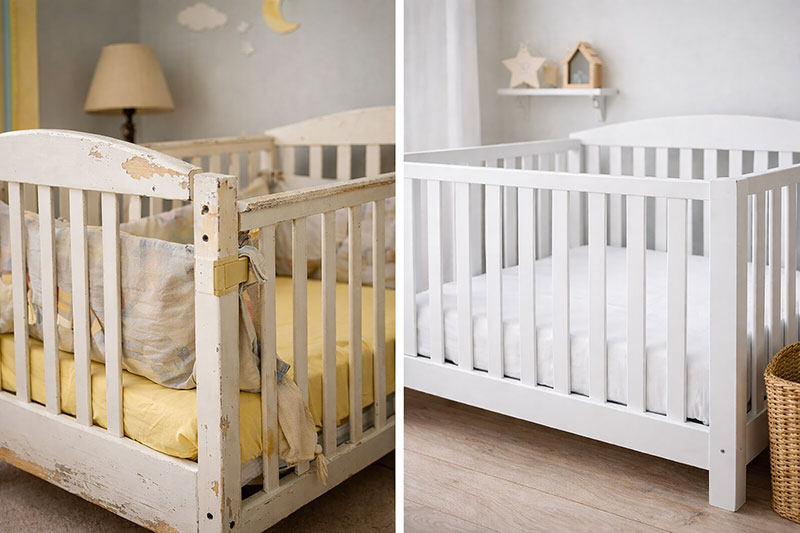
What crib lifespan really means
Crib lifespan refers to the usable life of a baby crib as a safety structure, not how long it can physically exist. When parents ask about crib lifespan, they are really asking how long a crib can remain reliable under normal use in a home with a baby. Rails, slats, mattress support, fasteners, and joints all determine crib lifespan.
This page explains general crib lifespan considerations under United States safety standards. It does not provide product-specific instructions or approval for continued use.
In most cases, when a crib’s lifespan is in question for wear, missing parts, or unknown history, replacement is the cleanest decision.
Why crib lifespan matters more than most parents realize
Crib lifespan is not about age alone. A crib can reach the end of its lifespan because of wear, repeated assembly, storage conditions, or missing original parts. Over time, even well-made cribs lose structural tightness. That loss directly affects crib lifespan.
US crib safety standards have changed. Many older cribs were built under different rules. Even if an older crib looks solid, its lifespan may already be behind it based on today’s expectations.
This is where most parents get confused.
What shortens crib lifespan over time
The most common crib lifespan issue is gradual wear. Screws loosen. Threads strip slightly. Wood dries and compresses. Joints that were once square shift just enough to matter. None of this looks dramatic, but all of it shortens crib lifespan.
Another major factor is unknown history. When a crib has been moved, loaned, stored, or reassembled multiple times, its true lifespan becomes harder to judge. Missing or substituted hardware often marks the practical end of crib lifespan.
Some cribs also have design histories that directly affect lifespan. Older movable-side and drop-side designs are a known safety concern in the United States. Crib lifespan for those models is considered complete, regardless of appearance.
For broader crib context and how modern cribs are evaluated, see my individual: baby crib basics and crib categories.
If you only remember one thing
Crib lifespan ends when the structure can no longer be trusted to stay tight and aligned.
Just because a crib still looks nice does not mean that it's structurally sound.
Did I buy the right crib for its full lifespan?
Many parents question crib lifespan only after they've bought it. A crib that supports its full intended lifespan usually has clear documentation, a known model, and original hardware. Those details allow parents to confirm that the crib still matches its original design.
When crib lifespan questions arise and the manual or model information is missing, confidence drops quickly. That uncertainty is often the signal that the crib’s usable lifespan is nearing its end.
For identification reasons only, not repair guidance, see: baby crib parts and brand reference.
If the names used for the parts is confusing, this reference helps decode manufacturer language: crib parts and safety terms glossary.
Most parents choose
Most parents choose a crib with a clearly understood lifespan rather than one with unanswered questions.
That choice reduces ongoing doubt.
Where crib lifespan assumptions break down
Crib lifespan problems often come from trusting surface appearance. A crib can look fine while internal connections have weakened. Crib lifespan depends on forces you cannot see during everyday use.
Another common issue is confusing crib lifespan with toddler bed lifespan. These are not the same. A crib must manage containment and vertical forces differently. That difference shortens acceptable crib lifespan compared to later furniture.
For stage transitions, see: when to switch from crib to toddler bed.
Another stage shift that affects crib lifespan is mattress height, especially as babies begin pulling up and adding vertical movement inside the crib; this explains the timing clearly: when to lower a crib mattress.
Quick reality check
If a crib has missing parts, unknown assembly history, or visible structural wear, its safe lifespan should be considered complete.
That part matters more than people think.
Edge cases that affect crib lifespan
Older family cribs. Secondhand cribs. Cribs stored long-term. Cribs without manuals. Mixed hardware. These situations all reduce certainty about crib lifespan.
No workarounds. Just clarity.

What to do next when crib lifespan is unclear
When crib lifespan is uncertain, the next step is identification, not modification. Parents should understand exactly what crib they have and whether it still aligns with its original specifications.
If the crib cannot be clearly identified or verified, the safest conclusion is that its lifespan should be considered complete.
For secondhand context, see: is it safe to use a used crib.
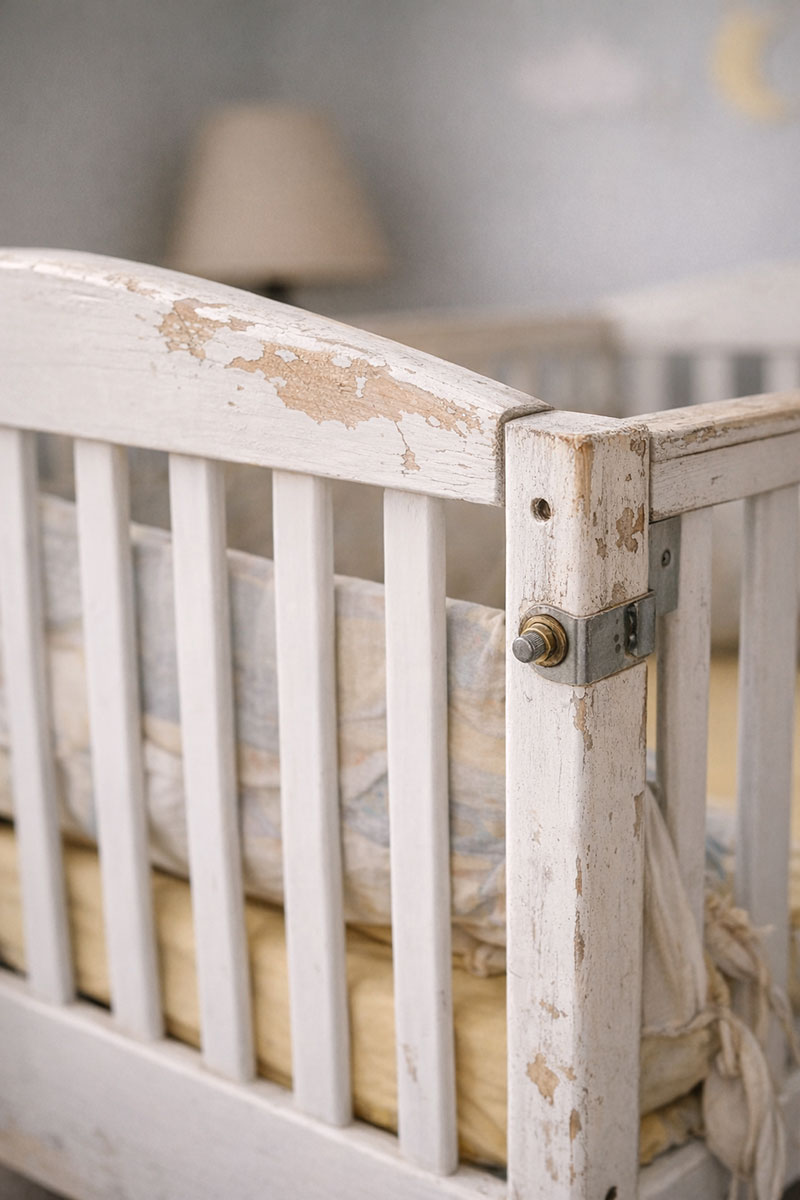
How the mattress area affects crib lifespan
The mattress zone is central to crib lifespan. The mattress support system, brackets, frame alignment, and fit all influence how long a crib can remain reliable.
Because structural stress accumulates in the mattress support system over time, understanding crib weight limits helps clarify when normal wear has moved beyond the manufacturer’s intended load capacity.
As cribs age, even small alignment changes can shorten lifespan. Mattress fit questions often expose deeper crib lifespan issues.
For sizing context, see: crib mattress size vs twin.
For general care context, see: how to clean a crib mattress.
If this sounds picky, it is—and for a reason.
Crib lifespan depends on small details. Small gaps. Small shifts. Small losses of tension.
Authoritative US reference on crib lifespan and safety
The US Consumer Product Safety Commission maintains crib safety standards and historical guidance. For official context, see: CPSC crib safety information.
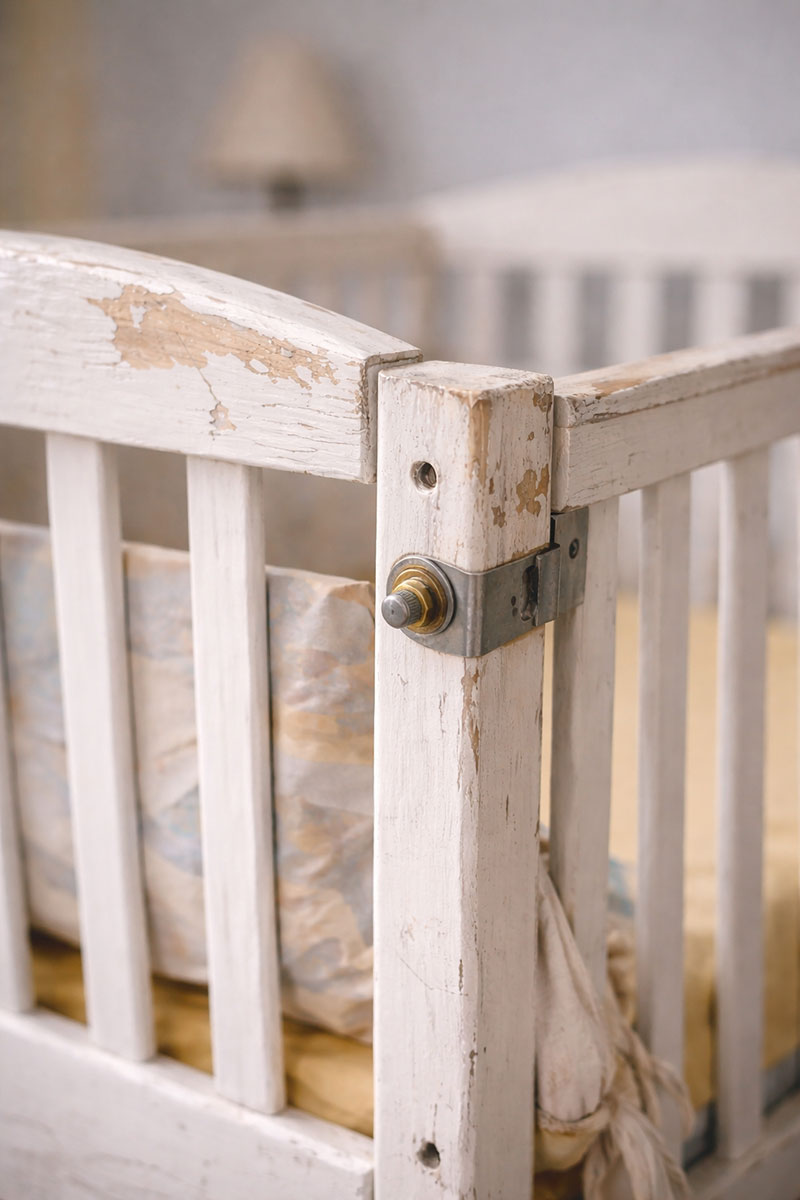
What should I do now about crib lifespan?
If crib lifespan is in question because of age, wear, missing parts, or unknown history, the decision should lean toward replacement.
What to do next is to select a crib with a clearly documented lifespan and maintain its records from day one.
If the question involves adding accessories to extend lifespan, that usually signals the crib has already reached its limit. One common example is discussed here: can you use bed rails on a crib.
A crib should be easy to trust throughout its lifespan. When trust requires effort, the lifespan is likely over.
When you click on links to various merchants on this site and make a purchase, this may result in this site earning a commission. This does not affect the price you pay.

UBGI Gold Standard 2026
Reviewed under the site's
editorial checklist.
Photos, decorating ideas, party setups and reader submissions are shared for inspiration unless a page is specifically presented as a pattern, tutorial, reference guide or step-by-step project. Follow the instructions, measurements, safety guidance and manufacturer directions provided for the particular project or product.
About Jan | Contact | Baby Nursery Ideas (Blog) | Site Map | Privacy Policy | Disclosure Policy | Disclaimer | Affiliate Disclosure | Earnings Disclosure | Facebook | Pinterest
I am a participant in the Amazon Services LLC Associates Program, an affiliate advertising program designed to provide a means for us to earn fees by linking to Amazon. As an Amazon Associate I earn from qualifying purchases.
Copyright © 2006-2026. All Rights Reserved.