Cute Organic Baby Bedding Sets in Organic Cotton for a Baby Boy or Girl Nursery
Cautious parents consider organic baby bedding the best choice for a safe and pollutant free nursery along. Organic cotton nursery bedding and accessories gives newborns a space where their immune systems are not constantly being challenged with chemicals. Some childhood illnesses like the occasional cold accompanied with a runny nose are a fact of life, but exposing their child to toxic chemicals should not be something that new parents consider normal or acceptable.
Visitors shopping for organic cotton crib bedding also enjoyed these pages on this site:
Organic Baby Nursery
Organic Baby Products
Organic Crib Mattresses
Most of us grew up seeing cotton promoted as the soft, breathable, comfortable fabric families could trust for clothing, bedding, and everyday household use. And in many ways, that reputation makes sense. Cotton usually feels cooler and more breathable than many synthetic fabrics.
Still, it is fair to ask a bigger question: what was used to grow and process that cotton before it ever made its way into your home? For parents trying to create a cleaner nursery, concerns about pesticides, herbicides, and chemical processing are often what lead them to start looking more closely at organic cotton crib bedding.
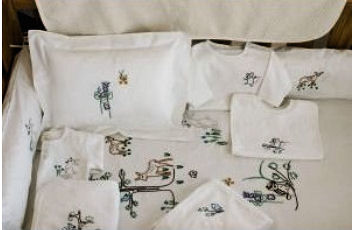
Expert opinions vary, but the concern is easy to understand. Some experts believe that traces of chemicals used in conventional cotton production and fabric processing can remain even after repeated washing. If that is true, choosing organic baby bedding and nursery accessories from the beginning may feel like the simpler and safer option for families trying to reduce everyday chemical exposure in the nursery. For many parents, that peace of mind is reason enough to start with materials that are made and processed as cleanly as possible.
SEE MORE HERE

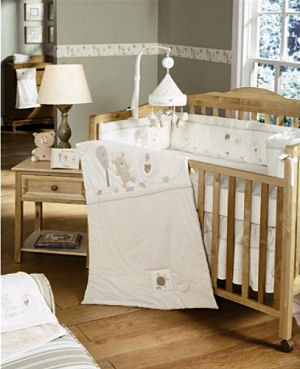
The chemical story does not always end at harvest.
Conventional cotton can also go through processing steps that add more chemical exposure before the finished product ever reaches a nursery. Depending on how the fabric is treated, that may include bleaching agents, finishing chemicals, and synthetic dyes used to create brighter or more fashionable colors.
Some dyes and textile treatments have raised concerns over the years, especially for products used close to a baby’s skin. That is one reason many parents prefer bedding and fabrics made with simpler processing methods and lower-impact materials whenever possible.
Can we trust the experts?
Some people believe the final product is so processed that little or none of those original chemicals remain. That may be true in some cases, but it does not erase every concern. For many families, the issue is not proving that every product is harmful. It is deciding whether reducing unnecessary chemical exposure is the more comfortable choice for their home.
When there is still uncertainty, many parents choose to be cautious. That is often the real appeal of organic and lower-toxin nursery materials—they can help create a space that simply feels safer, cleaner, and easier to feel good about.
Understanding how organic materials compare to low-emission claims can make this decision much clearer. This organic crib mattress vs non-toxic crib mattress guide breaks down what those labels really mean in everyday use.
Once you see how that translates into real products, it becomes easier to choose with confidence. My guide to the best non-toxic crib mattress options shows what actually matters beyond the marketing labels.
There is also a bigger picture to consider. Conventional cotton is often grown using heavy chemical treatments that can run off into soil and water systems. Choosing organic baby bedding is one small way to reduce that impact while creating a cleaner space inside your home.
“We grew up with worse and we’re okay.” That idea comes up a lot. And it’s true—many of us were raised with standard materials and never questioned it. But the reality is, we don’t always know how long-term exposure to certain chemicals affects health over time. Because of that uncertainty, many parents today simply choose to lean toward safer, lower-exposure options when they can.
Benefits of organic baby bedding
The biggest benefit is reduced chemical exposure in the space where your baby sleeps. For families dealing with sensitivities, allergies, or breathing concerns, even small changes in materials can make a noticeable difference in comfort.
Organic cotton is also known for its softness. Without heavy processing, it tends to feel smoother against a baby’s skin, which can help create a more comfortable sleep environment.
In the end, it’s about creating a space that feels clean, calm, and safe. If organic bedding helps you get there—even in small ways—it’s a choice many parents feel good about making.
To explore more ideas, you can browse baby nursery ideas, including organic themes, bedding options, and simple ways to keep your baby’s room feeling fresh and low-toxin.
ORGANIC NURSERY BEDDING and DECORATIONS
Do you have a great set of natural, organic baby bedding or a picture of a nursery that you decorated in an eco-friendly theme? Share it!
ORGANIC NURSERY DECORATIONS, PICTURES and DECORATING IDEAS
Click below to see we found!
Coyuchi Thor Forest Friends Organic Baby Bedding Collection Not rated yet
The Coyuchi Thor Forest Organic baby bedding collection would be the perfect choice for so many precious baby deer nursery ideas have been shared on our …


About Jan | Contact | Baby Nursery Ideas (Blog) | Site Map | Privacy Policy | Disclosure Policy | Disclaimer | Affiliate Disclosure | Earnings Disclosure | Facebook | Pinterest
I am a participant in the Amazon Services LLC Associates Program, an affiliate advertising program designed to provide a means for us to earn fees by linking to Amazon. As an Amazon Associate I earn from qualifying purchases.
Copyright © 2006-2026. All Rights Reserved.