Best Yarn for Baby Blanket Crochet and Knitting Guide
By Jan Bay
The best yarn for baby blanket crochet and knitting is soft against delicate skin, easy to wash, securely spun and comfortable to work with. A smooth, machine-washable acrylic or cotton-acrylic blend works well for most everyday baby blankets, while cotton makes a lighter blanket and chenille creates a thicker, plush finish. The right choice depends on the blanket pattern, season, yarn weight and how often the finished blanket will need laundering.
Explore More Baby Crochet Patterns and Resources
🧸 Crochet Animal Lovey Patterns
🪡 Easy Baby Lovey Crochet Patterns
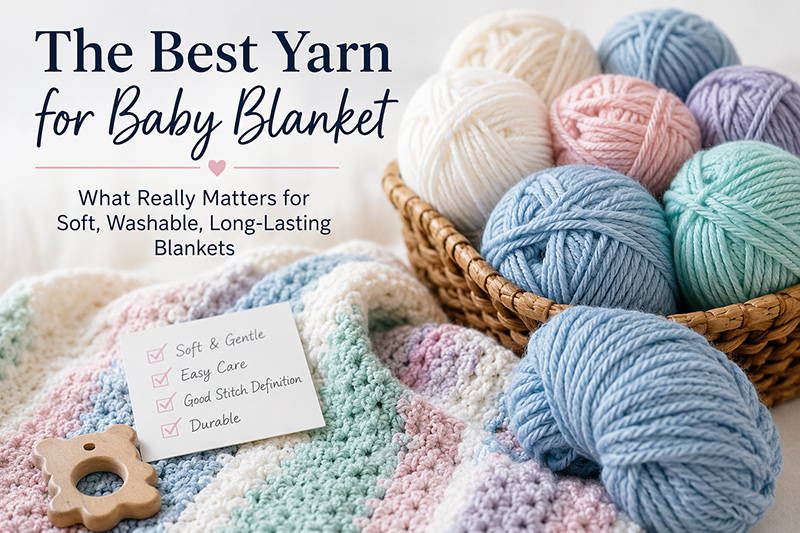
Baby Blanket Yarn Recommendation
Jump to a Section
🧶 What Is the Best Yarn for a Baby Blanket?
🧵 Compare Acrylic, Cotton, Chenille and Wool
🪡 Best Yarn for Crochet Baby Blankets
🧷 Best Yarn for Knitted Baby Blankets
📏 Which Yarn Weight Should You Choose?
🛒 Buying Tips Before You Pick Up a Skein
Quick Answer: Finding the best yarn for baby blanket projects can become confusing once every skein starts looking like the right choice. For many crochet and knitting projects, a quality acrylic blend is an excellent all around choice. Cotton is ideal when you want a lighter blanket, while washable merino creates a keepsake with remarkable stitch detail.
A baby blanket earns its place after months of real life, not the afternoon it's finished.
It doesn't take long before every skein starts looking like the right choice. You pick up one label, then another, and before you know it you're comparing fibers, yarn weights and care instructions that all sound almost the same. That's exactly why I believe choosing the yarn deserves as much attention as choosing the pattern. Choosing carefully at the beginning is much easier than wishing you had picked a different yarn after the blanket is finished.
The yarn has to handle far more than a few quiet months in the nursery. A handmade blanket follows a baby almost everywhere. One day it's spread across the floor for supervised tummy time. The next day it's tucked into a diaper bag before heading out the door. Later it becomes the blanket waiting on the living room sofa for bedtime stories. Every stage asks something different of the yarn, and that's why shopping by color alone rarely produces the happiest result.
If you're still deciding what to make, my collection of free baby crochet patterns includes blankets, loveys and beginner friendly projects that pair well with the yarn recommendations below. The popcorn stitch baby blanket pattern is especially useful for seeing how yarn choice affects raised texture and stitch definition. If you're making a shower gift, I also recommend browsing my crochet animal lovey patterns. Using the same yarn throughout the gift set creates a coordinated look without buying several different fibers.
Best Yarn for Baby Blanket Projects That Stay Looking Good
People often ask me which baby blanket yarn brand I would choose first. I think there's a better place to begin.
How is this blanket going to be used?
A lightweight receiving blanket has different requirements than one used during supervised floor play or family movie nights. A travel blanket may spend hours folded inside a diaper bag before it's needed. Another may become the everyday blanket that goes everywhere. Once you picture the blanket's daily routine, the number of suitable yarns becomes much smaller.
In many nurseries, the blanket that quietly becomes everyone's favorite isn't the most expensive one. It's the one that folds easily, washes without drama and still looks inviting after months of everyday use.
Yarn for a crochet baby blanket should also make every stitch easy to identify. Stitch visibility deserves more attention than it receives. If you can't clearly see every stitch while you're crocheting, correcting a tiny mistake several rows later becomes much harder than it needs to be. Beginners especially appreciate a yarn that makes every stitch easy to identify.
| If your priority is... | I'd choose... | Why I'd Pick It |
|---|---|---|
| Easy washing | Quality acrylic blend | Keeps its shape through frequent laundering. |
| Warm weather | Cotton or cotton blend | Comfortable without unnecessary bulk. |
| Fast crochet | Quality chenille | Produces generous coverage in fewer rows. |
| Keepsake gift | Washable merino | Shows textured stitches with remarkable clarity. |
| Learning to crochet | Smooth worsted weight yarn | Makes stitch counting much easier. |
The yarn label tells you a lot, but it never tells you how the blanket will behave after twenty trips through the washing machine. Some yarns become slightly crisp. Others continue folding naturally over your arm every time you pick them up. That's the sort of difference you appreciate long after the excitement of buying yarn has passed.
Another simple habit can save a surprising amount of frustration. Separate the strand gently with your fingers before filling your shopping basket. If it splits apart very easily while it's still wrapped in the skein, it'll probably split around your crochet hook too. That may not matter on basic stitches, but textured stitch patterns become much easier when the yarn stays together.
Two blankets can measure exactly the same size yet one may weigh nearly twice as much simply because of the yarn you selected. That's worth thinking about if the blanket will spend much of its life tucked into a diaper bag or carried from room to room.
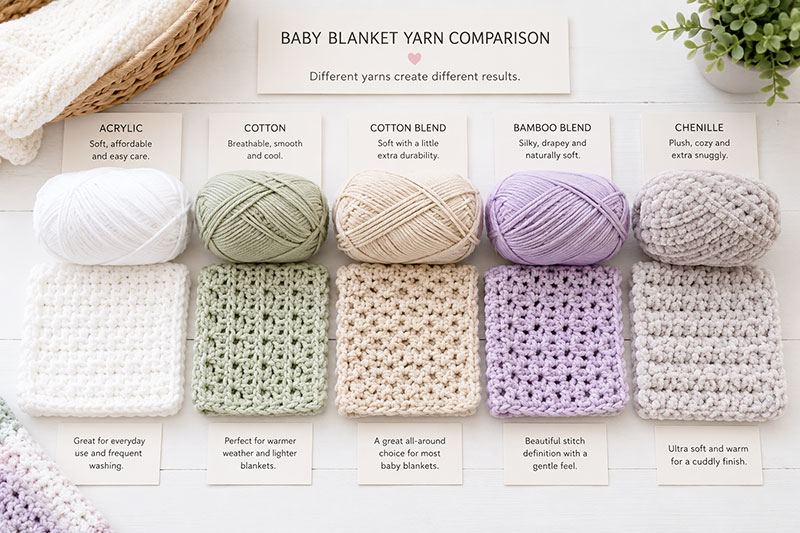
Best Yarn Fibers for Baby Blanket Crochet and Knitting
Fiber quietly changes almost everything about the finished blanket, which is why baby blanket yarn cannot be chosen by color alone. It influences the way the blanket drapes, how quickly it dries after washing, how much it weighs and how enjoyable the project becomes while you're making it.
Modern acrylic yarns have improved tremendously over the years. Better manufacturing has produced fibers that move smoothly across the hook, produce tidy stitches and continue looking attractive after repeated laundering. That's one reason they're such a practical choice for blankets that will see everyday use.
Cotton behaves very differently once the blanket is finished. Stitch patterns stand out clearly, making cables, shells and textured rows easier to appreciate. Cotton also works especially well when the blanket is intended for warmer parts of the year or homes that stay warm throughout much of the year.
Chenille creates generous texture and works up surprisingly quickly. Before buying several skeins, however, crochet a small sample and wash it once. That quick test tells you much more than the label ever will, especially if you're comparing different chenille brands.
Washable merino remains one of my favorite choices for heirloom blankets because the finished stitches stay remarkably defined. Although it costs more than acrylic, the finished project often becomes the blanket that is carefully packed away and brought out again years later.
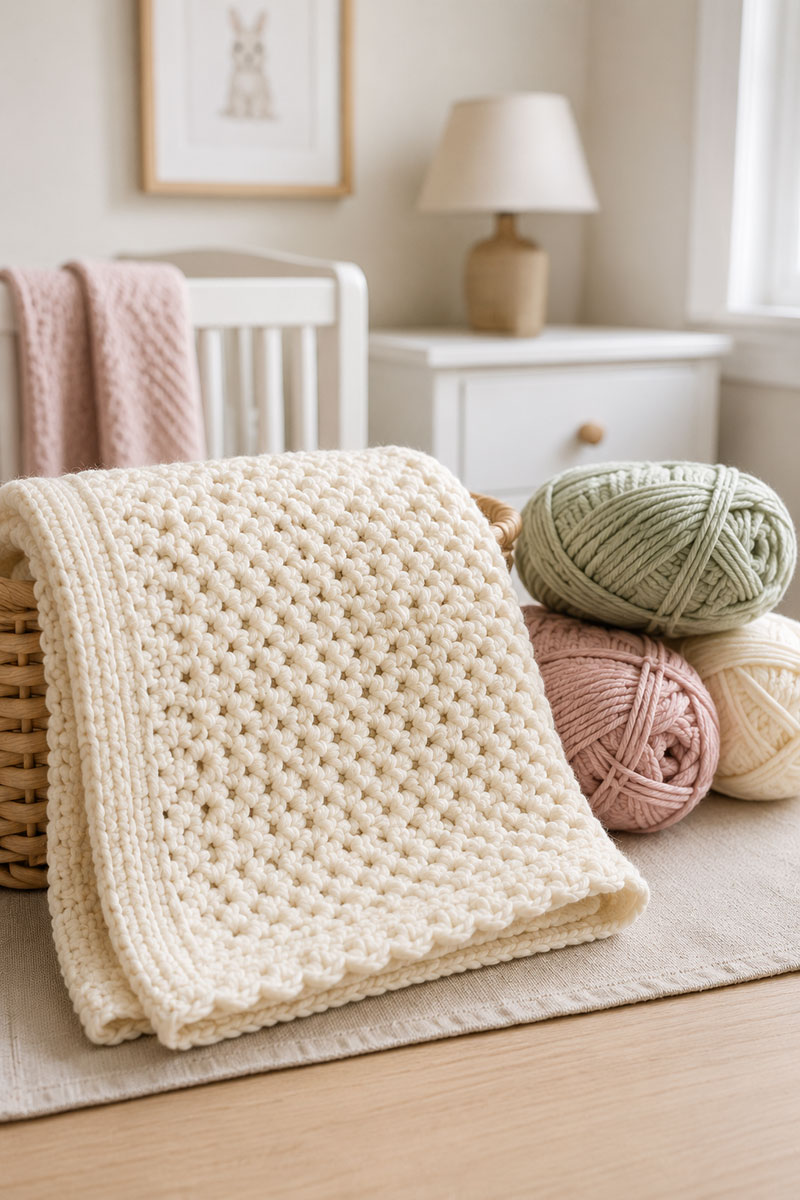
The finished blanket should show the stitch pattern clearly, fold without becoming bulky and suit the way it will be used after the project is complete.
Once you've settled on the fiber, choosing the right yarn weight becomes much easier.
Best Yarn for Crochet Baby Blankets That Show Every Stitch
The best yarn for crochet baby blankets depends partly on the stitch pattern. Crochet lets you create everything from simple rows to richly textured designs, but every yarn shows those stitches differently. I never choose a yarn simply because it catches my eye on the shelf. I choose it because it matches the blanket I want to make.
You can see the difference in actual projects by comparing the fingering yarn used for the lightweight open-stitch blanket, the worsted yarn used for the one-row-repeat baby blanket and ribbed crochet blanket, and the much thicker yarn used for the fast chunky baby blanket.
If you're planning shells, bobbles, cables or popcorn stitches, a smooth yarn allows those details to become part of the finished design instead of disappearing into the fabric. The problem often becomes obvious several rows in, when the raised stitches are there but the yarn has hidden nearly all of them.
That's one reason my popcorn stitch baby blanket pattern works especially well with yarn that has crisp stitch definition. The raised texture becomes part of the blanket instead of blending into the background.
The same principle applies to this crochet pumpkin blanket pattern, where smooth yarn helps the raised pumpkin texture remain clearly visible across the finished blanket.
Before buying enough skeins for an entire blanket, crochet a sample about six inches square. Wash it exactly the way the finished blanket will be washed, let it dry completely and look at it again the next morning. Tiny differences that were easy to miss the night before often become obvious in natural daylight.

I also pay attention to how easily the hook moves through the yarn. Some fibers slide smoothly while others create enough resistance that your hands begin working harder than necessary. You may never notice that difference on a small project, but a baby blanket contains hundreds of rows.
Another characteristic worth checking is how easily mistakes can be corrected. Some yarns can be unraveled and reused without tangling, while others tighten around themselves as each stitch is removed. A forgiving yarn makes the entire project much more enjoyable, especially if you're still learning new stitch patterns.
I believe stitch definition is one place where it's worth being a little picky. Texture can always be added with the pattern itself. Once the yarn hides those details, however, there's no practical way to bring them back.
Best Yarn for Knitted Baby Blankets That Keep Their Shape
The best yarn for baby blanket knitting may not be the same yarn you would select for crochet. Knitting asks different things from yarn than crochet does. Because knitted fabric naturally stretches more, the yarn itself has a greater influence on how the finished blanket hangs, folds and returns to shape after washing.
Smooth fibers often produce cleaner stockinette, seed stitch and garter stitch fabrics because every stitch remains easy to see. If you're knitting cables or lace panels, clear stitch definition allows those details to become part of the design instead of getting lost.
The eyelets and three-row repeat in this easy knit baby blanket pattern are a useful example of why smooth yarn and clear stitch definition matter.
A quick comparison can be surprisingly helpful. Knit two small swatches using different yarns, wash both and hold them by one corner. One may fold naturally while the other keeps much of its original structure. That simple test tells you far more than touching the yarn in the store ever will.
Another practical difference between crochet and knitting is yarn usage. Knitted blankets often require less yarn than crocheted blankets of similar size, although stitch pattern, needle size and gauge all influence the final amount. If you've chosen a higher priced fiber, that difference alone can noticeably change the total cost of the project.
If the blanket is intended to become a family keepsake, this is one project where I don't mind paying a little more for yarn that holds crisp stitch detail. Years later, those textured rows are still easy to appreciate.
Fiber is only half of the decision. Yarn weight changes the thickness, finished size, warmth, drape and even the number of skeins you'll need. A few minutes spent choosing the right weight now can save hours of extra work later.
Choosing the Right Yarn Weight Before You Buy
Choosing the best yarn for baby blanket projects also means looking closely at yarn weight. It's easy to focus on fiber because that's what most labels highlight first, but weight changes the finished blanket just as much. You can crochet the very same pattern twice and end up with blankets that look and handle quite differently simply because you changed the yarn weight.
Yarn weight influences much more than thickness. It affects how the blanket drapes, how long it takes to finish, how many skeins you'll need and even how clearly you can see each stitch while you're working.
I believe it's worth deciding how you want the finished blanket to be used before choosing the weight. A lightweight receiving blanket has very different goals than one that's meant for everyday use around the house or to travel in a diaper bag. If you're planning a warmer wrap-style project, see my hooded baby blanket ideas and patterns before choosing the yarn weight.
| Yarn weight | A practical choice for | What to expect |
|---|---|---|
| DK | Receiving blankets and warmer weather | Light fabric with excellent stitch definition and easy folding. |
| Worsted | Most everyday baby blankets | A dependable balance of warmth, durability and working speed. |
| Bulky | Quick gifts and travel blankets | Builds coverage quickly with a thicker finished fabric. |
| Super Bulky | Quick accent blankets and supervised play mats | Works up very quickly but creates a much heavier finished blanket. |
Don't forget to think about the season and climate where the blanket will be used most often. The very same pattern may call for a different yarn weight depending on whether it's intended for cool winters or warm weather throughout much of the year.
Blanket size deserves just as much thought as yarn weight. Every increase in width and length also increases the finished weight. A yarn that's perfect for a small receiving blanket may feel much heavier once the blanket grows to stroller or toddler size.
Thicker yarn isn't automatically a better choice for a baby blanket. It certainly finishes faster, but that speed comes with extra bulk and additional weight. For many everyday nursery blankets, worsted weight strikes a better balance between comfort, durability and ease of handling.
Here's another detail that's easy to overlook. If you're shopping online instead of visiting a yarn store, compare the recommended hook or needle size as well as the yarn weight. Two brands both described as worsted weight can still produce noticeably different blankets because the yarn construction isn't exactly the same.

Simple Buying Tips That Save Time, Money and Frustration
Once you've narrowed down the best yarn for baby blanket you plan to make, shopping becomes much easier. A few careful checks before you leave the store can prevent delays after you've already started crocheting or knitting.
- Buy every skein for one blanket during the same shopping trip whenever possible.
- Check the dye lot numbers if the manufacturer includes them.
- Read the care instructions before choosing a color.
- Compare total yardage instead of counting only the number of skeins.
- Crochet or knit a sample before opening every skein.
Yardage is one of the easiest details to overlook. Two skeins may appear almost identical, yet one can contain considerably more usable yarn than the other. I compare total yardage before looking at the price because it tells me far more than the price tag alone.
If you're deciding between buying exactly enough yarn or one extra skein, I usually lean toward the extra skein. Returning an unopened skein is simple. Finding the same dye lot months later rarely is.
Here's another habit that's worth adopting. Keep one yarn label until the blanket is completely finished. Months later you'll still have the fiber content, care instructions, color name and dye lot if you decide to make a matching lovey or another blanket.

Keeping one label until the blanket is finished preserves the fiber, yardage, washing instructions, color name and dye lot information in one place.
If you're making both a blanket and a matching lovey, buy enough yarn for both projects before you begin. That simple step helps keep the colors consistent throughout the finished gift set and eliminates the worry of searching for a discontinued dye lot halfway through the second project.
Nothing slows a blanket project faster than running out of yarn on the final border.
For current guidance on infant sleep safety, I recommend reviewing the U.S. Consumer Product Safety Commission Safe Sleep recommendations. They explain why loose blankets should never be placed in an infant's sleep space.
The next section explains how to estimate the number of skeins you'll need before buying yarn, helping you shop with confidence instead of guessing.
How Much Yarn Do You Need for a Baby Blanket?
One of the most common questions I hear is, "How much yarn do I need for a baby blanket?" The answer isn't really about skeins. It's about total yardage. Two yarns may recommend the same number of skeins while containing very different amounts of usable yarn, which is why I always begin with the yardage listed on the label.
Always calculate using total yardage, not the number of skeins.
That one habit removes a surprising amount of guesswork before you even pick up your hook or needles. It also makes comparing different brands much easier because skein sizes vary far more than many people realize.
The ranges below work well for planning. Your stitch pattern, gauge, border and yarn choice will still influence the final amount, but they'll put you very close.
| Finished blanket size | DK or worsted yarn | Bulky yarn |
|---|---|---|
| Receiving blanket. About 30 x 30 inches. | 700 to 1,000 yards | 500 to 750 yards |
| Small baby blanket. About 30 x 36 inches. | 900 to 1,200 yards | 650 to 900 yards |
| Nursery blanket. About 36 x 45 inches. | 1,200 to 1,700 yards | 850 to 1,200 yards |
Highly textured stitches almost always use more yarn than simple rows. Popcorn stitches, bobbles, cables and raised stitch patterns all build extra yarn into the blanket, so I wouldn't buy the lowest number in the range if that's the look you're planning.
Knitted blankets often use a little less yarn than crocheted blankets of similar size, although lace panels, cables and tighter gauge can quickly change that estimate.
It's surprisingly easy to forget the border while buying yarn. A simple edging may use very little, but several decorative rounds can easily require another partial skein. I always leave room for that before heading to the checkout.
Making and washing a small sample before starting the blanket remains the easiest way to confirm you've chosen the right yarn. If that washed swatch already uses more yarn than expected, it's much easier to buy another skein before you begin than to search for the same dye lot after the blanket is almost finished.

Why You Should Wash a Baby Blanket Swatch First
Even the best yarn for baby blanket projects should be tested before you commit to the full size. A yarn can behave perfectly while you're crocheting or knitting and change completely after its first trip through the washer. Spending a little time with a sample now is much easier than discovering those changes after the blanket is finished.
Measure the swatch before washing and again after it dries. Even a small amount of shrinking or stretching can noticeably change the finished blanket.
Look closely at the surface in natural daylight. Check for fuzzing, shedding, flattened texture, loose fibers, color transfer and stitches that no longer look as crisp as they did before washing.
Pay attention to the corners too. If they begin curling after washing, changing your hook or needle size before starting the blanket can save a surprising amount of time later.
I also fold the swatch several times and hold it by one corner. That quick test gives me a good idea of how the finished blanket will hang after months of everyday use.

Washing a small swatch before beginning a full blanket can reveal shrinking, stretching, shedding and texture changes while it's still easy to switch yarns.
Frequently Asked Questions About Baby Blanket Yarn
What is the best yarn for a baby blanket?
A machine washable acrylic blend, cotton blend or smooth worsted weight yarn is a practical choice for many baby blankets. The best option depends on the season, the stitch pattern and how the blanket will be used.
Is acrylic yarn good for baby blankets?
Yes. Modern acrylic yarns are durable, easy to wash and available in many colors and weights. Always wash a sample first to see how the yarn performs before beginning the full blanket.
Is cotton yarn a good choice?
Cotton works well for lighter blankets and warmer weather. It also highlights textured stitches clearly. Keep in mind that larger cotton blankets can become heavier than similar blankets made with acrylic blends.
Can chenille yarn be used for a baby blanket?
Yes, but always test it first. Some chenille yarns shed, flatten or make stitch placement difficult. A washed sample will answer those questions long before you've invested dozens of hours in the project.
Which yarn is hardest for beginners?
Very fuzzy, highly textured or slippery yarn can make stitches difficult to identify and mistakes harder to correct. A smooth worsted weight yarn is usually a much friendlier place to begin.
Can I mix different yarn brands in one baby blanket?
Yes, provided the yarns have similar fiber content, weight and care instructions. Make and wash a sample using both yarns first to confirm they behave the same way after laundering.
Should baby blanket yarn be machine washable?
Machine washable yarn makes everyday care much easier. Handmade blankets often need frequent laundering, so simple care instructions become an advantage for the family using the blanket.
How much extra yarn should I buy?
Buying about ten percent more yardage than your estimate usually provides enough for borders, gauge differences and small adjustments. If dye lots are used, purchasing one additional skein at the beginning is often worthwhile.
Can a baby sleep with a handmade blanket?
No. Loose blankets should never be placed in an infant's sleep space. Reserve handmade blankets for supervised awake time, tummy time, outings or use when children are old enough to safely use blankets according to current safe sleep guidance.
The best yarn for baby blanket projects won't guarantee a perfect result, but it removes many of the frustrations that cause projects to sit unfinished. Match the fiber to the way the blanket will be used, choose an appropriate yarn weight, wash a sample before you begin and buy by total yardage instead of skein count. Those simple habits make almost every blanket project easier from the first row to the final border.
Now that you've chosen the right yarn, browse my free baby crochet patterns, or start with the Popcorn Stitch Baby Blanket pattern to see how different yarns affect stitch definition and the finished texture.
When you click on links to various merchants on this site and make a purchase, this may result in this site earning a commission. This does not affect the price you pay.

UBGI Gold Standard 2026
Reviewed under the site's
editorial checklist.
Photos, decorating ideas, party setups and reader submissions are shared for inspiration unless a page is specifically presented as a pattern, tutorial, reference guide or step-by-step project. Follow the instructions, measurements, safety guidance and manufacturer directions provided for the particular project or product.
About Jan | Contact | Baby Nursery Ideas (Blog) | Site Map | Privacy Policy | Disclosure Policy | Disclaimer | Affiliate Disclosure | Earnings Disclosure | Facebook | Pinterest
I am a participant in the Amazon Services LLC Associates Program, an affiliate advertising program designed to provide a means for us to earn fees by linking to Amazon. As an Amazon Associate I earn from qualifying purchases.
Copyright © 2006-2026. All Rights Reserved.