Fast Chunky Baby Blanket Crochet Pattern You Can Make in Three Hours
By Jan Bay
This three-hour, fast, chunky baby blanket crochet pattern uses super bulky yarn, a large crochet hook and a simple repeating stitch to create a generously sized handmade blanket in one focused afternoon. The thick texture helps the rows grow quickly, while the finished blanket still looks substantial enough for a baby gift, stroller blanket or decorative nursery accent.
Explore More Free Baby Blanket Patterns
Free Crochet Baby Blanket Patterns
Lightweight Crochet Baby Blanket Pattern
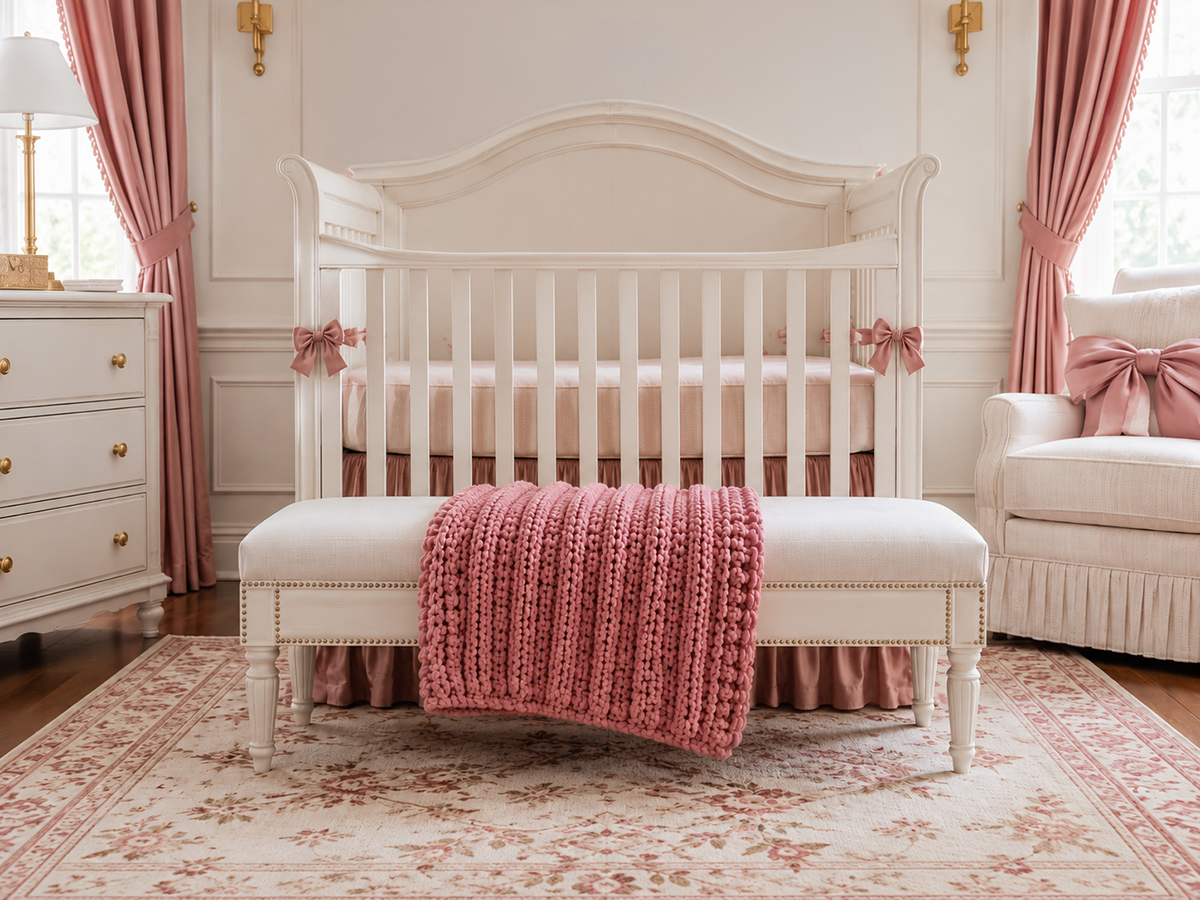
Yarn for This Chunky Blanket
Compare Super Bulky Baby Blanket Yarn Colors and Availability
Jump to the Fast Chunky Baby Blanket Pattern
- Pattern at a Glance
- Can You Really Crochet It in Three Hours?
- Why This Is an Easy Evening Crochet Project
- Yarn, Hook and Supplies
- Finished Baby Blanket Size
- Gauge
- Stitches and Abbreviations
- How to Crochet the Ribbed Knit-Look Stitch
- Fast Chunky Baby Blanket Instructions
- Optional Easy Border
- Baby Blanket Resizing Chart
- Finishing and Care
- Frequently Asked Questions
Fast Chunky Baby Blanket Crochet Pattern Instructions
Project Overview
Skill level: Confident beginner
Estimated crochet time: About three hours for an experienced crocheter; allow additional time if you are learning the stitch
Finished size: Approximately 30 by 36 inches before the optional border
Yarn: Approximately 600 yards of size 6 super bulky yarn
Hook: 10 mm crochet hook, or the size needed to match gauge
Main stitch: Half double crochet worked through the back loop
Pattern repeat: One easy row repeated until the blanket reaches the desired length
The raised rows give this blanket a modern ribbed finish without adding a complicated stitch sequence. After the foundation row, you will repeat the same row again and again. There is no color chart to follow and no group of several rows to remember.
The three-hour description refers to active crochet time for someone who already moves comfortably through half double crochet stitches. It is perfectly reasonable to divide the project between two evenings or take it along when you know you will have a stretch of waiting time.
Can You Really Crochet This Blanket in Three Hours?
Three hours is a realistic project estimate for a crocheter who is comfortable holding super bulky yarn and maintaining an even rhythm. The blanket contains about 2,340 main stitches, so your own pace will determine whether you finish before the end of an evening or need another hour or two.
A beginner may take four to six hours, especially when stopping to identify the back loop, check the stitch count or correct an uneven edge. That does not change the appeal of the pattern. It is still a very quick route to a finished baby blanket.
The larger hook and thick yarn create visible progress almost immediately. A few rows already look like a substantial piece of fabric, which makes this an encouraging project when you need a baby gift soon but do not want it to look rushed.
A Fair Three-Hour Test
Make the gauge swatch and gather your supplies before starting the clock. Count only the time spent crocheting the blanket and optional border. Yarn shopping, winding, photography and interruptions are not part of the estimate.
Why This Is an Easy Evening Crochet Project
The pattern is simple enough to settle into while watching television because every main row is worked the same way. You still need to glance down at the first and last stitch, but there is no lengthy set of instructions competing for your attention.
It is also easy to stop between rows. Place a locking stitch marker in the working loop, tuck the hook and yarn into a project bag and return to it later without searching for your place.
You could begin the blanket while sitting through a long practice or ball game, although the project will become bulkier as it grows. The first half travels easily. By the final rows, it may be more comfortable on your lap at home.
Start after dinner, repeat the ribbed row while you watch a movie and you can have a thick baby blanket taking shape before bedtime.
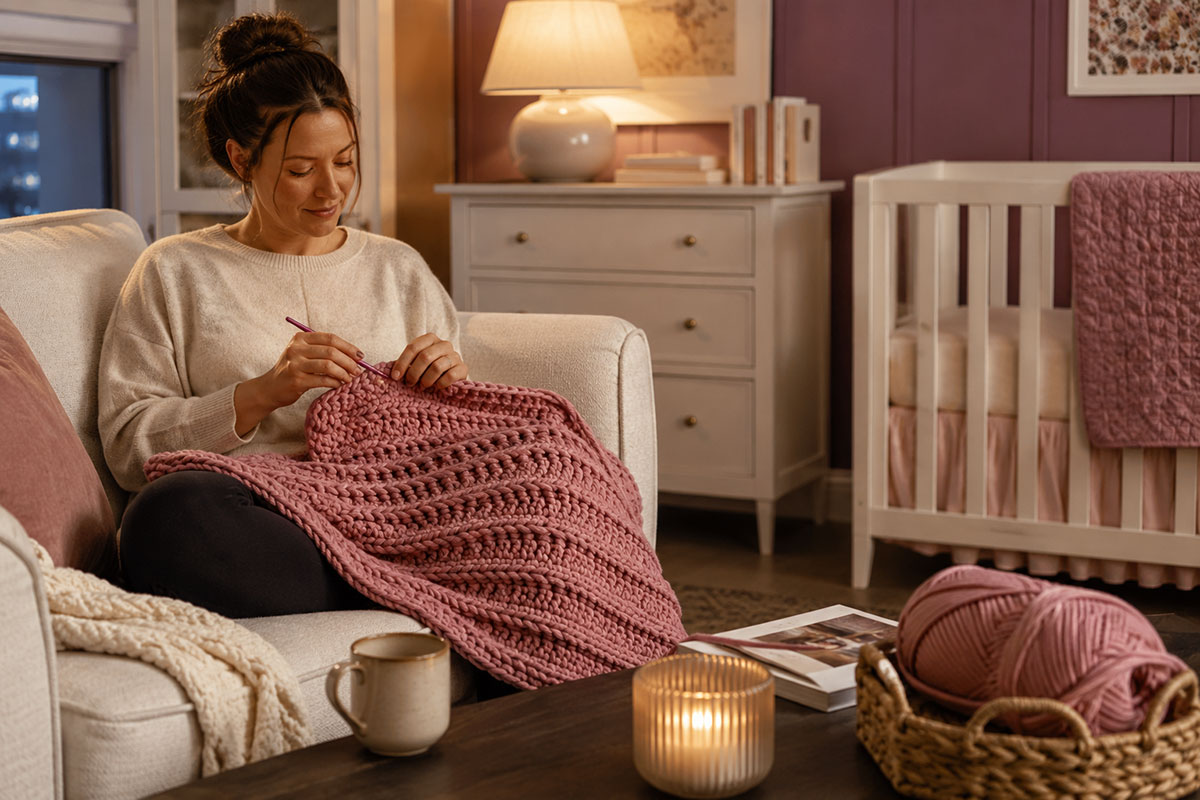
Yarn, Hook and Supplies for the Chunky Baby Blanket
- Approximately 600 yards of size 6 super bulky yarn
- 10 mm crochet hook, or the hook size needed to match gauge
- Scissors
- Large-eye yarn needle suitable for thick yarn
- Two locking stitch markers
- Flexible measuring tape
If your chosen yarn contains about 220 yards per skein, purchase three skeins. Yardage varies considerably among super bulky yarns, so read the label rather than relying on the number of skeins alone.
A smooth or lightly plush super bulky yarn makes the back loops easier to see. Very fuzzy chenille can produce a lovely blanket, but it may hide the stitch structure from someone making this technique for the first time.
Try to purchase all the yarn from the same dye lot when the label includes dye-lot information. A slight color difference may not be obvious in the skein, yet it can form a visible band across a solid-color blanket.
The Craft Yarn Council identifies size 6 as the super bulky category. You can review its standard yarn weight system when comparing yarn labels.
Choosing the color: A single saturated or muted color lets the ribbed surface carry the design. Dusty teal, raspberry, denim, plum, terracotta and medium sage all blend well with modern nursery color trends. The blanket doesn't have to be a generic pastel project.
For a lighter warm-weather project, compare this blanket with the free lightweight crochet baby blanket pattern, which uses a more open stitch and finer yarn.
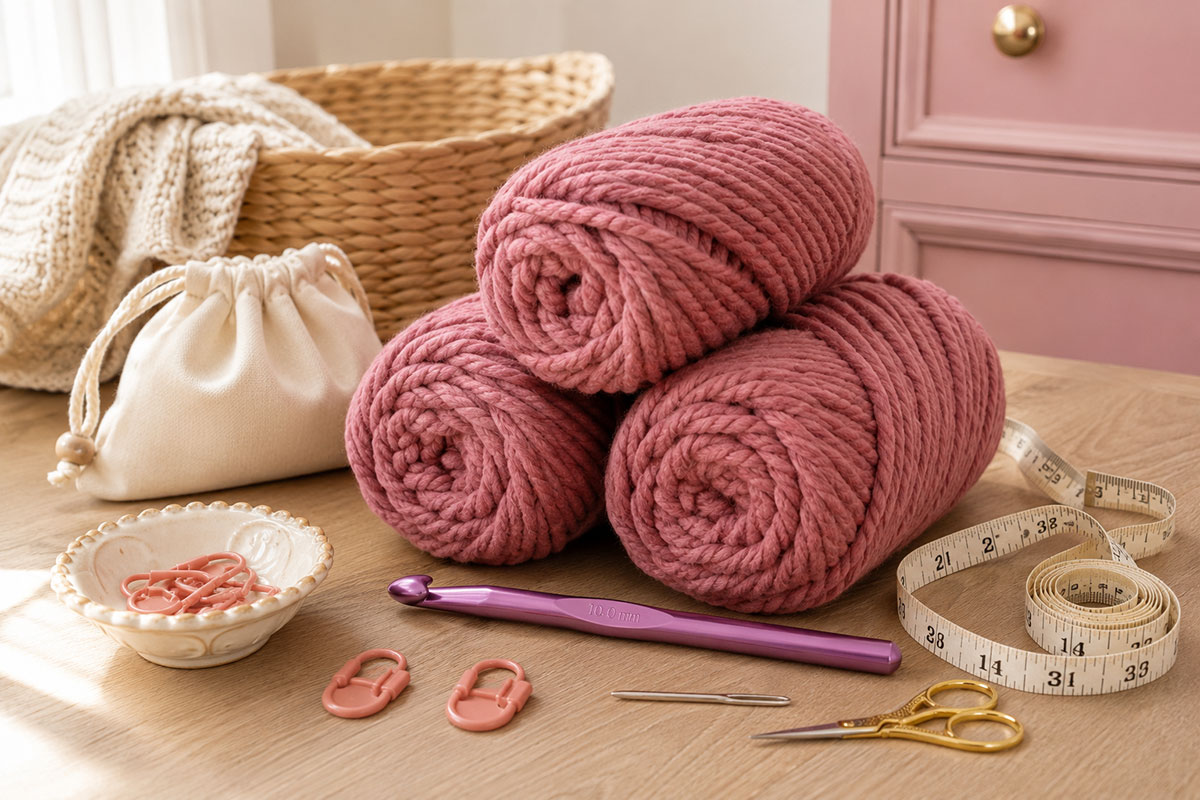
Finished Baby Blanket Size
The sample blanket measures approximately 30 inches wide by 36 inches long before the optional border. One round of single crochet may add about half an inch to each side, depending on your tension and yarn.
This size is large enough to look and feel like a complete baby blanket while remaining manageable for a quick project. It can be used during supervised stroller rides, floor time, cuddling with an adult or as a handmade gift.
Measure the blanket while it is resting on a flat surface. Do not stretch the ribs while measuring because the fabric has some natural give.
The baby blanket guide explains additional blanket sizes, materials and practical uses if you are deciding whether to make the baby, stroller or larger version.
Gauge
Stitches and Abbreviations
- ch: chain
- hdc: half double crochet
- BLO: back loop only
- sc: single crochet
- sl st: slip stitch
How to Crochet the Ribbed Knit-Look Stitch
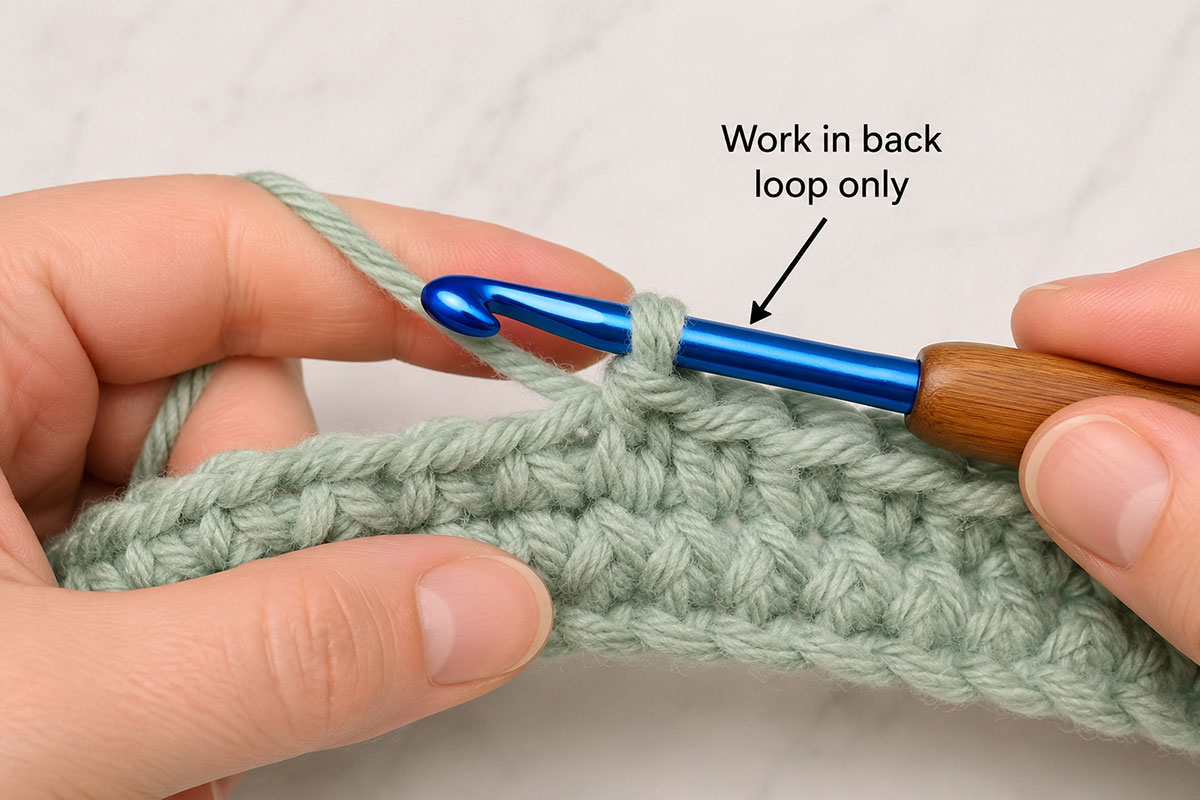
Fast Chunky Baby Blanket Crochet Instructions
Count the stitches every five rows. That quick check is less frustrating than finding a missing edge stitch after another foot of fabric has been added.
Do not fasten off if you plan to add the optional border. Otherwise, cut the yarn, leaving an 8-inch tail, and pull the tail through the final loop.
One-Row Repeat
Regular repeat row: Half double crochet through the back loop of every stitch across. Maintain the body stitch count established in Row 1; this is 52 stitches for the standard blanket. Chain 2 and turn.
Final row: Half double crochet through the back loop of every stitch across, maintaining the same body stitch count. Do not chain 2 or turn afterward.
Optional Easy Single-Crochet Border
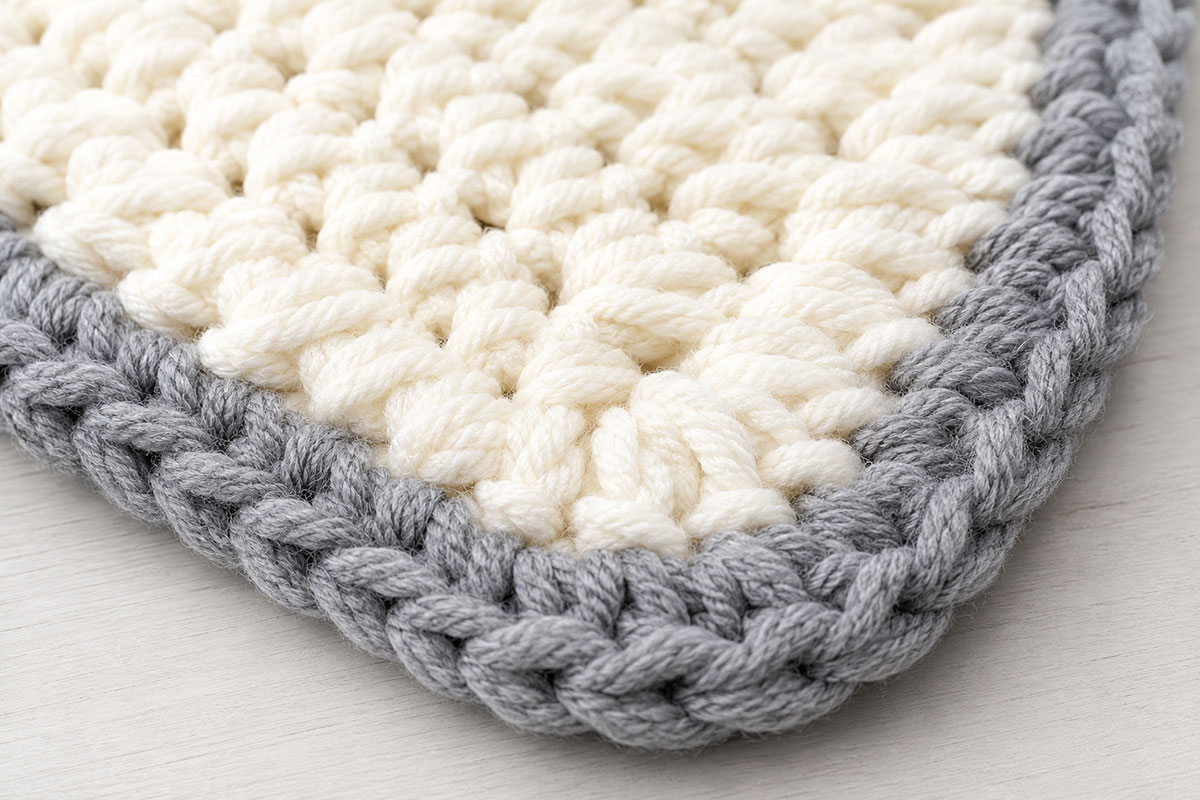
The ribbed blanket can be finished without a border. The rows already create a defined top and bottom edge, and careful stitch counting keeps the sides neat.
Add the border when you prefer a framed finish or need to tidy small variations along the side edges.
A contrasting border can look attractive, but it will draw attention to every corner. For the quickest polished result, use the same yarn and color as the blanket.
How to Resize the Chunky Baby Blanket
| Blanket Size | Approximate Finished Dimensions | Starting Chain | Approximate Main Rows |
|---|---|---|---|
| Small lovey | 18 by 18 inches | 34 | 23 |
| Baby blanket | 30 by 36 inches | 54 | 45 |
| Receiving blanket | 36 by 36 inches | 65 | 45 |
| Large baby blanket | 36 by 45 inches | 65 | 56 |
| Small throw | 45 by 55 inches | 81 | 69 |
The larger sizes will require considerably more yarn and will not be three-hour projects. Make a gauge swatch, calculate the yardage from the sample blanket and purchase an extra skein when you are uncertain.
More free projects are collected on the crochet baby blanket patterns page, including designs with lighter yarn, open stitches and different textures.
Finishing, Washing and Caring for the Blanket
Chenille and very plush yarns can slip more readily than smooth acrylic. Leave generous tails and weave them through a longer section of fabric rather than tying a small knot near the surface.
Wash and dry the blanket according to the instructions printed on the yarn label. Fiber content and care requirements vary, even among yarns that share the same weight classification.
Wash the completed blanket before giving it as a gift. Reshape it on a flat surface and allow it to dry completely before folding.
Check the blanket periodically for pulled loops, loose ends or damaged yarn. Repair any loose area before returning the blanket to use.
Baby Sleep Safety Reminder
A handmade blanket should not be placed loose in an infant’s crib, bassinet or other sleep space. The U.S. Consumer Product Safety Commission recommends a firm, flat sleep surface with a fitted sheet and no added blankets, pillows or other soft items. Review the current CPSC safe sleep guidance before using or gifting baby bedding.
For additional information about blanket uses and infant sleep considerations, visit the baby blanket guide.
Frequently Asked Questions
Can a beginner crochet this chunky baby blanket?
Yes. A beginner who already knows how to chain and make a half double crochet can follow the pattern. Practice identifying the back loop on a small swatch before beginning the full foundation chain.
What makes the blanket look ribbed?
Each half double crochet is worked through the back loop only. The unused front loop remains visible as a raised horizontal line. Repeating that placement in every row creates the thick ribbed surface.
Why is my blanket becoming narrower?
The first or final stitch is probably being skipped. Mark both edge stitches and count the body stitches at the end of every few rows. The standard blanket should contain 52 stitches; a resized blanket should retain the stitch count established in Row 1. Also check that the turning chain is not being counted as a stitch.
Why is my finished blanket a different size?
Your yarn, hook and tension may produce a different gauge. Measure after several rows and add stitches or change the hook size before continuing. You can also repeat the main row until the blanket reaches your preferred length.
Can I use size 7 jumbo yarn?
You can, but the gauge, yardage, weight and finished dimensions will change. Make a swatch and reduce the starting chain as needed. Jumbo yarn can also make the finished baby blanket considerably heavier.
Can I make the blanket with stripes?
Yes. Change colors at the end of a row and begin the next row with the new color. Wide bands will preserve the relaxed pace better than frequent color changes because there will be fewer yarn ends to weave in.
Does the blanket need a border?
No. The ribbed rows create an attractive finish on their own. Add the single-crochet border when you prefer a framed edge or want to even out small variations along the sides.
Is the three-hour completion time guaranteed?
No. It is an estimate for a crocheter who already knows the basic stitch and maintains the stated gauge. Beginners, tight crocheters and anyone stopping frequently should allow more time.
Can this blanket be used inside a crib?
Do not place a loose blanket in an infant’s sleep space. Follow current safe-sleep guidance and reserve the handmade blanket for supervised use, cuddling with an adult, stroller outings or display when the crib is not being used for sleep.
Where can I find more free baby projects?
Browse the free baby patterns collection for additional crochet, knitting, sewing and nursery craft ideas.
When you click on links to various merchants on this site and make a purchase, this may result in this site earning a commission. This does not affect the price you pay.

UBGI Gold Standard 2026
Reviewed under the site's
editorial checklist.
Photos, decorating ideas, party setups and reader submissions are shared for inspiration unless a page is specifically presented as a pattern, tutorial, reference guide or step-by-step project. Follow the instructions, measurements, safety guidance and manufacturer directions provided for the particular project or product.
About Jan | Contact | Baby Nursery Ideas (Blog) | Site Map | Privacy Policy | Disclosure Policy | Disclaimer | Affiliate Disclosure | Earnings Disclosure | Facebook | Pinterest
I am a participant in the Amazon Services LLC Associates Program, an affiliate advertising program designed to provide a means for us to earn fees by linking to Amazon. As an Amazon Associate I earn from qualifying purchases.
Copyright © 2006-2026. All Rights Reserved.