Baby Memory Book Ideas and Keepsakes for Boys and Girls
The idea of keeping a baby memory book usually comes up when parents realize how fast time is passing. One day you’re bringing your baby home, and the next you’re trying to remember when the first smile or first laugh happened. A baby memory book gives parents a simple place to keep notes, small keepsakes, and little moments they don’t want to forget. For busy families, and especially for parents of twins, having everything in one spot can make remembering those early days feel a lot easier.
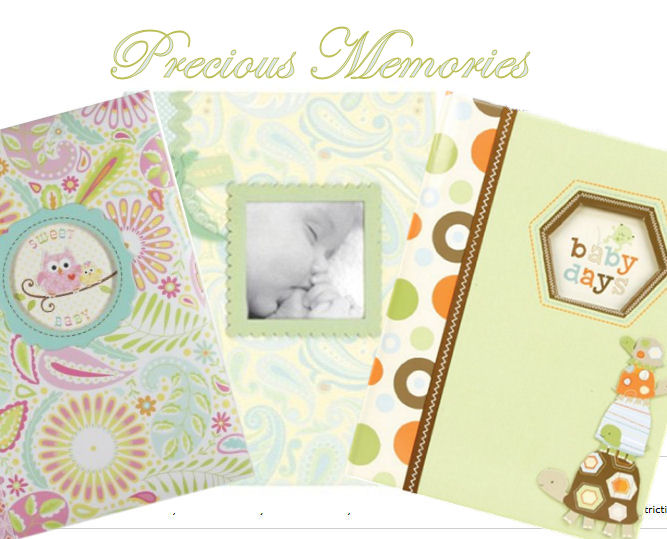
Baby memory book ideas: what you probably came here looking for
When someone searches “baby memory book ideas,” they usually want two things at once: a simple way to capture the sweet stuff, and a way to avoid buying a book that feels wrong the minute it arrives. I get it. A memory book can be adorable… and still be a pain to use. This page is here to help you sort the options, pick the kind that fits your real life, and figure out what to do next so the book doesn’t end up living in a drawer.
What to do next (quick and easy): decide whether you want a guided memory book (prompts already printed) or a free-form book (blank pages you can fill your way). That one choice will narrow everything down fast.
What a baby memory book actually is (and what it isn’t)
A baby memory book is basically a “home base” for the first-year highlights. Some are classic fill-in books with little prompts. Others look more like a scrapbook, a journal, or even a simple binder with pockets. The best ones feel friendly, not demanding. You’re not signing up for a homework assignment. You’re giving future-you a place to park the tiny details you don’t want to lose.
It also helps to separate a memory book from a memory stash. A book is where you record the story. A stash is where you toss the stuff you can’t bring yourself to throw away. When you keep those two jobs separate, the whole thing feels a lot more doable.
Did I buy the right things? A real-life “fit” check
Most regret happens for predictable reasons: the book has too many prompts, the pages are too tiny, the style doesn’t match your taste, or the format makes it annoying to add photos. I’ve also seen parents buy a baby memory book that’s cute for a nursery shelf, but not comfortable to actually write in.
Here’s the simple “fit” check I use: open it to a random page and picture yourself filling it out on a tired day. Do the prompts feel warm and normal, or do they feel like they’re judging you? Is there space for your handwriting, or is it a cramped little box? Does the book give you room for real life (messy, funny, sweet) or does it feel like it wants a perfect highlight reel?
Quick fit check
Pick three pages and scan the prompts. You want a book that helps you remember, not one that makes you feel behind.
Also check the photo situation. Some books are great for notes but awkward for pictures. Others are the opposite. A “both” book is wonderful when it’s designed well, but frustrating when it isn’t.
Prompts vs blank pages: the choice that changes everything
Prompt-style baby memory books are great for parents who like structure. They usually include the classics (birth details, first smile, first foods, favorite toys, little “about me” pages). Blank-page books work better for families who want flexibility, more room for photos, or a simple journal style.
I like prompts for the first month (when your brain is full) and more open pages later (when you’re collecting stories, not just dates). Some parents do a hybrid: a guided book plus one small notebook for “today was funny because…” moments.
Most parents choose
Most families end up happiest with a guided memory book that has plenty of open space. Too many prompts looks impressive at first, but it can feel like a lot once the baby is actually here.
What to put in it (without turning it into a craft project)
Let’s keep this realistic. The best baby memory books are made from tiny moments, not fancy supplies. A short note about a new sound your baby makes can matter more than a perfectly staged photo. Think “little snapshots,” not “museum exhibit.”
Here are memory book ideas that tend to feel meaningful years later: the day you brought baby home, the first time baby recognized your voice, a funny nickname that stuck, the songs you sang at 2 a.m., what baby calmed down to, what made baby laugh, what you were eating nonstop while pregnant, what the nursery looked like in real life (not the staged version), and what surprised you most that month.
- A short monthly note: one thing you loved, one thing that changed, one tiny detail you don’t want to forget
- A small “favorites” list (music, books, comfort items, silly little routines)
- A simple photo every month (same spot, same pose) so you can see the growth clearly
- One page for family sayings and nicknames (these disappear fast unless you write them down)
- A pocket page for flat keepsakes (hospital bracelet, shower card, ultrasound printout copy)
Making it easy to keep up with (so it doesn’t stall out)
A memory book works best when it lives where you already are. I’ve seen parents keep it on a shelf that looks pretty and never gets touched. The pages stay blank, and then it starts to feel “too late.” That’s not what we want.
What to do next: give the book a home in a normal spot you pass all the time, and choose one tiny rhythm that fits your week. For some families it’s “one note every Sunday.” For others it’s “write something when I’m already sorting photos.” Small beats big.
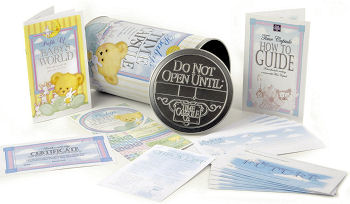
Also, it helps to pair your baby memory book with a simple keepsake container. A box is for the random treasures. The book is for the story. On my site, the memory-box approach overlaps a lot with my baby time capsule ideas, because the same kinds of items tend to show up in both.
Gifting a baby memory book without guessing wrong
A baby memory book is one of those gifts that can be deeply loved… or quietly set aside. The difference is whether it fits the parent’s style. Some parents want sweet and classic. Some want simple and modern. Some want themed pages that match the nursery vibe. Some want something plain that doesn’t scream “baby” on every page.
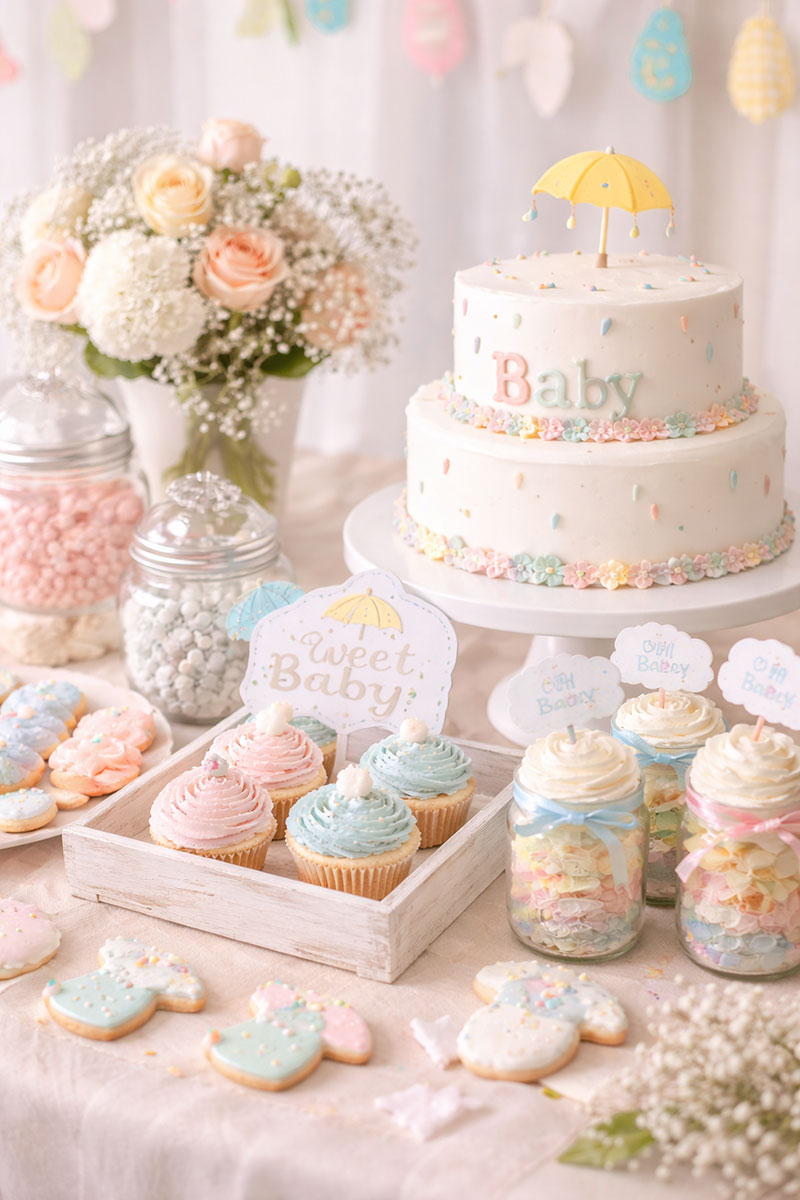
To make a memory book gift feel personal without being complicated, focus on the parent’s taste. If the family is doing a classic character nursery or shower theme, a themed book can be cute. If their vibe is neutral and modern, a clean, simple book usually lands better. For theme inspiration that often overlaps with keepsake choices, I keep a big roundup on my baby shower themes page.
Twins, busy schedules, and the “I’ll do it later” trap
When life is full (and it usually is), the trick is making the memory book light enough to keep moving. Twins add extra layers: two sets of milestones, two little personalities, and not nearly enough quiet time. The goal isn’t perfect documentation. The goal is a book that still feels like your family when you flip through it later.
Some parents do one shared book with a few “twin compare” pages. Others prefer two books with a shared keepsake box. Either way, keep the pressure low and the entries short. A few honest lines will beat a blank page every time.
If you only remember one thing
Choose a baby memory book that matches your energy, not your imagination. The “best” book is the one you’ll actually open.
Printing, photos, and keeping your memories readable
Photos are usually the part that slows people down. Not because they don’t have pictures, but because selecting and printing feels like a whole project. One simple approach is to pick one photo per month and print a small stack in batches. Another is to use a mix: a few printed photos plus written “tiny scene” notes that capture what the camera missed.
For general photo preservation basics (light, handling, and storage), the Library of Congress has a practical guide worth bookmarking: Caring for photographs.
What to do now (so this page turns into progress)
Pick a lane: prompts, blank pages, or a hybrid. Then decide what your “minimum entry” looks like. Mine is simple: one sentence, one date, one photo when I can. That’s it. No fancy supplies required.
Near the end of pregnancy, lots of parents also start collecting memories around celebrations and photos. If you’re building a keepsake trail from bump to baby, my maternity section can pair nicely with memory book pages, especially around outfits and photo moments. The maternity photo shoot ideas page is a good place to start.
And when you want a fresh dose of cozy nursery inspiration that you can also print and tuck into a memory book later, I keep that kind of real-life content flowing on the Baby Room Ideas blog.
What Keepsakes Did You Put Inside Your Baby's Memory Book
Many parents save small keepsakes and notes from their baby’s early days, but everyone chooses different things. Some people keep photos, some save cards or notes, and others tuck away tiny items that remind them of a moment in time.
If you’ve created a baby memory book or keepsake collection, you’re welcome to share what you chose to include and why it mattered to you.


When you click on links to various merchants on this site and make a purchase, this can result in this site earning a commission. Affiliate programs and affiliations include, but are not limited to, Amazon and the eBay Partner Network such as the ones to your left on this page. Please see our Affiliate Disclosure page for more information.
More UBGI: RSS Feed | Facebook
About Jan | Contact | Baby Room Ideas (Blog) | Site Map | Privacy Policy | Disclosure Policy | Disclaimer | Affiliate Disclosure | Earnings Disclosure | Facebook | Pinterest
I am a participant in the Amazon Services LLC Associates Program, an affiliate advertising program designed to provide a means for us to earn fees by linking to Amazon.
Copyright © 2006-2026. All Rights Reserved.