Cheap Baby Cribs: Styles, Size Profiles, and Product Standards
Cheap baby cribs are widely available across a range of designs, materials, and price categories. Budget-priced cribs are manufactured under established
product standards information
and are commonly used in nurseries of varying sizes and layouts. Differences among low-cost crib models often relate to construction materials, configuration options, and overall footprint rather than appearance alone. This page presents an overview of inexpensive crib styles, size profiles, and product standards information.
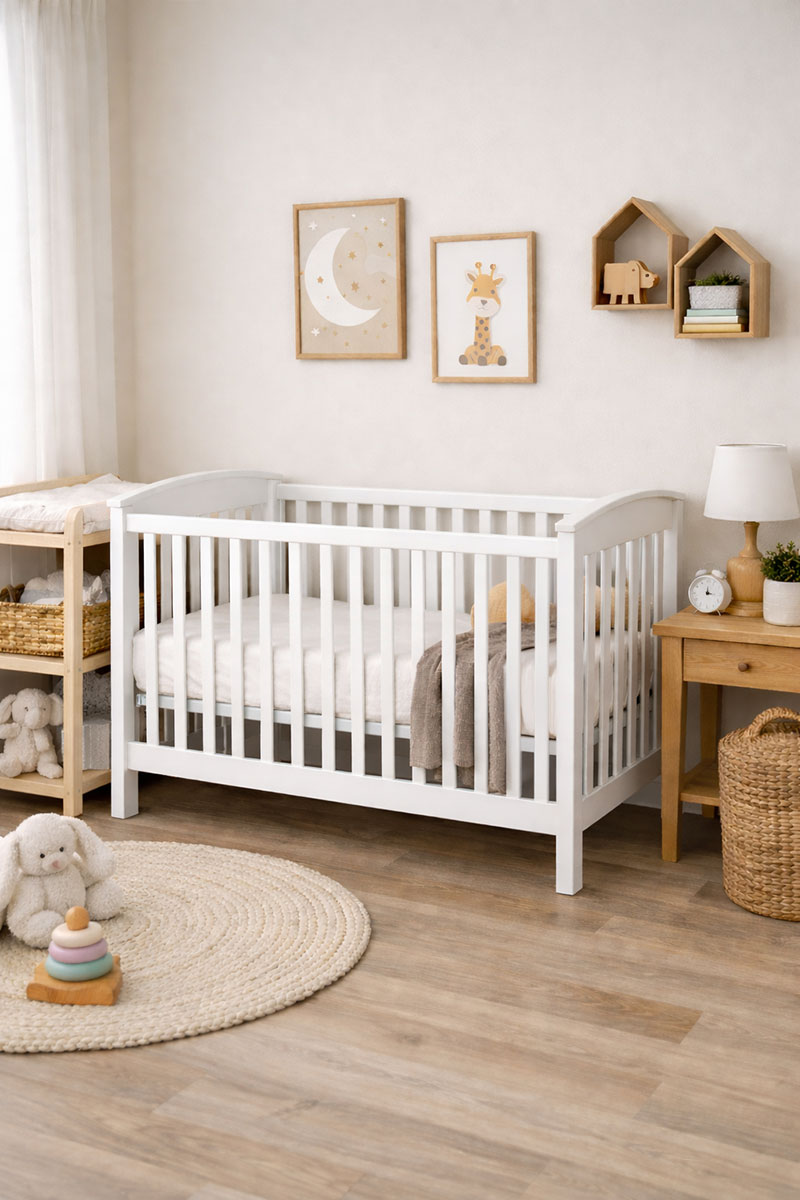
Cheap baby crib construction and stability overview
Affordable crib models are commonly described in relation to price ranges, construction consistency, and observable stability characteristics. Many budget cribs reflect simplified designs that emphasize core structural elements rather than decorative features. These products are frequently associated with smaller nurseries, shared rooms, or temporary settings, alongside published product standards information.
Cheap baby crib categories typically include standard cribs, compact footprint designs, and entry-level convertible formats. Each category reflects variations in material thickness, joint configuration, and overall frame layout. These distinctions are commonly noted in product descriptions and manufacturer listings rather than visual styling alone.
Cost-related design distinctions in budget cribs
Budget-priced cribs often reflect cost differences through reduced ornamentation, limited finish selections, and streamlined component profiles. In many cases, these distinctions are associated with simplified rail shapes or fewer integrated features. Core structural elements, including mattress platforms and frame alignment, remain common points of comparison across models in this price range.
Differences between lower-cost and higher-priced cribs are frequently observed in surface treatments, accessory compatibility, and included components rather than basic frame geometry. Product listings and summaries typically describe these variations as manufacturing distinctions rather than performance claims.
Crib size and room fit reference
Crib size profiles are commonly discussed in relation to room dimensions, furniture spacing, and surrounding clearance. Compact crib formats are frequently associated with smaller nurseries, apartments, or shared spaces. Standard crib footprints are typically listed alongside mattress sizing compatibility and dimensional specifications in manufacturer materials.
Room layout discussions often reference the spatial relationship between cribs and nearby furnishings, such as dressers or storage units. These descriptions are generally presented as layout context rather than usage direction.
For additional background on nursery furniture layouts, related information appears here: Do you really need a changing table?
Product standards information referenced for budget cribs
Modern crib manufacturing reflects published product standards information that applies across price categories. Fixed-side crib designs, standardized mattress dimensions, and consistent rail spacing are commonly cited characteristics in product descriptions for both budget and premium models.
Discussions of previously owned cribs often reference production periods, discontinued designs, and the availability of original components. Related background material appears here: used crib information
Common build consistency descriptors
Crib frame alignment and joint integrity are commonly referenced as indicators of overall build consistency. Manufacturer materials and product summaries frequently describe even spacing and frame uniformity as observable attributes.
Observable build quality characteristics
Build quality descriptions often focus on joint construction, fastener uniformity, and mattress support structure. These characteristics are typically identified through specification listings and visual descriptions rather than specialized analysis. Repetition of similar observations across summaries is common for widely distributed budget crib models.
Hardware availability and component reference information is frequently organized by brand. Related reference material appears here: Crib parts help for missing bolts, screws, and hardware
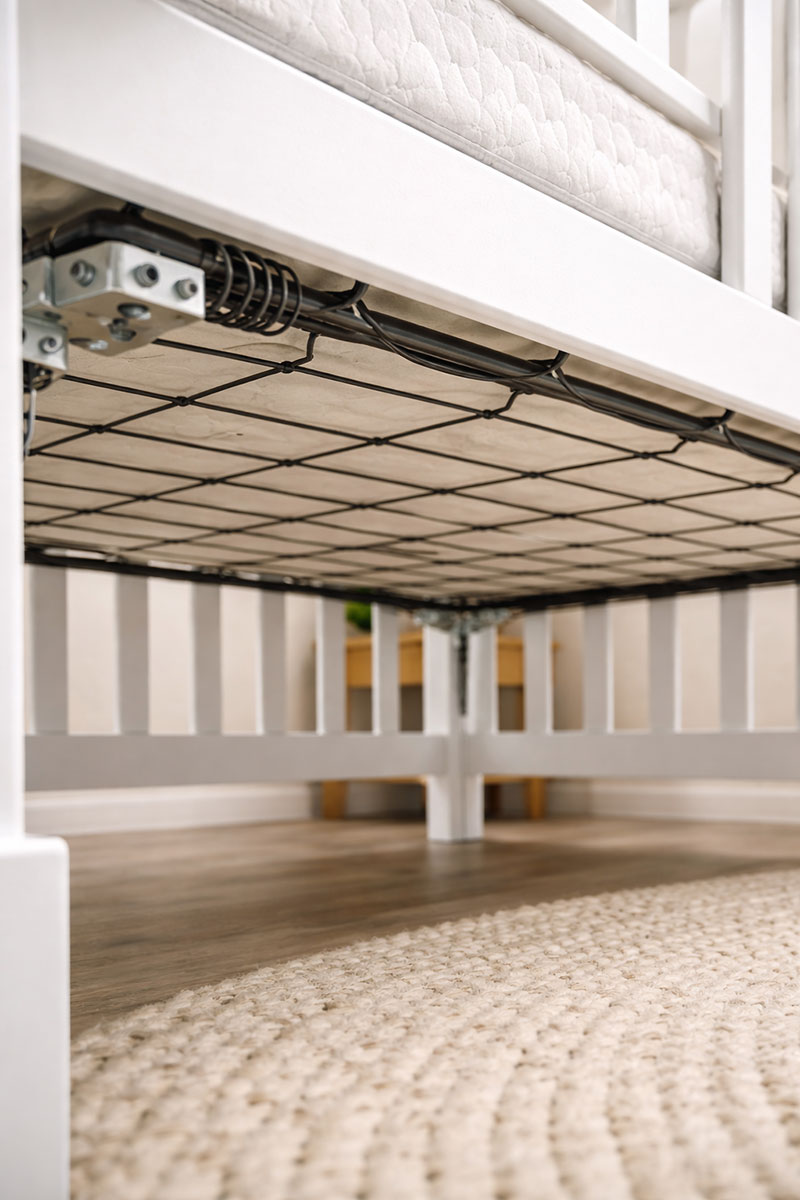
Convertible crib formats in lower price ranges
Convertible cribs are commonly described in terms of configuration formats and associated component listings. Budget-priced convertible models may reference separate conversion kits, alternate rail sets, or optional hardware within their specifications. These details are typically outlined in manufacturer materials.
Background information comparing convertible and standard crib formats appears here: Convertible crib format overview
Related crib format references
Travel cribs are sometimes referenced alongside budget cribs when describing temporary or secondary sleep environments. One commonly referenced example appears here: BabyBjörn travel crib . These comparisons typically reference footprint, portability, and mattress structure.
Standard crib formats remain widely represented across budget categories, particularly when paired with compatible mattresses and basic layouts. Convertible options are also present within this price range, with varying levels of long-term configuration support.
Mattress sizing and bedding compatibility notes
Crib mattress compatibility is commonly described in relation to standard sizing conventions and bedding availability. Budget cribs aligned with standard mattress dimensions are frequently noted for broader sheet compatibility. Mattress thickness and compression characteristics are often included in product descriptions.
Additional background on mattress characteristics appears here: Crib mattress thickness and firmness
Furniture acquisition timing and phased nursery setups are discussed in more detail here: When should you start buying baby furniture?
Hardware and component reference notes
Frame alignment and hardware fit are commonly listed as acknowledged features in product descriptions. Variations in stability are often attributed to component alignment rather than material grade alone.
Brand-organized component reference information appears here: Crib replacement parts by brand, hardware, and common problems
Authoritative product standards reference
Product standards information related to crib manufacturing and consumer products is published by federal agencies. One commonly referenced source is the U.S. Consumer Product Safety Commission, which maintains publicly accessible materials related to crib specifications.
CPSC crib specifications reference
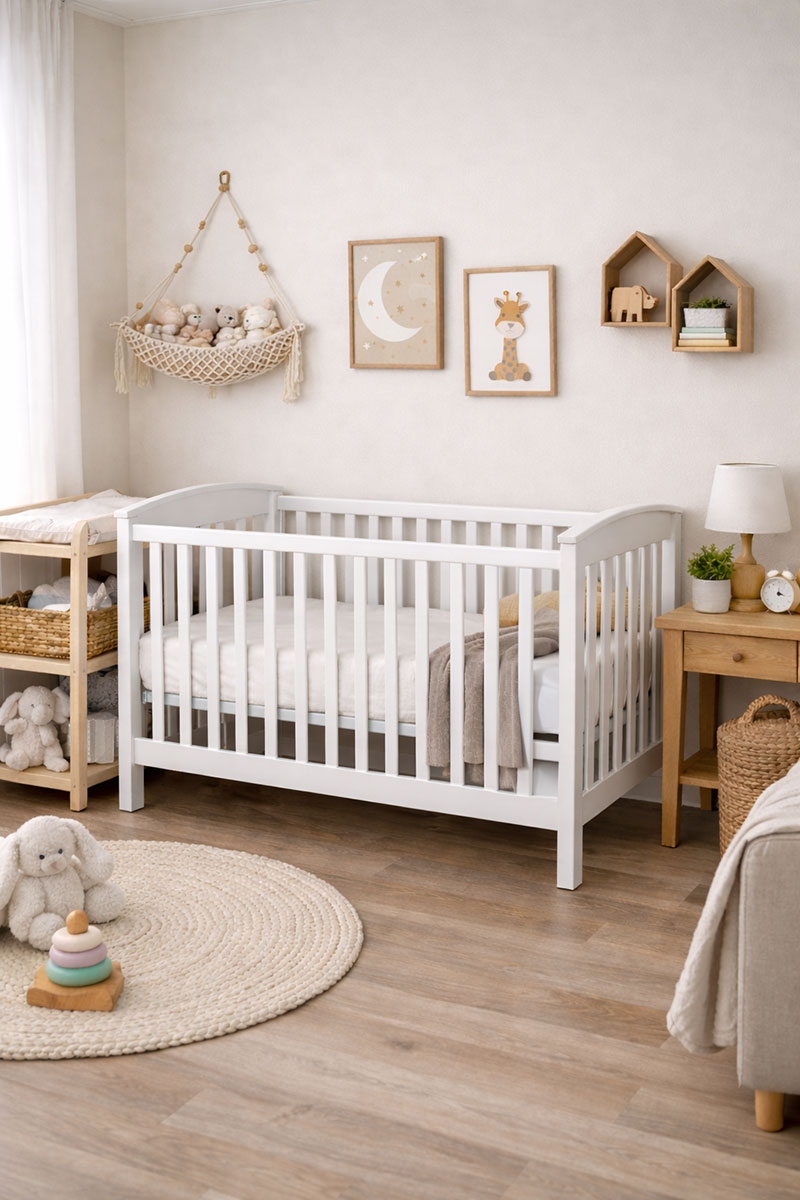
Summary comparison points commonly listed for budget cribs
Crib comparison discussions frequently reference frame geometry, mattress platform design, and the availability of manufacturer support materials. These points are commonly summarized in product listings and overview summaries without added interpretation.
A broader overview of nursery furniture quantities appears here: How much baby furniture do you really need?
Documentation continuity and model reference
Product summaries frequently emphasize model identification, documentation availability, and long-term component continuity. These elements are typically listed in manufacturer materials and retailer descriptions. Many product pages reference the retention of model details for ongoing reference.
Hardware reference pages and manufacturer materials are commonly cited as continuing information resources associated with crib ownership.


About Jan | Contact | Baby Nursery Ideas (Blog) | Site Map | Privacy Policy | Disclosure Policy | Disclaimer | Affiliate Disclosure | Earnings Disclosure | Facebook | Pinterest
I am a participant in the Amazon Services LLC Associates Program, an affiliate advertising program designed to provide a means for us to earn fees by linking to Amazon. As an Amazon Associate I earn from qualifying purchases.
Copyright © 2006-2026. All Rights Reserved.