Nursery Rocking Chair vs Glider: Which One Do Parents Regret Later?
Nursery rocking chair regret usually shows up after real life begins in the baby’s room. A chair can look charming in photos, but if it creaks, sits too low, blocks crib access, or makes nighttime feeding uncomfortable, it becomes one of the first nursery choices parents wish they had questioned earlier.
Quick nursery chair help:
How much space do you need for a nursery recliner?
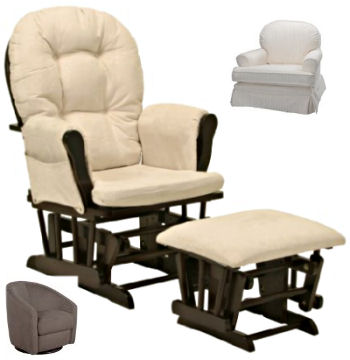
Shopping note: Before choosing a nursery chair, compare seat height, arm support, noise, motion style, and how easy it is to stand up while holding a baby.
Jump to what matters most:
Nursery Rocking Chair vs Glider Problems Start Showing Up After a Few Sleepless Nights
The nursery chair can seem almost interchangeable during setup. Then a week of overnight feeds changes the entire opinion of it. Some chairs become the favorite spot in the room. Others start causing sore shoulders, awkward posture, noisy movement, or frustration every time someone tries to stand up while holding a sleeping baby.
A nursery rocking chair creates a different daily experience than a nursery glider once real feeding routines begin. Rocking chairs move more freely and often look lighter inside the room, while gliders tend to provide steadier motion and more controlled support during longer feeding sessions. The differences become much more obvious once the chair gets used several times every night.
The wrong nursery chair becomes annoying surprisingly fast.
That usually begins around the third or fourth night when exhaustion starts magnifying every small irritation.
Compare nursery recliners vs gliders before choosing a chair
Nursery Rocking Chair vs Glider Comfort Changes After Long Feeding Sessions
A rocking chair and a glider may both seem comfortable during a five minute showroom test, although overnight use exposes completely different strengths and weaknesses.
Traditional rocking chairs move in a larger arc. Some people love that movement because it creates a more natural rhythm while calming a baby. Others discover that the wider motion becomes tiring after repeated feeding sessions.
Gliders create more controlled movement with less effort from the parent. That smoother motion often becomes appreciated around the second week when sleep deprivation starts catching up with everyone.
One nursery chair I sat in looked perfect online, then the seat cushion compressed so much after a month that standing up while holding the baby felt like getting out of a low sports car.
That type of issue rarely appears in reviews because it develops slowly.
Gliders also tend to support elbows better during feeding. Some rocking chairs leave arms hanging lower than expected once a feeding pillow enters the picture.
For nursing-specific comfort details, my guide to the best nursery glider for breastfeeding explains which arm height, seat depth, and one-hand reach features matter most during longer feeding sessions.
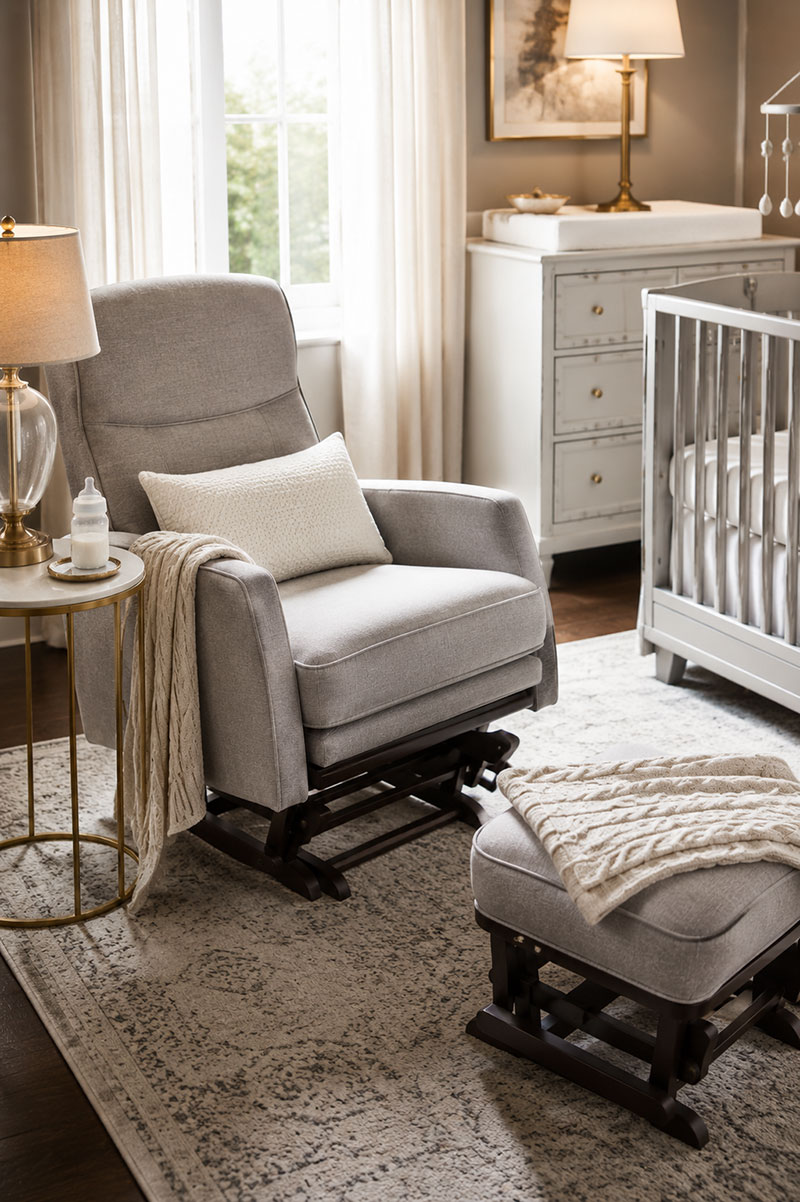
Night Feeding Reveals Problems That Showroom Testing Misses
The nursery chair becomes part of the nighttime survival routine almost immediately.
A chair that seems comfortable during daytime shopping can become frustrating after forty minutes of feeding in low light while someone tries not to wake the baby during transfers.
Seat height becomes extremely important during overnight use. Chairs that sit too low often force awkward movement while standing up with a sleeping infant pressed against your chest.
Taller parents run into a different kind of fit problem, and my guide to the best nursery chair for tall parents explains why back height, seat depth, and leg room matter before choosing a rocker or glider.
I believe this is one of the biggest reasons certain nursery chairs stop getting used after the newborn stage.
Back support also matters more than people expect. Chairs with flatter cushions often become uncomfortable once feeding sessions stretch longer during growth spurts.
One rocker looked charming in photos, although the wood arms became uncomfortable against elbows after repeated nighttime feeds.
See how nursery chair spacing affects room layout

Small Nursery Chair Mistakes Become Obvious Every Day
Small nurseries expose chair problems much faster because there is less room to hide awkward furniture choices.
A tighter room needs a chair that works with the layout instead of fighting it, so my guide to the best nursery chair for small spaces can help narrow the choice before buying.
Many nurseries in the United States are created inside former guest rooms where chair size suddenly matters once the crib, dresser, hamper, blackout curtains, and storage baskets all enter the room together.
Some oversized gliders dominate the nursery visually even before anyone sits in them.
Traditional rocking chairs often appear less bulky because more floor remains visible underneath the chair frame. That can help tighter nurseries feel less crowded once everything is assembled.
One room looked perfectly balanced during decorating, then the ottoman became a nightly trip hazard once someone started crossing the room in near darkness.
That problem never crossed anyone’s mind during setup.
For help choosing a chair spot before the room gets crowded, see my where to put a recliner in a nursery guide before finalizing the chair corner.Compare gliders, rockers, and recliners for nursery comfort

Nursery Chair Noise Starts Mattering At Two In The Morning
Chair noise sounds minor until the house becomes completely quiet.
Some wooden rocking chairs begin creaking after several months of nightly use, especially across hardwood flooring. Certain gliders also develop clicking sounds around the track mechanism once movement becomes repetitive.
Those sounds become far more noticeable during nighttime feeds because the room stays silent except for the chair.
One parent described stopping halfway through standing up because the rocker squeaked every time body weight shifted forward.
That small irritation slowly changed how often the chair was used.
Gliders generally move more quietly than older style rockers, although build quality matters more than category alone.

The Nursery Chair Complaints Parents Mention Later
Several nursery chair regrets appear repeatedly after weeks of daily use.
- Seats sitting too low
- Hard chair exits while holding a sleeping baby
- Wood arms pressing into elbows
- Chair cushions flattening quickly
- Noisy rocker movement at night
- Ottomans becoming nighttime obstacles
- Seat depth causing poor posture
- Hot fabric during longer feeds
- Loose glider mechanisms developing clicks
- Insufficient neck or shoulder support
Many of these issues never appear during shopping because most people test the chair for only a few minutes.
Flattened padding is one of the easier problems to fix, and my guide to replacement cushions for gliders and rocking chairs explains what to check before giving up on the whole nursery chair.
The nursery itself changes how the chair behaves once real routines begin.
Browse more nursery furniture planning ideas
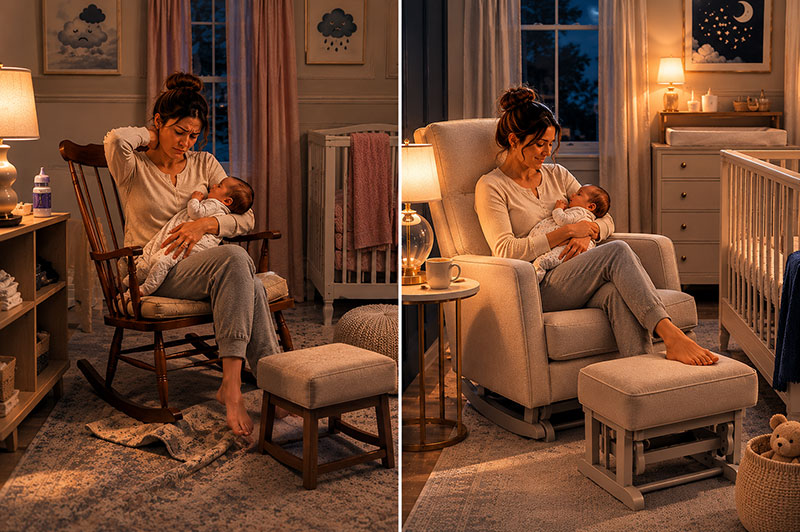
What To Test Before Buying A Nursery Rocking Chair Or Glider
Testing the nursery chair properly matters far more than comparing fabric swatches.
- Test how easily the chair exits
- Check elbow support height
- Sit in the chair for longer than five minutes
- Listen for movement noise
- Check seat depth
- Test back and neck support
- Measure ottoman placement
- Check whether the chair slides on rugs
- Compare cushion firmness
- Verify nursery traffic flow
One surprisingly helpful trick is bringing a large pillow into the chair while testing it. The chair often sits completely differently once your arms are positioned like they would be during actual feeding sessions.
The U.S. Consumer Product Safety Commission also recommends maintaining clear pathways around nursery furniture and crib areas.
Review current U.S. safe sleep guidance from the CPSC
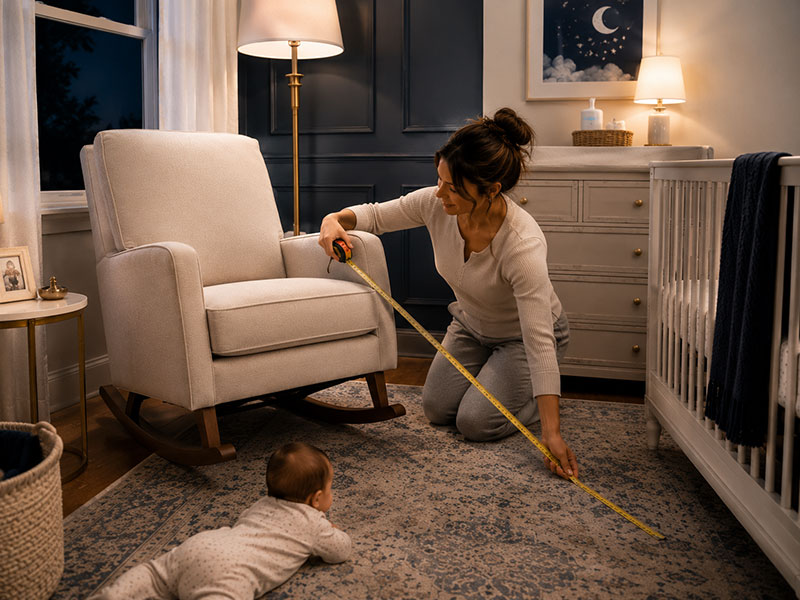
Nursery Rocking Chair vs Glider FAQ
Is a rocking chair or glider better for a nursery?
That depends on room size, feeding comfort, and motion preference. Gliders usually provide steadier movement and more arm support, while rocking chairs often take up less visual space.
Why do some parents stop using nursery rocking chairs?
Some rocking chairs become uncomfortable during longer feeding sessions or develop noise problems after repeated nightly use.
Are gliders quieter than rocking chairs?
Many gliders operate more quietly than traditional wooden rockers, although construction quality makes a major difference.
What nursery chair works best for overnight feeding?
Chairs with supportive arms, stable back support, and easier standing height generally work better during repeated nighttime feeding sessions.
Can a nursery rocking chair work inside a small room?
Yes. Many rocking chairs fit tighter nurseries more comfortably because the chair footprint often appears visually lighter than oversized gliders or recliners.


About Jan | Contact | Baby Nursery Ideas (Blog) | Site Map | Privacy Policy | Disclosure Policy | Disclaimer | Affiliate Disclosure | Earnings Disclosure | Facebook | Pinterest
I am a participant in the Amazon Services LLC Associates Program, an affiliate advertising program designed to provide a means for us to earn fees by linking to Amazon. As an Amazon Associate I earn from qualifying purchases.
Copyright © 2006-2026. All Rights Reserved.