Baby Safety Gear: What Matters Most for Everyday Baby Care
Shopping for and buying baby safety gear can feel unbelievably overwhelming when you’re preparing your home for a new baby.
It’s common to worry about whether the right choices are being made. That feeling can be intense at the beginning, but the reality is that a small number of well-chosen items often make daily routines feel more manageable and predictable as everything comes together.
Shop my list of top rated baby safety gear
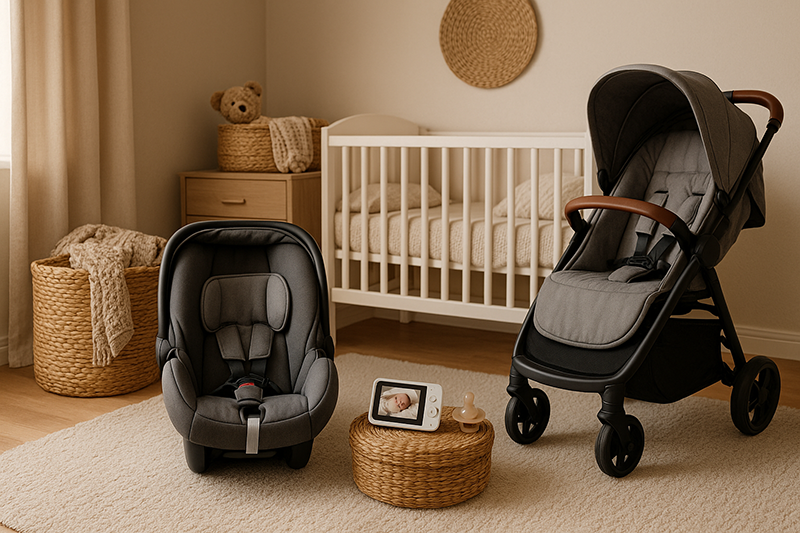
A soft, neutral nursery scene showcasing must-have baby safety gear essentials.
I remember standing in the aisle with my first monitor and car seat combo, realizing how many decisions new parents are suddenly expected to make — and how reassuring it felt once I finally understood what actually mattered. This page brings all of that clarity together for you, from must-have essentials to simple tips that ease the learning curve and help you feel confidently prepared.
If you're also sorting through all the questions that come up during pregnancy — from nursery safety to baby gear to photo shoots — my new Pregnancy Questions Hub covers the most common topics moms-to-be are searching for right now.
You might be of the mind that baby safety gear isn't as important before those first steps are taken. It’s easy to underestimate how early these considerations begin. It does matter because these early months are also filled with constant movement, exploration, and tiny surprises you don’t always see coming.
The right essentials tend to work quietly in the background during everyday routines, supporting movement, comfort, and visibility as families move through their homes from moment to moment.
These aren’t bells-and-whistles items—they’re the quiet helpers that make your home feel calmer and more prepared. Keep scrolling, because I’m about to walk you through exactly what each category does and how to choose pieces that truly make a difference.
As the necessary pieces come together, it helps to think of baby safety gear in simple, practical categories—nursery-related items, everyday gear like strollers and car seats, and smaller tools that support feeding, sleep, and diaper-change routines. Grouping items this way keeps the process from feeling overwhelming and makes it easier to focus on what fits a home’s layout and daily rhythm. Each category serves a different role, helping distinguish between items that are commonly used, those that may be situational, and those that support smoother routines over time.
It’s also important to remember that baby safety gear is not one-size-fits-all, and not every item mentioned on this page is required for every home. Some setups rely on only a small selection of tools based on layout, routines, and personal preferences, while others evolve over time as mobility increases. This guide is meant to explain common options and how they are typically used—not to suggest that safety comes from purchasing equipment alone. Supervision, proper setup, and following manufacturer and regulatory guidance always matter more than any single product.
Essential Categories of Baby Safety Gear
Understanding how baby safety gear is commonly grouped makes the selection process far more manageable. Rather than purchasing items at random and hoping they cover every situation, this breakdown organizes gear by how it’s typically used in daily life—at home, during routines, and while out and about. Seeing everything in context helps the bigger picture fall into place.
Below is an overview of five core categories commonly referenced as babies grow and become more active. Whether setting up a nursery for the first time or adjusting an existing space, this framework makes it easier to evaluate which items are commonly used, which may be situational, and how different choices fit into real-life routines without guesswork.
Nursery Safety Gear Every Parent Should Have
The nursery is where your baby will spend the most time, so this is the best place to start building a safe, calm foundation. A few thoughtfully chosen items—like a reliable baby monitor, a properly assembled crib, breathable bedding, and soft lighting—quietly reduce risks while making everyday routines feel smoother and more peaceful. Even something as simple as anchoring the dresser or adding a no-tip hamper can make a big difference once your baby starts rolling, scooting, or pulling up.
If you're still setting up your nursery theme or gathering ideas, you may enjoy exploring my Baby Nursery Themes page for inspiration. Many of the cozy, curated rooms you’ll see there naturally integrate safety-friendly layouts and storage solutions that blend beautifully with your décor.
Next, I’ll outline the specific nursery gear I recommend, along with the features that tend to matter more than packaging claims, helping clarify which options are most practical for everyday use.
See the most trusted baby monitors
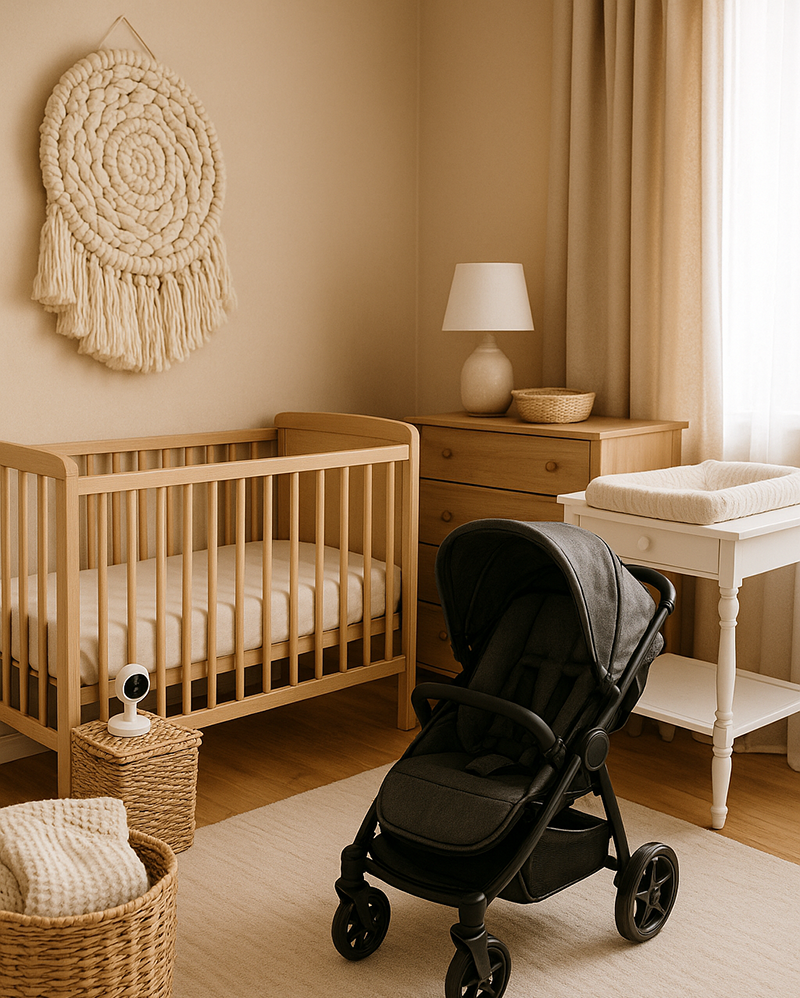
A warm, softly lit nursery with a baby monitor positioned close to the crib.
This page explains common categories of baby safety gear used in U.S. homes and how they typically support everyday routines, not how to install or use specific products.
Crib & Sleep Gear for Everyday Rest
Sleep routines typically start with a crib that meets current safety standards and a thoughtfully arranged setup designed for naps and nighttime rest.
If you’re still deciding which crib style or configuration works best for your space, my baby cribs guide breaks down common crib types, safety considerations, and layout options in one place.
Part of creating a safe sleep setup also involves understanding how a convertible crib transitions from infancy into the toddler years, so the crib continues to support safe sleep as your child grows.
For a clear overview of current crib safety standards, proper mattress fit, and which add-on products to avoid, see my guide on how to choose a safe crib for a baby nursery.
Even if your nursery is styled with layers of soft textures and cozy accents, the sleep area itself should stay simple and breathable. A firm mattress, a fitted sheet, and plenty of open space are the essentials that matter most—everything else is optional décor you can enjoy from a distance. For the latest guidance on safe sleep setups, refer to the CPSC 2025–26 infant sleep safety standards, which outline recommended practices for cribs, bedding, and nursery furniture.
For a closer look at how fitted sheets affect sleep safety and mattress fit, see my detailed guide on choosing crib sheets that stay snug. .
This is also a good time to double-check that your crib model hasn’t been recalled and that all hardware is tightened properly. If you’re unsure, my crib instructions and hardware guide is a helpful place to start.
If you’re working with a Graco crib and need help identifying your model or locating the correct hardware booklet, my Graco crib assembly instructions guide offers clear steps you can follow at your own pace.
As babies grow and begin to roll, scoot, and move more independently, the sleep area is often kept simple and uncluttered. A properly assembled crib, a firm mattress with a well-fitted sheet, and a surrounding area free of loose items support consistent sleep routines. Outside the crib itself, wall-anchored furniture and wearable sleep options such as sleep sacks—when appropriate for age and development—fit naturally into nighttime habits without adding anything inside the sleep space.
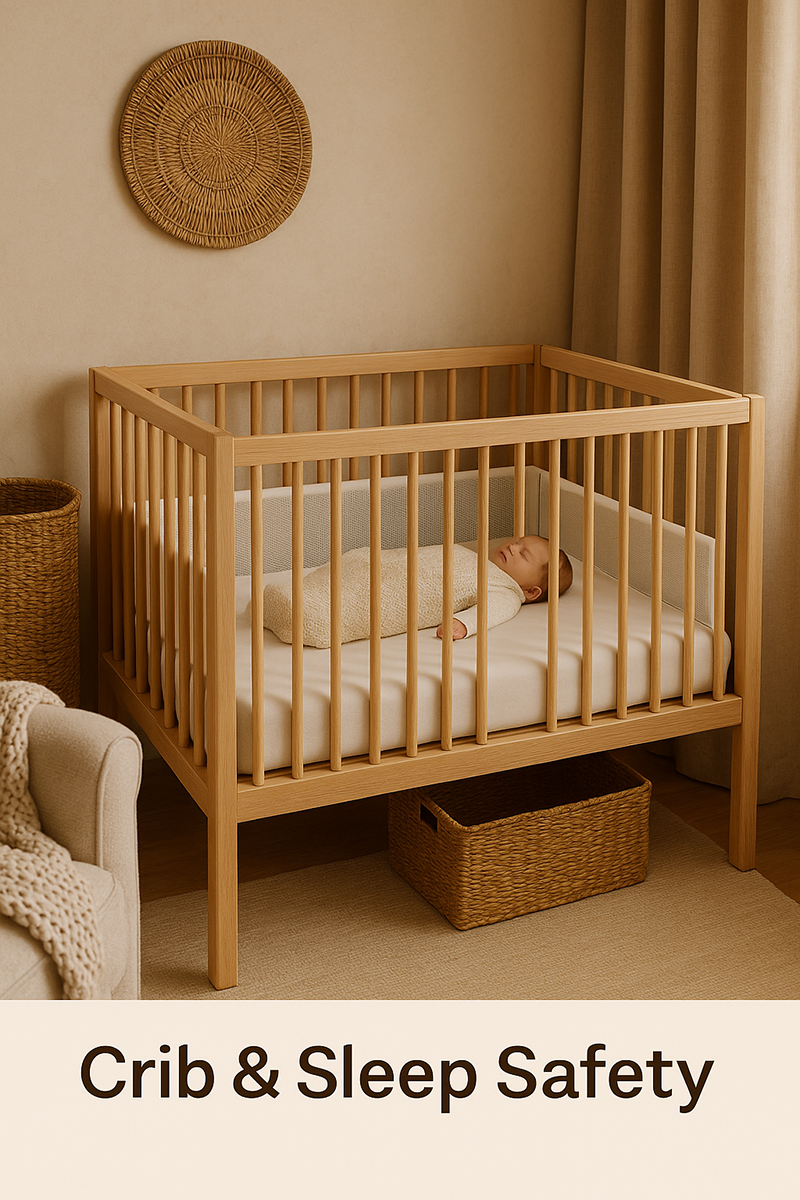
A peaceful crib setup featuring a firm mattress, breathable mesh bumpers, and a cozy sleep sack for safe naps and nighttime sleep.
Changing Area & Daily Routine Baby Safety Gear
The changing area is one of the most frequently used spaces in a nursery, especially during the early months when daily routines revolve around feedings, diaper changes, and getting settled. Because this spot is used so often, attention is often given to how the area is arranged, which items are kept within reach, and how the setup fits into the overall flow of care throughout the day.
For families who want a cohesive look, it’s very common to blend practical organization with decorative elements. Neutral baskets, soft lighting, and thoughtfully arranged shelving are often chosen to keep essentials nearby while maintaining a calm, visually balanced space. If you’re looking for visual inspiration, the Nursery Ideas gallery includes many real-life changing areas that reflect how parents combine function and style in everyday use.
The image below highlights a typical changing setup found in many homes, showing how families often arrange this space to support daily routines while keeping the overall nursery feeling warm and intentional.
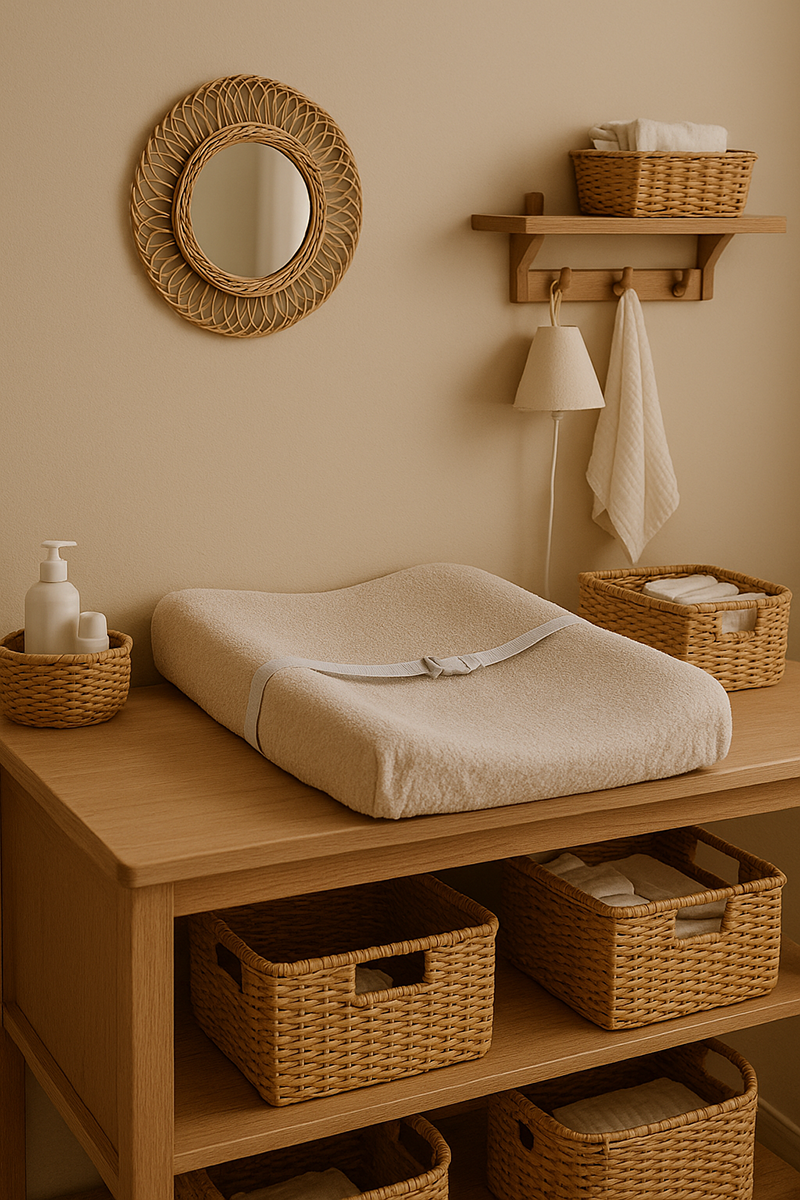
A safe, well-organized changing area featuring a contoured safety pad with a strap, soft neutral storage baskets, and easy-access essentials for daily routines.
Choosing the right baby safety gear often helps daily routines feel more settled and easier to manage as activity levels increase.
Nursery Furniture & Stability Considerations
As babies grow and become more mobile, a fresh look is often taken at how nursery furniture is arranged and used. Items such as dressers, bookshelves, and storage units play a central role in organizing the room, which naturally draws attention to placement, balance, and how the space functions during everyday routines.
When working with heirloom pieces, thrifted furniture, or items repurposed for nursery use, stability is often considered alongside overall room style. Elements such as wall-anchored furnishings, thoughtfully arranged shelving, and well-balanced storage solutions are commonly used to keep the space feeling orderly and intentional. For visual inspiration, the Real Nursery Ideas page includes room tours that show how practical layouts blend naturally with personal design choices.
The image below highlights a nursery setup commonly used, featuring coordinated furniture placement and low-profile storage within a warm space as routines continue to evolve.
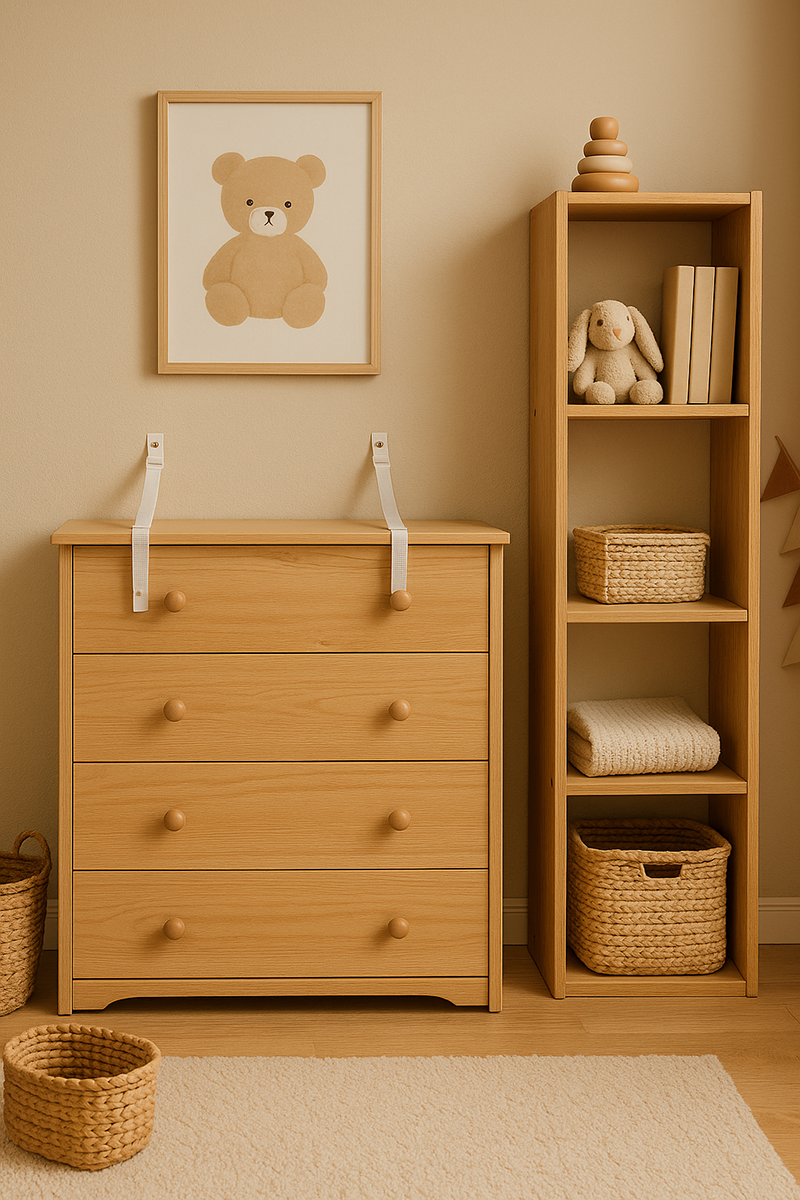
A cozy nursery featuring a dresser and shelving unit positioned flush against the wall, with a clean, balanced layout that reflects how furniture is often arranged as rooms evolve.
Nursery Lighting & Monitoring Safety Gear
Nursery lighting often becomes more important as routines take shape, especially during nighttime feedings and diaper changes. Softer, adjustable lighting can feel calm and unobtrusive, allowing the room to remain comfortable and easy to move through during overnight care without fully waking the space.
Monitoring tools are another feature parents commonly consider when setting up a nursery. Baby monitors vary widely in style and functionality, and families often compare features like image clarity, connection type, and flexibility of use based on their own routines and preferences. If you’re exploring different approaches to lighting and monitoring, my Nursery Lighting page offers visual examples that show how these elements are often incorporated into real nursery spaces.
As rooms come together, baby safety gear often functions as background support—items that quietly fit into daily life and help routines feel more settled and manageable over time.
The image below highlights a softly lit nursery corner styled to reflect how families often combine lighting and monitoring features in a calm, balanced way.
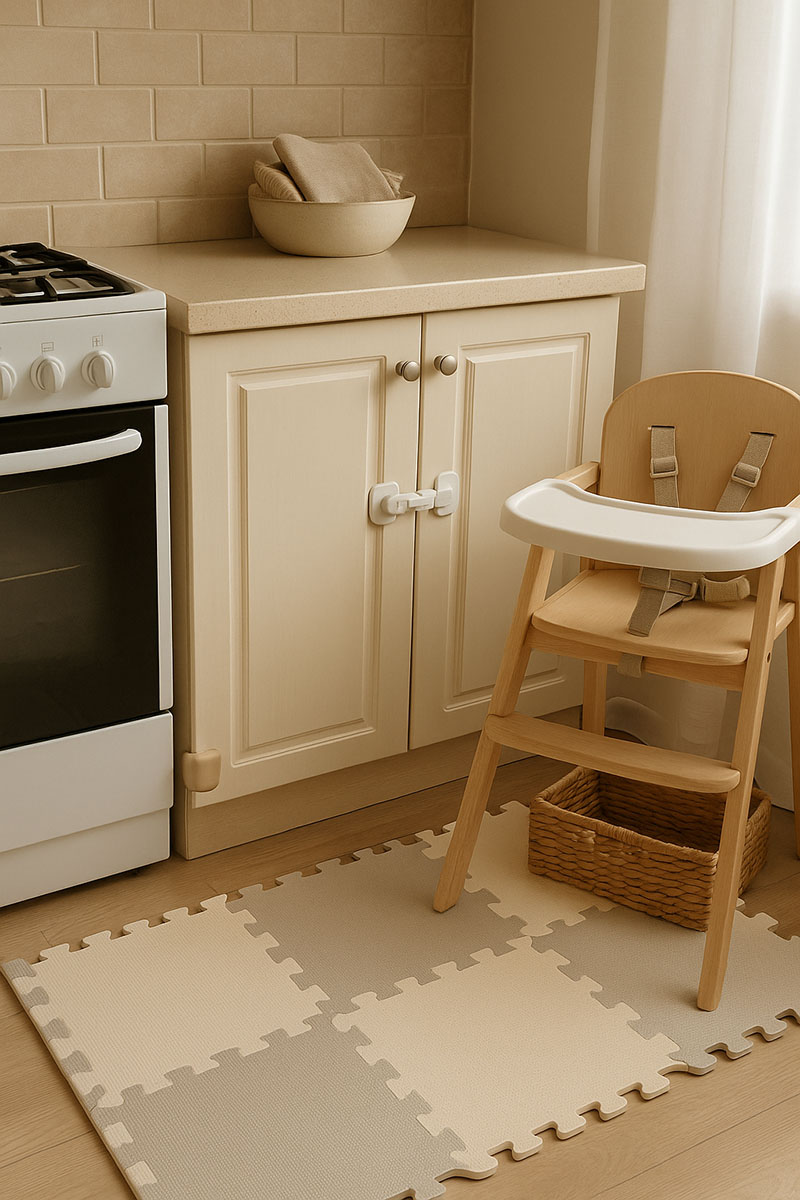
A cozy kitchen corner featuring cabinet locks, a high chair with a five-point harness, and soft flooring that supports everyday meals and nearby playtime.
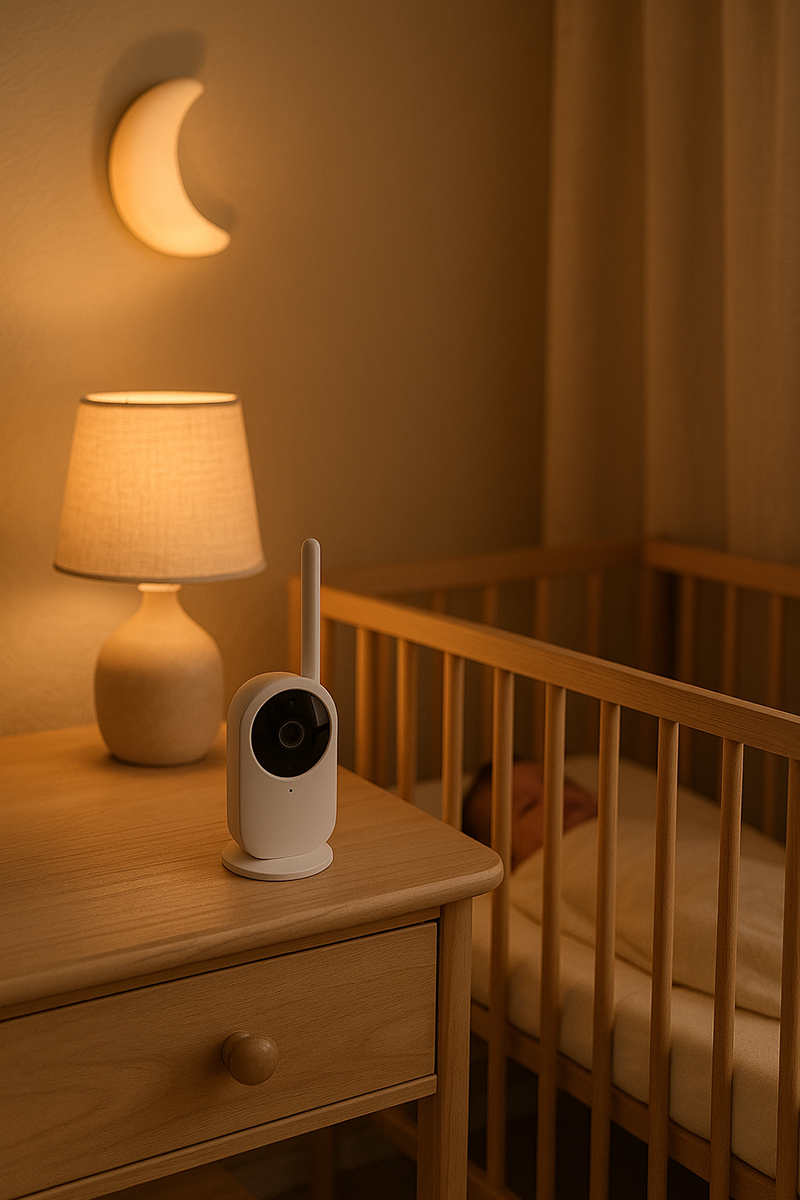
See the most trusted baby monitors and nursery lighting picks
A softly lit, warm nursery scene featuring a baby monitor placed safely on a dresser and a gentle crescent moon night-light near the crib.

Travel & On-The-Go Baby Safety Gear
As families move beyond the nursery and into cars, strollers, and everyday errands, routines naturally begin to change. Travel-related gear often becomes part of daily life during outings, longer drives, and busy schedules where portability and ease of use matter most. Items like car seats, strollers, and other on-the-go essentials are commonly chosen with comfort, practicality, and consistency in mind as families navigate life outside the home.
This is also where certifications and standardized testing tend to play a larger role in product comparisons. When choosing items such as infant car seats, convertible seats for older children, or strollers designed for frequent outings, reviews, testing criteria, and manufacturer documentation are often used to help narrow options. This section will continue to expand over time with additional travel-focused guides that explain how these products are commonly evaluated and used.
In the next section, I’ll cover the most important travel safety essentials, beginning with the one piece of gear every parent needs from day one. The goal is to make car seat and stroller decisions feel clear and manageable.
Car Seat Safety Gear: Your Baby’s Most Important Travel Essential
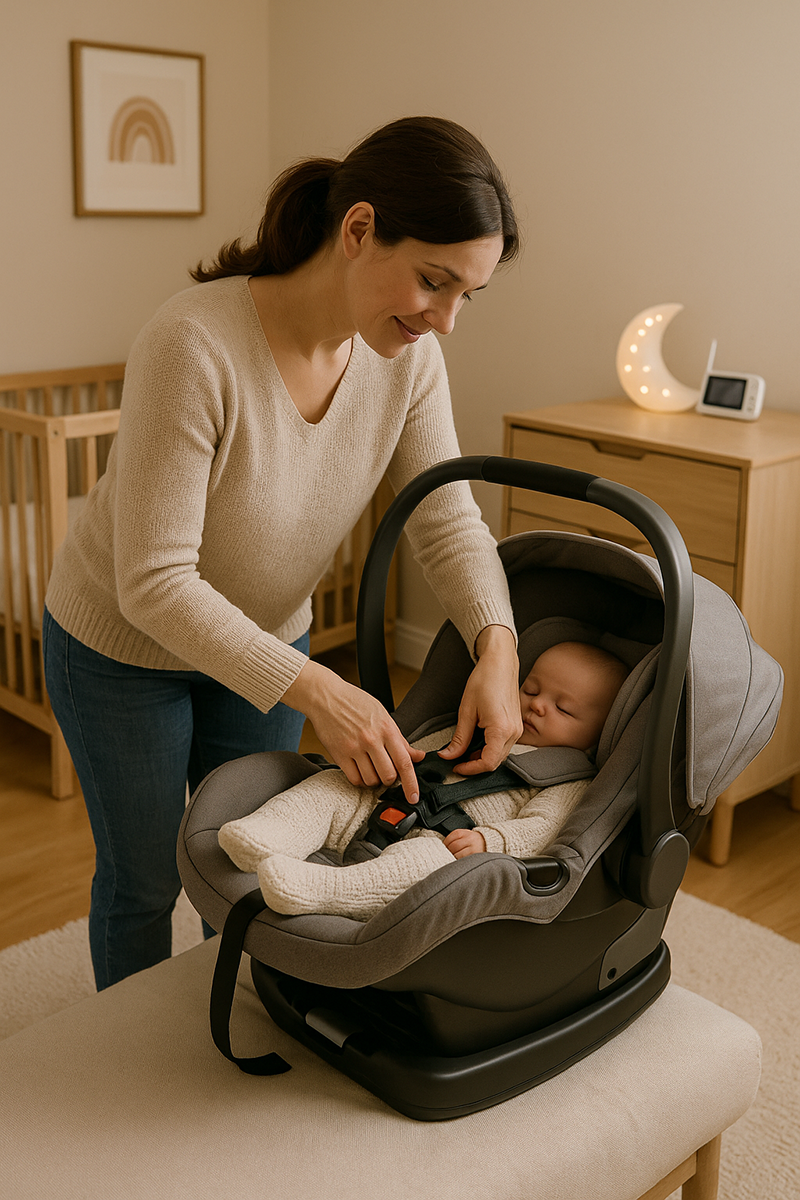
A car seat plays a central role in everyday travel with a baby, from the first ride home to daily errands and longer trips. Rather than focusing on a single “perfect” choice, it helps to understand how car seats are designed, tested, and selected based on a child’s age, size, and vehicle compatibility. Features like clear manufacturer instructions, appropriate harness systems, and strong safety testing records all factor into choosing a seat that fits your family’s needs.
It’s completely normal to feel overwhelmed by the options—infant seats, convertible models, base systems, and different installation methods can all blur together quickly. That’s why I keep an updated Baby Car Seats Guide on my site, which walks through common categories, what they’re typically used for, and the questions that often come up when narrowing down choices.
For installation and positioning, the most reliable guidance always comes from the car seat manufacturer’s instructions and the vehicle manual. Setups are also commonly checked by certified car seat technicians through local inspection events or community safety programs. This section is meant to explain the role car seats play in daily routines—not to replace official instructions or hands-on guidance.
Stroller Safety Gear & On-The-Go Essentials
A stroller is one of the most frequently used pieces of baby gear, which makes it worth understanding how different designs support everyday routines. Parents often compare factors such as frame stability, braking systems, harness styles, and overall ease of use when choosing a model that fits their lifestyle. This section focuses on common features families consider and how strollers are typically used during daily outings, rather than providing setup or use instructions.
Storage and balance are details that often become noticeable over time when using strollers day to day. How items are packed and where weight sits can affect how a stroller feels during regular use, especially when carrying bags or personal items. For those comparing different styles, my Baby Strollers Guide walks through common design features and practical considerations to help narrow down options that feel comfortable and manageable for everyday routines.
The next image shows a safe, well-balanced stroller setup with proper harness placement and a clutter-free layout, making it easier to recreate on your own outings with confidence.
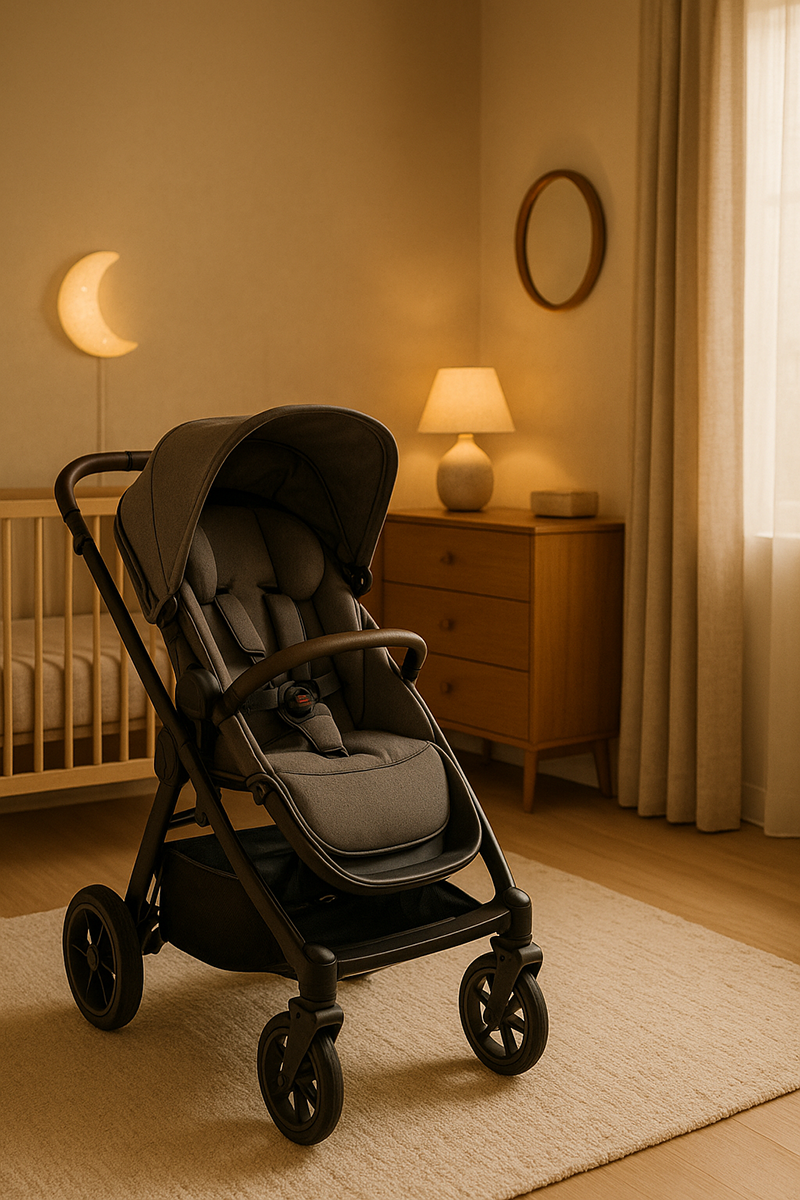
A calm nursery showcasing a stable stroller setup with harness placement, responsive brakes, and clutter-free surroundings for safe use.
Portable & On-the-Go Safety Gear (When You’re Away From Home)
When routines change—such as visiting others, running errands, or spending time away from home—portable items are sometimes used to keep daily care tasks organized and familiar. This section outlines common on-the-go options, such as travel changing pads or compact accessories, and how they are typically used. These examples are meant to support planning and convenience, while hands-on supervision and following manufacturer guidance remain essential in any setting.
I always keep a small “safety pouch” tucked inside my diaper bag with outlet covers, a foldable changing mat, a couple of soft corner bumpers, and a spare pacifier clip. It sounds simple, but it has saved me more times than I can count—especially during holidays when you’re in and out of homes that aren’t babyproofed. If you’d like ideas on what to keep in your everyday bag, my Diaper Bag Essentials guide walks through the must-haves and the truly helpful extras.
The next image highlights a few of the most useful portable safety items styled in a warm, neutral setting, making it easy to visualize how they fit into real-life outings.
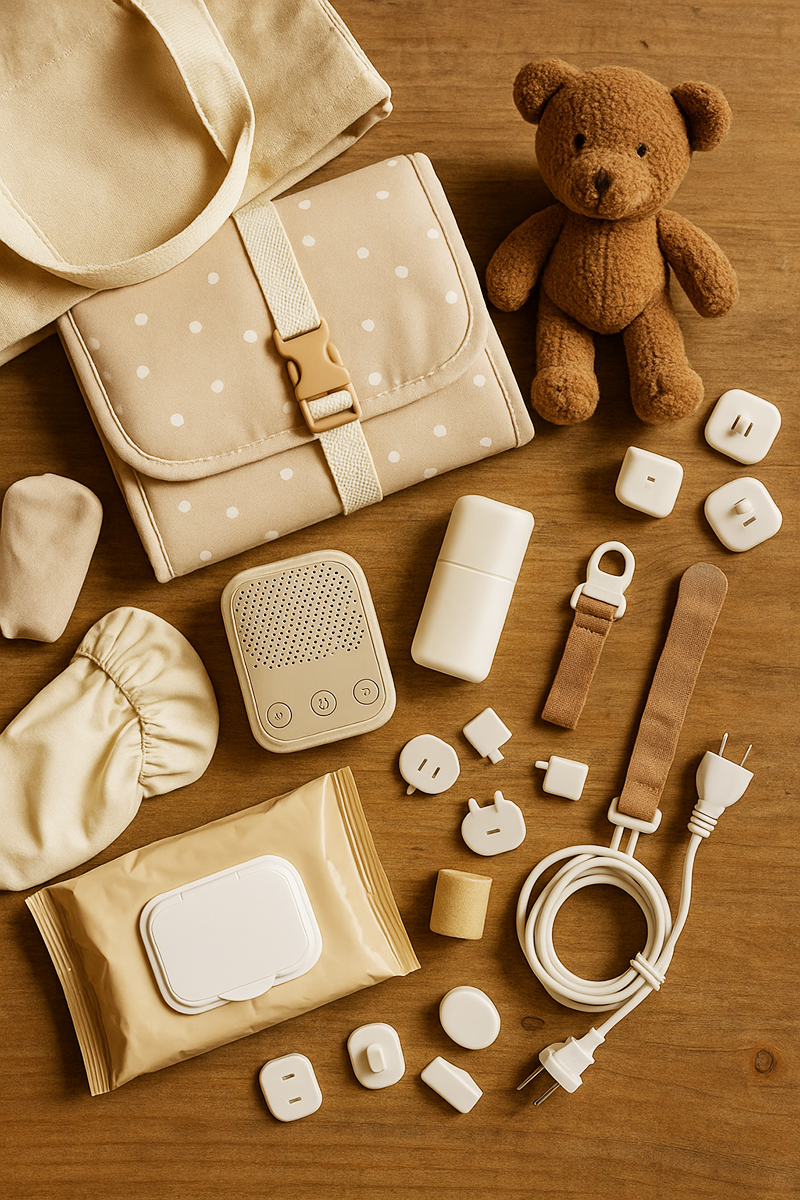
A warm, neutral display of portable baby safety essentials including outlet covers, a foldable changing mat, stroller sun shade, and travel-friendly white-noise machine.
Whole-House Babyproofing & Home Safety Gear
As mobility increases, everyday spaces are viewed differently. Living rooms, kitchens, hallways, and bathrooms frequently include elements that were never designed with infants in mind, which naturally leads to a reassessment of how those areas are used. Choices vary based on layout, routines, and household preferences.
Many parents find it helpful to occasionally view their home from a lower perspective as routines change and mobility increases. Small details—such as how rooms are arranged, where surfaces meet, and how transitions between spaces feel—often stand out more clearly over time. For visual inspiration, my Real Nursery Ideas gallery highlights thoughtfully arranged spaces where everyday functionality blends naturally with warm, welcoming décor.
In the next section, I’ll walk you room by room through the most important babyproofing essentials, starting with the living room where most families spend their time. You’ll begin to notice how small changes can make a meaningful difference.
Living Room & Play Area Babyproofing Essentials
Living rooms and play areas are often where babies spend much of their awake time outside the nursery. As movement increases, these spaces tend to be reviewed more closely in terms of layout and daily use. Details such as furniture placement, outlet access, and floor-level play zones often come into focus as babies begin exploring their surroundings more actively. Because every home is different, these considerations naturally vary based on layout, supervision style, and how the space is used throughout the day.
If you already have a cozy play corner or an activity area set up, think about how your baby will use the space as they grow. Keeping cords tucked away, choosing wide-base baskets that won’t tip, and adding a non-slip rug pad under your main rug can transform your living room into a safe, inviting zone for exploration. The Nursery Wall Decor Ideas page also includes several inspiration photos that show how families blend décor with smart storage and safety-friendly layouts.
The image below features a warm, neutral living room with low baskets, softened corners, and a comfortable play surface, illustrating how thoughtful details can support everyday use while preserving the room’s overall style.
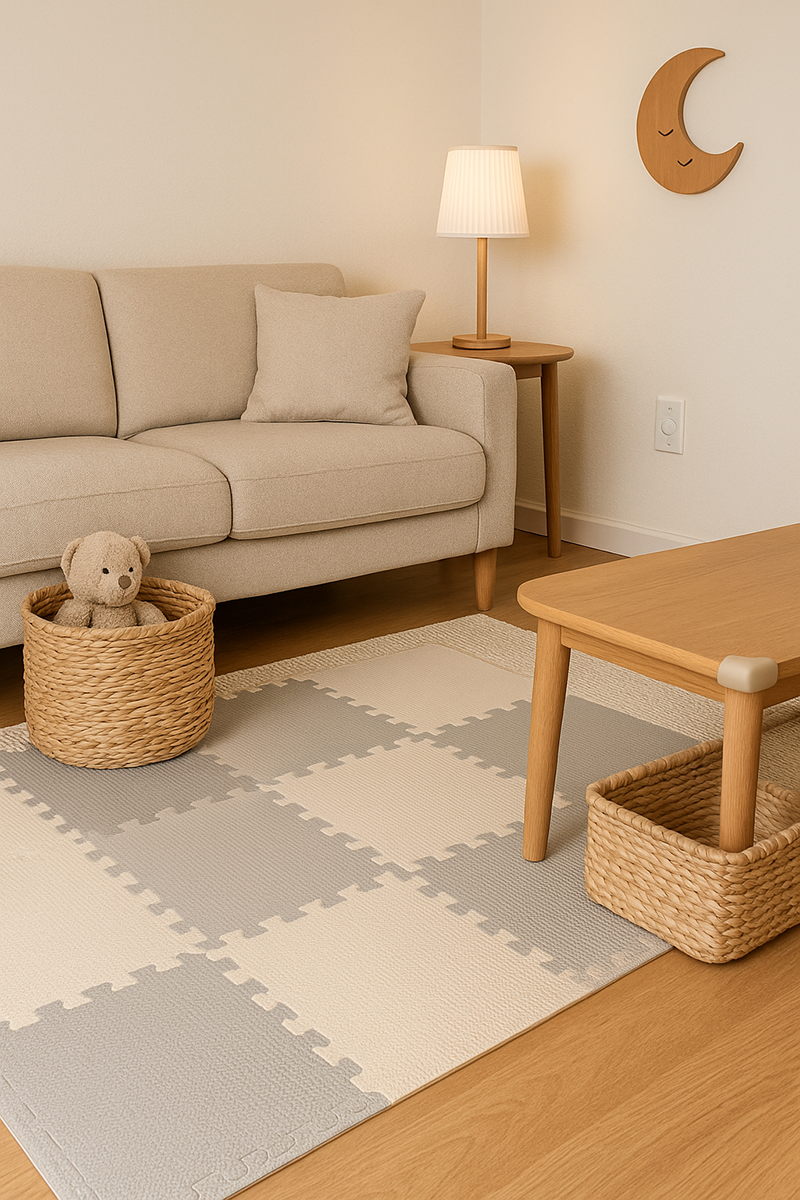
A warm, neutral living room featuring a soft play mat, rounded furniture edges, and low baskets arranged for everyday family use.
Kitchen & Dining Area Babyproofing Essentials
Kitchens and dining areas often draw more attention from babies as movement and curiosity increase. Because these rooms are designed for everyday household use rather than infant activity, many families take time to observe how movement, storage, and access naturally work within the space. This section reflects common factors parents consider as routines change, while acknowledging that every home functions a little differently.
When baby safety gear blends naturally with existing décor and daily routines, spaces often feel calmer and easier to manage without drawing attention to individual safety measures.
Feeding areas are another space families commonly reassess over time. Parents often look at how seating, surfaces, and cleanup routines fit into everyday use, especially as babies become more active during meals. Visual examples on my Nursery Lighting page show how dining spaces can feel warm and functional while adapting naturally to family needs.
The following image shows a neutral kitchen corner styled to reflect how families often balance everyday use with thoughtful organization, illustrating how these spaces can feel cohesive without safety features standing out.
Bathroom & Water Safety Gear
Bathrooms are spaces where everyday routines naturally involve water, smooth surfaces, and household items that weren’t designed specifically with infants in mind. As homes are adjusted over time, these areas are often reviewed more closely to see how organization and bathroom routines fit into the overall flow of daily care, especially during bathing and cleanup.
When setting up bath-time spaces, support items, storage, and lighting are brought together to create a calm, comfortable environment that works smoothly during regular routines. Visual inspiration on my Nursery Lighting page shows how warm, indirect lighting is commonly used in home spaces to create a relaxed atmosphere that transitions naturally into evening routines.
The image below shows a softly styled bathroom corner with bath-time essentials and lighting arranged in a simple, cohesive way that works well for everyday routines.
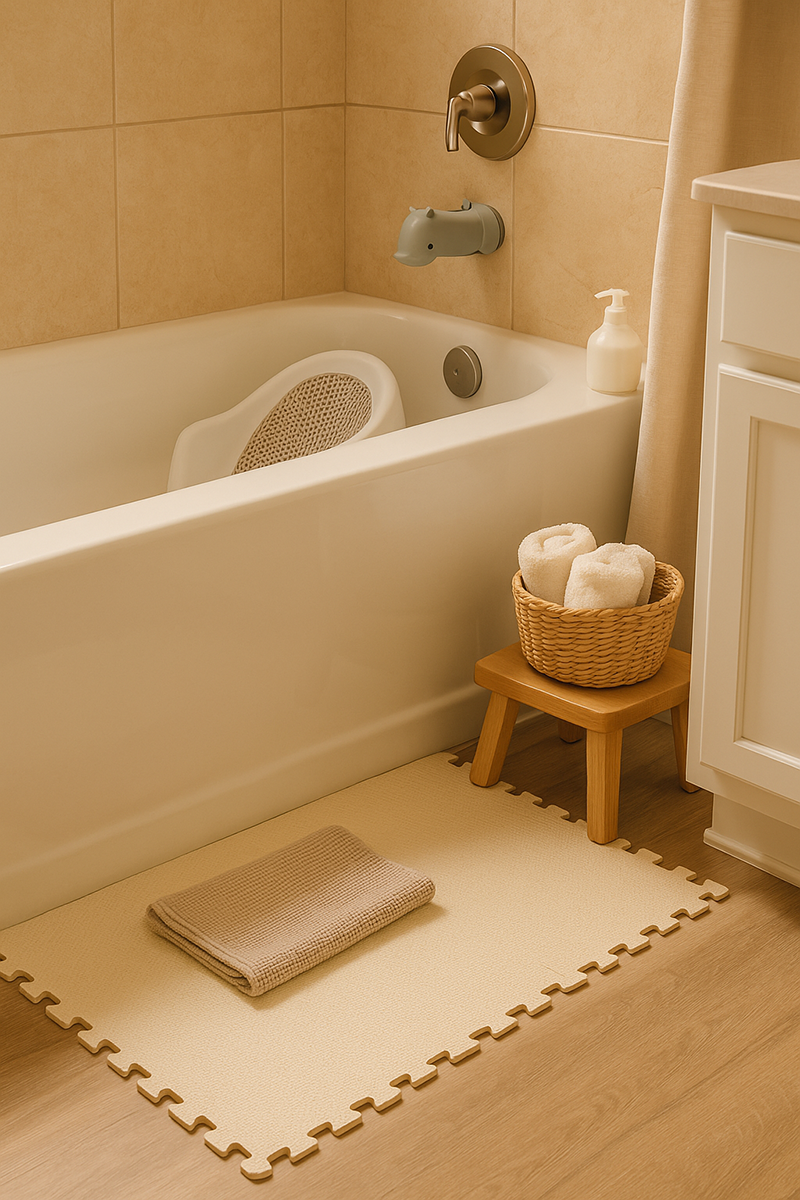
A calm, softly lit bathroom scene showing essential baby water safety gear including a soft faucet cover, baby bath support seat, and slip-resistant flooring.
Hallways, Doors & Stair Gate Safety Gear
Increased movement through shared spaces such as hallways, doorways, and areas near stairs becomes more noticeable over time. These transition zones naturally draw attention to how rooms connect and how movement between spaces fits into daily routines as activity levels change.
When reviewing these areas, families commonly look at how barriers, transitions, and room boundaries are handled within their own layouts, keeping both convenience and flow in mind. Rather than a one-size-fits-all approach, solutions often depend on the structure of the home and how spaces are used day to day. For visual inspiration, the Nursery Ideas page includes examples of room-to-room transitions that feel natural and cohesive within real homes.
The image below highlights a neutral hallway scene with boundary features and soft detailing that blend naturally into the overall décor of a shared space.
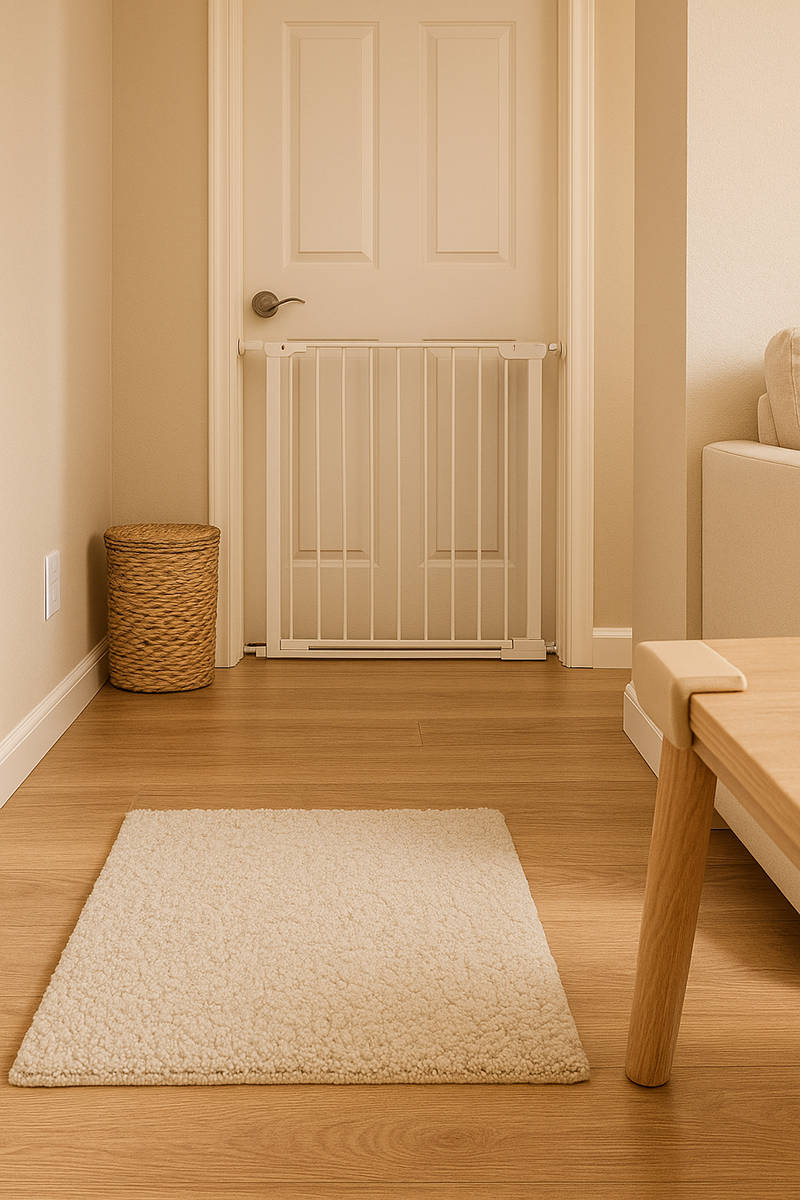
A warm, softly lit hallway featuring a baby gate, rounded furniture edges, and a clear walking path styled with neutral home décor.
Bedroom, Guest Room & Multi-Room Safety Gear
Babies don’t stay in just one room, so it’s important to think about safety in the spaces you use less often—like guest rooms, older siblings’ rooms, and multipurpose areas where you fold laundry or set down a play mat while you work. These rooms often have items that aren’t designed with little hands in mind, such as decorative objects, unstable side tables, low cords, or tall lamps that can tip if pulled.
A few small updates can help these spaces function more smoothly alongside everyday routines. Outlet covers, door-pinch guards, cord organizers, soft rug pads, and a pack-and-play or travel crib for supervised time are commonly used in multipurpose rooms. For ideas on styling shared spaces, the Nursery Wall Décor Ideas page includes layered room setups that adapt well to family use.
Every family’s home is different, but high-quality baby safety gear adapts beautifully to spaces big and small, giving you flexibility as your baby grows.
The next image shows a bedroom corner with anchored furniture, soft lighting, and safe floor spacing, demonstrating how even non-nursery rooms can become calm, baby-friendly spaces with a few thoughtful touches.
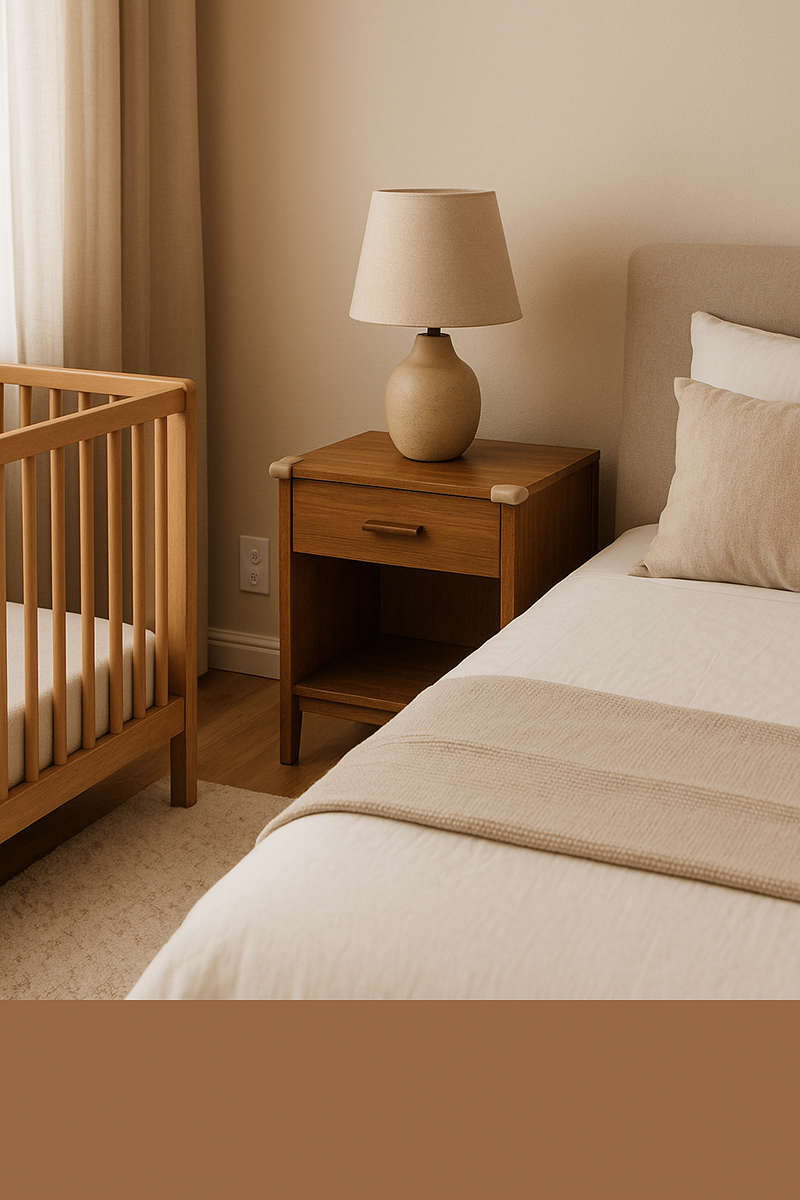
A softly lit bedroom scene featuring wall-anchored furniture, softened corner detailing, and covered outlets, illustrating how shared or guest rooms are commonly arranged for family use.
Quick Baby Safety Gear Checklist (Room-by-Room)
This room-by-room baby safety checklist is designed for parents who appreciate simple, clear lists they can work through at their own pace. Everything is gathered in one place to make it easier to review common safety considerations and think through small, thoughtful updates that support a calm, well-prepared home environment.
The checklist below reflects commonly used baby safety items that are often reviewed as routines change. It is not a requirement list and may not apply to every home, layout, or caregiving approach. Manufacturer instructions, product labeling, and official guidance should always take priority when selecting or using any baby safety gear.
Nursery
- Anchored dresser or changing table
- Outlet covers and cord organizers
- Breathable crib setup (no pillows or loose blankets)
- Room-temperature monitor or baby monitor
- Soft corner guards for nearby furniture
Living Room & Play Area
- Non-slip play mat
- Furniture anchors for TVs, shelves, and side tables
- Soft corner guards for furniture edges
- Woven or wide-base toy baskets that won’t tip
- Cord covers for lamps and electronics
Kitchen & Dining Area
- Cabinet locks for lower cabinets
- Stove knob covers
- No-slip floor mat near sink
- High chair with a five-point harness
- Silicone corner guards on counters and islands
Bathroom
- Slip-resistant bath mat
- Soft faucet cover
- Temperature indicator or anti-scald device
- Baby bath seat or sling
- Locked storage for cleaners and toiletries
Hallways, Doors & Stairs
- Hardware-mounted baby gate for stair tops
- Pressure-mounted gate for hallways
- Door pinch guards
- Doorknob covers
- Corner guards for console tables or entryway benches
Bedrooms & Guest Rooms
- Outlet covers
- Anchored dressers and side tables
- Low, stable lighting with no hanging cords
- Non-slip rug pads
- Pack-and-play or travel crib for supervised time
Travel & On-the-Go
- Backseat baby mirror
- Portable changing mat
- UV-sun shade for stroller or car
- Portable white-noise machine
- Mini babyproofing kit for outings
Next, I’ll share authority-backed recommendations that parents often reference, offering an easy way to verify your setup using trusted outside sources.
Trusted Baby Safety Resources & Expert Guidance
While most day-to-day safety decisions come from your own intuition and the rhythm you build with your baby, I also like to reference a few trusted outside resources whenever I want deeper guidance. These independent organizations offer research-backed recommendations, updated safety standards, and helpful checklists that make it easier to feel confident in the choices you make at home.
For parents who want expert-level clarity without feeling overwhelmed, the American Academy of Pediatrics (HealthyChildren.org) offers clear, non-commercial information about babyproofing, safe sleep, home hazards, and general child development. I often consult their guidelines when refreshing older areas of my home, cleaning up cords, or updating baby gear as little ones grow.
In the final section, I’ll bring everything together so you leave this page feeling supported, confident, and prepared to create a safe, cozy home for your newest family member.
Creating a Safe, Calm Home You’ll Love
Baby safety gear isn’t about filling your home with gadgets—it’s about creating a calmer space where your little one can grow, explore, and discover the world without constant stress or worry. The gear and tips on this page are simply tools that support the loving routines you’re already building every single day.
Feeling overwhelmed at the start is common. I remember walking from room to room before my first baby arrived, unsure where to begin. Once attention shifts to the basics—anchored furniture, corner cushioning, thoughtful storage, and a few portable essentials—the process becomes clearer and much easier to manage.
As you continue preparing your home, come back to this guide anytime you want inspiration, a fresh idea, or a quick reminder of the essentials. You’re doing beautifully already, and every small step you take today helps shape a safe, cozy world your baby will feel right at home in.
When you click on links to various merchants on this site and make a purchase, this may result in this site earning a commission. This does not affect the price you pay.

UBGI Gold Standard 2026
Reviewed under the site's
editorial checklist.
Photos, decorating ideas, party setups and reader submissions are shared for inspiration unless a page is specifically presented as a pattern, tutorial, reference guide or step-by-step project. Follow the instructions, measurements, safety guidance and manufacturer directions provided for the particular project or product.
About Jan | Contact | Baby Nursery Ideas (Blog) | Site Map | Privacy Policy | Disclosure Policy | Disclaimer | Affiliate Disclosure | Earnings Disclosure | Facebook | Pinterest
I am a participant in the Amazon Services LLC Associates Program, an affiliate advertising program designed to provide a means for us to earn fees by linking to Amazon. As an Amazon Associate I earn from qualifying purchases.
Copyright © 2006-2026. All Rights Reserved.