What To Do When Nursery Glider Rocker Cushions Start Hurting You
Glider rocker cushions can seem fine until nighttime feedings get longer and the chair starts pressing into your back, hips, shoulders, or legs. Once the cushion flattens or the seat angle changes, the same nursery glider that looked comfortable can make every feeding session harder.
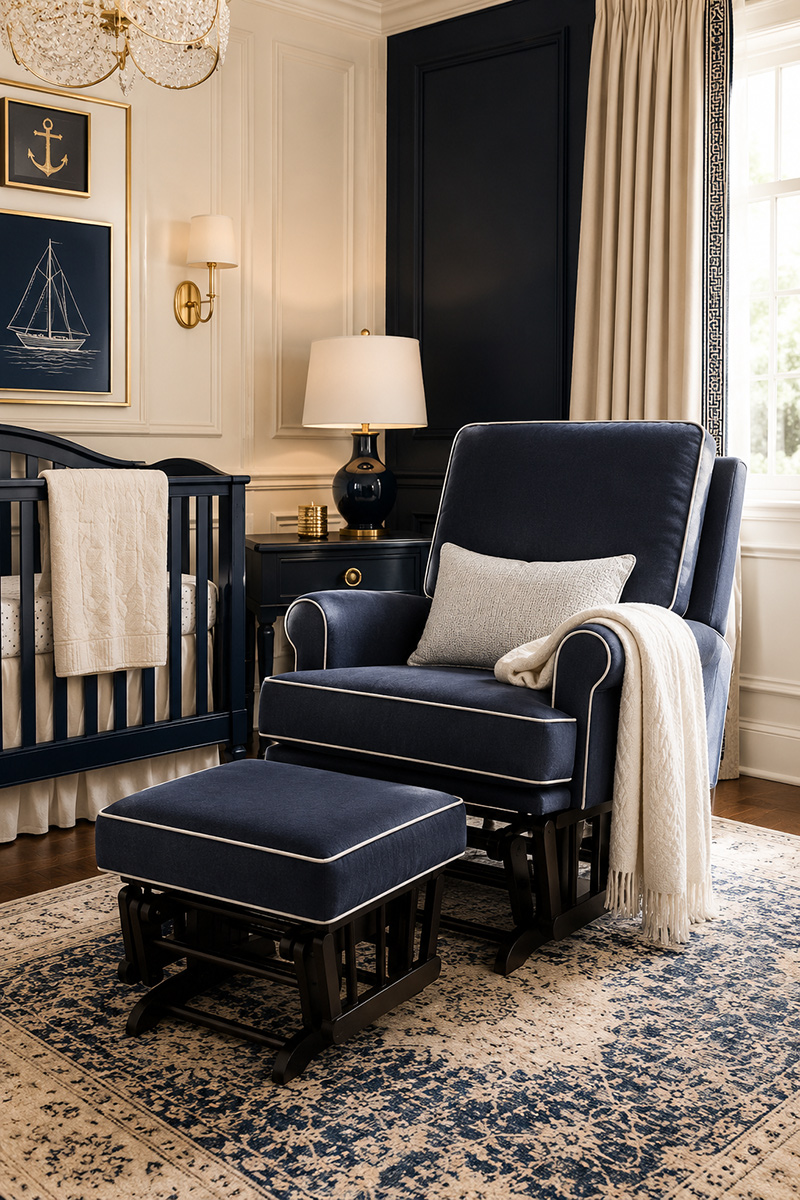
Shopping note: Before replacing the whole chair, compare cushion thickness, foam support, back cushion height, tie placement, and seat depth.
Jump to what matters most:
Why glider cushions start hurting
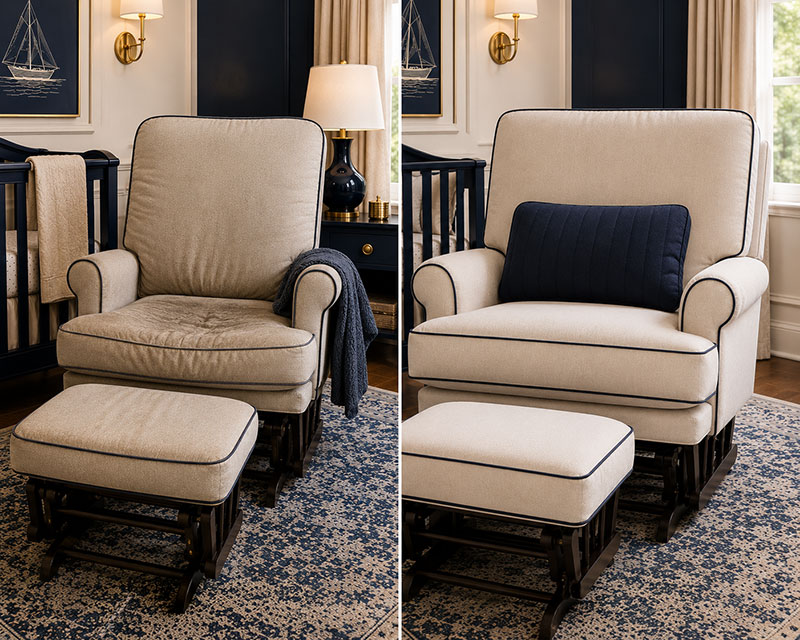
Flattened nursery glider cushions
Why Nursery Glider Cushions Start Hurting Later
Many nursery gliders feel completely different after several months of use.
The foam inside the seat slowly compresses from repeated feeding sessions, late-night rocking, and long stretches of sitting in the same position. Once the cushion loses height, posture changes with it. That is when pressure usually starts building in the lower back, shoulders, tailbone, or hips.
One chair I sat in looked practically untouched from across the room, although the center of the seat had sunk enough that sitting upright became difficult after twenty minutes.
That type of wear is easy to miss until someone starts dreading the chair.
If the chair itself is still comfortable but the room feels awkward, check where to put a recliner in a nursery before replacing the whole setup.
I believe many nursery gliders become uncomfortable because the original cushions were designed to look plush in a showroom rather than support repeated overnight use.
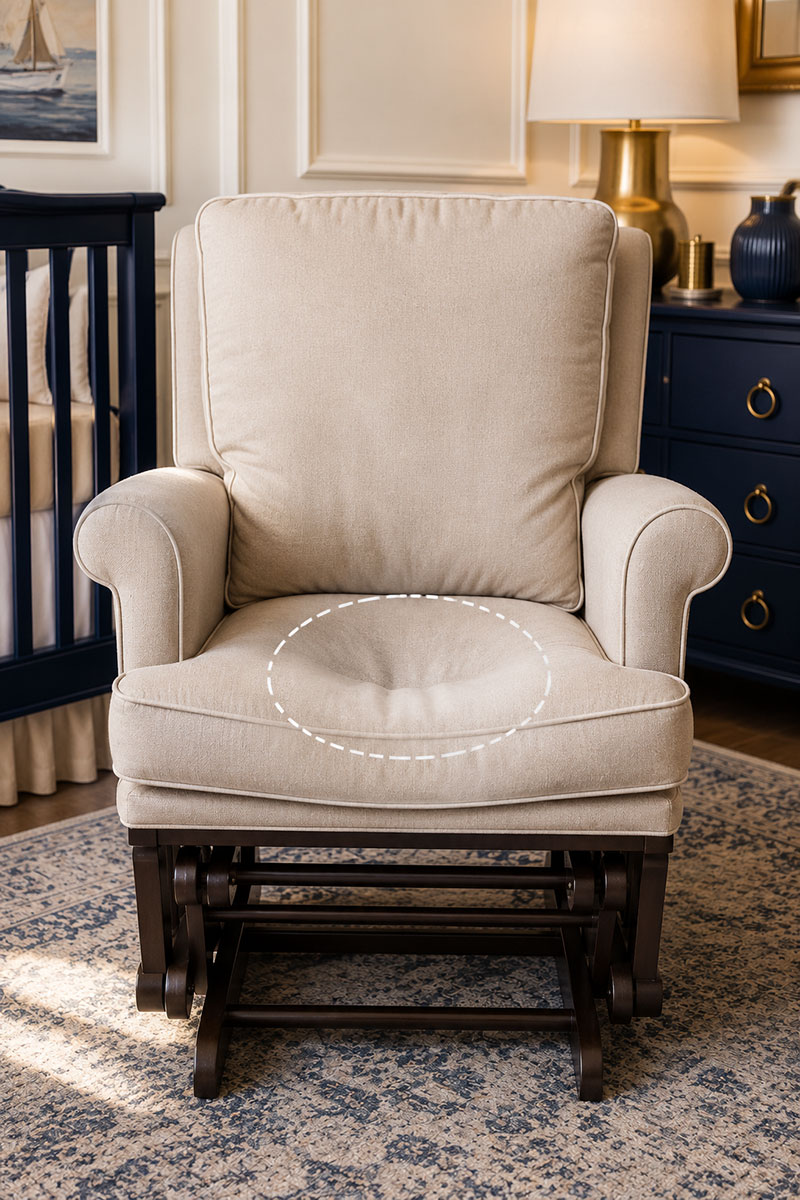
Flattened Nursery Glider Cushions Change Sitting Position
Here’s the thing. Once the seat cushion flattens, the entire angle of the chair changes.
That small shift often causes parents to lean forward during feedings without realizing it. After enough nights in that position, shoulder tension and lower back soreness begin creeping in.
Some nursery gliders also develop uneven cushion wear where one side sinks lower than the other. That creates a subtle tilt that becomes more noticeable during long nighttime routines.
One nursery chair had enough compression near the front edge that standing up while holding the baby became awkward every single time.
That frustration adds up quickly.
Replacement cushions with firmer foam inserts can often restore the original sitting height and improve posture immediately.
Night Feeding Position Problems Often Start With The Cushion
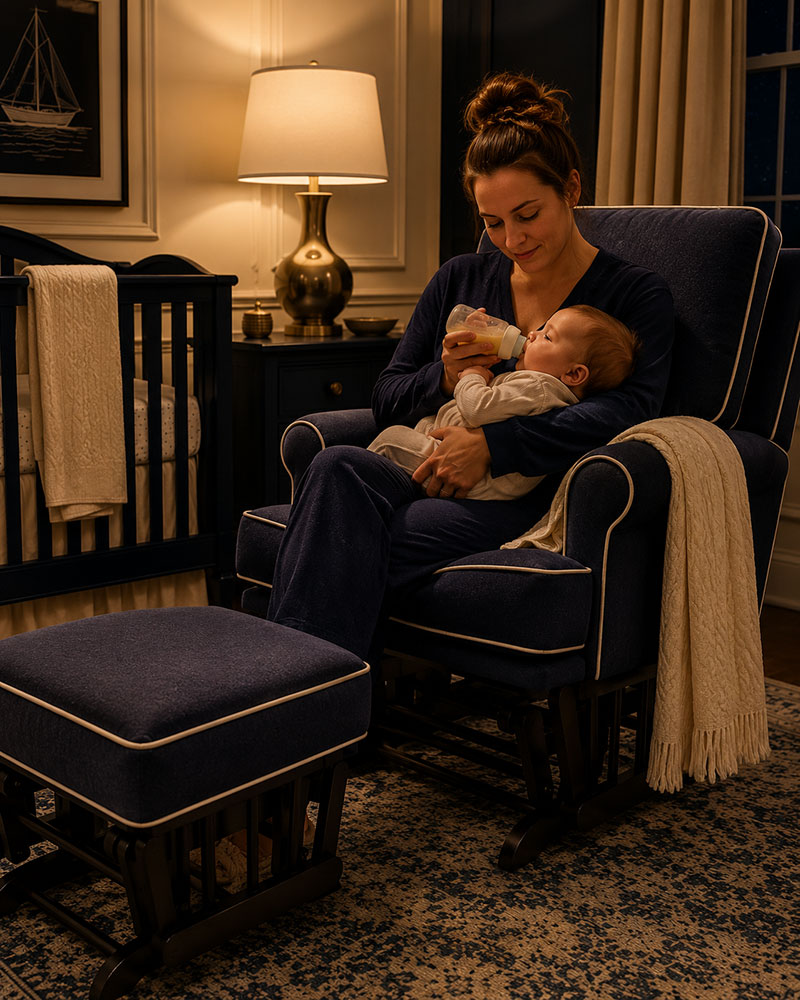
Long feeding sessions expose nursery chair problems faster than almost anything else.
A glider cushion that lacks support usually forces elbows lower during feeding, which changes shoulder position and neck posture at the same time. That becomes exhausting during cluster feeding periods when someone may sit in the chair repeatedly for hours across the night.
Many nurseries run into this issue because the chair looked comfortable during setup but was never tested for forty-minute feeding sessions.
One parent told me the chair itself was not the problem at all. The real issue was that the back cushion had lost enough structure that she constantly slid downward during feedings.
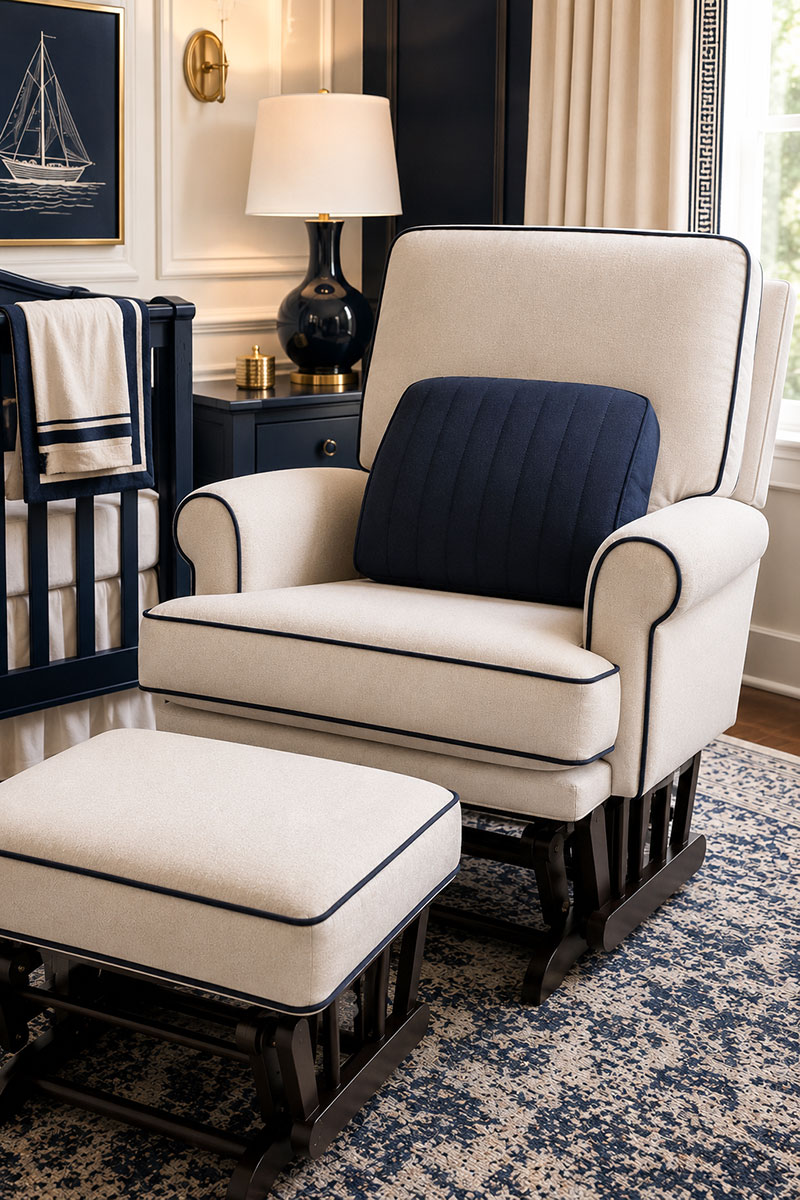
Adding a firmer lumbar pillow completely changed the chair.
To make an informed chair comparison before replacing anything, see my guide that covers the issue of nursery glider vs rocking chair vs recliner.
Compare nursery rocking chairs and gliders for feeding comfort
Should You Replace The Cushions Or Replace The Entire Chair?
Not every uncomfortable nursery glider needs to be replaced.
If the frame still moves smoothly and the chair structure remains solid, replacement cushions can completely revive the chair for a fraction of the cost.
New cushions often solve:
- flattened seating
- poor lumbar support
- sliding posture
- hard armrests
- uneven sitting height
- fabric overheating
- worn feeding support
However, some nursery gliders eventually develop mechanical problems that cushions cannot fix.
One older chair began leaning slightly backward after years of use. No cushion upgrade could fully correct the sitting angle because the frame itself had changed.
That is usually the point where replacing the entire chair makes more sense.
See how gliders compare to nursery recliners long term
Simple Ways To Improve Nursery Glider Cushion Support
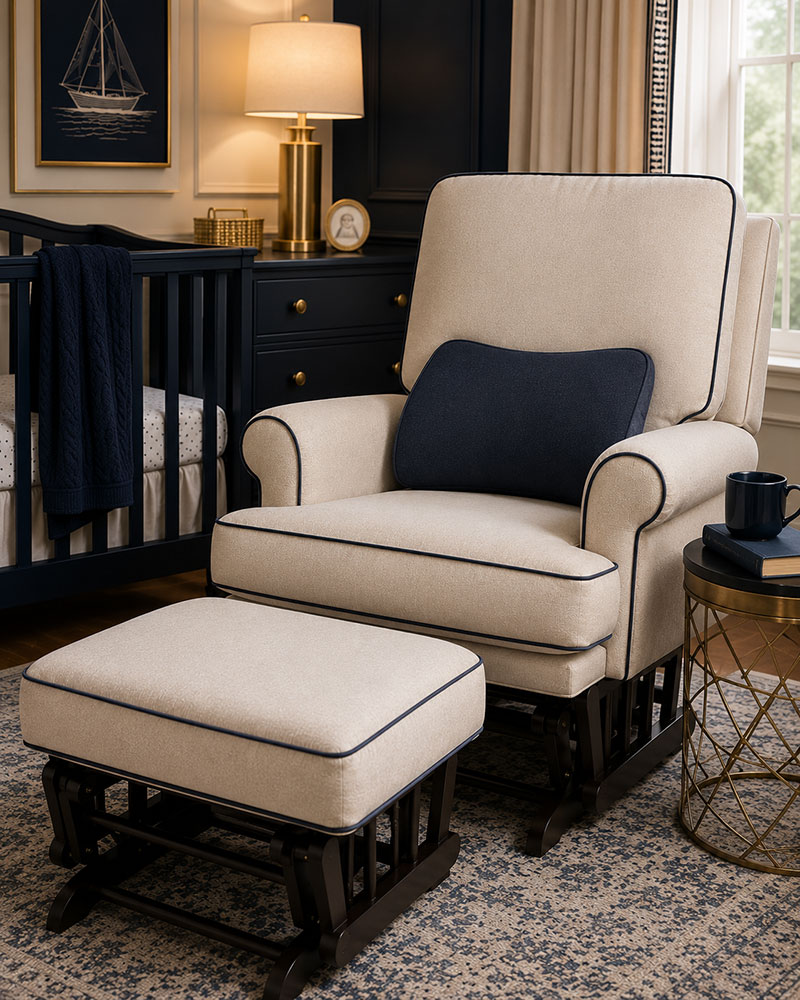
Several small changes can improve nursery chair comfort immediately.
- add firmer foam inserts
- use lumbar support behind lower back
- replace flattened seat pads
- adjust feeding pillow height
- use thicker back cushions
- replace slippery fabric covers
- improve arm support positioning
I’ve learned that arm support changes comfort more than many people expect. Once elbows stay supported properly, shoulder strain often drops noticeably during feeding sessions.
Another detail many people overlook is cushion temperature. Some nursery fabrics trap heat badly during longer sitting periods, especially in smaller rooms with blackout curtains closed overnight.
Breathable fabric covers can help surprisingly quickly.
What To Measure Before Buying Replacement Glider Cushions
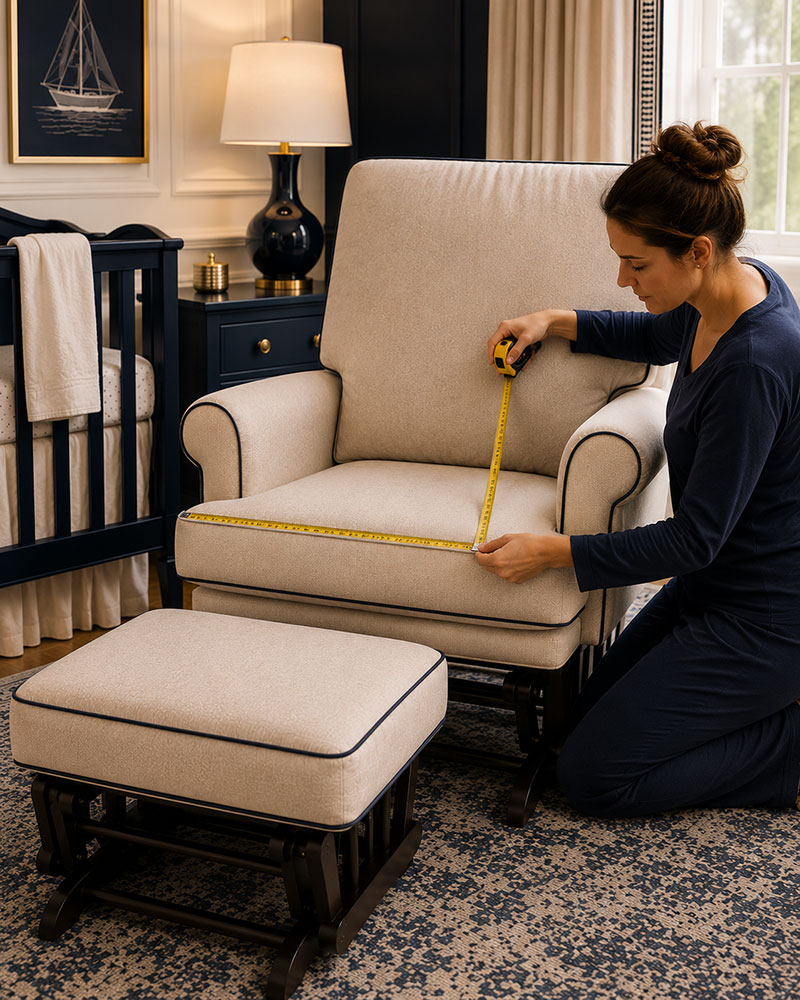
Replacement cushions only help if they fit the chair correctly.
Before ordering new nursery glider cushions, measure:
- seat width
- seat depth
- back cushion height
- arm pad length
- tie placement
- chair back angle
- ottoman cushion dimensions
One nursery glider looked identical to another model online, although the seat depth differed by nearly three inches once measured properly.
That difference completely changed how the replacement cushions fit.
The U.S. Consumer Product Safety Commission also recommends maintaining clear nursery walkways around chairs and feeding areas.
Review current U.S. safe sleep guidance from the CPSC
Nursery Glider Rocker Cushion FAQ
Why do nursery glider cushions become uncomfortable?
Most nursery glider cushions lose support because the foam compresses over time during repeated feeding sessions and nightly use.
Can replacement glider cushions improve back support?
Yes. Firmer replacement cushions and better lumbar support can improve posture and reduce discomfort during feeding sessions.
How long do nursery glider cushions usually last?
That depends on foam quality and how often the chair is used. Some cushions begin flattening noticeably within the first few years.
Should I replace the cushions or replace the glider?
If the chair frame still functions properly, replacing the cushions is often enough to restore comfort.
What cushion thickness works best for nursery gliders?
Moderately firm cushions with enough depth to support hips and lower back usually work best during long nighttime feeding sessions.


About Jan | Contact | Baby Nursery Ideas (Blog) | Site Map | Privacy Policy | Disclosure Policy | Disclaimer | Affiliate Disclosure | Earnings Disclosure | Facebook | Pinterest
I am a participant in the Amazon Services LLC Associates Program, an affiliate advertising program designed to provide a means for us to earn fees by linking to Amazon. As an Amazon Associate I earn from qualifying purchases.
Copyright © 2006-2026. All Rights Reserved.