Do I Need an Organic Crib Mattress? What Features Matter Most
Do I need an organic crib mattress is a question many parents ask when choosing a safe and comfortable place for their baby to sleep. The short answer is that an organic crib mattress is not strictly required for every nursery. What matters most is that the mattress fits the crib correctly, feels firm, and meets current safety standards. Organic mattresses appeal to some families because of the materials and certifications used in their construction, but understanding what those labels actually mean can help you decide whether paying more for one makes sense for your situation.
Wondering if an organic crib mattress is worth the money? Check these first:
If you want to compare a well-known option in this category, this certified organic crib mattress option can give you a practical point of reference for materials, certifications, and construction details.
Do I Need an Organic Crib Mattress? Quick Answer
No. You do not need an organic crib mattress for safe sleep. What matters most is that the mattress fits the crib correctly, feels firm, and meets current safety standards. Organic mattresses focus on materials and certifications, but many standard crib mattresses meet the same safety requirements.
Do I need an organic crib mattress is a question many parents ask when they begin preparing a nursery. Organic mattresses appear frequently in baby gear listings and marketing materials, which can make the label sound essential.
In reality, the organic label mostly describes how certain materials are produced. Understanding how material sourcing compares to low-emissions claims can help clarify that difference, and this organic vs non-toxic crib mattress guide explains how those labels are used across crib mattress options. It does not determine whether the mattress itself is safe for infant sleep.
That difference becomes much easier to see when you compare real options, and my guide to the best non-toxic crib mattress choices breaks down what is really worth considering.
A crib mattress becomes safe because it is firm, fits the crib properly, and meets product safety standards.
Choosing one really comes down to those basics, as described in my crib mattress guide.
Organic is a preference choice. Not a safety requirement.
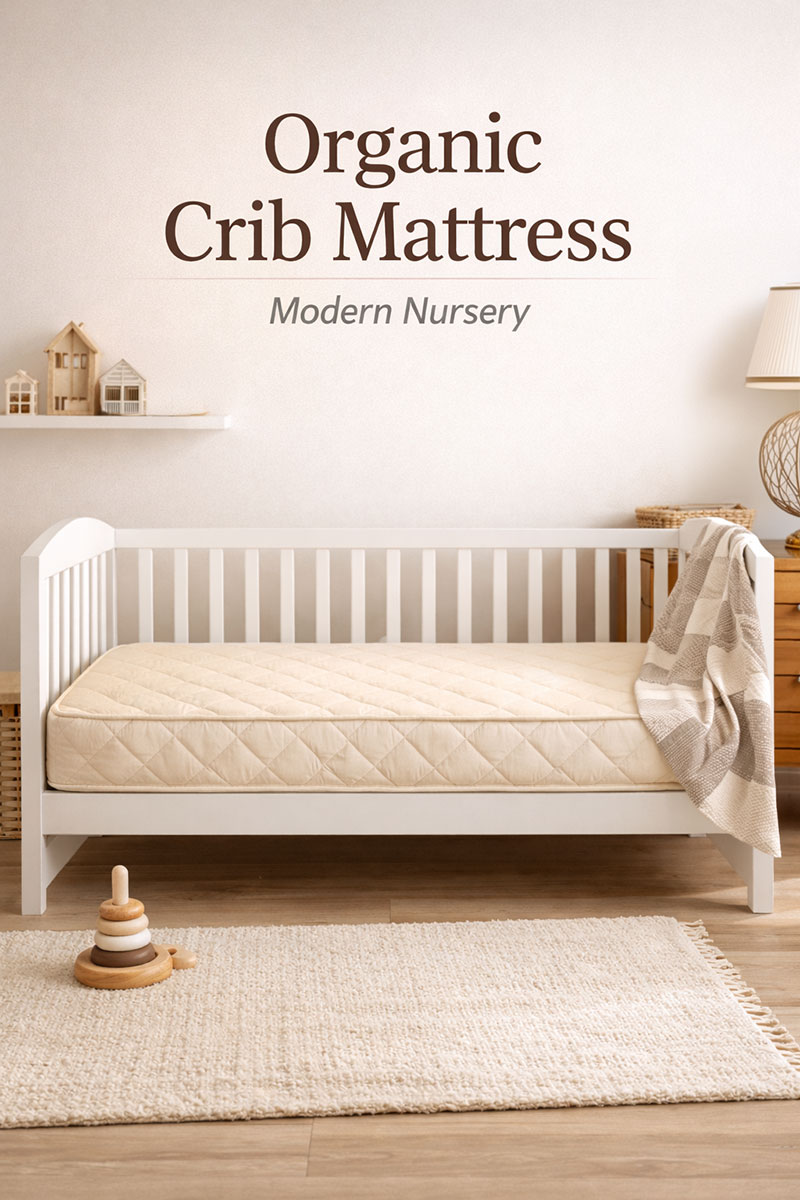
What Organic Crib Mattress Really Means
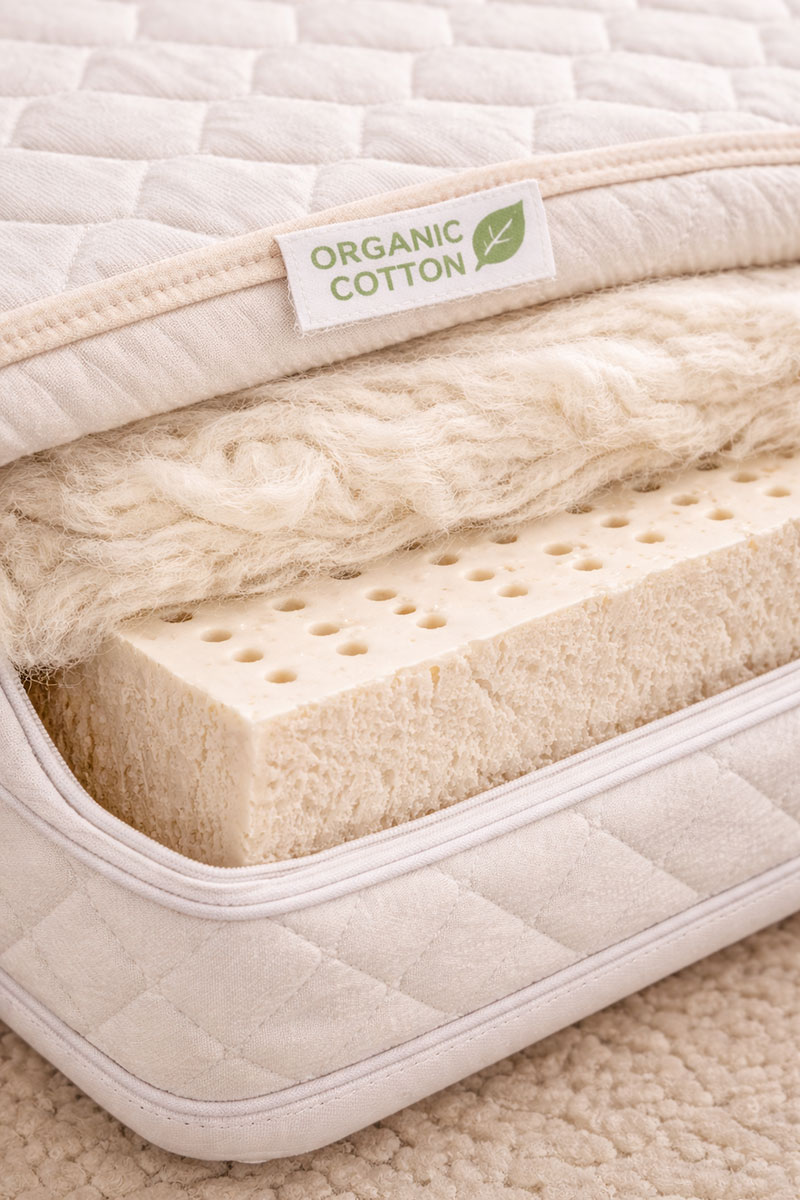
An organic crib mattress typically includes materials such as organic cotton, wool, or natural latex. These materials may be produced using agricultural standards that limit synthetic pesticides and certain chemical treatments.
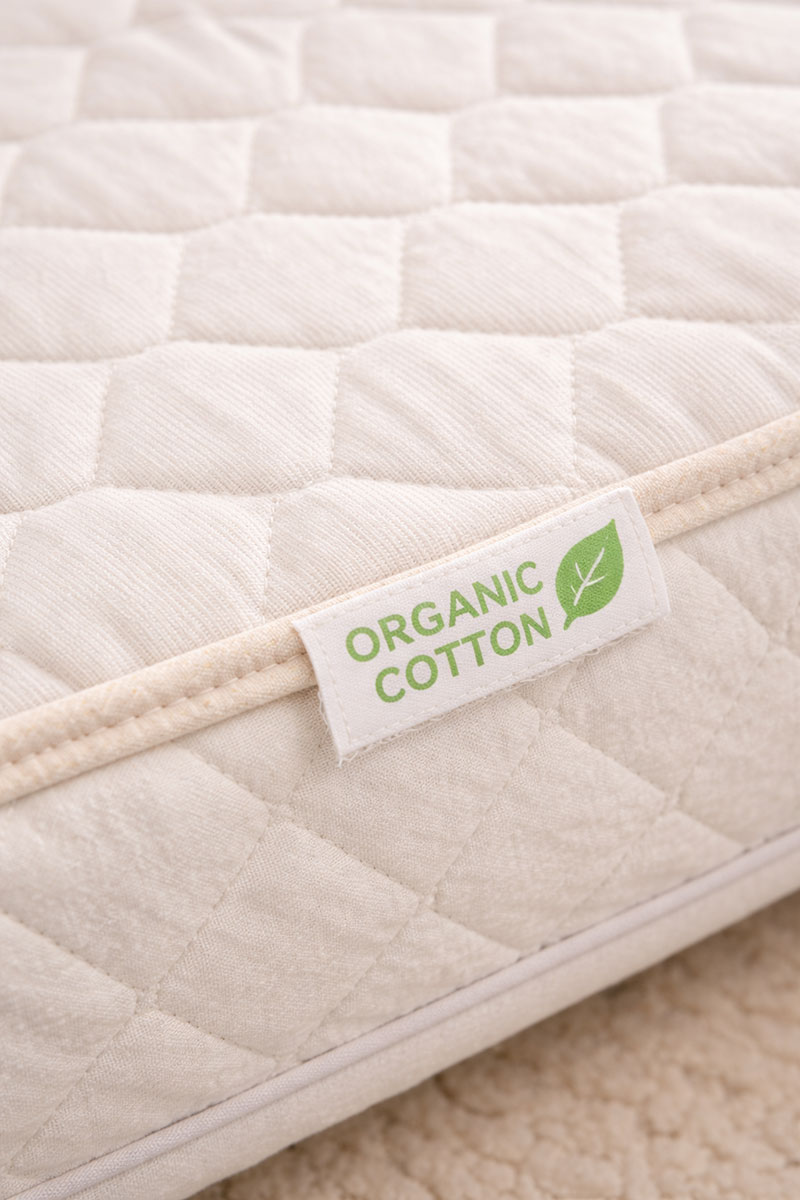
The word organic can apply to different parts of a mattress. Some products use organic cotton only in the outer cover. Others include certified natural materials throughout the mattress structure.
Because of this, two mattresses labeled organic may actually be constructed very differently.
Some models contain natural latex support layers. Others combine organic fabric covers with traditional foam interiors.
For a broader explanation of crib mattress construction types, see the crib mattress guide.
When an Organic Crib Mattress May Make Sense
Some families choose organic crib mattresses because they prefer natural materials. Others appreciate the transparency that certified material sourcing can provide.
Organic mattresses may appeal to parents who want cotton, wool, or latex materials instead of synthetic foam layers.
These preferences are based on material choices rather than safety requirements.
Many well constructed conventional crib mattresses are durable, comfortable, and fully compliant with safety standards.
If you want to compare organic mattress designs in more detail, see the organic crib mattresses guide.
What Matters More Than the Organic Label
Regardless of whether a mattress is organic or conventional, several features matter more for infant sleep.
- Firm support that keeps the sleep surface flat
- A snug fit inside the crib frame
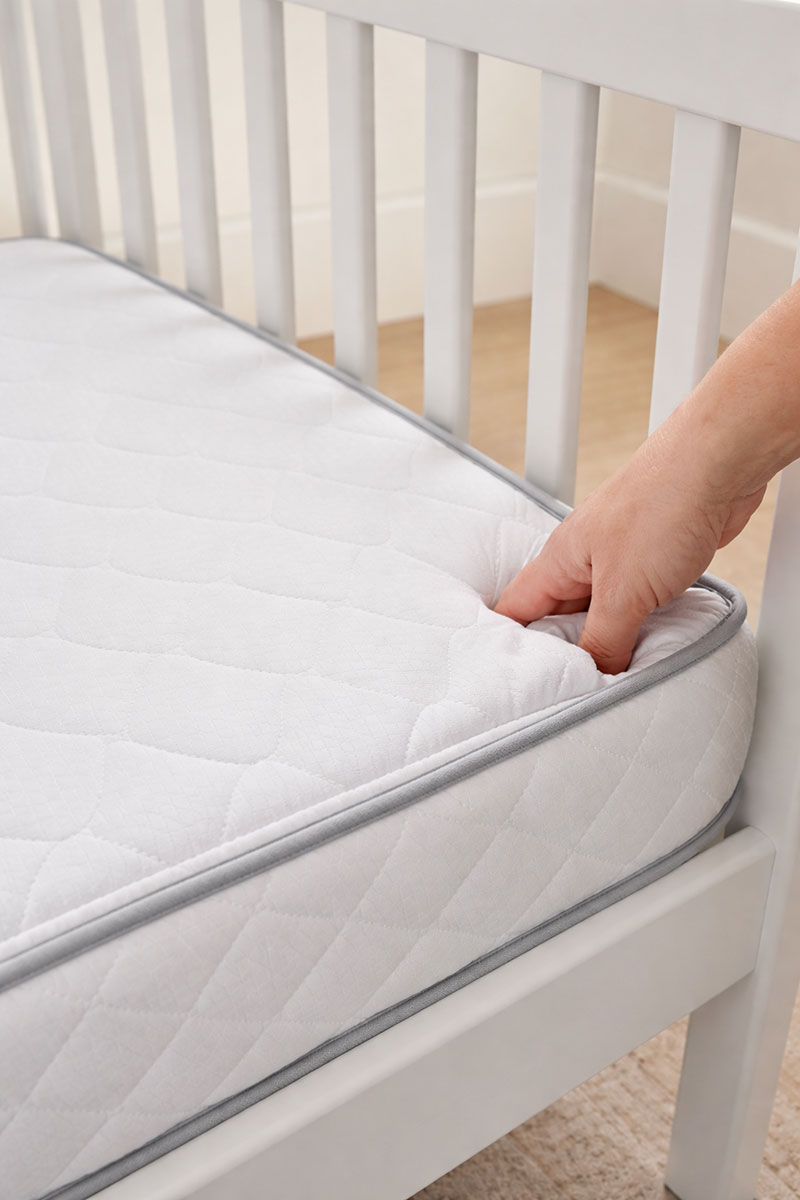
- A water resistant sleep surface
- Durable construction that helps the mattress maintain its shape
These practical characteristics affect everyday use much more than the organic label.
Temperature can matter too, especially when mattress materials, waterproof covers, and bedding layers trap warmth. My crib mattress overheating guide explains what can make a baby’s sleep surface feel warmer than expected.
If you are comparing construction choices, my crib mattress dual sided vs single sided comparison explains when a two-stage mattress makes sense and when a single-sided crib mattress may be enough, while the guide on breathable vs foam crib mattress explains how different mattress constructions compare.
Organic Mattress Certifications
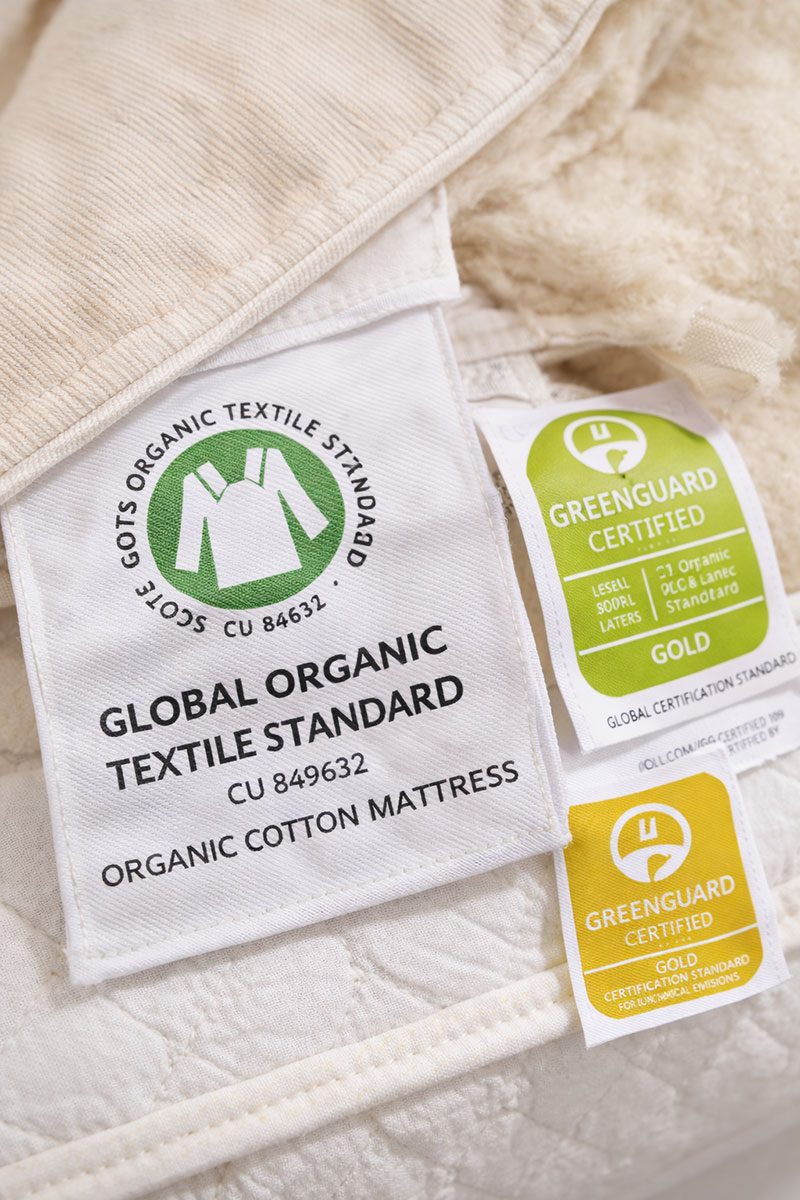
Parents researching organic crib mattresses may encounter certification labels such as GOTS or GOLS. These programs verify agricultural production and certain manufacturing practices.
However, crib mattress safety in the United States is governed by product regulations.
The U.S. Consumer Product Safety Commission establishes safety standards for crib mattresses sold in the United States. These rules address firmness, durability, and structural testing.
Some mattresses also advertise emissions testing programs. The page explaining GREENGUARD Gold certified cribs explains how emissions certifications relate to nursery furniture and sleep products.
For a detailed example of a certified organic mattress brand, see the Naturepedic crib mattress guide.
To get a wider understanding take a side-by-side look at standout natural-material options, see my best organic crib mattress guide.
Bottom Line
An organic crib mattress can be a good option for families who prefer certified natural materials.
But it is not required for safe infant sleep.
A firm mattress that fits the crib correctly and meets safety standards provides a safe sleep surface.
Organic materials affect how the mattress is produced. They do not determine whether the mattress is safe.
For a broader comparison of mattress types and price ranges, see the best crib mattress guide.
Common Questions
Are organic crib mattresses safer?
Organic materials refer to sourcing and manufacturing practices. Infant sleep safety depends primarily on firmness, correct fit, and compliance with crib mattress safety standards.
Are organic crib mattresses worth the price?
For parents who value certified natural materials the additional cost may feel worthwhile. Others may prefer a well built conventional crib mattress that meets safety requirements.
What should I check before buying any crib mattress?
Look for a firm sleep surface, a snug fit inside the crib, and compliance with U.S. crib mattress safety regulations. These factors matter more than the organic label.
When you click on links to various merchants on this site and make a purchase, this may result in this site earning a commission. This does not affect the price you pay.

UBGI Gold Standard 2026
Reviewed under the site's
editorial checklist.
Photos, decorating ideas, party setups and reader submissions are shared for inspiration unless a page is specifically presented as a pattern, tutorial, reference guide or step-by-step project. Follow the instructions, measurements, safety guidance and manufacturer directions provided for the particular project or product.
About Jan | Contact | Baby Nursery Ideas (Blog) | Site Map | Privacy Policy | Disclosure Policy | Disclaimer | Affiliate Disclosure | Earnings Disclosure | Facebook | Pinterest
I am a participant in the Amazon Services LLC Associates Program, an affiliate advertising program designed to provide a means for us to earn fees by linking to Amazon. As an Amazon Associate I earn from qualifying purchases.
Copyright © 2006-2026. All Rights Reserved.