Animal Quilt Block Patterns for Baby Quilts and Nursery Decor
These animal quilt block patterns will create a custom baby quilt filled with personality whether you're planning a woodland nursery, farm theme, ocean-inspired room, or playful animal baby quilt. My patterns include printable templates and beginner-friendly ideas for creating charming quilt blocks that can be mixed and matched into a one-of-a-kind nursery quilt.

Quilt Supplies for these projects
View quilting rulers, rotary cutters and beginner quilting supplies
Choose an Animal Quilt Pattern
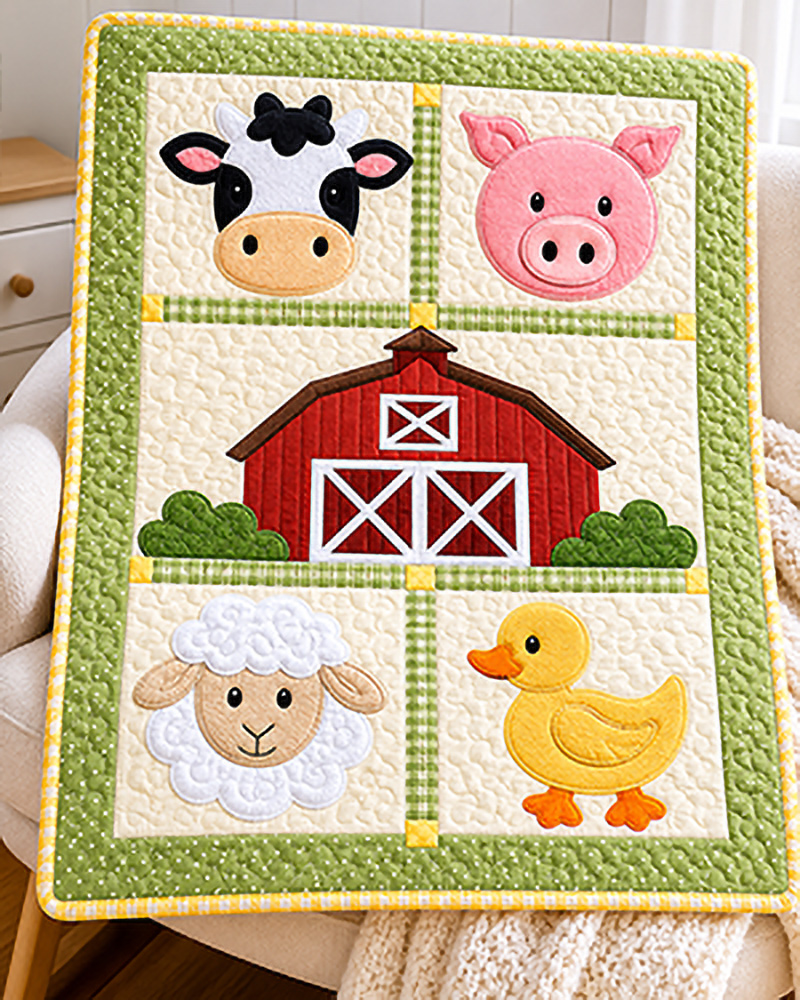 Farm Animal Quilt
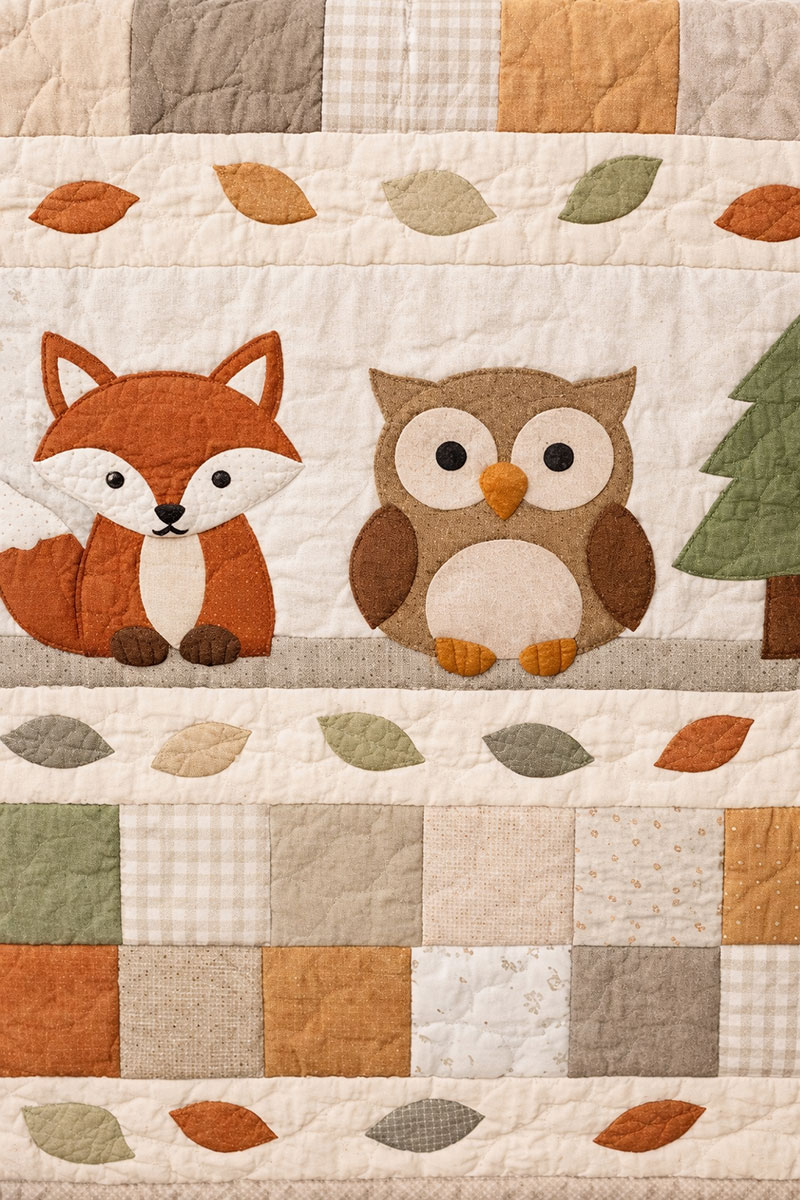 Woodland Baby Quilt
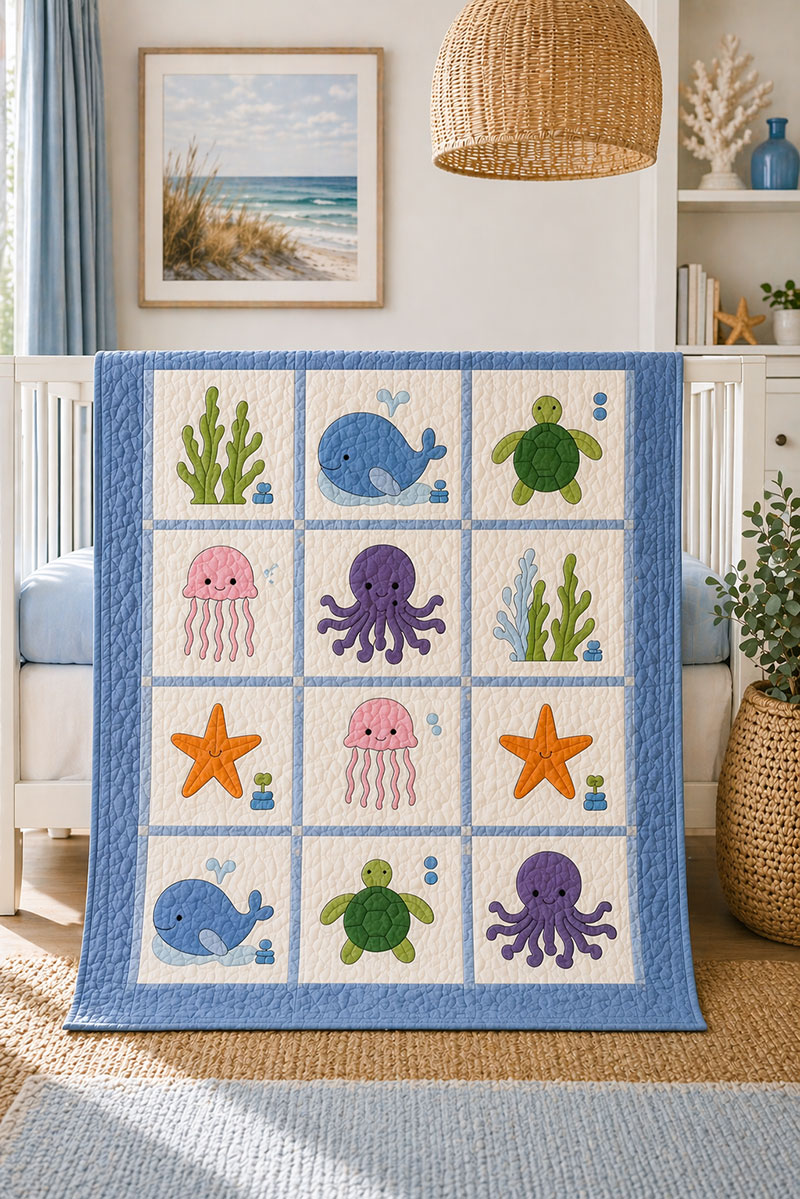 Ocean Baby Quilt
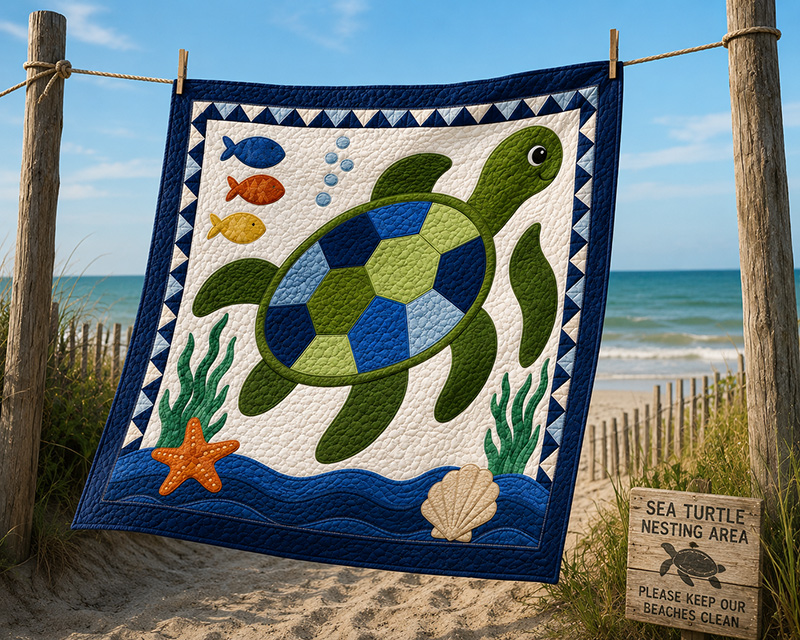 Sea Turtle Quilt
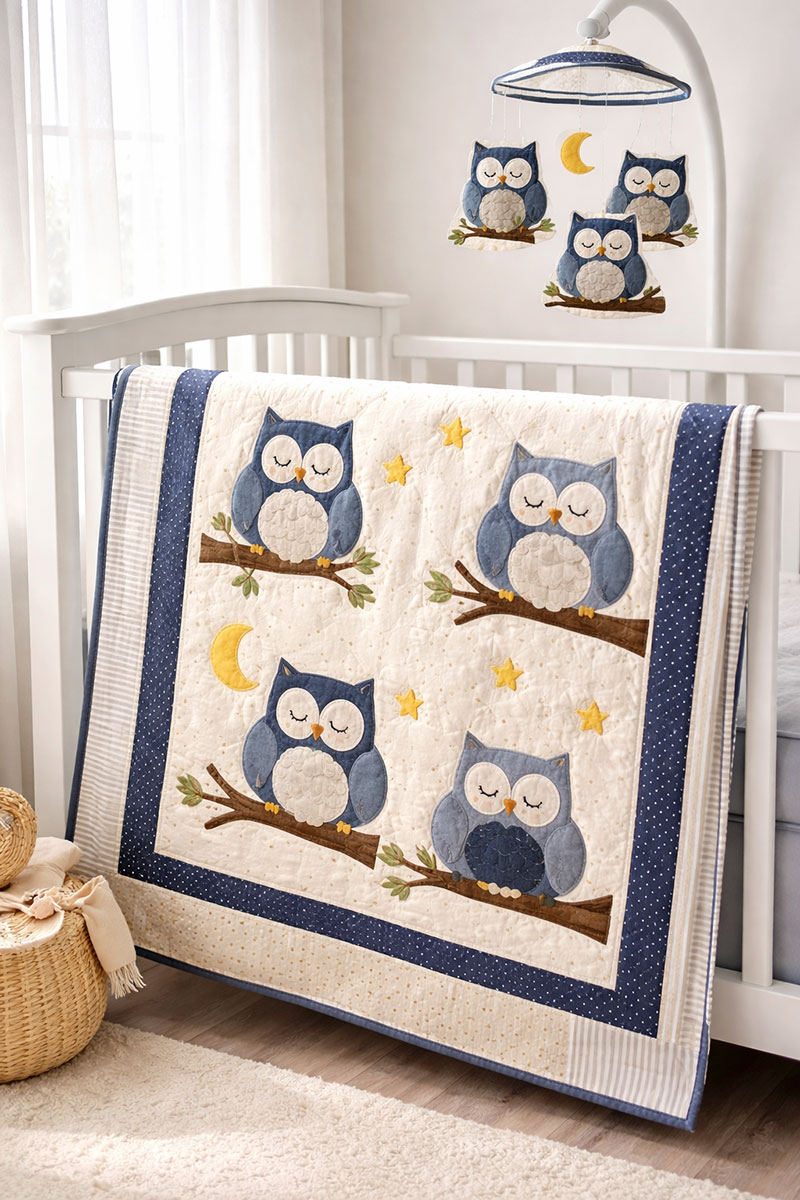 Owl Baby Quilt
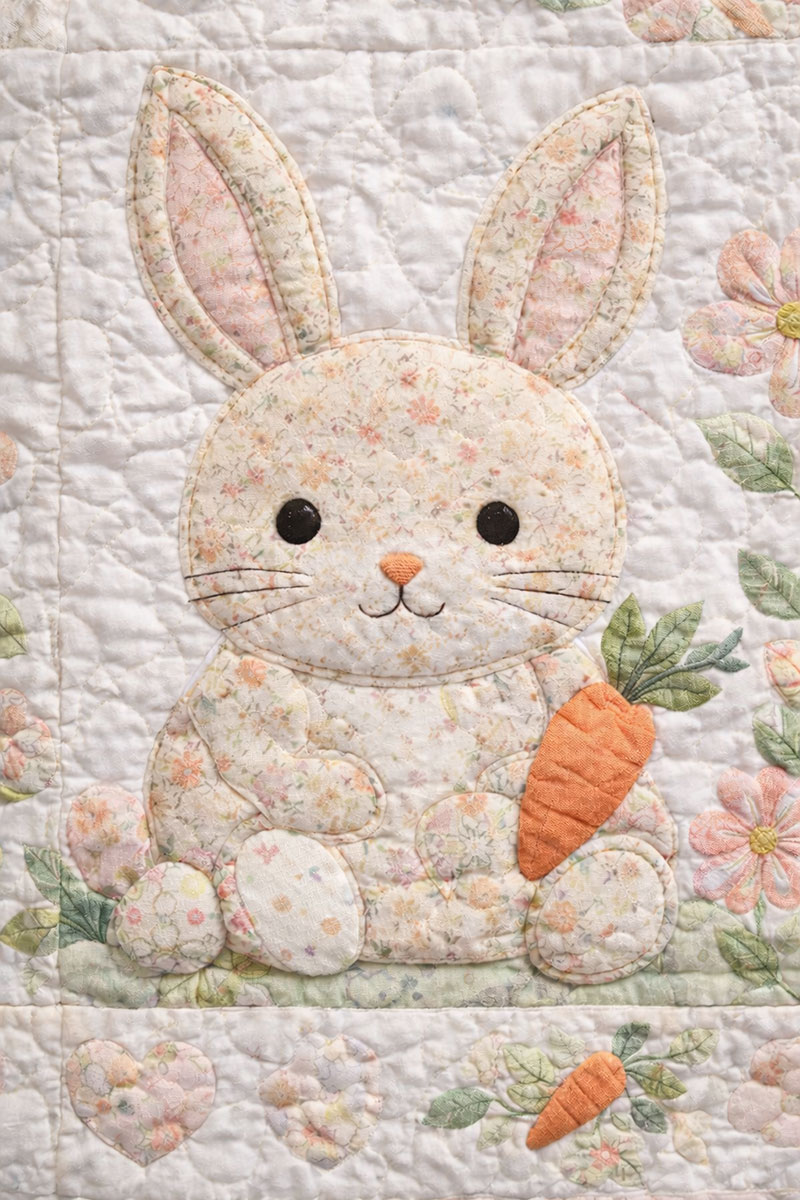 Bunny Baby Quilt
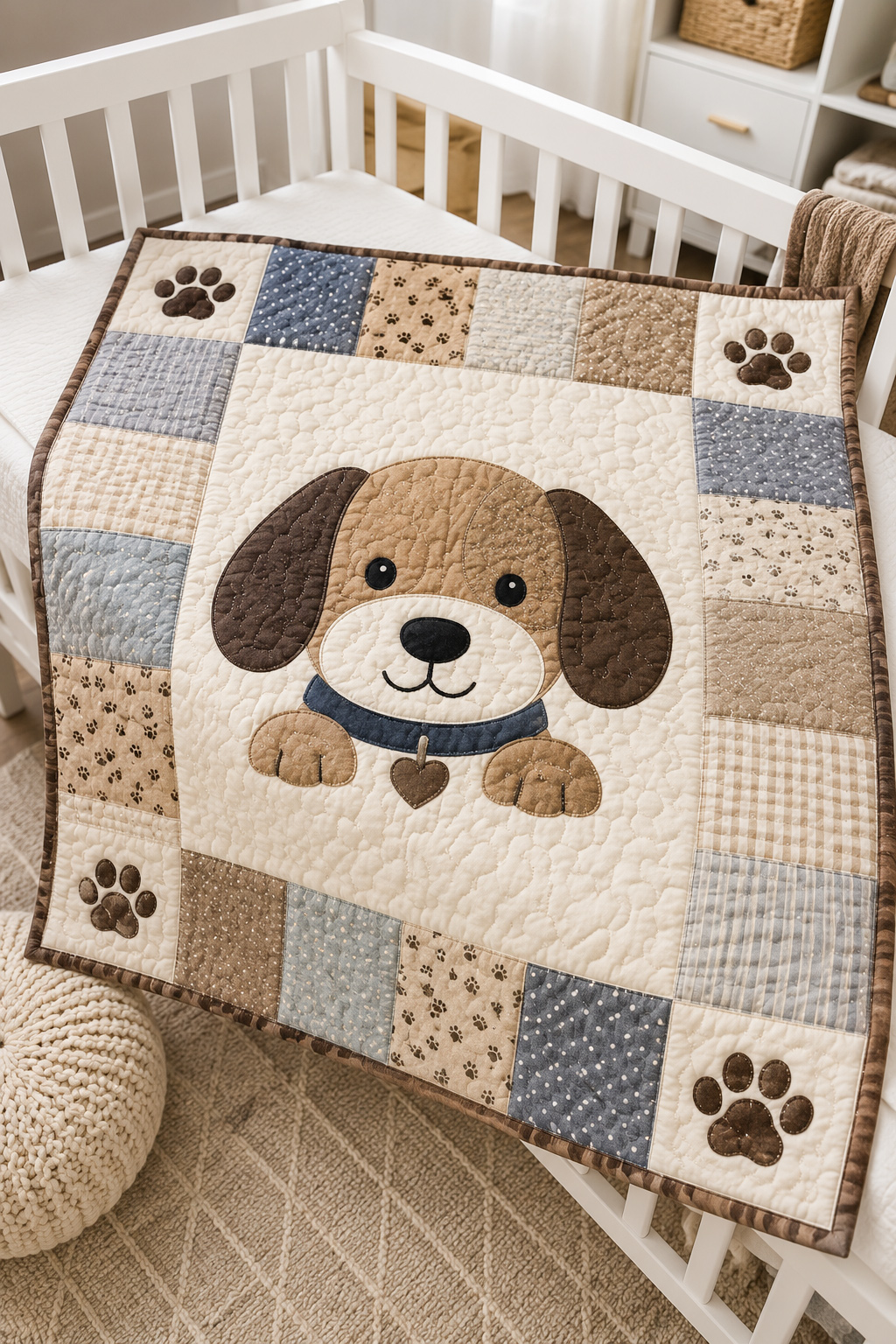 Dog Baby Quilts
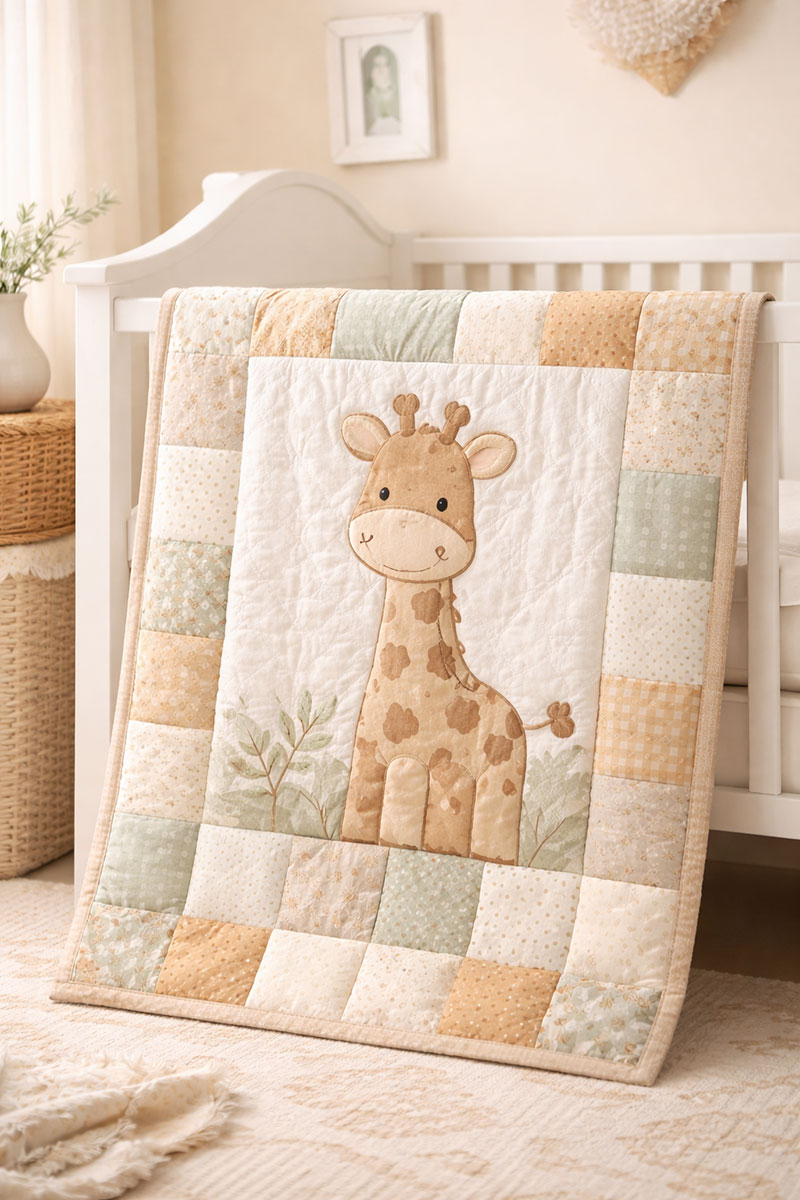 Giraffe Crib Quilt
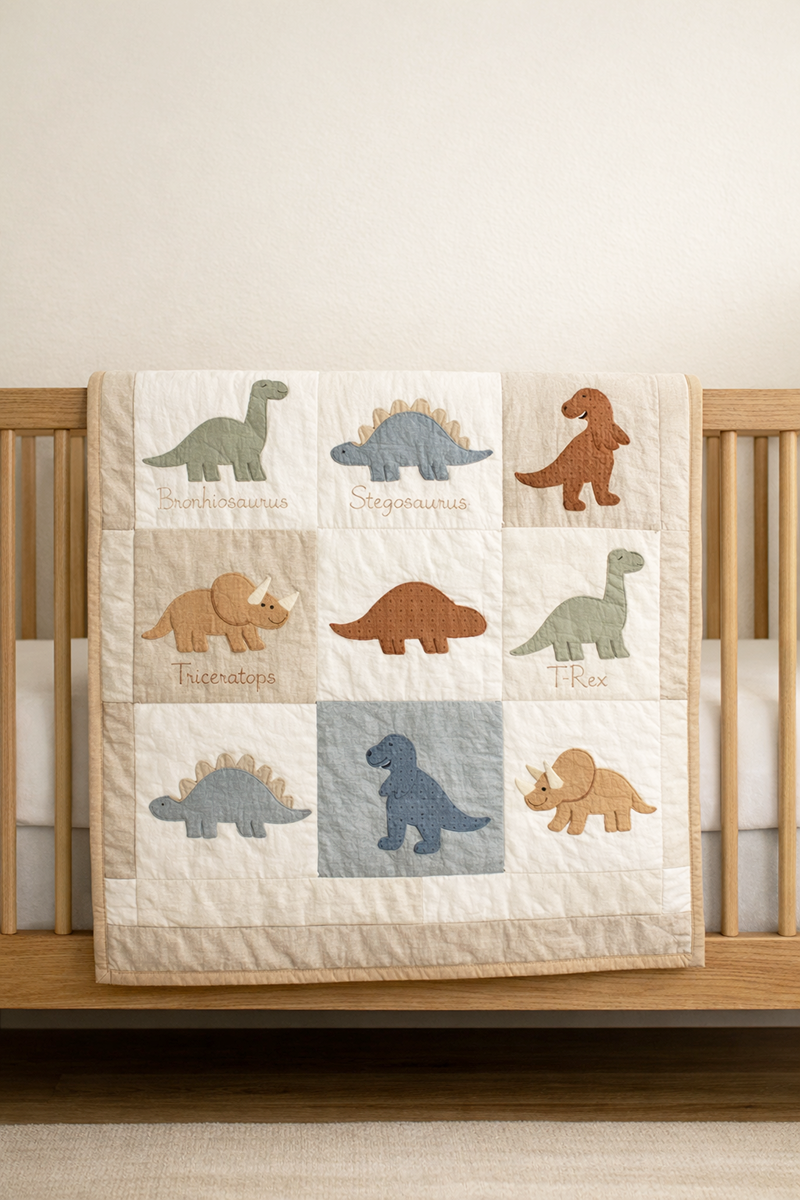 Dinosaur Crib Quilt
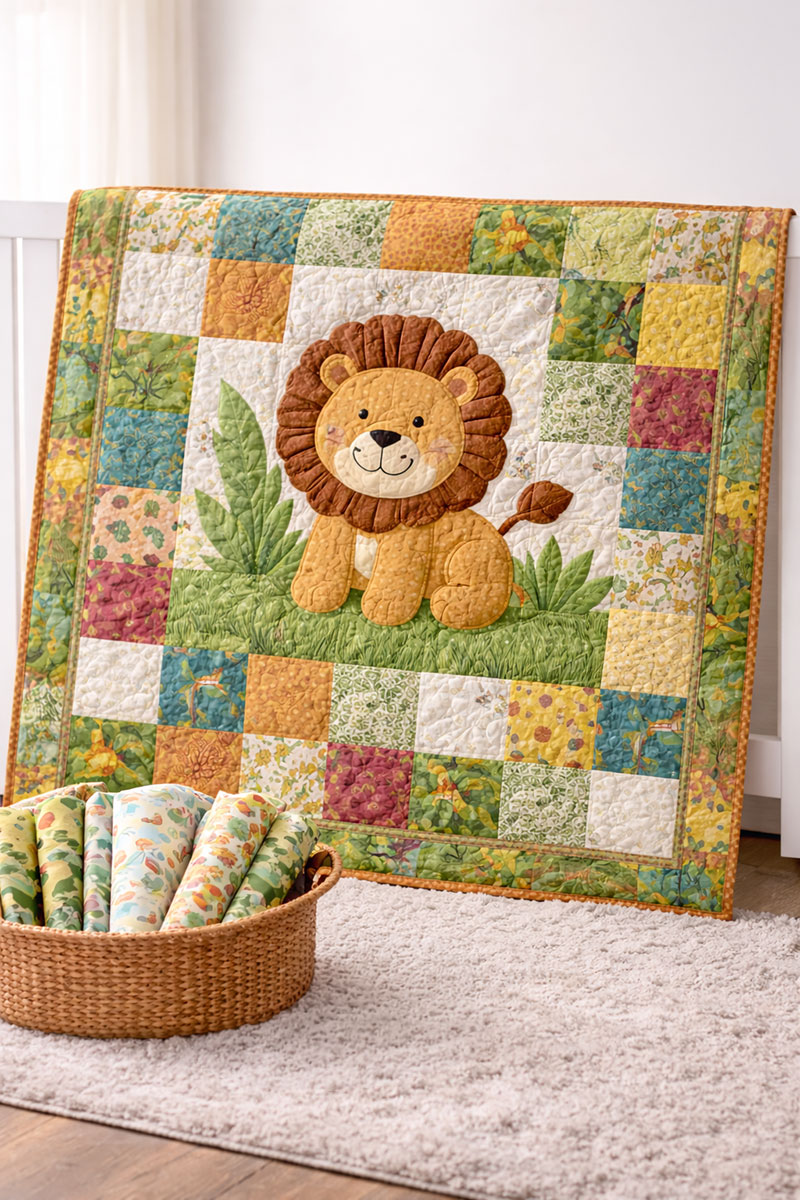 Jungle Baby Quilts
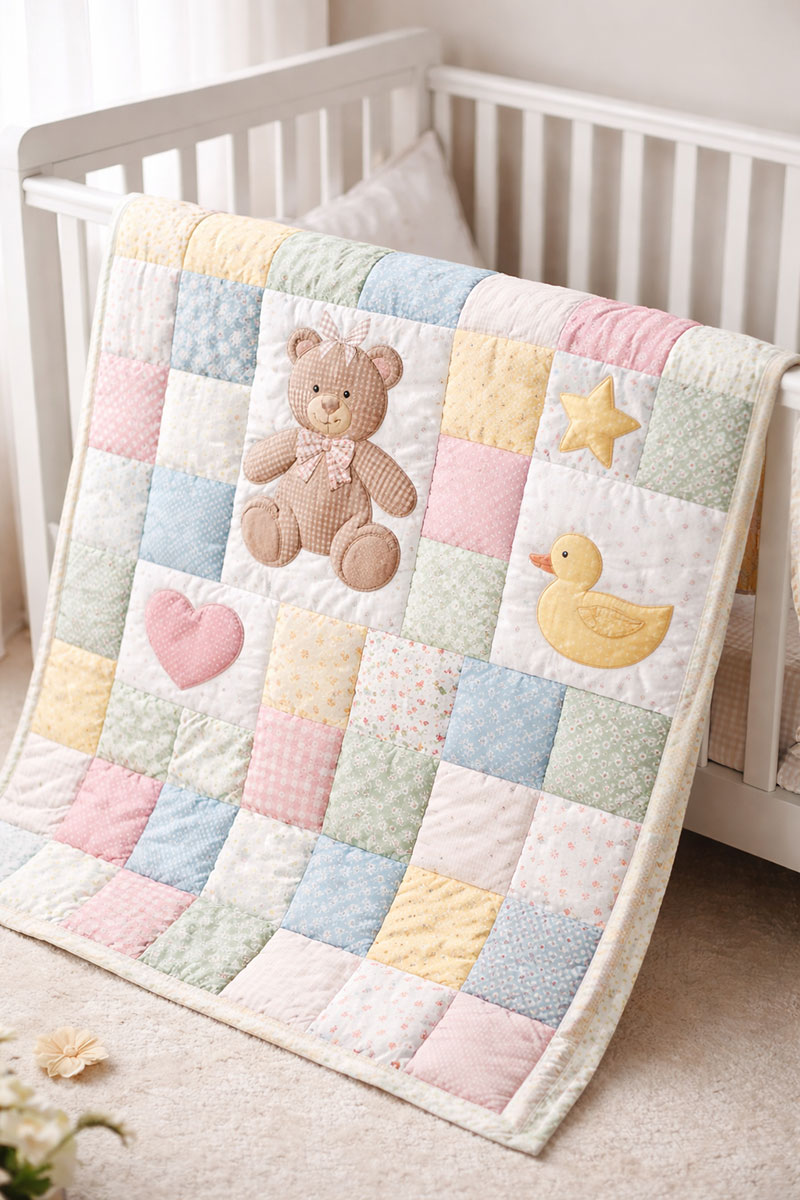 Teddy Bear Quilt
 Butterfly Crib Quilt
Many of the projects shown above are finished quilts, but each one can also be used as inspiration for individual animal quilt blocks, applique templates, nursery wall hangings, and custom baby quilt layouts. If a particular animal catches your eye, click through to see the complete pattern and construction details.
Animal Quilt Block Patterns That Help You Choose
Sometimes the hardest part of making a baby quilt is not sewing the block. It is choosing which animal belongs in the nursery without making the whole quilt look like every idea got invited at once. Animal quilt block patterns help because you can start with one animal, one square, and one clear direction.
Pick the animal that belongs to the room before you pick the fabric.
If the nursery already leans farm, the animal choices are easy to narrow down. A cow, pig, lamb, chick, duck, or horse block will connect naturally with the farm animal baby quilt pattern without making the room look like a random animal mix. If the room is woodland, the woodland baby quilt pattern is the cleaner path because foxes, bears, owls, and rabbits already share the same nursery mood.
I notice quilts look more finished when the animals seem like they would live in the same little story. A turtle next to ocean blocks makes sense. A turtle next to a cow, giraffe, owl, butterfly, and dinosaur can look cute in a pile of fabric, then a little scattered once the quilt is hanging in the room.
Best Animal Blocks for Baby Quilts
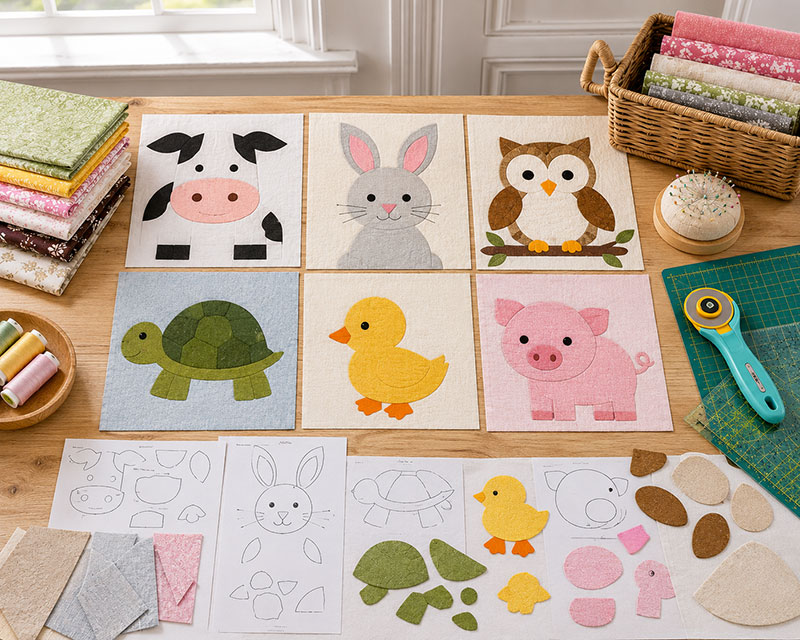
For a baby quilt, I would choose animal blocks with simple shapes that read well from across the room. Round bodies, clear ears, broad wings, chunky paws, and easy tails are better than tiny details that disappear after quilting.
A bunny block is a good choice when you want a nursery quilt that can work with baby bedding, spring decor, or a simple crib display. The bunny baby quilt pattern gives that rabbit idea more room than a tiny block squeezed into a busy sampler.
An owl block works well because the face is recognizable even when the fabrics are quiet. The owl baby quilt pattern is a natural follow-up when you want the owl to become the main character instead of one square in a larger quilt.
A sea turtle block needs space around the shell. If the background has too much movement, the turtle can get lost. The sea turtle quilt pattern gives that shape a better layout, especially for ocean nursery pages.
Dog blocks work best when the puppy shape is simple, with floppy ears, a clear face, and paw details. The dog baby quilt patterns page is the better click when someone wants a puppy quilt instead of a mixed animal quilt.
Animal Applique Quilt Patterns for Beginners
Animal applique quilt patterns are often easier than pieced animal blocks because the animal is placed on top of a background square. That means the shape can be curved, tilted, widened, shortened, or simplified without forcing every detail into tiny seams.
This is also the safest way to create an original animal quilt block. Do not trace another designer’s block and change only the fabric. Make your own animal shape by changing the body outline, head angle, ear size, tail curve, wing placement, patch shapes, feet, and block setting.
For example, a cow block can have a wider face, different spot placement, a new ear shape, and a different body stance. A bunny block can have one ear bent, a rounder cheek, a smaller paw, and a different carrot placement. Those changes are not just for looks. They help keep the pattern yours.
I’ve learned that the paper sketch matters more than people think. If the sketch looks copied, the fabric version will still look copied. Start with a fresh outline on plain paper, then turn that drawing into template pieces.
Materials for One Animal Quilt Block
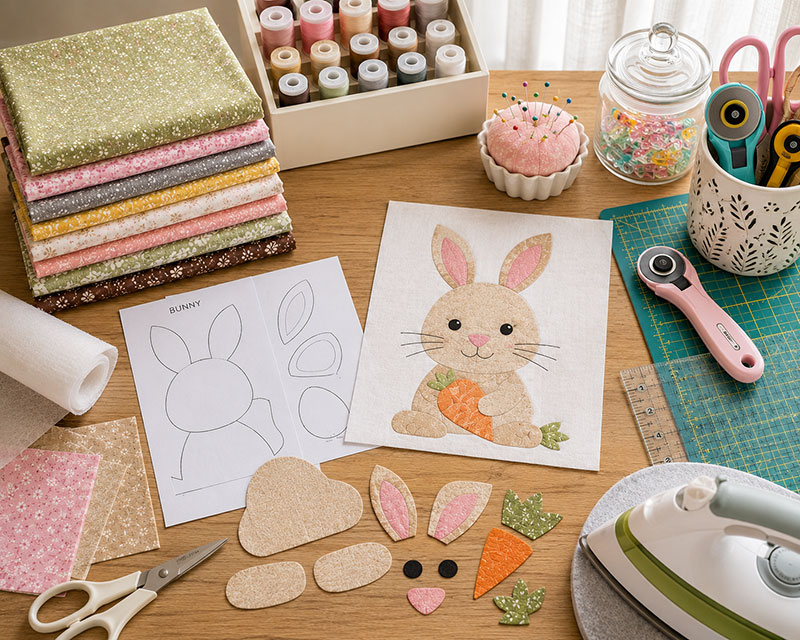
For one 12 inch finished animal quilt block, gather one 12.5 inch background fabric square, cotton fabric scraps for the animal pieces, lightweight fusible web, cotton thread, a washable marking pencil, fabric scissors, a rotary cutter, a ruler, pins or clips, an iron, and a pressing cloth.
Use cotton quilting fabric for the main block. If you are still deciding between prints, solids, flannels, or traditional quilting cottons, my baby fabrics guide explains which materials work best for quilts, nursery sewing projects, and baby-themed applique blocks. Avoid thick trims, loose pieces, beads, buttons, or anything that could pull off if the quilt will be used around a baby. For eyes, stitched details are better than attached pieces.
A real nursery quilt has to survive more than a pretty photo. It may get folded over a chair, used during supervised floor time, packed for a visit, or washed after a spill. That is why simple stitching and washable fabric matter.
If you want a finished size that works nicely with crib quilt planning, use 12 inch blocks. For a smaller display quilt, 10 inch blocks can work. For a wall hanging, even 8 inch blocks can be enough if the animal shape is not too detailed.
How to Make an Animal Quilt Block
Start with one animal block, not the whole quilt. Draw or print your animal template pieces, then trace each piece onto fusible web. Keep the paper side up while tracing. Cut roughly around each traced shape, leaving a little extra outside the line.
Press the fusible web to the wrong side of the fabric scraps. Let the pieces cool, then cut each shape exactly on the traced line. Peel away the backing paper.
Lay the 12.5 inch background square flat. Place the largest animal piece first. For a turtle, place the body before the shell. For an owl, place the body before the wings and face. For a bunny, place the body before the ears so the ears do not drift into the seam allowance.
Press the pieces in place according to the fusible web directions. Stitch around each edge with a short zigzag, blanket stitch, or narrow straight stitch. Trim loose threads as you go because tiny thread tails can make applique look messy fast.
After stitching, press the block from the back. Trim it to 12.5 inches square only after the applique is finished. Applique can pull fabric slightly, so trimming too early can leave the finished block crooked.
The finished block should look like one clear animal on one clean background square. That is the part that makes it useful. You can repeat the same animal, mix it with plain squares, or send the visitor to a finished quilt page that already matches the nursery theme.
Turn Blocks Into Nursery Quilts
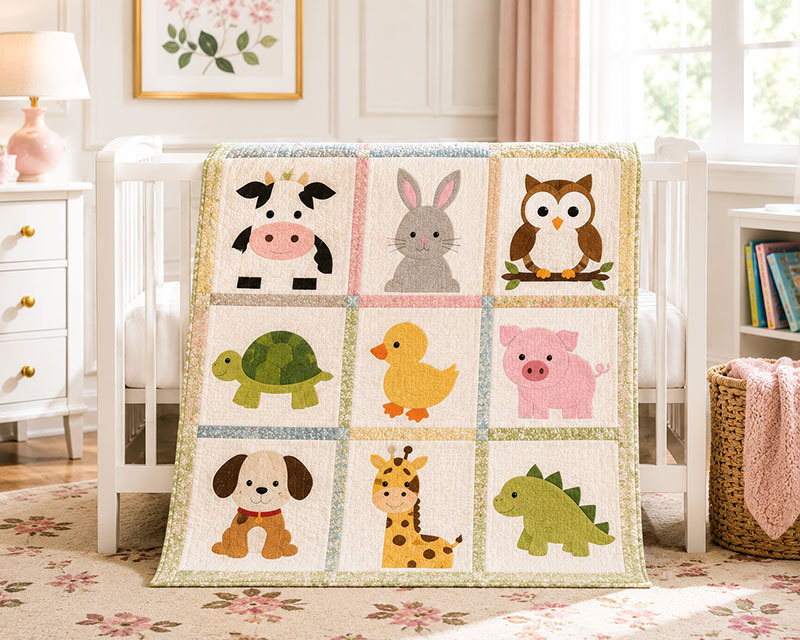
A nursery quilt does not need every animal you can make. A 36 by 48 inch baby quilt can use twelve 12 inch finished blocks in a 3 by 4 layout. Use six animal blocks and six plain squares if you want the quilt to breathe. Use four animal blocks with patchwork borders if you want each creature to stand out.
The ocean baby quilt pattern is a good example of keeping a water theme together instead of scattering sea animals through a general sampler. The giraffe baby crib quilt pattern works better when the tall animal shape has room to be seen. The dinosaur crib quilt pattern is a better path when the nursery needs playful prehistoric shapes without turning the quilt into a crowded scene.
Jungle quilts need even more editing. A lion, giraffe, elephant, monkey, zebra, and leaves all in the same small quilt can get busy. The jungle baby quilts page is useful when the room already has that animal theme and you want the quilt to match the larger nursery idea.
Quilters who want the lion to take center stage can use this lion appliqué baby quilt pattern for a focused jungle or safari design with printable template pieces.
Animal Quilt Block Ideas by Theme
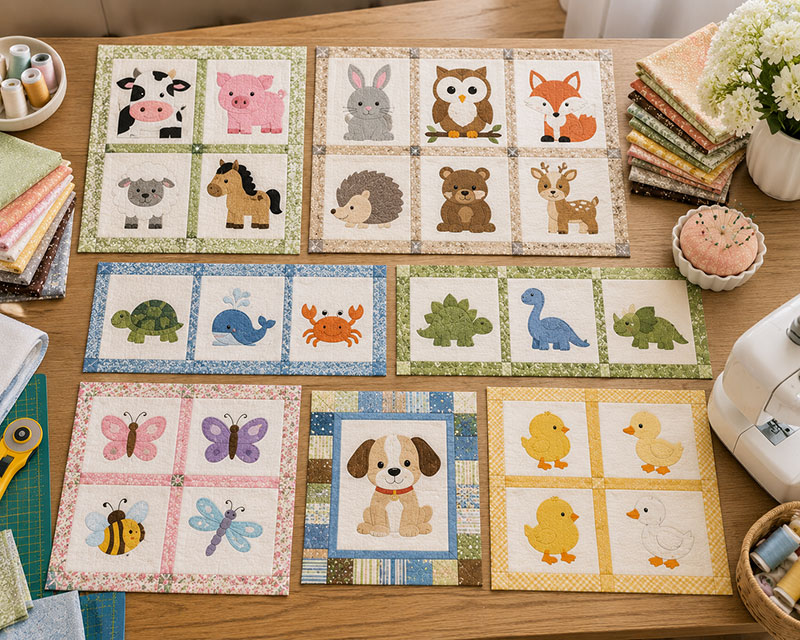
Farm animal blocks can include a cow, pig, lamb, duck, chick, goat, or horse. Use them with simple background squares, barn red accents, gingham binding, or tan patchwork if you want the quilt to connect with a farm nursery.
Woodland animal blocks can include a fox, bear, owl, bunny, deer, or hedgehog. These blocks work best when the background fabrics stay quieter than the animals. Otherwise the fox tail, owl wings, or bunny ears can blend into the patchwork.
Ocean animal blocks can include a fish, whale, turtle, crab, seahorse, or octopus. Give those animals open space around the shape. Too many wave prints can make the quilt look crowded before the first seam is sewn.
Classic nursery animal blocks can include a teddy bear, butterfly, puppy, giraffe, or dinosaur. The teddy bear patchwork crib quilt pattern is a good direction for a keepsake look, while the butterfly crib quilt pattern works when the quilt needs lighter movement without adding another animal face.
When the theme is not decided yet, use the baby quilt patterns collection page first. It gives you a wider view before you settle on animal blocks.
How Quilt Designers Create Original Animal Blocks
Many people assume originality comes from changing fabric colors. It doesn't. A quilt block can still look nearly identical to another design even when every fabric is different.
Original animal quilt block patterns start with the shape itself. Change the head angle, shorten the tail, widen the body, alter the ear placement, rotate the feet, simplify the wings, or redraw the outline completely. Those small decisions quickly create a different design.
For example, a bunny can sit upright, crouch, hop, face forward, face sideways, hold a carrot, or appear without accessories at all. A turtle can have a round shell, an oval shell, large flippers, small flippers, or a completely different shell pattern. Even slight changes create a new visual result.
I believe this is one reason handmade quilts remain special. Two people can begin with the same animal idea and end up with projects that look nothing alike once they start making their own creative choices.
When creating animal applique quilt patterns, sketch the animal on paper first. Then simplify the drawing into pieces that can be cut from fabric. This approach produces blocks that look personal while avoiding the risk of accidentally copying another designer's work.
Safe Ways to Use Baby Quilts
Animal baby quilts are best for supervised floor time, nursery display, rocking chair snuggles while awake, monthly photos, stroller use with supervision, and keepsakes. Loose quilts should not be placed in a baby’s sleep space.
For current United States guidance, the U.S. Consumer Product Safety Commission Safe Sleep page explains why a bare sleep area matters for babies.
That guidance does not make a handmade quilt less meaningful. It just gives the quilt a better role. Hang it on a quilt rack, fold it over a chair when the baby is not sleeping, use it for tummy time while someone is right there, or save it for photos and family memories.
In a real room, the quilt often becomes the piece everyone remembers because it carries the animal, the fabric choice, and the nursery idea all in one place.
Animal Quilt Block Pattern FAQ
What are animal quilt block patterns?
Animal quilt block patterns are individual quilt blocks that feature animal designs. They can be used in baby quilts, crib quilt displays, nursery wall quilts, applique projects, play mats, and keepsake blankets.
What size should animal quilt blocks be?
A 12 inch finished block is a practical size for animal quilt block patterns because it leaves room for ears, wings, tails, paws, shells, fins, and stitched details. Cut the starting square at 12.5 inches before sewing.
Are applique animal quilt blocks easier than pieced blocks?
Yes. Applique animal quilt blocks are often easier for beginners because the animal pieces are placed on top of a background square instead of being built from many small seams.
Which animal quilt blocks are best for a nursery?
Farm animals, woodland animals, ocean animals, bunnies, owls, puppies, teddy bears, giraffes, dinosaurs, turtles, and butterflies all work well because they connect naturally to common nursery themes.
How do I make animal quilt block patterns more original?
Change the animal outline, body angle, face shape, ear size, tail curve, leg placement, patch shapes, applique layers, background layout, and quilt setting. Do not copy another designer’s exact block and only change the colors.
Can animal quilt blocks be used in a crib?
Animal quilt blocks can be sewn into a crib quilt display or keepsake quilt, but loose quilts should not be placed in a baby’s sleep space. Use handmade quilts for supervised use, display, or photos instead.
When you click on links to various merchants on this site and make a purchase, this may result in this site earning a commission. This does not affect the price you pay.

UBGI Gold Standard 2026
Reviewed under the site's
editorial checklist.
Photos, decorating ideas, party setups and reader submissions are shared for inspiration unless a page is specifically presented as a pattern, tutorial, reference guide or step-by-step project. Follow the instructions, measurements, safety guidance and manufacturer directions provided for the particular project or product.
About Jan | Contact | Baby Nursery Ideas (Blog) | Site Map | Privacy Policy | Disclosure Policy | Disclaimer | Affiliate Disclosure | Earnings Disclosure | Facebook | Pinterest
I am a participant in the Amazon Services LLC Associates Program, an affiliate advertising program designed to provide a means for us to earn fees by linking to Amazon. As an Amazon Associate I earn from qualifying purchases.
Copyright © 2006-2026. All Rights Reserved.