Jungle Baby Quilts: Safari, Zoo, and Animal Crib Quilt Ideas
Jungle baby quilts can be sweet, playful, bold, or softly modern, and this page brings together safari, zoo, and animal-themed crib quilts in one place so you can choose a style that fits your nursery, your fabric stash, and your skill level.
Pick a Jungle Quilt Style

Jungle baby quilts can range from soft safari animals to playful zoo themes, making it easy to choose a crib quilt style that fits your nursery colors and the animals you want to feature.
Browse jungle quilt fabric selection ideas
Jump to a section:
Quick answer: Jungle baby quilts usually work best when you first choose the look you want, then narrow it to one direction such as safari animals, zoo animals, monkeys, giraffes, or elephants. That makes it much easier to pick fabrics, plan colors, and create a crib quilt that feels pulled together instead of busy.
How to Choose the Best Jungle Baby Quilts Style for Your Project
Start with one clear theme.
If you are making or buying a jungle quilt for a nursery, the easiest way to get a better result is to choose the jungle style first. Some jungle baby quilts lean soft and natural with safari colors. Others feel brighter and more playful with zoo animals and bold patchwork. This page helps you compare those directions quickly so you can choose the right jungle crib quilt look, then visit the most relevant supporting page for fabrics, size, or a more specific animal theme.
If you want to compare this theme with other nursery quilt styles, visit my baby quilt ideas collection for more crib quilt themes, handmade baby quilt ideas, and pattern inspiration.
For lighter seasonal designs with florals, butterflies, bunnies, and other soft motifs, browse my spring crib quilt pattern ideas collection for more nursery-friendly inspiration.
Jungle Baby Quilts Styles
Jungle crib quilts usually fall into a few clear directions, including soft safari quilts, playful zoo animal quilts, and simpler one-animal crib quilts. Choosing the style first helps narrow the fabrics, colors, and layout, which makes the finished quilt feel more coordinated and easier to plan.
Jungle baby quilts is a broad theme, which is why this page works best as a hub page. One family may picture a soft safari quilt with elephants, giraffes, and warm tan prints. Another may want cheerful zoo animals in brighter colors with monkeys, parrots, lions, and patchwork borders. A third may prefer one focal animal and a simpler layout that feels cleaner and more modern.
The best jungle quilt pages are the ones that help you narrow the look fast. If your nursery already has animal wall art, crib sheets, or a favorite color palette, use that as your starting point. Matching the quilt to the room usually creates a calmer finished look than trying to squeeze every jungle animal onto one small crib quilt.

A jungle quilt looks more polished when the colors and animals follow one clear direction.
Safari Jungle Baby Quilts
Safari jungle baby quilts usually feel the most timeless. They often use soft greens, warm beige, camel, ivory, muted gold, and gentle brown shades. The animals tend to be elephants, giraffes, lions, zebras, and sometimes rhinos. This style works especially well in nurseries that lean calm, neutral, or slightly modern.
A safari quilt can be pieced, appliqued, or built around a printed panel. If you want a quilt that still feels stylish five years from now, safari is often the safest direction because the colors are easy to live with and the animal mix does not depend on trendy prints. It also blends nicely with wood furniture, woven textures, and simple nursery wall art.
For fabric ideas that work well with this look, see my baby quilting fabrics guide, where I pull together fabric directions that can support jungle, safari, and animal nursery quilts.
Zoo Animal Jungle Baby Quilts
Zoo-style jungle baby quilts often use brighter colors and a more playful mix of animals. This is where you often see mixed animals, stronger color contrasts, and busier prints. A zoo quilt can be a great fit when the nursery already has cheerful wall colors, colorful books, or a more whimsical decorating style.
The challenge with a zoo quilt is balance. Too many bright fabrics can make the finished quilt feel crowded. A good way to keep it looking neat is to choose one background color and repeat it throughout the quilt. White, cream, pale aqua, and soft gray all help busy animal prints feel more organized.
If you are working with a printed animal panel, let the panel do most of the talking. Add simple borders, calm backing fabric, and easy binding rather than competing patchwork. A nursery quilt does not have to be complicated to be memorable.
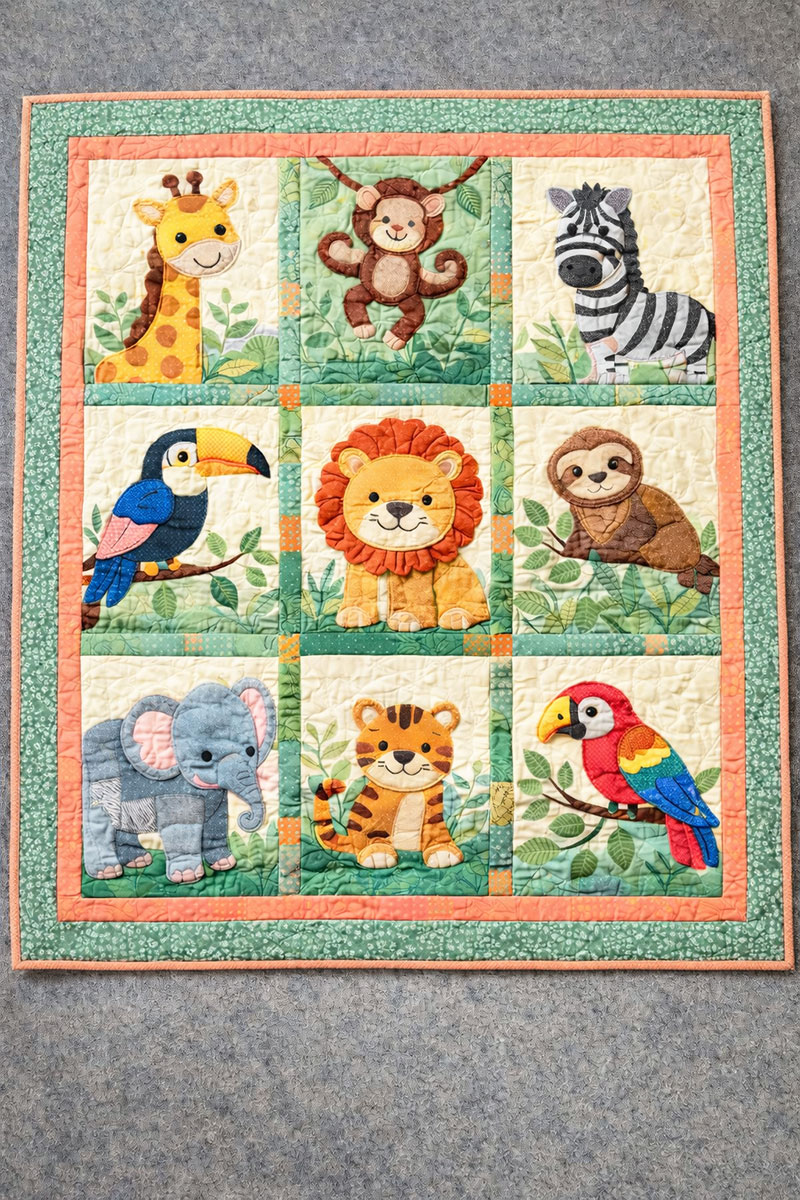
Zoo animal quilts feel happiest when the prints are lively but the layout still feels easy to read.
Single Animal Quilt Ideas
Some of the most striking jungle baby quilts focus on one animal instead of a full mixed-jungle layout. That approach is often easier for beginners, and it can also give the finished quilt a cleaner and more intentional look. A giraffe, monkey, or elephant quilt often feels more focused than a design trying to include every animal or bird in one project.
If you want a clean, beginner-friendly example, visit my giraffe baby crib quilt pattern page. It is a good example of how a single animal theme can still feel playful while staying visually simple.
Another safari option is my lion baby quilt pattern, which uses one recognizable animal as the main design instead of crowding the quilt with a full jungle cast.
For a softer mixed-animal design with an airy, storybook feel, see this hot air balloon safari animals crib quilt pattern.
For monkey-themed nursery quilting, my sock monkey fabric page may also help if you want a more focused animal direction instead of a full mixed-jungle print story.
One animal is enough. In many nurseries, it is actually better.
For more flexible jungle, safari, and nursery animal layouts, these animal quilt block patterns can help you build a custom crib quilt from simple appliqué-style animal blocks.
For a softer barnyard direction outside the safari theme, this farm animal baby quilt pattern uses cows, chicks, lambs, and country nursery charm in a handmade crib quilt style.
For a more playful single-theme option that still feels focused, my construction truck baby quilt pattern shows how one clear motif can carry the whole crib quilt without making the nursery feel crowded.
Choosing Fabrics for Jungle Baby Quilts
Fabric choice shapes the overall look of jungle baby quilts. Soft watercolor prints can give the quilt a gentler nursery feel, while bold novelty prints create a brighter and more playful effect. Small all-over prints can calm a busy layout, and larger animal motifs can help define the main focus of the quilt. For help choosing cotton prints, blender fabrics, and nursery-friendly materials, see my baby fabrics guide before finalizing your jungle quilt palette.
Try to choose three fabric roles before you buy too much. Pick one main animal print, one supporting print, and one quiet blender. That simple structure helps prevent fabric overload and keeps the quilt easier to plan. It also makes it easier to repeat colors across borders, binding, and quilt backing.
If you are still deciding between several directions, my baby fabrics page is a good place to compare options before you settle on a safari, zoo, monkey, or giraffe look.
Crib Quilt Size and Batting
Once you have chosen the style, it helps to think about size and finish. A crib quilt that is too small may not feel substantial, while one that is too large can be harder to handle and less versatile for everyday use, gifting, or display.
For measurements that make planning easier, see my crib quilt size guide. That page helps you compare common baby quilt dimensions so your jungle quilt feels usable and well proportioned.
Batting also affects the final result more than many people expect. Loft changes how soft, puffy, warm, or flat the finished quilt feels. If you want help deciding what goes inside the quilt, my crib quilt batting guide explains the common options in a simple way.
If you are making a jungle crib quilt for a baby, remember that quilts and loose blankets should be kept out of infant sleep spaces. For current safe sleep guidance, see the American Academy of Pediatrics safe sleep recommendations.
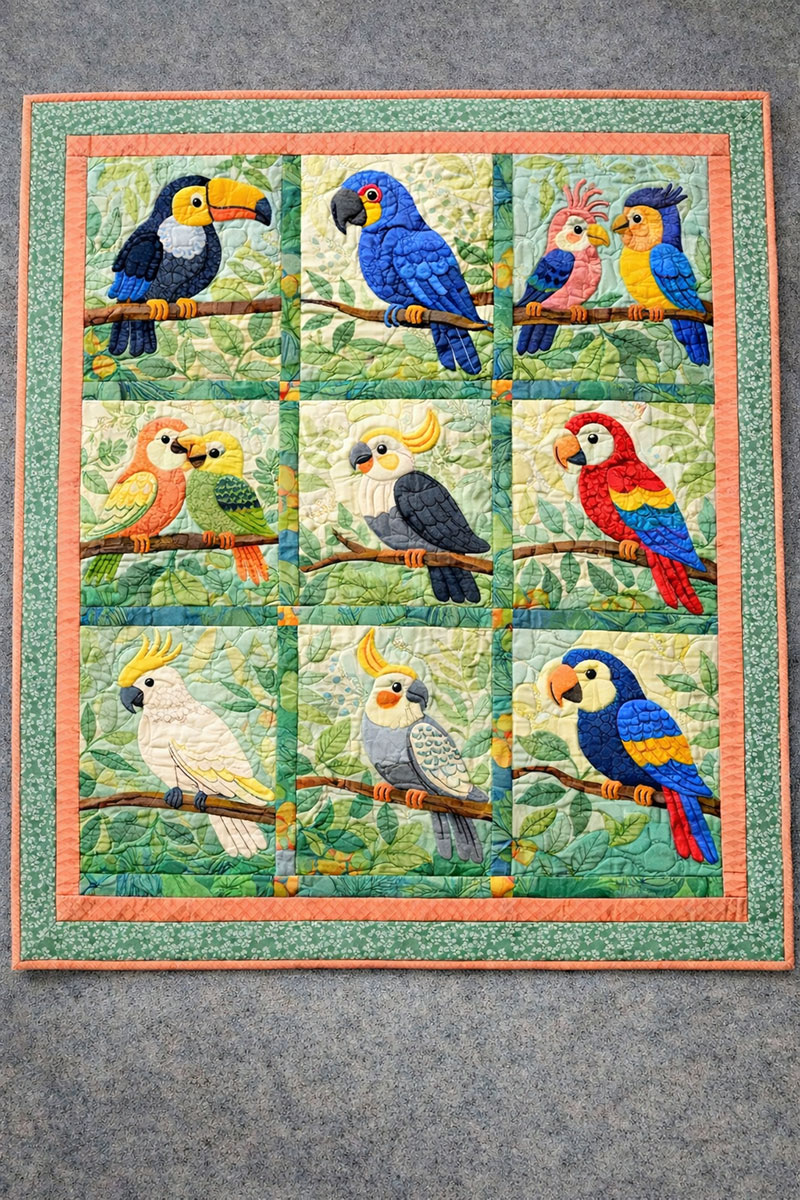
The right size and batting make a jungle crib quilt feel useful, giftable, and easy to enjoy.
Decorating With Jungle Baby Quilts
Jungle baby quilts can help tie a nursery theme together by repeating the animals, colors, or mood already used elsewhere in the room. If the nursery only has a few jungle details so far, the quilt can become the piece that makes the theme feel clear and complete.
In a low-key nursery, repeating one or two colors from the quilt can help the theme feel consistent. In a brighter room, a jungle quilt with a calmer layout can bring the look together without adding visual clutter. The quilt should feel connected to the nursery, not separate from it.
If you enjoy handmade details beyond quilts, you may also like my DIY nursery decor ideas page for more nursery-friendly projects that work well with animal themes.
And if you want to keep exploring crib quilts in general, return to the baby quilt ideas hub to compare other nursery quilt themes, fabric directions, and handmade project ideas.
Jungle baby quilts usually work best when you choose one clear direction, such as safari, zoo animals, or a single featured animal, before selecting fabrics and size. That simple choice helps the quilt look more coordinated, makes the project easier to plan, and leads quilters to the right decisions for crib quilt measurements, batting, and related animal quilt ideas.
Common Questions About Jungle Baby Quilts
What animals work best on jungle baby quilts?
Elephants, giraffes, monkeys, lions, zebras, and parrots are popular choices because they read clearly on crib quilts and work well in both safari and zoo-inspired nursery themes.
Should jungle baby quilts use bright colors or neutral colors?
Either can work. Bright colors usually suit playful zoo-style quilts, while neutral colors often look better in safari quilts and modern nurseries. The better choice depends on the room and the fabric style you want.
What size should a jungle baby quilt be?
Most jungle baby quilts work best when they follow common crib quilt dimensions rather than random panel sizes. A planned size usually makes the quilt more useful and easier to finish neatly.
Is a single animal quilt easier than a mixed jungle quilt?
Yes. A single animal quilt is often easier to design because the fabrics, colors, and layout are simpler to control. It can also give the nursery a cleaner and more custom look.
Whether you prefer a soft safari look, a brighter zoo quilt, or a simple one-animal design, choosing the style first usually makes the whole project easier to plan and more satisfying to finish.


About Jan | Contact | Baby Nursery Ideas (Blog) | Site Map | Privacy Policy | Disclosure Policy | Disclaimer | Affiliate Disclosure | Earnings Disclosure | Facebook | Pinterest
I am a participant in the Amazon Services LLC Associates Program, an affiliate advertising program designed to provide a means for us to earn fees by linking to Amazon. As an Amazon Associate I earn from qualifying purchases.
Copyright © 2006-2026. All Rights Reserved.