What Can Go in a Crib? What Belongs There and What Doesn’t
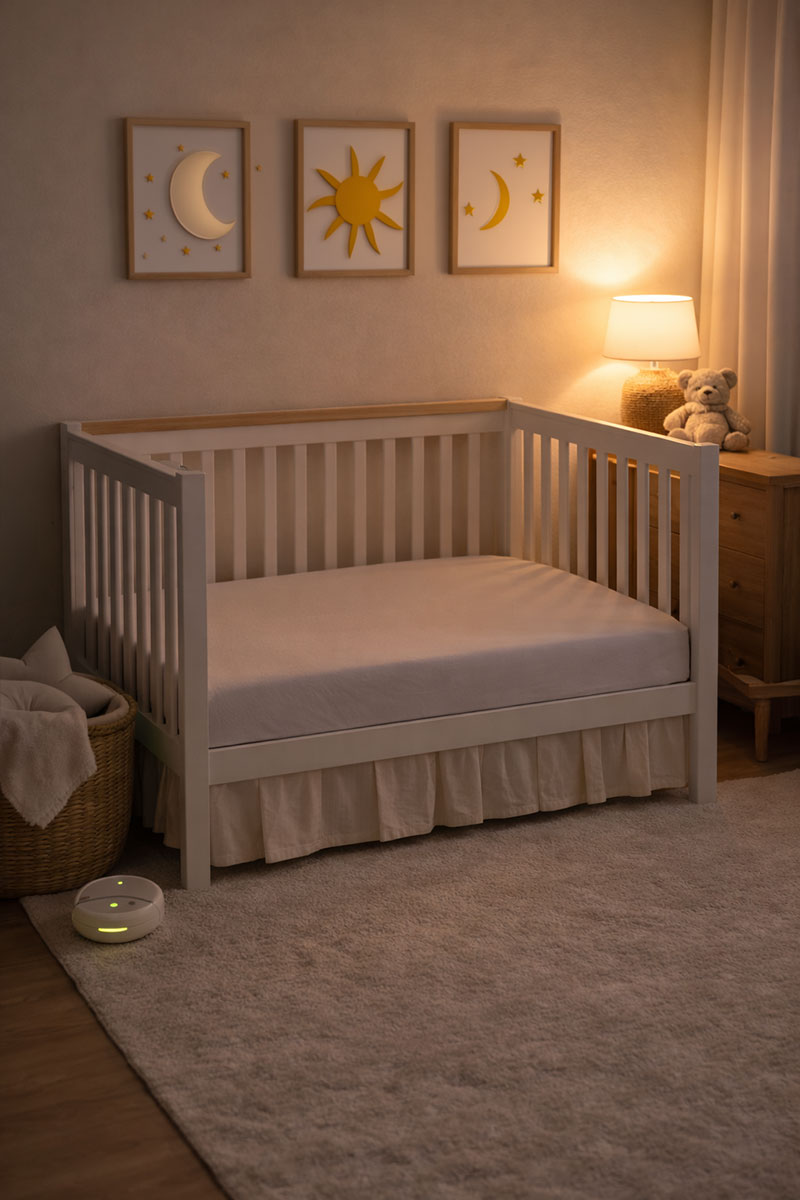
What can go in a crib? In the United States, a crib sleep space is intended to include only a properly fitted crib mattress and a fitted sheet, with no loose or decorative items placed on the sleep surface.
This page explains what can go in a crib and how parents in the United States typically interpret what belongs in a crib sleep space under current U.S. crib safety standards, manufacturer documentation, and regulatory classifications. A crib is a regulated sleep product with defined structural requirements and intended use limits. This page provides general reference clarification about crib contents and terminology and does not approve specific products, provide medical advice, offer individualized sleep recommendations, or replace manufacturer guidance.
The crib is not a toy box and not a display shelf.
Not sure what actually belongs inside the crib? Check these first:
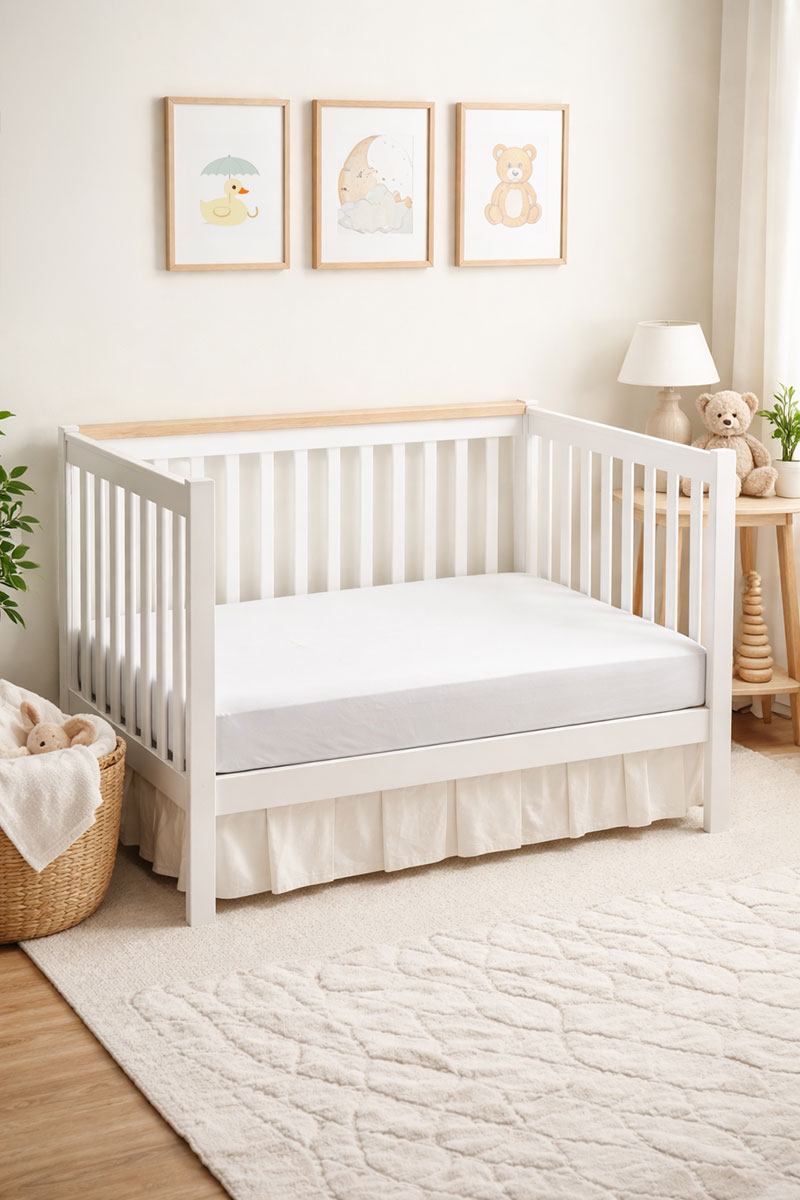
A crib sleep space is intended to remain simple: a firm mattress, a fitted sheet, and no loose or decorative items.
When parents ask what can go in a crib, they are usually referring to sleep items placed on the sleep surface—not everything that might physically fit inside the crib.
A firm crib mattress that fits the crib correctly
A fitted crib sheet made for that mattress size
No loose bedding, pillows, toys, or decorative items on the sleep surface
This page provides general reference information about crib contents and common parent questions and does not offer medical, safety certification, or product-specific guidance.
Knowing what can go in a crib is something every parent should know when setting up a baby’s sleep space. A crib may look like a simple piece of furniture, but just because an item might fit inside it doesn't mean that it actually belongs there. This page breaks down what is typically placed in a baby crib, what items are often added out of habit or tradition, and which things are commonly questioned or confused—so you can clearly understand what people mean when they ask this question in the first place.
What can go in a crib? Start with the simple stuff
When someone is searching for “what can go in a crib,” they’re usually trying to solve one of three things: they want to set up the crib the right way, they want to know what’s commonly placed in there (and what’s commonly questioned), or they just bought something cute and don’t know whether it belongs where baby will be sleeping or not.
I’m going to keep this plain and practical. Think of a crib like a tiny, flat “sleep spot” first, and a decorative nursery item second. Once that picture is clear in your mind, the rest of the choices get a lot easier to sort.
What to do next (quick version): look at your crib right now, name what’s inside it, then compare it to the “basics” list below. That one small step usually clears up 80% of the confusion.
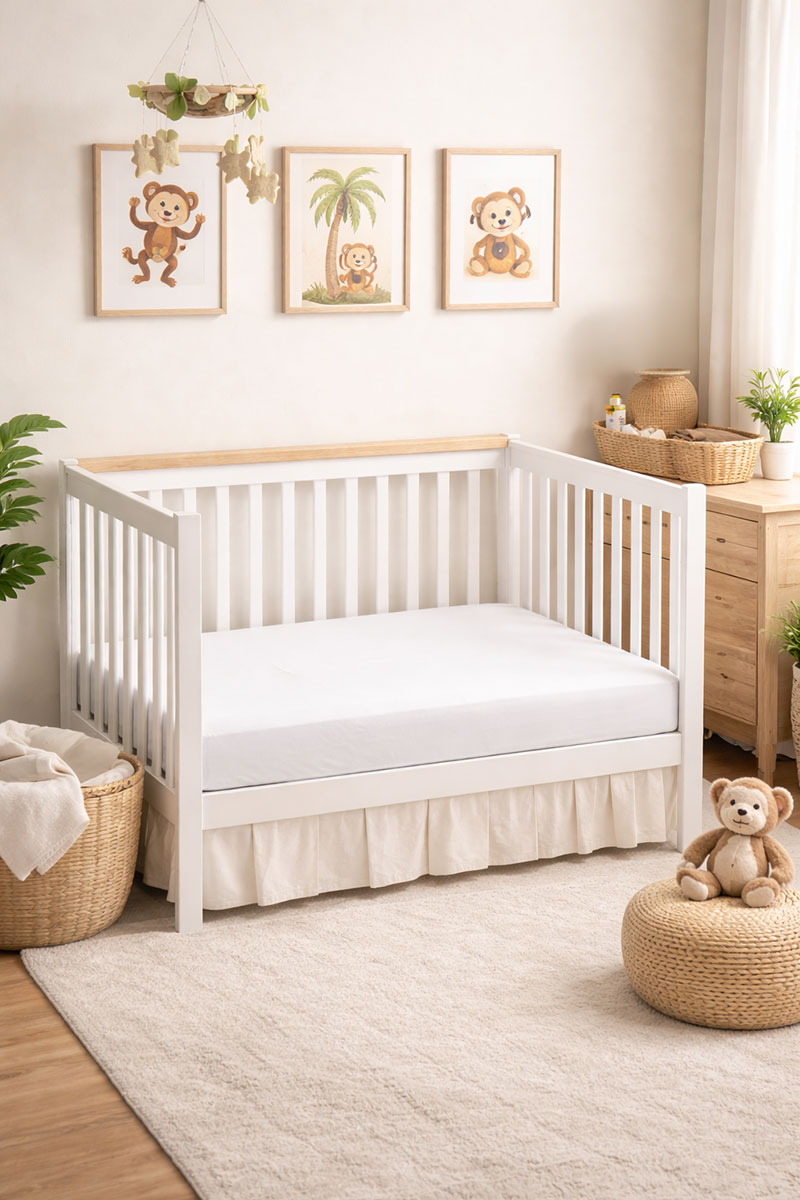
The “basics” most people mean when they say “crib setup”
In real life, most parents start with a short list of basics. Not a pile of products. Not a themed bundle. Just the parts that make the crib ready for sleep and easy to clean up after.
Here’s the plain-language starter set most families are thinking of:
A firm crib mattress that fits the crib
A fitted crib sheet made for that mattress size
A wearable sleep item (like a sleep sack) that isn’t loose bedding
That’s it for the core idea. Everything else people place in a crib tends to fall into two buckets: “comfort items adults like” and “things that are there because someone gifted them.”
If you’re still deciding on the mattress side of things, my crib mattress pages can help you compare what you bought to what’s typical for cribs: crib mattress basics and sizing.
Quick fit check
A fast way to feel more confident about the crib itself is to confirm you’re using true crib-sized items.
If your nursery is tight and you are also weighing footprint concerns, this guide to crib choices for small rooms can help you compare space-saving crib options more clearly.
It sounds obvious, but I’ve seen plenty of “almost fits” setups that came from buying the wrong size sheet or mixing mini-crib items with a full-size crib.
For a quick reference point, see: standard crib sizes and dimensions.
What people add because it’s cute (and why it ends up in the crib anyway)
Let’s be honest—cribs are adorable in photos. And stores are very good at selling “finishing touches.” That’s how a simple crib turns into a little stage set. Parents aren’t doing anything “wrong” by liking cute things. It’s just helpful to know which items are decoration, which items are for use, and which items are better kept out of the sleep area.
Here are common add-ons people ask about all the time:
Pillows (including “tiny” pillows)
Quilts and loose blankets
Stuffed animals
Positioners, wedges, and “sleep nests”
Crib bumpers and bumper-style liners
Hanging toys, mobiles placed too low, or anything baby can grab
If you landed here because the bumper question is what brought you in, this page separates the terms people mix up: crib rail vs crib bumper (what people mean).
Another item that often gets confused with crib accessories is bed rails, especially when parents are trying to keep babies from rolling or climbing, which is why this reference explains the difference clearly: can you use bed rails on a crib.
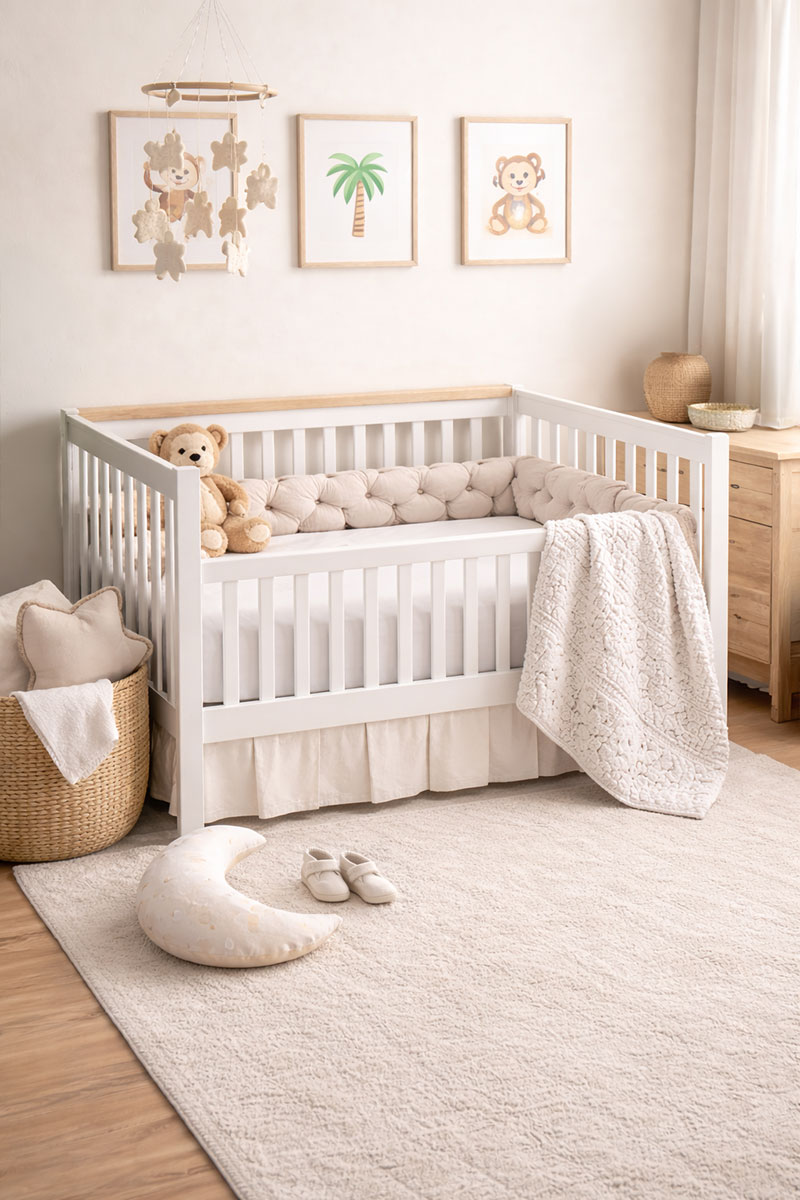
Loose bedding vs. wearable warmth
This is where parents get stuck, because warmth feels like love. A fluffy blanket looks cozy. A quilt feels “normal.” But in crib talk, loose bedding and wearable warmth are two different ideas.
Many parents choose wearable warmth because it keeps things simple: it moves with baby, and it doesn’t create extra layers on the sleep surface. When you hear people say “keep it basic,” this is usually what they’re aiming for—less stuff in the crib, more control over the warmth.
When you’re shopping, the wording can get confusing fast. If you want to decode what brands mean by “cover,” “protector,” and “pad,” this page breaks down the language in plain terms: what a crib mattress “cover” usually means.
Most parents choose simple layers
I notice the happiest setups are the ones that are easy to repeat at 2 a.m. A fitted sheet you can swap fast. A mattress surface that’s easy to wipe. A wearable sleep layer that doesn’t require a whole checklist.
That kind of setup also makes it easier to tell when something feels “extra” and doesn’t need to be in the crib at all.
Teething, chewing, and the crib rail confusion
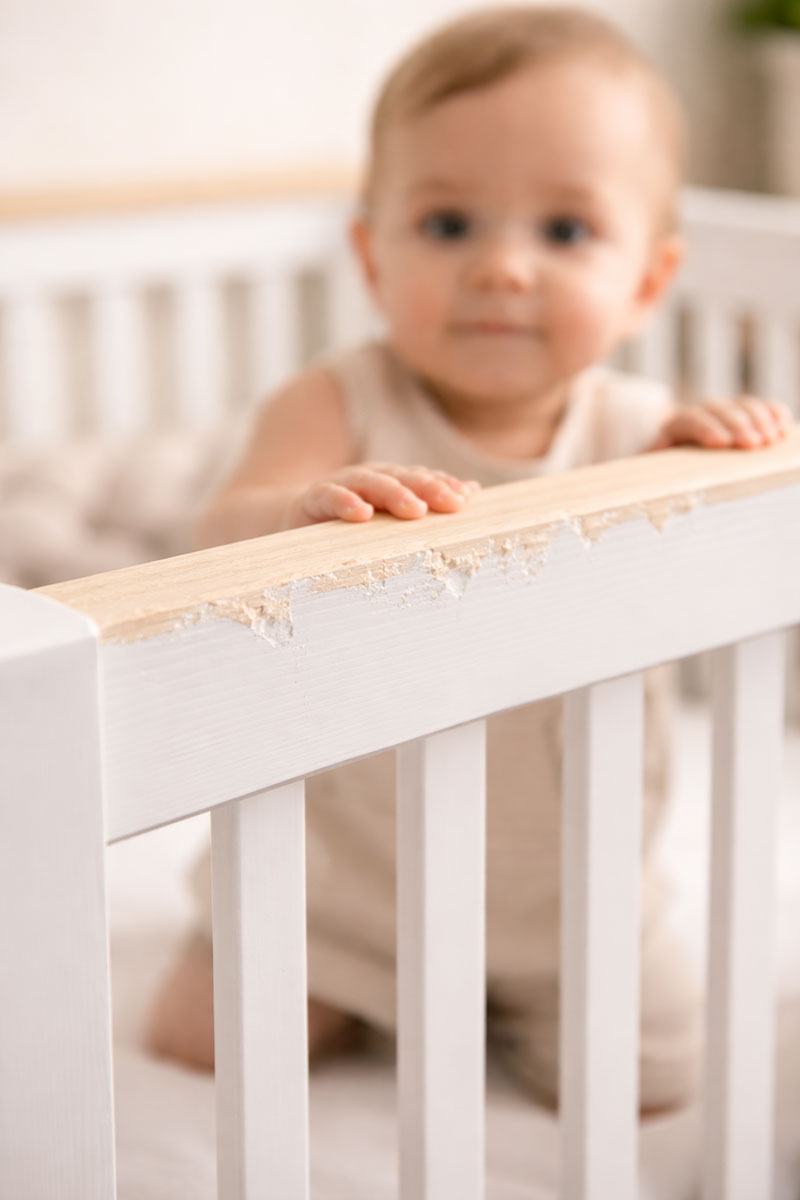
Another reason this search pops up is the chewing phase. Parents see teeth marks, little bits of paint, or a damp rail, and suddenly the crib turns into a question mark.
Chewing is often a timing thing, not a “bad crib” thing. Babies explore with their mouths. They also get fussy during teething and look for pressure. That’s why rail covers and rail alternatives get so much attention.
For the “why is my baby doing this?” side, see: why babies chew crib rails.
For the “what do people use?” side, see: crib rail covers and alternatives.
“Did I buy right?” A calm way to double-check your choices
Sometimes the question isn’t really “what can go in a crib.” It’s “did I just waste money?” That’s especially true after a baby shower, when you’ve got a sweet mountain of gifts and no clear place to put half of it.
Here’s how I look at it in a calm, non-panicky way: separate items into “sleep basics,” “room decor,” and “supervised use.” Crib basics stay boring. Decor stays cute but outside the sleep space. Supervised items get used when an adult is present and paying attention.
What to do next: make three small piles on the floor (or three boxes). Label them with sticky notes. Then set up the crib with only the basics pile. Everything else can still have a home in the nursery without living in the crib.
If you only remember one thing
When the crib stays simple, it’s easier to keep your routine consistent, and it’s easier to spot what’s unnecessary clutter.
That “simple on purpose” mindset is the best filter I know.
Where to look for official crib guidance
Different families hear different advice from relatives, friends, and the internet. When you want the official wording, the clearest place to start is the U.S. Consumer Product Safety Commission crib information page.
U.S. Consumer Product Safety Commission crib information
What to do now: a simple plan for tonight
Here’s a plan that doesn’t take a big “project day.” First, reset the crib to basics. Second, move decor items to a shelf, a basket, or a photo corner. Third, pick one “next step” page to read based on the exact problem you’re trying to solve.
For mattress fit and sizing questions, start here: crib dimensions and standard sizes.
For bedding language and what products actually do, start here: crib mattress cover wording explained.
For the chewing phase and rail questions, start here: why babies chew crib rails.
When you click on links to various merchants on this site and make a purchase, this may result in this site earning a commission. This does not affect the price you pay.

UBGI Gold Standard 2026
Reviewed under the site's
editorial checklist.
Photos, decorating ideas, party setups and reader submissions are shared for inspiration unless a page is specifically presented as a pattern, tutorial, reference guide or step-by-step project. Follow the instructions, measurements, safety guidance and manufacturer directions provided for the particular project or product.
About Jan | Contact | Baby Nursery Ideas (Blog) | Site Map | Privacy Policy | Disclosure Policy | Disclaimer | Affiliate Disclosure | Earnings Disclosure | Facebook | Pinterest
I am a participant in the Amazon Services LLC Associates Program, an affiliate advertising program designed to provide a means for us to earn fees by linking to Amazon. As an Amazon Associate I earn from qualifying purchases.
Copyright © 2006-2026. All Rights Reserved.