Nursery Layout Ideas According to Window
Location
The safest nursery layout ideas according to window location place the crib on a solid interior wall away from windows, cords, and direct drafts, then position the remaining furniture according to light flow and walking paths. Window location affects natural light direction, exterior-wall temperature shifts, and overall room circulation, which is why crib positioning should always be decided before decorative layout choices.
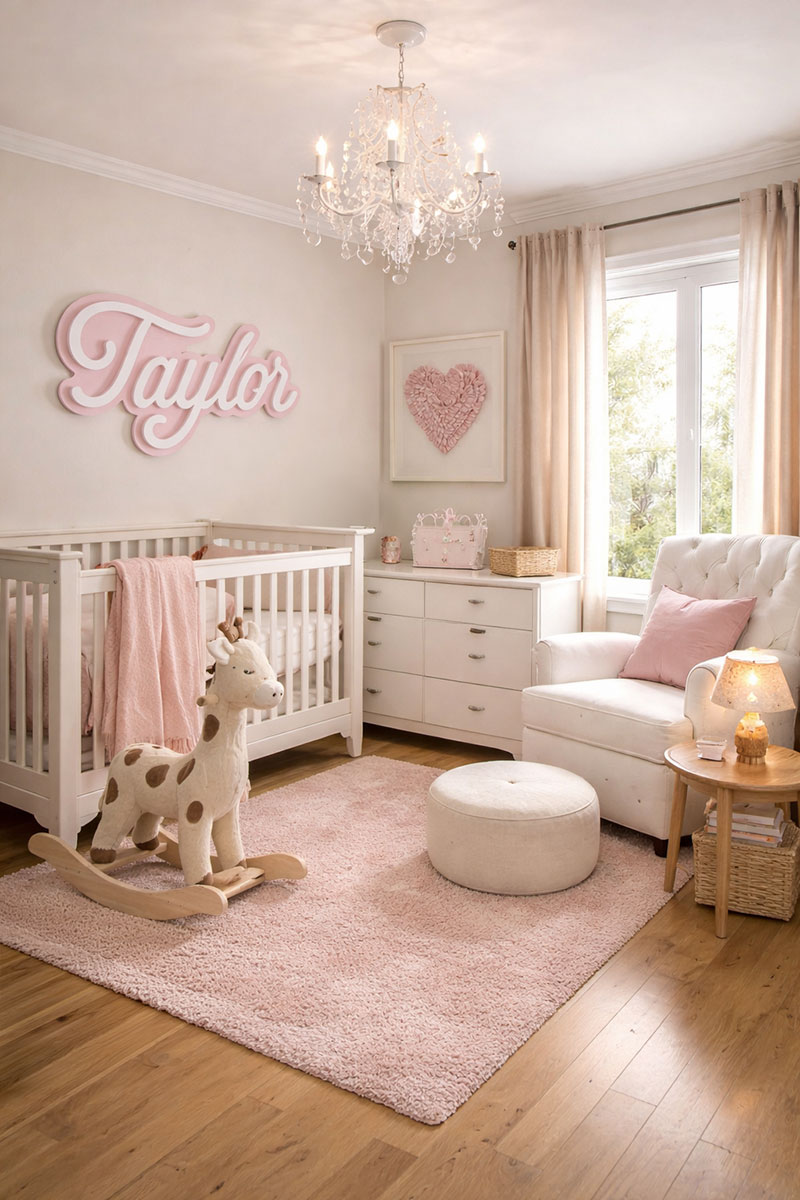
Why Nursery Layout Ideas According to Window Location Affect Crib Placement
Crib placement begins with one structural reality: the window changes how every other wall functions. It affects crib placement, light direction, airflow, and walking space all at once. When a nursery feels slightly “off,” it is usually because the window wall was treated as decorative space instead of a layout variable.
This is not a decorating question. It’s a crib-and-furniture placement question. Window cords, drafts, glare, temperature shifts, and climbable surfaces all affect a baby’s sleep space. Even in the prettiest nursery, those details still matter.
If the room is smaller, window placement matters even more. I go deeper into tight-space balance here: Small nursery layout ideas. In compact rooms, every wall competes with every other wall. The window wall often wins attention, but it should not automatically win the crib.
Throughout this page, I use one term: window location layout. Some call it window-based nursery layout or nursery layout by window placement. It all comes back to one decision — where the crib sits in relation to the window.
This page explains general layout logic and safety context, not product-specific instructions. We’re focusing on understanding why certain placements work better over time.
Decision in one sentence
In nursery layout ideas according to window location, the crib should be placed on a solid interior wall rather than directly under a window.
What to do next (quick)
If you want to sketch the room before moving furniture, this nursery floor plan guide can help you map the crib wall, window wall, and walking path more clearly.
Identify the window wall. Then identify the longest uninterrupted interior wall. That interior wall is usually the better crib wall.
How Window Position Changes Nursery Furniture Layout
Window location layout influences three structural forces at once: light exposure, airflow variation, and traffic flow. Morning and afternoon glare shift across the room. Exterior walls fluctuate in temperature. Curtains and cords introduce movement near the sleep space. These variables do not appear in styled photos, but they shape real nursery function.
Nursery layout ideas according to window location must account for those forces before decorative symmetry. When the window wall is treated as a design feature instead of a structural boundary, furniture placement often gets adjusted repeatedly.
Where to Place a Crib When the Main Wall Has a Window
When the window sits on the largest wall, it’s tempting to center the crib underneath it. The symmetry feels satisfying. But symmetry does not always equal function.
Placing the crib on a solid interior wall usually creates a calmer sleep zone. The window wall can then support the chair, soft lighting, and daytime routines without crowding the crib.
The crib is the anchor of the room. The window is the light source. They do not have to share the same wall.
For a more specific example of how to place those two main pieces without letting the window wall take over the room, see this nursery layout with crib and dresser guide.
For a closer look at how the crib, dresser, and chair should work together, see my nursery furniture layout ideas, and for a broader comparison of room shapes, furniture flow, and what works in different spaces, explore these nursery layout ideas.
If your room is a medium-size square nursery with more flexibility than a compact layout, this 12x12 nursery layout guide shows how to place the crib, dresser, and chair while keeping the window wall from taking over the room.
For rooms with four fairly even walls and no strong long-wall advantage, these square nursery layout ideas can help you balance the crib, chair, and dresser without letting the window wall control the whole layout.
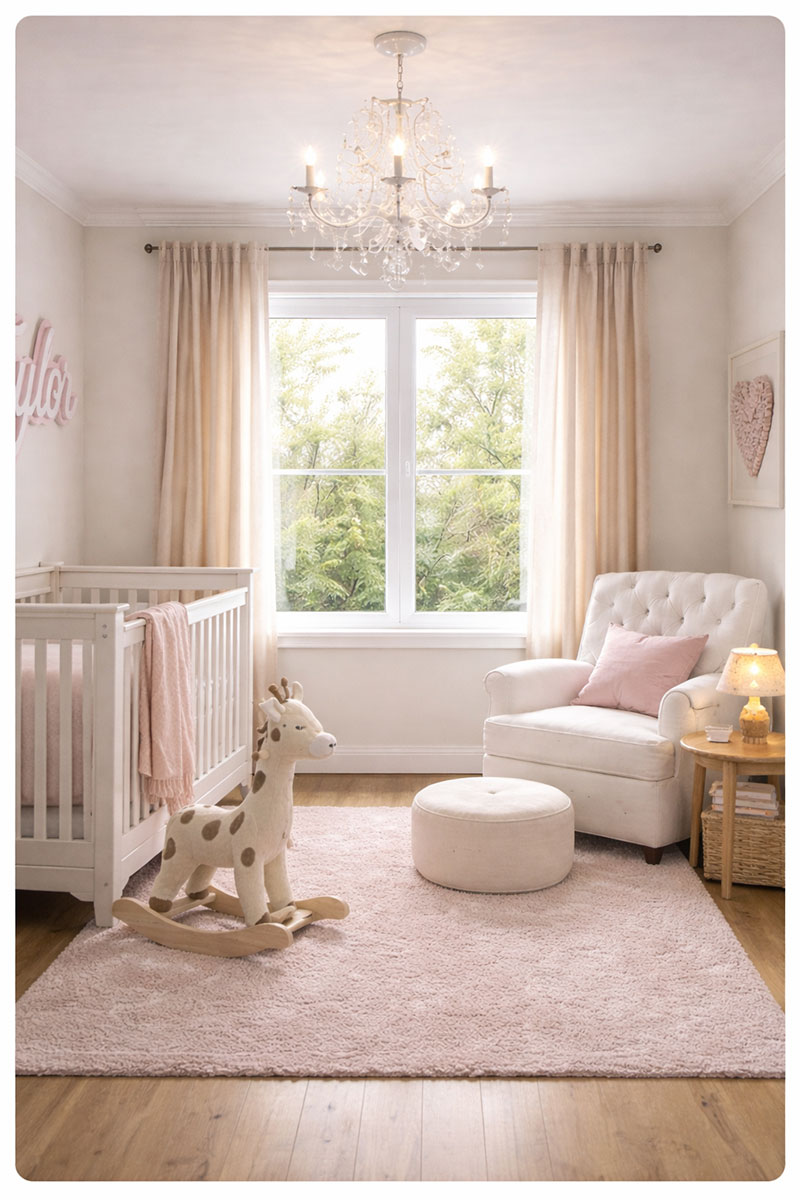
Leaving a clear walking path between door and crib is just as important as wall choice. If you have to twist sideways to reach the crib, the layout needs adjustment.
Quick fit check
Stand at the doorway. Can you walk straight to the crib without brushing a curtain or squeezing past a chair? Good.
Now stand beside the crib. Can curtains open fully without leaning over the sleep space? Even better.
The next step is choosing nursery window treatments that control light and keep cords, curtains, and hardware away from the crib zone.
Rooms where window light still reaches the sleep zone may need nursery blackout curtains planned alongside the crib placement so the layout and light control work together.
Common Nursery Layout Mistakes Around Windows
This is where most parents get confused.
The photo online shows a crib under a bright window with airy curtains framing it perfectly. In real life, that same placement can bring glare during naps, temperature differences near the glass, and cords closer to the crib than expected.
Another common problem is traffic flow. The chair ends up wedged between crib and window. The dresser blocks part of the light. You can’t open drawers fully. The room feels tight even when it isn’t small.
Draft zones show up quietly. Exterior walls sometimes feel cooler at night. That may not be unsafe, but it can feel less comfortable.
Then there’s the climbing stage. A dresser placed directly under a window may look balanced early on. Later, it becomes a step toward the sill.
Rooms that place cribs directly on window walls are more likely to require layout changes later. Most layout corrections happen after furniture is already assembled.
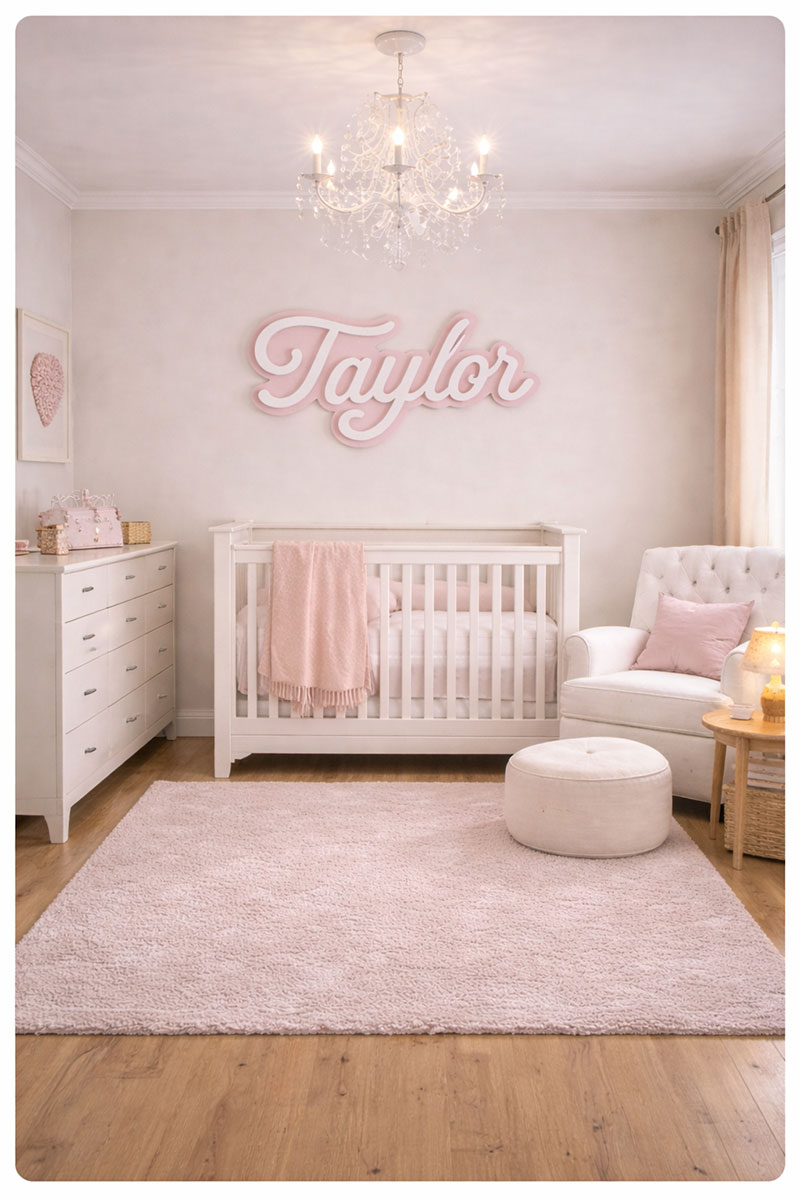
Nursery layout ideas according to window location exist because these patterns repeat across homes. The goal is not perfection. It’s preventing small frustrations from turning into bigger layout shifts.
How Furniture Size and Window Location Affects Nursery Layout
Window location layout often fails because of scale, not intention. Furniture proportions must match wall length and clearance requirements before visual balance is considered.
A wide glider can compress the crib toward the window wall. A deep dresser can eliminate safe walking clearance. In long or narrow rooms, even a standard crib can dominate the only viable interior wall.
For sizing guidance, storage types, and safety considerations across different styles, review my baby dressers guide to compare proportions before finalizing your layout.
Three measurements matter: wall length, furniture depth, and circulation space. The crib typically requires the longest uninterrupted interior wall to maintain stable spacing. The chair is adaptable. The crib is not.
When nursery layout ideas according to window location are planned around scale first, the window wall becomes lighter and more flexible. When scale is ignored, the room feels tight even if square footage appears adequate.
Proportion determines function. If the crib wall feels crowded, the layout will eventually be changed.
Most parents choose this
Crib on a solid interior wall. Chair near the window. Dresser placed where drawers open freely without blocking light or movement.
A crib does not belong under a window in most nursery layouts.
When the Window Makes Nursery Layout More Complicated
Not every nursery offers a clean interior wall opposite a centered window. Older homes may place windows unusually low. Some rooms include radiators beneath the window, deep ledges, sloped ceilings, or narrow wall segments that interrupt standard crib placement.
Secondhand furniture, discontinued crib models, and inherited pieces can also restrict spacing flexibility. In these cases, furniture location plans still begin with the same priority: identify the most stable interior wall for the crib, then distribute visual and functional weight around it.
This page addresses layout logic only. It does not provide structural modification guidance, repair advice, or manufacturer-specific placement instructions.
Best Crib Placement Based on Window Location
Start with the crib wall. In most homes, that wall is interior, solid, and free of cords or climbable furniture.
Use the window wall for light and comfort. Keep walking paths open. Keep visual weight balanced.
That same window-side comfort zone can work well for seating, and this best nursery recliner spot guide explains how to balance natural light, footrest clearance, and the main walking path.
For a placement-focused cross-check, see Where to put a crib in a nursery. It reinforces spacing logic without over-complicating the room.
Quick answer: In most rooms, keep the crib off the window wall and use the window side for the chair and light.
These are the most common questions parents ask about nursery layout ideas according to window location.
Frequently Asked Questions About Crib Placement and Window Location
Should a crib be placed under a window?
In most nurseries, a crib should not be placed directly under a window.
Windows can introduce cord risks, shifting light, temperature changes near exterior walls, and airflow that doesn’t stay consistent across naps and nighttime sleep.
A better default is placing the crib on a solid interior wall and using the window wall for the chair, soft light, and daytime routines.
Is it safe to put a crib near a window?
A crib can be in the same room as a window, but it should not be positioned close to window cords, blinds, curtain hardware, or climbable furniture under the window.
Most real-life problems come from the “near enough to touch” zone—where cords hang, curtains sway, or furniture creates a step-up later on.
If the window wall is the only workable area, increase spacing and shift anything climbable or cord-related away from the crib zone.
Where should a crib go if the only large wall has a window?
If the largest wall has a window, the crib usually works better on the longest uninterrupted interior wall instead.
This keeps the sleep zone steadier while the window wall carries light-focused use (chair, lamp, and calm routines) without crowding the crib.
If you truly have no interior wall option, prioritize cord-free window treatments and keep the crib out of the reach zone for curtains and hardware.
How far should a crib be from a window?
There is no single universal distance, but the crib should be far enough away that cords, curtain edges, and window hardware cannot hang into the sleep space.
Distance matters less than clearance: no dangling cords, no swaying fabric within reach, and no furniture that creates a climb path toward the window.
If you’re unsure, stand at the crib and check whether you can open blinds or curtains fully without leaning over the sleep area.
For broader safety context related to crib placement and hazard awareness, see CPSC crib safety education. And for the full regulatory background, visit Crib safety standards in the United States.
When the crib and window stop competing, the nursery feels calmer. That’s the shift most parents notice immediately.
Nursery Layout for a 10x10 Room FAQ
What is the best nursery layout for a 10x10 room?
The best nursery layout for a 10x10 room usually places the crib on the longest open wall, the dresser where drawers can fully open, and the chair in a corner that does not block the main walkway.
Can a full-size crib fit in a 10x10 nursery?
Yes. A full-size crib can fit comfortably in a 10x10 nursery when the rest of the furniture is scaled correctly. A shallow dresser and compact chair usually work best in smaller rooms.
Where should the crib go in a 10x10 nursery?
The crib should go on a safe wall away from windows, cords, curtains, heaters, and hanging items. It should also leave a clear path from the door to the crib.
How do you make a 10x10 nursery feel bigger?
Keep the center walkway open, avoid oversized furniture, use vertical storage, and limit unnecessary decor pieces that collect in corners and shrink the room visually.
How much walking space should a nursery have?
Most small nurseries work best when there is at least a clear 30-inch walking path between the doorway, crib, and dresser so the room stays comfortable to move through every day.
When you click on links to various merchants on this site and make a purchase, this may result in this site earning a commission. This does not affect the price you pay.

UBGI Gold Standard 2026
Reviewed under the site's
editorial checklist.
Photos, decorating ideas, party setups and reader submissions are shared for inspiration unless a page is specifically presented as a pattern, tutorial, reference guide or step-by-step project. Follow the instructions, measurements, safety guidance and manufacturer directions provided for the particular project or product.
About Jan | Contact | Baby Nursery Ideas (Blog) | Site Map | Privacy Policy | Disclosure Policy | Disclaimer | Affiliate Disclosure | Earnings Disclosure | Facebook | Pinterest
I am a participant in the Amazon Services LLC Associates Program, an affiliate advertising program designed to provide a means for us to earn fees by linking to Amazon. As an Amazon Associate I earn from qualifying purchases.
Copyright © 2006-2026. All Rights Reserved.