What Baby Items Can Wait Until After Birth?
Bringing a baby home comes with a long list of things you’re told you must buy before birth—but the truth is, many parents report that the question of which baby items can wait until after birth becomes clearer only after their baby arrives. Every newborn is different, every home setup is different, and your real needs often reveal themselves after those first few days together.
This page focuses on purchase timing and real-world parenting experience only and does not provide medical, safety, or product-specific recommendations.
This page reflects baby products, retail availability, and parenting practices commonly found in the United States.
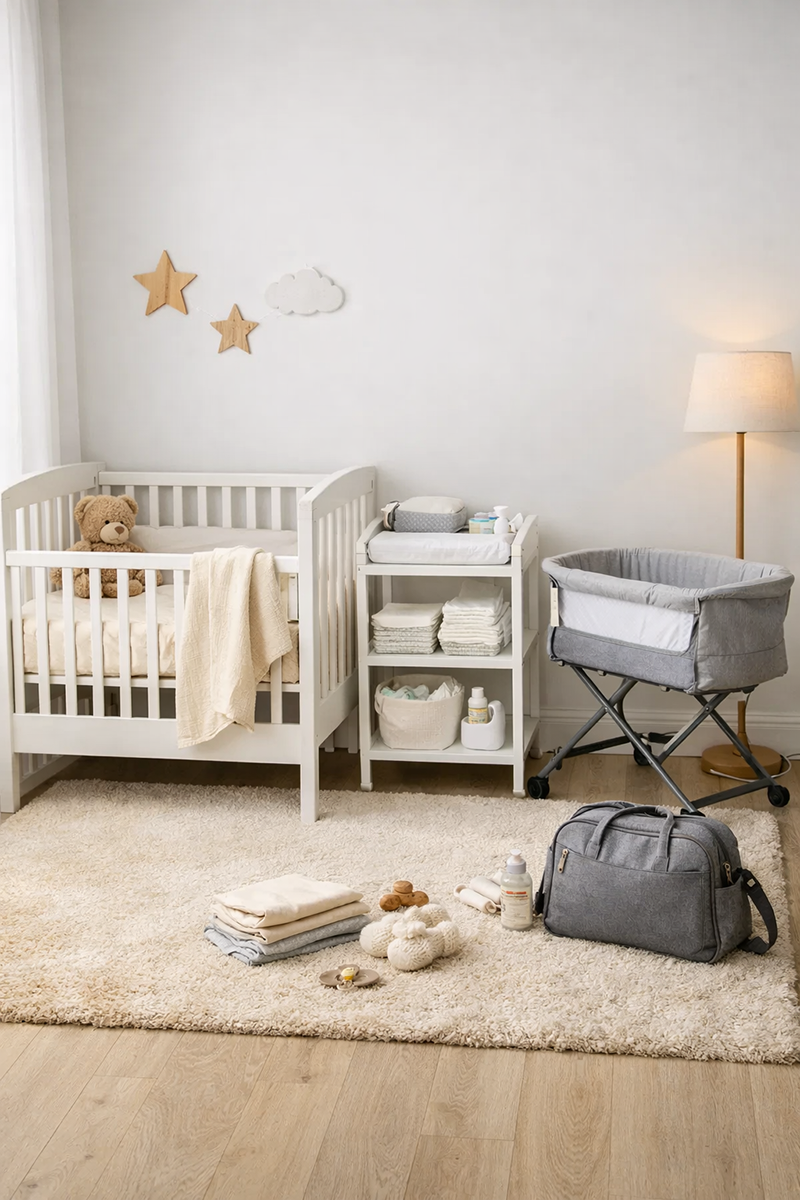
Baby items that can wait until after birth
One of the biggest surprises for new parents is realizing how many baby items are marketed as “must-haves” — when in reality, you won’t need them right away. Some products depend on your baby’s size, temperament, feeding method, or even your recovery. Others simply make more sense to buy once you see how your household actually functions with a newborn.
Understanding which baby items are often purchased later can help explain why many parents delay certain purchases until after birth.
Those choices also shape your overall budget, and my guide on how much a nursery costs breaks down typical expenses, optional upgrades, and realistic ways to plan without overspending.
This same wait-and-see approach applies to sleep surfaces, and my guide on whether you can use a used crib mattress explains why fit, hygiene, and safety checks matter before making that decision.
Baby Gear You Can Wait to Buy
Swings, Bouncers, and Rockers
Many babies love motion — but not all of them. Some newborns are soothed instantly by swings or bouncers, while others want nothing to do with them. Waiting until after birth lets you see what your baby responds to before investing in bulky gear.
If you do decide you want one later, you’ll have a much clearer idea of whether a compact bouncer or a full-size swing fits your space and routine.
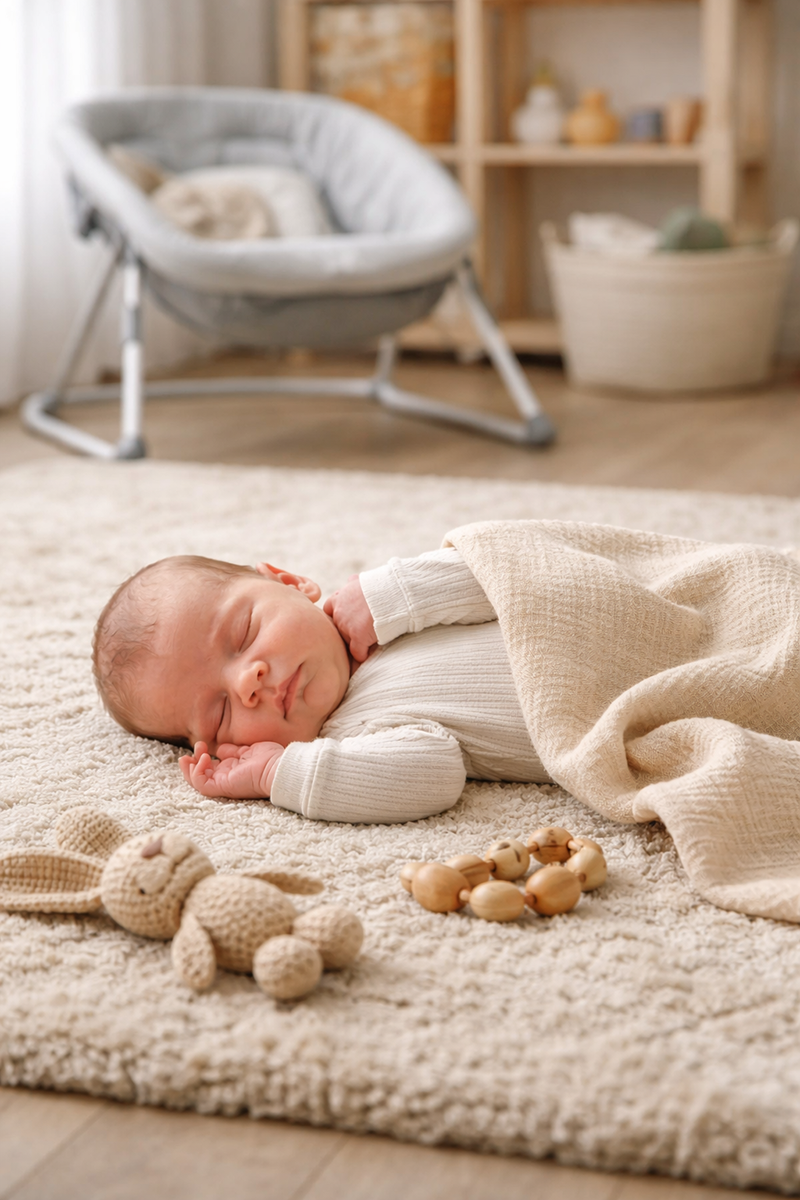
Baby Carriers and Wraps
Baby carriers are incredibly personal. Fit, comfort, and ease of use vary widely depending on your body and your baby’s size. Many parents end up trying several before finding “the one,” which is another reason this item can wait.
Once your baby arrives, you’ll know whether you prefer a soft wrap, a structured carrier, or something lightweight for quick errands.
Nursery Items That Can Be Purchased Later
Decor and Theme Accessories
It’s tempting to fully decorate a nursery before birth, but wall art, themed décor, and accent pieces can absolutely wait. Your baby won’t notice these details early on — and your taste may shift once you’re actually using the room every day.
Many parents find inspiration evolves after birth, which is why browsing nursery ideas once the space is in use often leads to better choices.
Extra Storage Furniture
Dressers, shelving units, and organizational pieces are often easier to choose after you see how much storage you actually need. Overbuying storage early can crowd the room and slow down daily routines.
Feeding Items You Can Wait On
Bottles and Accessories (If You Plan to Breastfeed)
If you plan to breastfeed, there’s no need to stockpile bottles, warmers, or sterilizers before birth. Some babies refuse certain bottle shapes, and some parents never need elaborate systems at all.
Having one or two basic bottles on hand is usually enough until you know what works.
Specialty Feeding Tools
High-end pumps, hands-free pumping bras, and bottle prep machines are often better purchased after you’ve settled into a feeding rhythm. Waiting also allows you to take advantage of recommendations from lactation consultants or pediatricians if needed.
Clothing and Size-Specific Items
Large Quantities of Newborn Clothing
Babies grow fast — sometimes faster than expected. Buying too many newborn outfits can leave tags still attached when your baby sizes up within weeks.
A small selection is enough to get you through the first days. You can always add more once you know your baby’s growth pattern.
Shoes and Accessories
Newborn shoes, headbands, and elaborate accessories are adorable but rarely practical early on. Comfort, warmth, and easy changes matter more in those first weeks.
Baby Items That Are Better Bought After Birth
- Activity gyms and play mats
- White noise machines (some babies don’t need them)
- Baby monitors with advanced features
- Extra crib mattresses or toppers
When comparing monitoring options later, my guide to video baby monitors explains which features actually matter in real homes.
What You Should Prioritize Before Baby Arrives
I offer a complete what to buy before baby arrives checklist that can help you separate the true first-week basics from the extras that are better saved for later. A practical newborn nursery essentials checklist can also help organize the nursery itself, while a simple newborn diaper bag checklist helps prepare a small grab-and-go setup before the first doctor appointment or outing with baby.
While many baby items can wait, a few essentials are worth having ready:
- A safe crib or bassinet
- A properly installed car seat
- Basic clothing and diapers
- A simple feeding setup
For a clear starting point as you plan, the guide What Should I Buy First for the Baby? walks through priorities step by step.
Why Waiting Can Actually Be the Smarter Choice
Waiting to buy certain baby items gives you flexibility. It allows you to listen to your baby, adapt to your routine, and avoid unnecessary spending. Many parents find that delaying purchases reduces overwhelm during an already emotional time.
For a broader look at what’s truly worth buying — and what can realistically wait — this overview of baby gear essentials helps you plan purchases without overbuying early.
Public pediatric guidance consistently emphasizes that safe sleep, feeding, and bonding matter more than having every product ready on day one.
Final Thoughts
Preparing for a new baby doesn’t mean buying everything at once. By knowing what baby items can wait until after birth, you give yourself room to breathe, adjust, and make choices that truly fit your family. Your baby’s needs — and yours — will guide you better than any checklist ever could.
When you click on links to various merchants on this site and make a purchase, this may result in this site earning a commission. This does not affect the price you pay.

UBGI Gold Standard 2026
Reviewed under the site's
editorial checklist.
Photos, decorating ideas, party setups and reader submissions are shared for inspiration unless a page is specifically presented as a pattern, tutorial, reference guide or step-by-step project. Follow the instructions, measurements, safety guidance and manufacturer directions provided for the particular project or product.
About Jan | Contact | Baby Nursery Ideas (Blog) | Site Map | Privacy Policy | Disclosure Policy | Disclaimer | Affiliate Disclosure | Earnings Disclosure | Facebook | Pinterest
I am a participant in the Amazon Services LLC Associates Program, an affiliate advertising program designed to provide a means for us to earn fees by linking to Amazon. As an Amazon Associate I earn from qualifying purchases.
Copyright © 2006-2026. All Rights Reserved.