Nursery Mistakes You Regret Later (and What to Do Instead)
Making decorative and functional nursery mistakes you regret later usually comes from moving too fast. Many parents create a nursery that looks perfect on day one, then realize weeks or months later that the layout, furniture, or storage doesn’t work for real life with a baby.
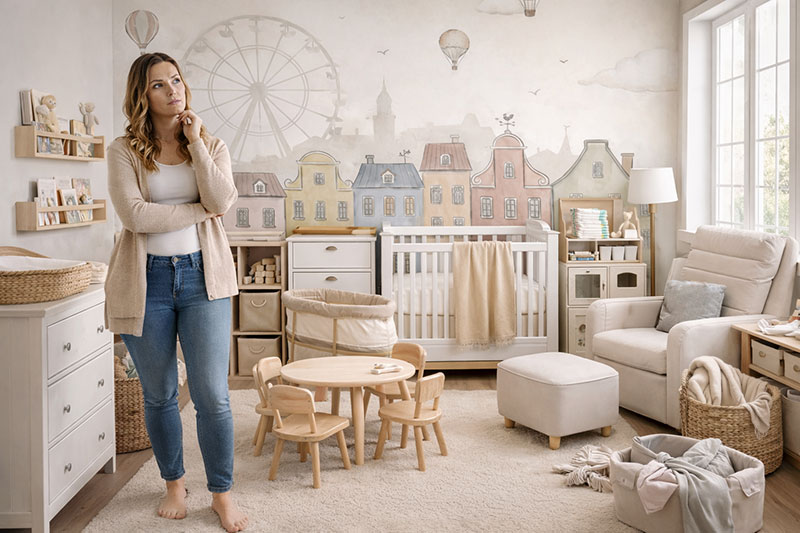
Nursery mistakes you regret later are usually about flow, not style
We’re talking about a baby nursery in the United States. A real room in a real house. Crib, changing spot, storage, and the chair where you end up sitting at 2:00 a.m.
This page is general nursery planning help, not product-specific instructions or manufacturer guidance.
Here’s the clean answer: most nursery regrets come from choosing furniture and layout before you know your daily routine, so the room looks finished but doesn’t work when you’re tired.
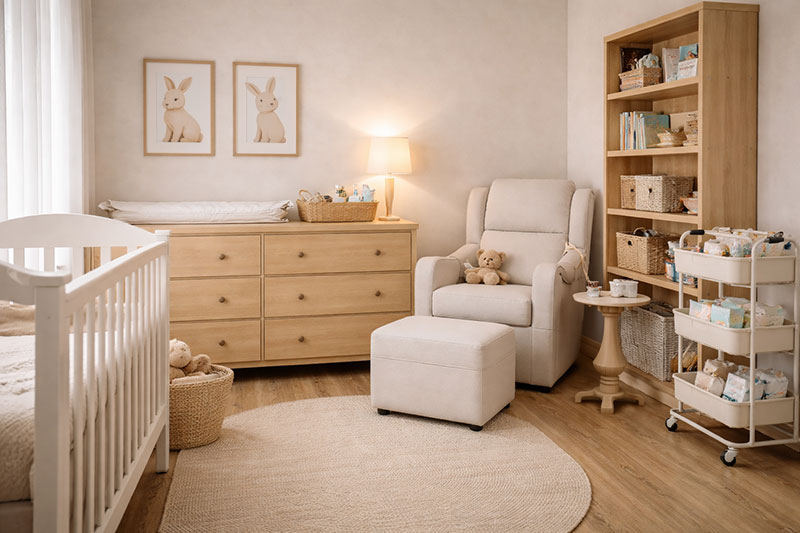
What this is
A “nursery regret” is that sinking feeling when something is technically fine, but it makes everyday life harder. You thought you were being smart. You did your best. And then reality shows up with diapers, laundry, and a baby who changes every two weeks.
Nursery layout mistakes are the biggest ones. Not the paint color. Not the theme. The layout.
When people search nursery mistakes you regret later, they’re usually trying to avoid a costly redo. Or they already built the room and they can feel it’s off.
I get it. I’ve watched parents build a stunning room and then quietly stop using half of it because the setup doesn’t match how the baby stage actually feels.
Why it matters
A nursery isn’t a display room. It’s a work room. That sounds unromantic, but it’s true.
The nursery workflow matters because it touches your sleep, your stress level, and how many steps you take while holding a squirmy baby.
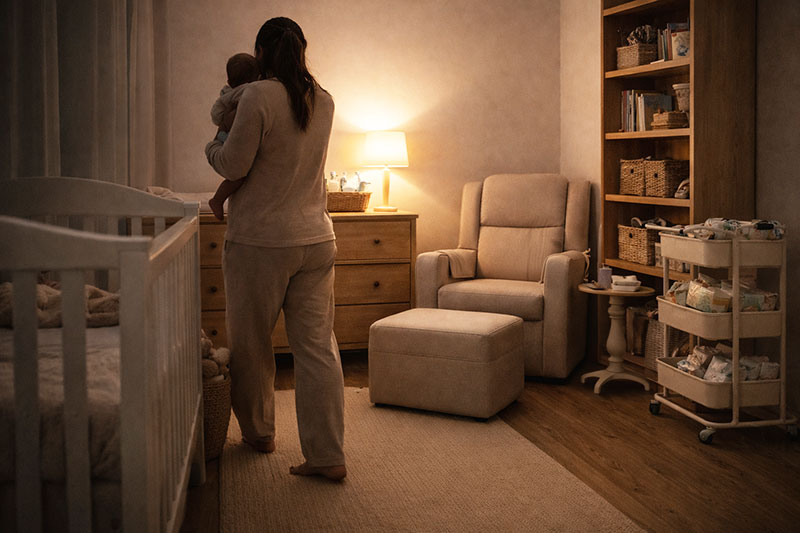
Also, you don’t want to spend money twice. Nursery furniture regret usually comes from buying the “perfect” piece and then realizing it blocks a drawer, crowds the walkway, or eats the only wall that should have held storage.
And yes, nursery storage mistakes are real. You don’t feel them on day one. You feel them when the baby is bigger, the clothes are bigger, and you’re rotating sizes constantly.
What goes wrong in real life
This is where most parents get confused.
They plan for a pretty nursery. Not a usable nursery. Those are not the same thing.
The room looks finished. But the daily steps don’t line up.
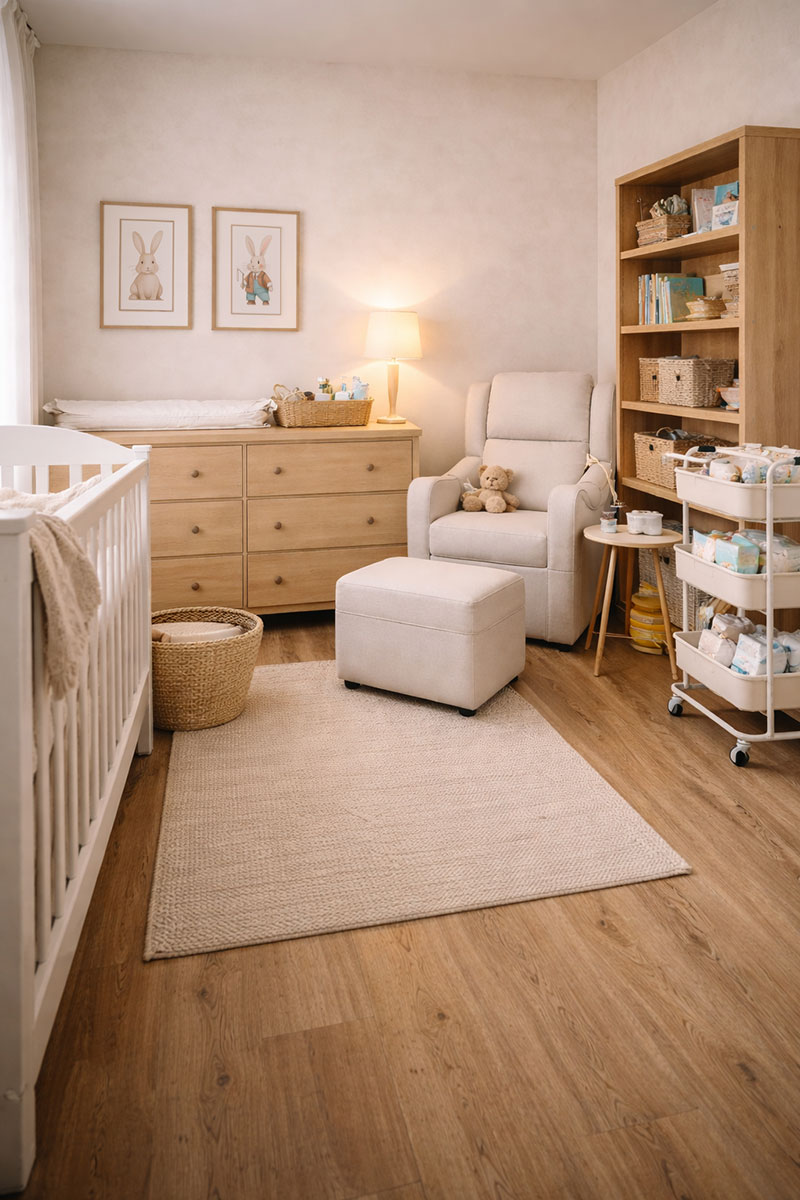
The “too much furniture” trap
One of the most common nursery mistakes is filling every wall. Crib, dresser, chair, bookcase, extra cart, toy bins, and a little table that seemed cute online.
Then you can’t walk through the room without turning sideways. Or you can’t open a drawer with one hand. Or the nursing chair is jammed into a corner where you can’t set anything down.
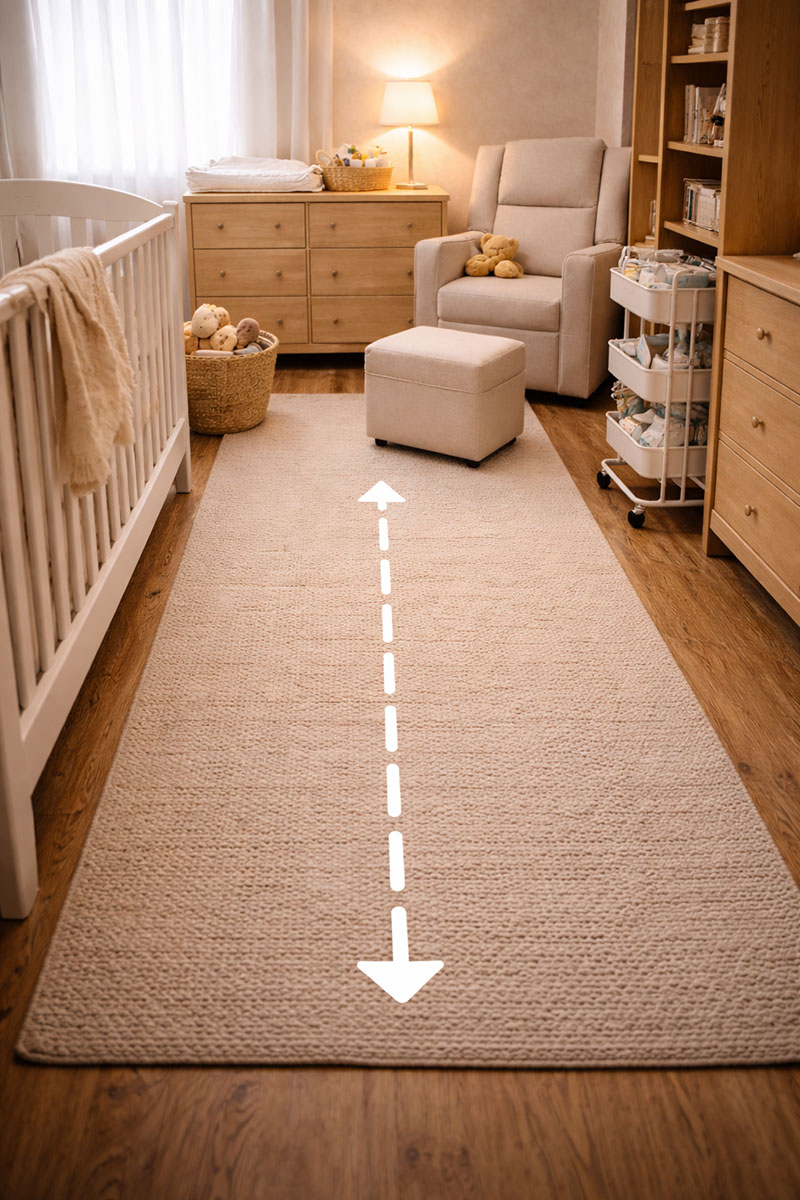
A simple nursery setup usually wins long-term. You can add later. Taking away later is the painful part.
The dresser that can’t do its job
Nursery dresser mistakes are sneaky. A dresser can be the best baby storage solution in the whole room, but only if you can actually use it.
If the drawer hits the crib. If the drawer hits the door. If the drawer opens into a tight walkway. You will hate it. Fast.
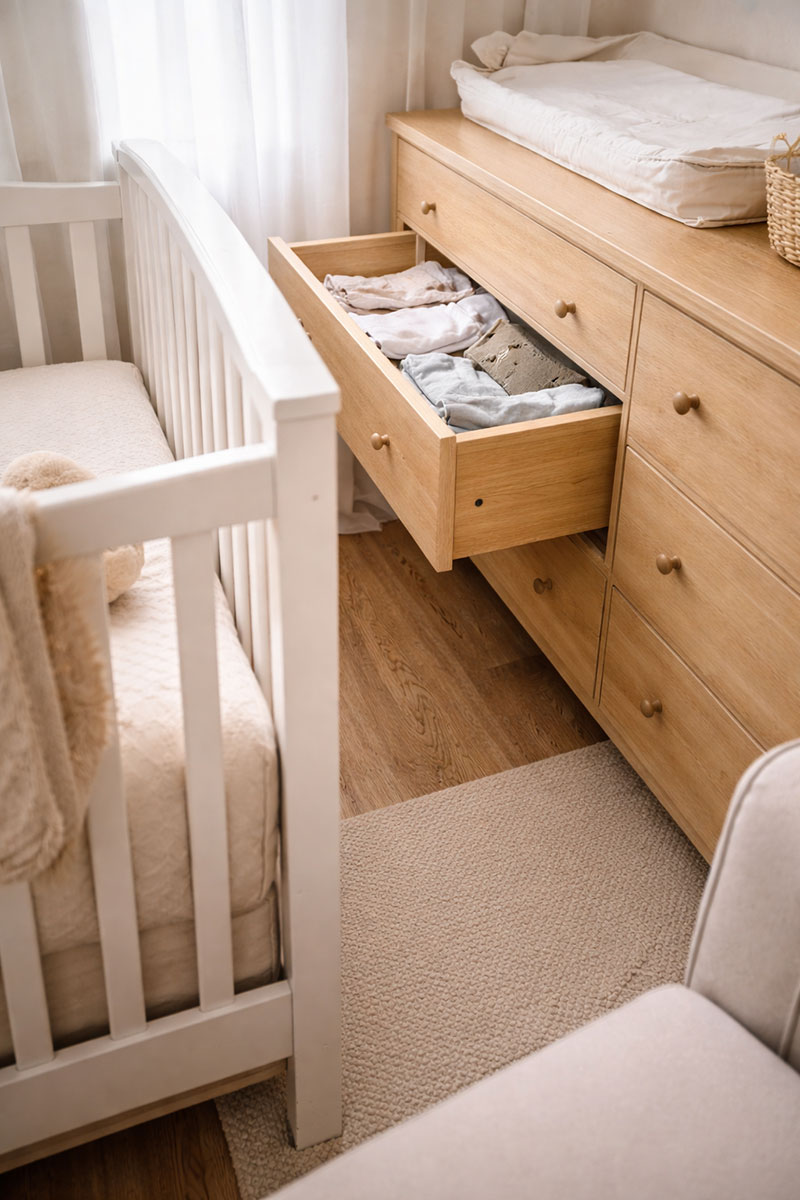
And if you bought a small dresser because it looked “minimal,” you may outgrow it before the baby is even crawling.
The “pretty baskets” problem
I like baskets. But baskets can turn into a black hole.
If everything gets tossed into open bins, you end up digging for the one thing you need while the baby is crying. That’s not a vibe. That’s stress.
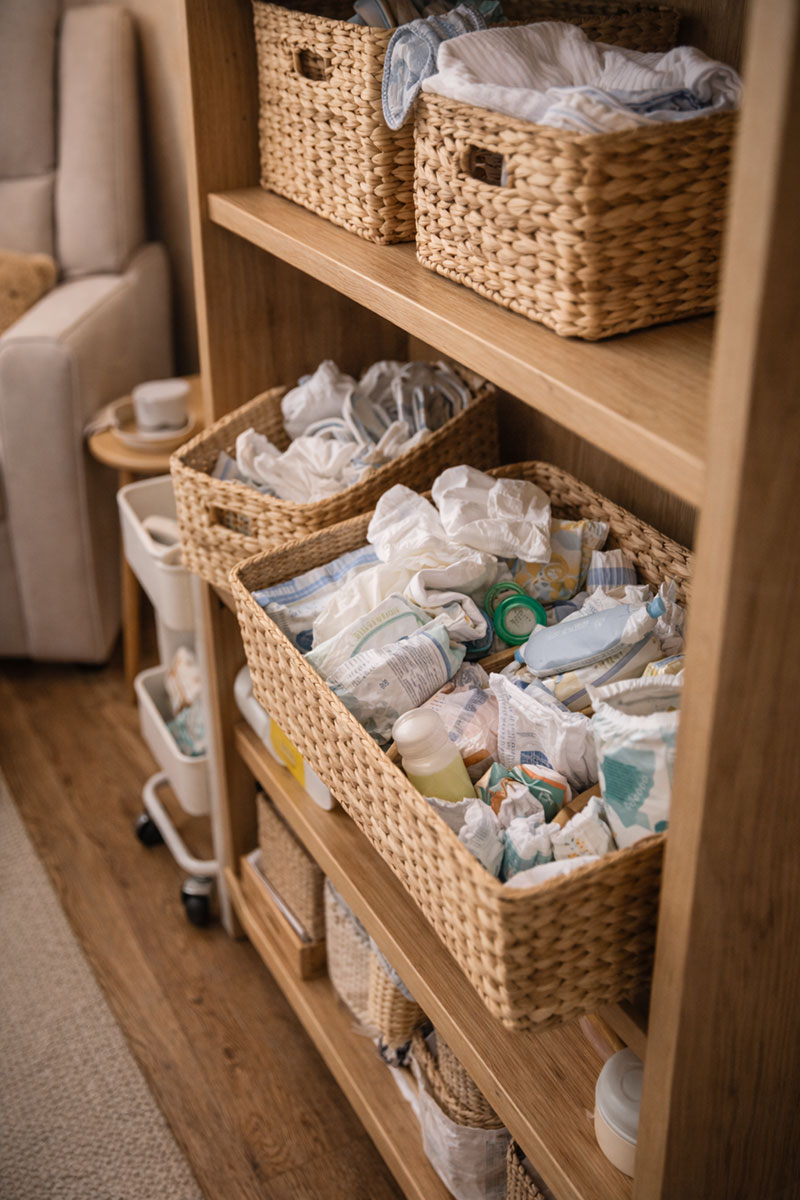
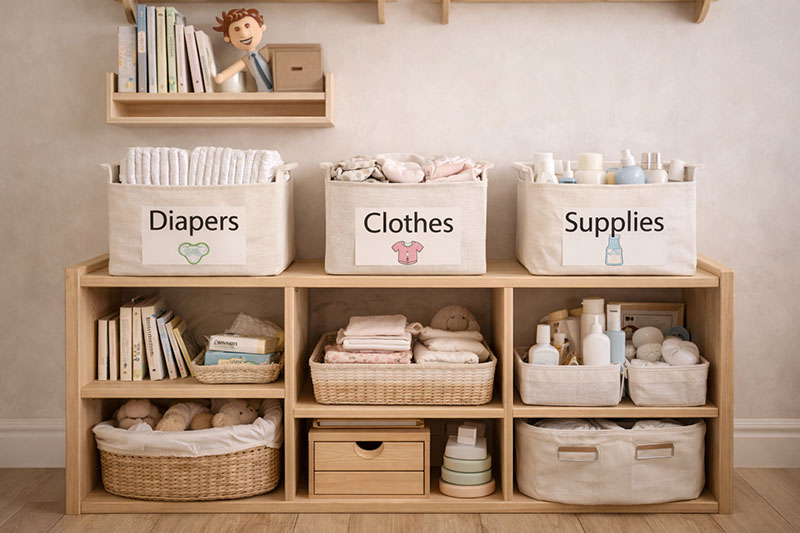
Closed storage plus a few labeled bins is usually more realistic than a room full of matching baskets.
Lighting regret
Nursery lighting mistakes are a top regret because they hit you at night. Overhead lighting feels harsh. Tiny decorative lamps don’t give enough light. And then you’re stuck.
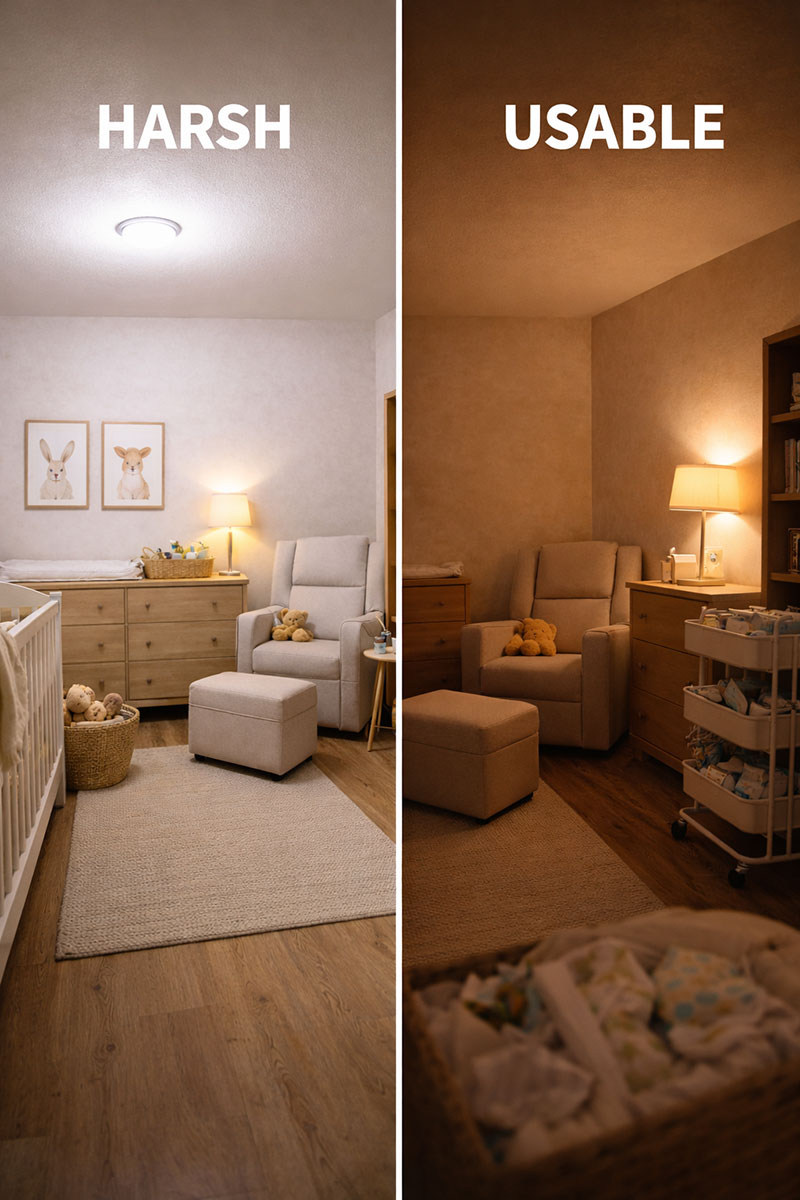
Soft light where you actually do the work is what people end up wanting. Diaper changes. Outfit swaps. Finding a pacifier. Reading a label on medicine.
No, it doesn’t have to be fancy. It just has to be practical.
Theme overload
Nursery theme mistakes happen when everything in the room is locked into one look. Matching bedding, matching wall art, matching rug, matching bins, matching everything.
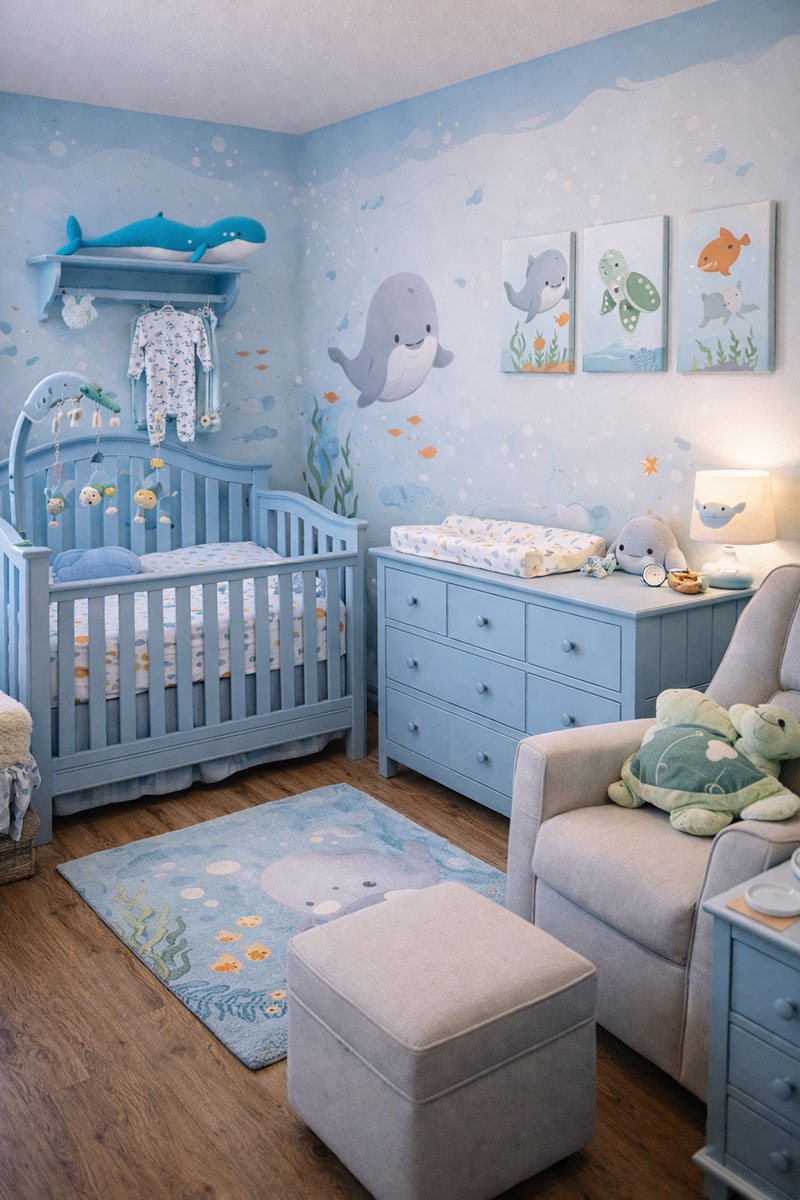
Then your tastes shift. Or the baby grows. Or you want the room to feel calmer. And suddenly you’re replacing half of it.
A flexible nursery design usually means the big pieces stay simple, and the personality comes from a few things you can swap later.

Did I buy the right crib type for my lifestyle?
Crib choices can affect the whole room, even on a lifestyle page like this, because the crib is usually the biggest object in the nursery.
If you’re second-guessing your setup, the fastest clarity comes from answering one question: does your crib choice fit your space and your routine, or did it force everything else to squeeze around it?
If you’re comparing options, the page that lays this out in plain language is here: Crib vs bassinet vs mini crib: which fits your home and routine.
And if you’re feeling that “I bought the big crib but the room feels cramped” regret, you’re not alone. It happens a lot in smaller bedrooms and shared spaces.
Quick fit check
If your crib placement blocks a dresser drawer or makes it hard to walk to the chair, the issue is probably layout, not the crib itself.
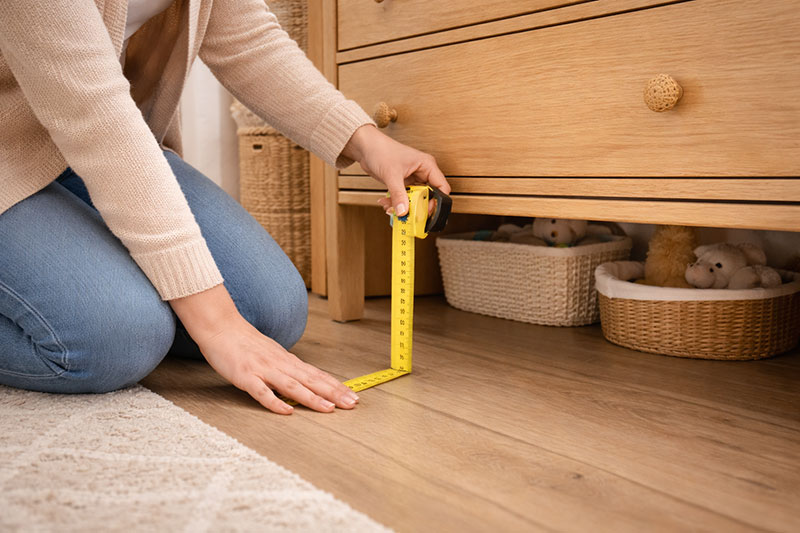
What to do next: measure the open floor path from the door to the crib and to the changing spot, and make sure you can move through without turning sideways.
Most parents choose one thing wrong
They choose the spot for the crib based on the “best wall,” not based on the daily routine.
In real life, the crib and the changing spot work best when they don’t fight each other for space.
What should I do now if I can already tell I’ll regret it?
First, don’t panic. Most nursery regrets are fixable without buying all new stuff.
Second, focus on function before style. Pick two zones that must work: sleep and changing. If those flow well, the rest can be softer and simpler.
Third, decide what the room is really for. Night care. Clothing storage. A calm spot to sit. That’s the core.
That part matters more than people think.
If you only remember one thing
Leave breathing room. A nursery that feels slightly “unfinished” often works better than a nursery that is packed tight.
You can add decor later. But you can’t add floor space.
Edge cases that change the decision
If you’re using older furniture, secondhand items, or anything missing labels or manuals, keep your choices conservative and focus on identifying what you have rather than guessing.
For crib-specific questions, use the crib resource hub so you’re reading the right context for your model and time period: Baby cribs: guides, comparisons, and crib decision pages.
Small fixes that prevent a costly redo
One smart move is turning your dresser into the main storage anchor. It’s steady. It’s not trendy. It holds real stuff. That’s why it works.
Another smart move is picking one “drop zone.” The spot where you place the diaper caddy, wipes, cream, extra onesie, and whatever you reach for most.
Nursery organization mistakes often happen because supplies live in five different places. You end up walking back and forth. You get annoyed. You start piling things on the nearest surface.
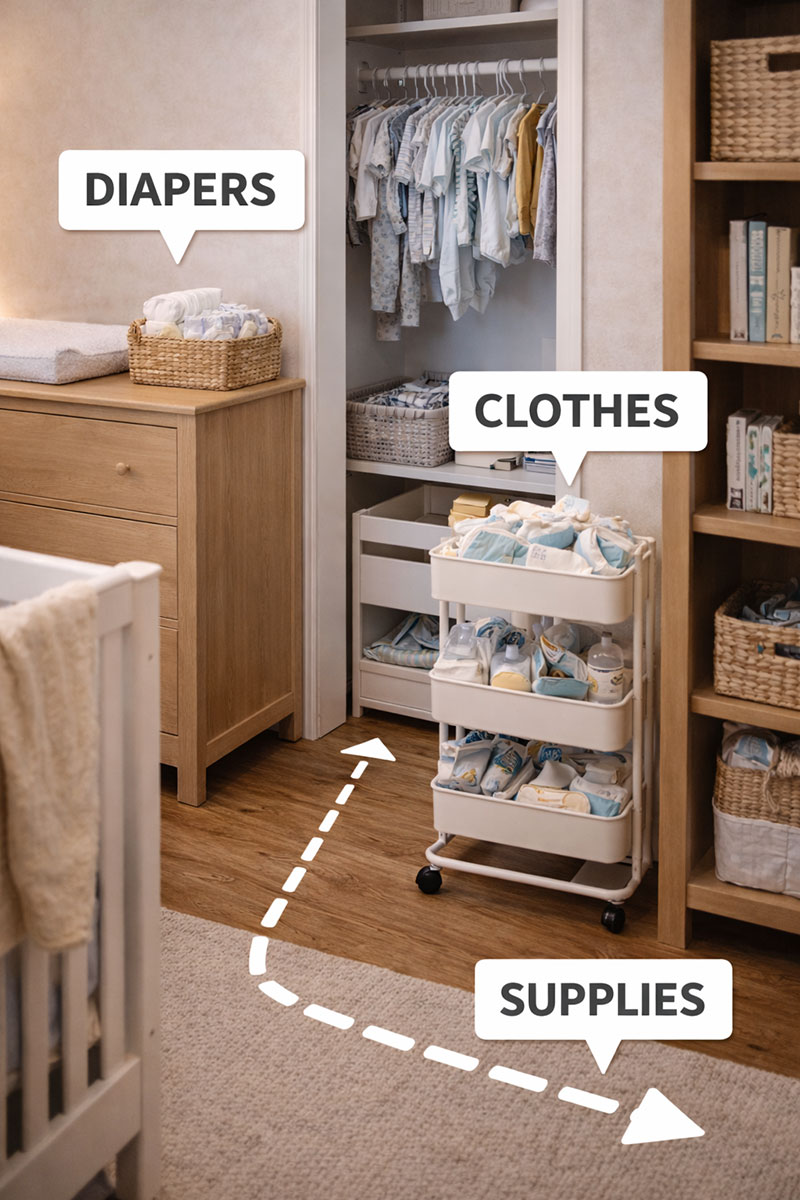
If you want a calm room, make it easy to reset. A place for everything. Not a perfect label system. Just a reset.
What to do next
Choose one wall to stay clean and open. Put your main storage on one wall, and keep one wall lighter so the room can breathe as your baby grows.
If you want more big-picture inspiration that still stays practical, this hub is the best starting point on my site: Nursery ideas that balance real life and beautiful design.
What not to do when you’re tempted to “fix everything”
Don’t rip it all out at once. That usually leads to buying new stuff fast, and that’s how regrets stack.
Don’t chase a perfect theme to solve a workflow problem. A theme can’t fix a blocked drawer or a crowded walkway.
And don’t make permanent choices just because a trend is loud right now. Paint is easy to change. Big furniture decisions are not.
If you already feel like you made nursery furniture mistakes, your best move is adjusting placement and storage first, then deciding what truly needs replacing later.
One trustworthy outside reference for room planning
For general room planning guidance that isn’t trying to sell you nursery products, the Federal Trade Commission has a clear overview on shopping and advertising claims that can help you stay grounded when you’re comparing “must-have” marketing language: FTC consumer guidance.
One last calm truth
Most parents don’t regret a nursery because it wasn’t cute enough. They regret it because it didn’t support their tired, real, everyday life.
Many of the nursery mistakes you regret later don’t show up right away—they surface once daily routines settle in and the room gets used every day.
Looking back, most parents realize the nursery mistakes you regret later were about layout, furniture spacing, and storage flow, not about style or theme.
A usable nursery is the win. A calm nursery is the win. The style can come along for the ride.
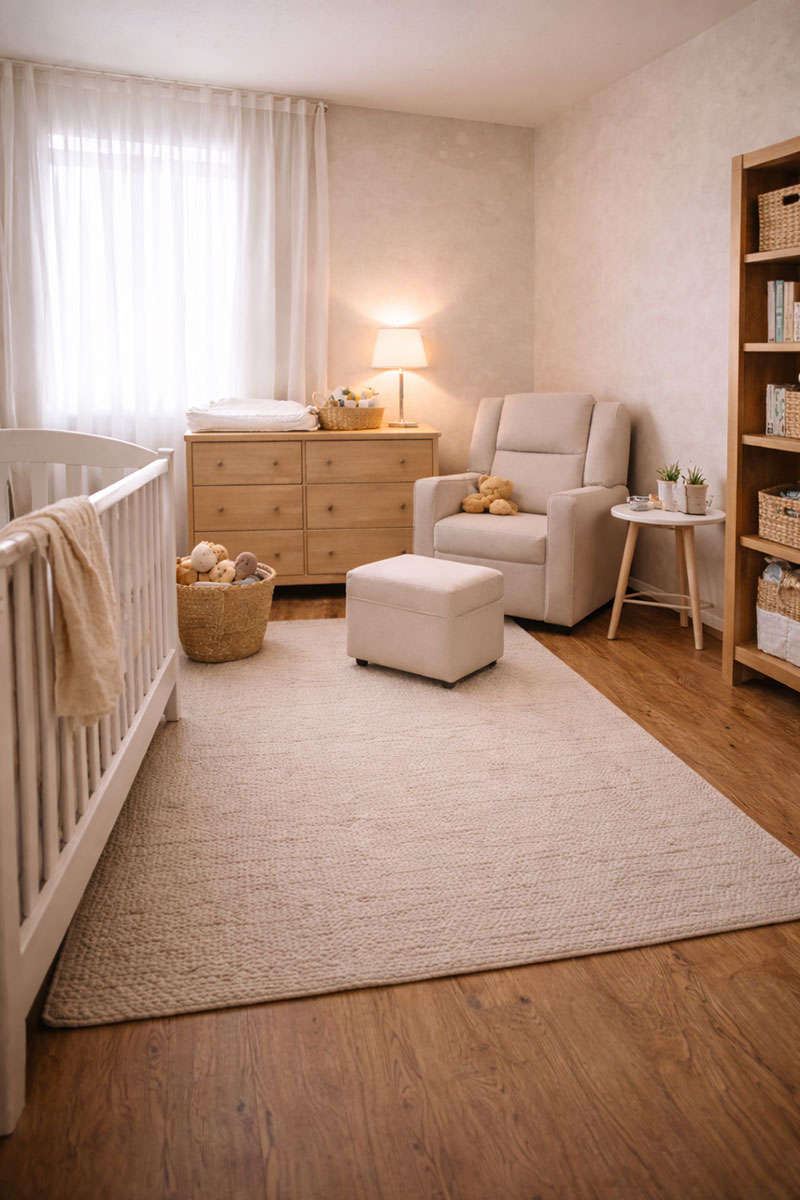
And if you’re trying to avoid the big nursery mistakes you regret later, choose space, flow, and storage first. Then add the pretty stuff.
When you click on links to various merchants on this site and make a purchase, this may result in this site earning a commission. This does not affect the price you pay.

UBGI Gold Standard 2026
Reviewed under the site's
editorial checklist.
Photos, decorating ideas, party setups and reader submissions are shared for inspiration unless a page is specifically presented as a pattern, tutorial, reference guide or step-by-step project. Follow the instructions, measurements, safety guidance and manufacturer directions provided for the particular project or product.
About Jan | Contact | Baby Nursery Ideas (Blog) | Site Map | Privacy Policy | Disclosure Policy | Disclaimer | Affiliate Disclosure | Earnings Disclosure | Facebook | Pinterest
I am a participant in the Amazon Services LLC Associates Program, an affiliate advertising program designed to provide a means for us to earn fees by linking to Amazon. As an Amazon Associate I earn from qualifying purchases.
Copyright © 2006-2026. All Rights Reserved.