How Much Space Do You Need for a Nursery Recliner?
How much space do you need for a nursery recliner? Most nursery recliners need enough room for the chair to recline, the footrest to open, and an adult to walk safely between the chair, crib, dresser, and doorway without squeezing through the room.
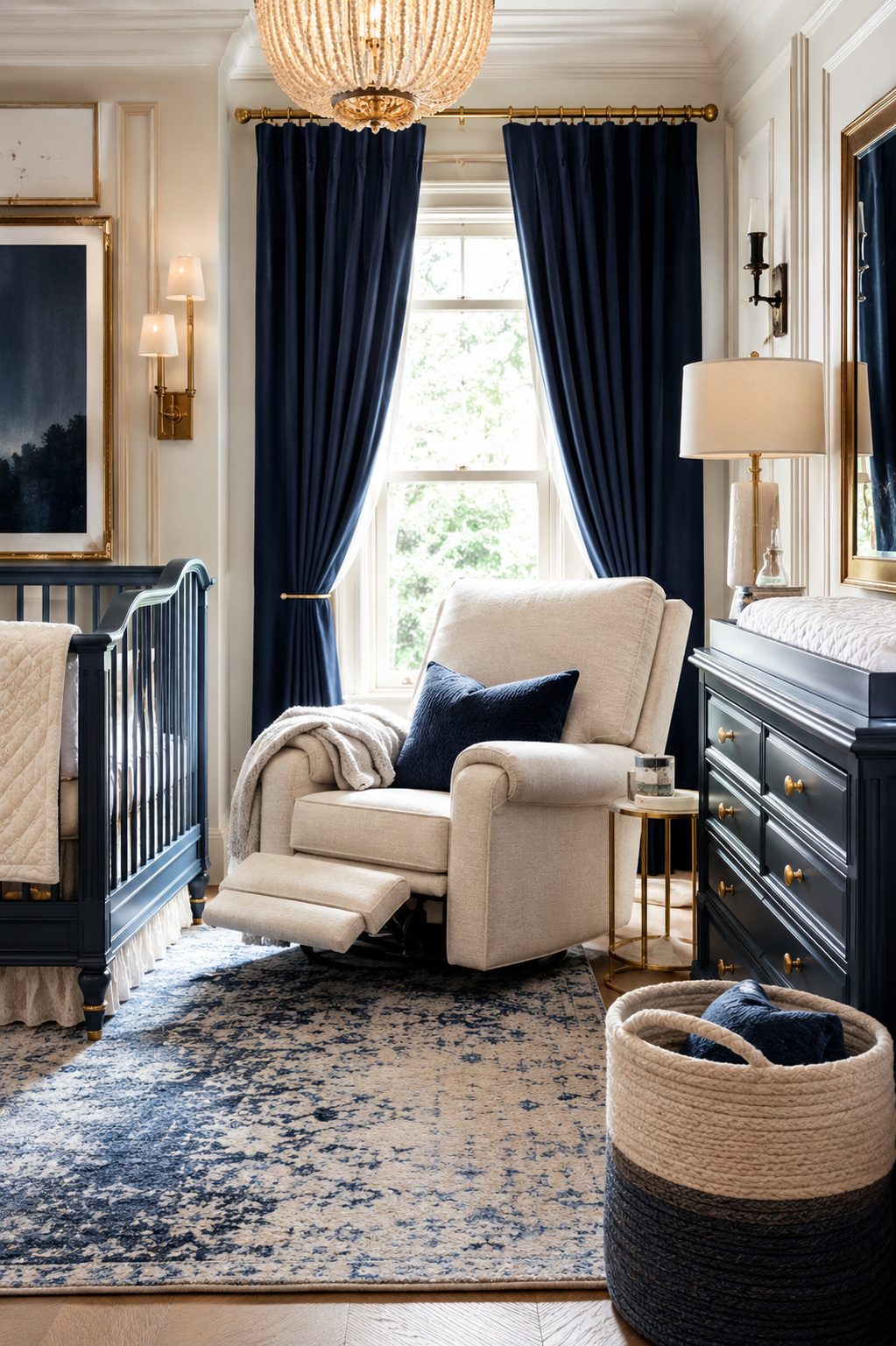
Shopping note: Before choosing a nursery recliner, check the chair width, reclined depth, wall clearance, and footrest extension.
How Much Space Does a Nursery Recliner Really Need?
The room can look spacious during the planning stage, then shrink the minute the recliner arrives. Suddenly the dresser drawers barely open, and someone has to turn sideways to walk past the chair at night.
A nursery recliner needs enough space for the back to recline fully, the footrest to extend, and safe walking room between the chair, crib, dresser, and doorway. Most setups work better with at least 30 inches of open walking space in front of the recliner and enough wall clearance behind the chair for the reclining mechanism to move properly.
Nursery chairs almost always look smaller in the showroom than they do inside an actual nursery.
That becomes obvious once baskets, blackout curtains, laundry hampers, and side tables enter the room.
Compare nursery recliners vs gliders before choosing a chair
Jump to what matters most:
How much space a nursery recliner needs
Wall clearance behind a recliner
How Much Space Does a Nursery Recliner Need?
Most nursery recliners need more room than the listed chair width suggests.
The chair itself may measure 34 inches wide, yet the reclining motion, swivel movement, and footrest extension can push the total working footprint much farther into the room.
Parent height changes that fit even more, so my guide to the best nursery chair for tall parents explains why seat depth, back height, and leg room need to be measured along with the recliner footprint.
Many nurseries run into trouble because measurements are taken against the wall while the recliner is still upright. The room changes completely once the footrest opens.
The safest nursery layouts leave enough open space for someone carrying a sleeping baby to walk through the room naturally without bumping furniture corners.
Wall-hugger recliners help in smaller nurseries because they recline forward instead of pushing backward as far as traditional recliners.
A smaller chair may also work longer when the seat still feels supportive, and my guide to replacement glider rocker cushions explains what to check before replacing the whole nursery chair.
Swivel recliners create another spacing issue that catches people off guard. Some chairs rotate close enough to nearby dressers that fingers can get pinched between furniture edges.
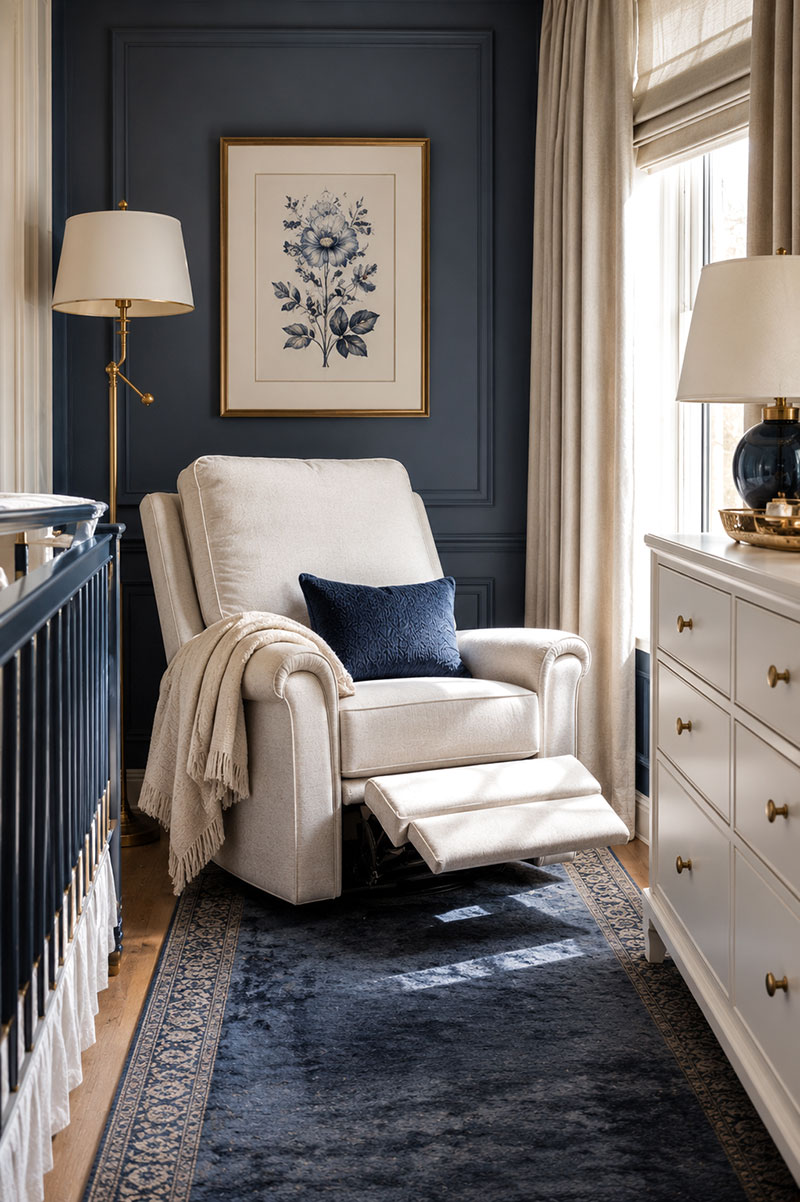
Wall Clearance Behind a Nursery Recliner
Recliner wall clearance matters more than fabric color once the nursery is used every day.
Traditional recliners often need 12 to 18 inches behind the chair to recline safely. Some oversized models need even more.
That space disappears quickly once blackout curtains, crib rails, changing tables, and outlet locations are factored into the room.
One nursery setup I remember had a recliner positioned beside a window because it looked balanced during setup. Three nights later the curtain panels were getting trapped behind the recliner mechanism every time the chair leaned back.
Wall-hugger recliners reduce that issue, although several still extend farther into the room once fully opened.
Parents often notice this after feeding sessions begin because nighttime movement through the room becomes repetitive very quickly.
If breastfeeding comfort is the main reason for buying the chair, my guide to the best nursery glider for breastfeeding explains which arm support, seat depth, and reach-zone details matter most during longer feeding sessions.
Compare recliners, gliders, and rocking chairs for nursery layouts
Walking Room Around the Nursery Chair Matters
Walking space changes how the nursery functions once someone is carrying a baby half asleep at two in the morning.
Narrow pathways become frustrating fast.
A recliner positioned too close to the crib can block easy access during diaper changes, overnight feeds, or crib transfers.
Several nursery layouts online leave almost no walking room between the recliner and crib because the photos were staged for appearance instead of daily use.
That problem becomes much more noticeable once diaper caddies, blankets, nursing carts, and laundry baskets begin collecting around the chair.
Nurseries work better when the recliner sits close enough to the crib for convenience but not so close that adults have to twist sideways to move through the room.
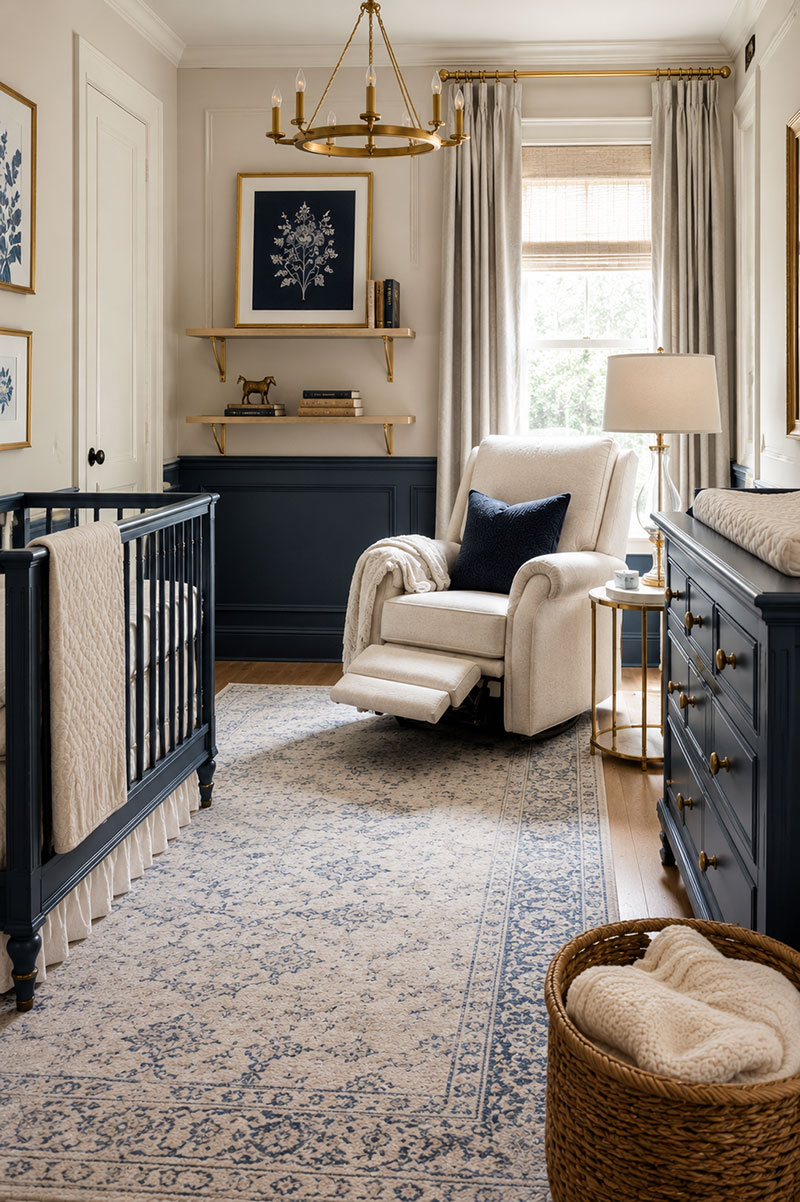
Small Nursery Layout Mistakes With Recliners
Small nurseries reveal layout mistakes immediately.
A compact chair can solve some of those spacing problems before they start, and my guide to the best nursery chair for small spaces compares seating choices that leave more room for daily nursery movement.
Many nurseries in the United States end up inside former guest rooms or office spaces where the available floor space starts disappearing quickly once the furniture arrives.
One mistake shows up constantly. The recliner fits according to measurements, but the footrest blocks either the closet door or dresser drawers once opened.
Another issue appears when the chair sits too close to the crib corner. That arrangement may look balanced in photos, although it becomes awkward during nighttime crib transfers.
Compact recliners usually work better in smaller rooms than oversized living room recliners designed for home theaters.
If the recliner footprint still feels too large, a traditional rocker may be easier to live with; my nursery rocking chair comparison explains the comfort, noise, and small-room issues that matter after the chair is used every night.
The finished nursery should still allow someone to move naturally through the room without squeezing around furniture.
Browse more baby gear and nursery planning guides
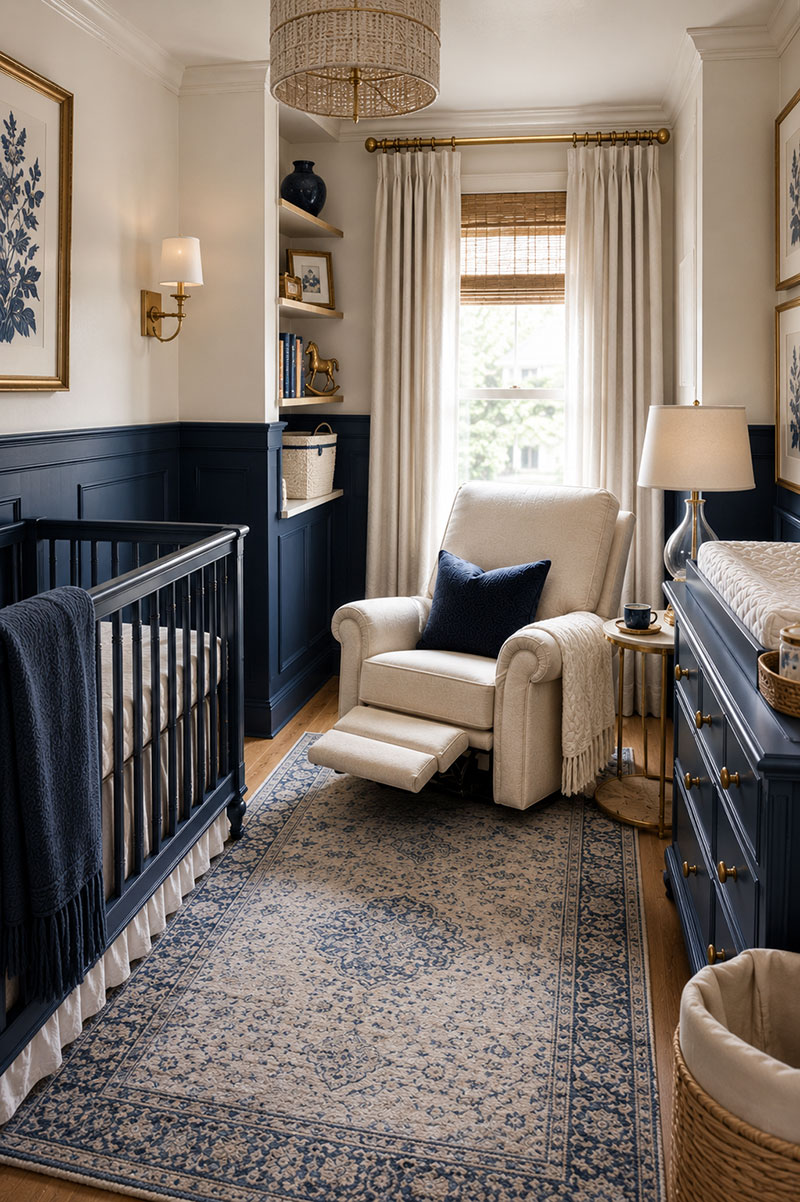
What to Measure Before Buying a Nursery Recliner
Before buying any nursery recliner, measure the entire working space instead of measuring only the empty wall.
- Measure the chair width
- Measure full reclined depth
- Measure walking room in front of the footrest
- Check dresser drawer clearance
- Check crib access from both sides
- Measure swivel space if the chair rotates
- Check nearby curtain and outlet locations
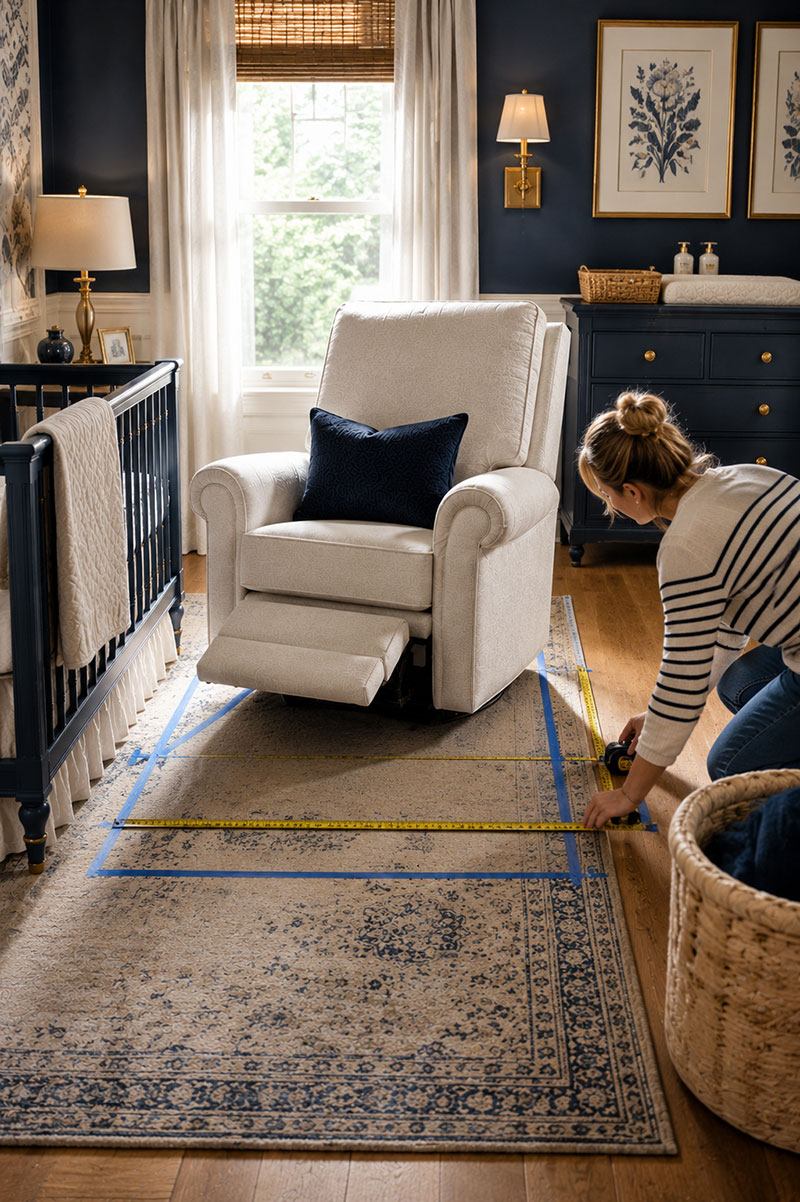
Painter’s tape helps more than people expect. Mark the recliner dimensions directly on the nursery floor before ordering the chair.
That quick step prevents a surprising number of returns.
For help choosing the best spot after you measure, see my where to put a recliner in a nursery guide before finalizing the chair corner.The U.S. Consumer Product Safety Commission also recommends maintaining safe nursery furniture placement and clear pathways around cribs and sleep spaces.
Review current U.S. safe sleep guidance from the CPSC
Nursery Recliner Space FAQ
How much room should be behind a nursery recliner?
Many nursery recliners need 12 to 18 inches of wall clearance behind the chair unless they are designed as wall-hugger recliners.
Can a recliner fit inside a small nursery?
Yes. Compact recliners and wall-hugger recliners usually fit better inside smaller nurseries than oversized reclining chairs.
How much walking space should be around a nursery recliner?
Most nursery layouts work better when there is enough open space for adults to walk naturally between the recliner, crib, dresser, and doorway.
Should a nursery recliner go beside the crib?
A recliner can sit beside the crib as long as there is still safe walking room and the chair does not block crib access or dresser drawers.
Do swivel recliners need more room?
Yes. Swivel recliners often need additional clearance beside nearby furniture because the chair rotates while in use.
When you click on links to various merchants on this site and make a purchase, this may result in this site earning a commission. This does not affect the price you pay.

UBGI Gold Standard 2026
Reviewed under the site's
editorial checklist.
Photos, decorating ideas, party setups and reader submissions are shared for inspiration unless a page is specifically presented as a pattern, tutorial, reference guide or step-by-step project. Follow the instructions, measurements, safety guidance and manufacturer directions provided for the particular project or product.
About Jan | Contact | Baby Nursery Ideas (Blog) | Site Map | Privacy Policy | Disclosure Policy | Disclaimer | Affiliate Disclosure | Earnings Disclosure | Facebook | Pinterest
I am a participant in the Amazon Services LLC Associates Program, an affiliate advertising program designed to provide a means for us to earn fees by linking to Amazon. As an Amazon Associate I earn from qualifying purchases.
Copyright © 2006-2026. All Rights Reserved.