Free Diaper Samples: Community and Healthcare Programs
Opportunities for free diaper samples are sometimes encountered through hospitals, healthcare providers, community programs, and parenting support services. These items are not consistently available or guaranteed, and availability can vary by location, program funding, and timing. Samples are typically distributed as part of broader maternal or infant support efforts rather than as stand-alone offers.
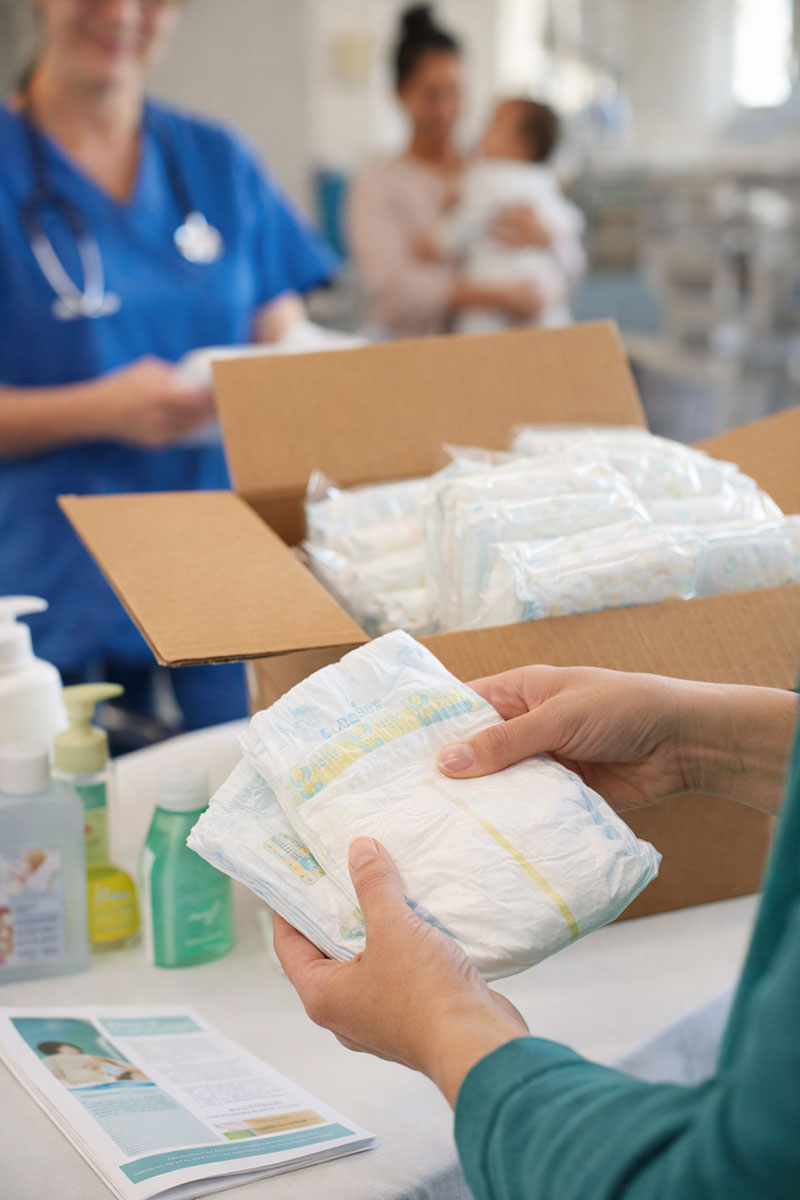
What families usually mean when they search for free diaper samples
When I see people searching for free diaper samples, it’s usually not about chasing promotions or signing up for endless mailing lists. It’s more practical than that. Most families are trying to figure out what brands or styles work for their baby without committing to a full box, or they’re navigating a tight moment and want to understand what support might exist locally.
In real life, diaper samples tend to show up quietly, attached to other forms of maternal or infant support. They’re not a retail product, and they’re rarely something you can request on demand. Understanding that context early helps set expectations and keeps this search grounded in reality.
What to do next
The most productive next step is to think about where you already have contact with healthcare or family support systems, rather than looking for a single source that promises samples outright.
That shift in thinking tends to save time and frustration.
Free diaper samples through hospitals and healthcare programs
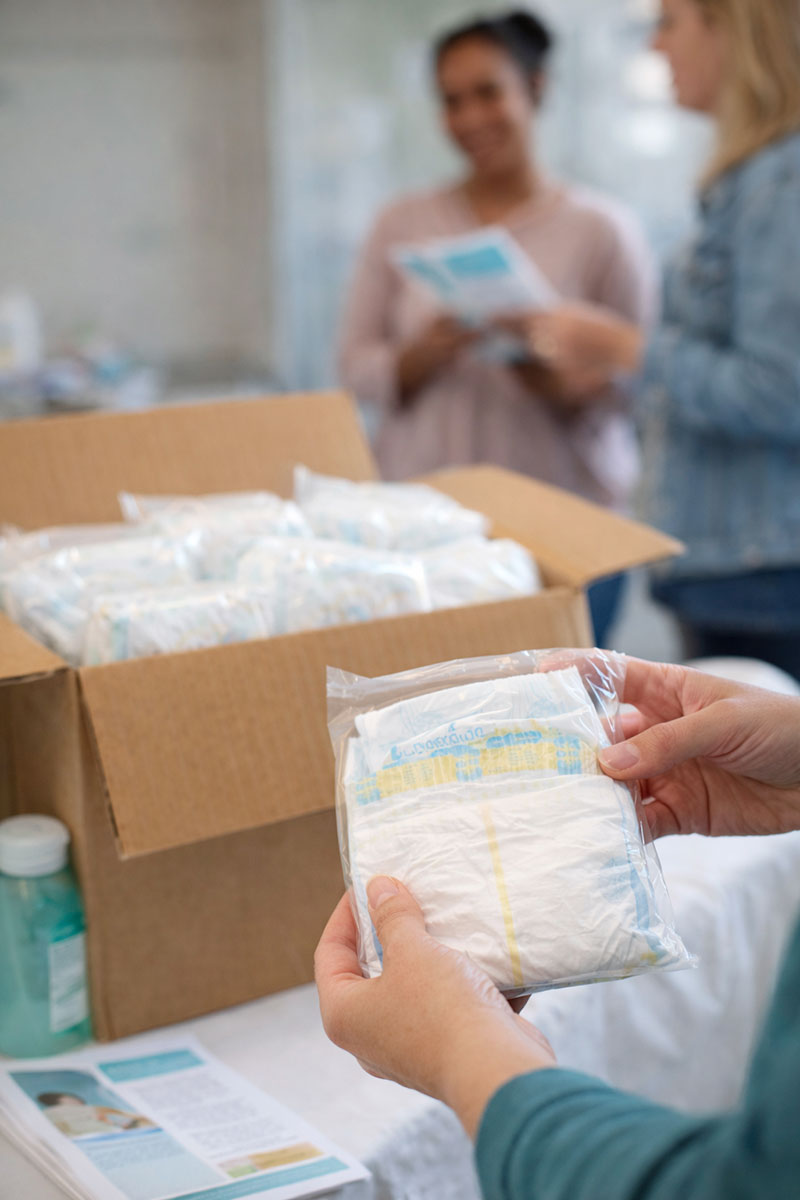
Hospitals and healthcare providers are one of the most common places families encounter diaper samples, especially around birth or during early pediatric visits. These samples are usually part of a larger effort to support new parents with basic information and short-term supplies.
In my experience, they’re often bundled with other materials — discharge paperwork, newborn care brochures, or small care kits — rather than presented as a standalone item. Some families receive a few diapers in a bag or packet, while others may not see samples at all. It varies widely by facility, partnerships, and available funding.
Quick reality check
Healthcare settings don’t usually advertise diaper samples ahead of time. They’re distributed quietly, when available, and often tied to specific visits or programs.
If you’re already connected to a provider, asking general questions about postpartum or infant support resources is more effective than asking directly about samples.
Community programs where diaper samples may appear
Beyond hospitals, community-based programs are another place diaper samples sometimes surface. These programs are often run by local health departments, family resource centers, or nonprofit organizations focused on early childhood and parenting support.
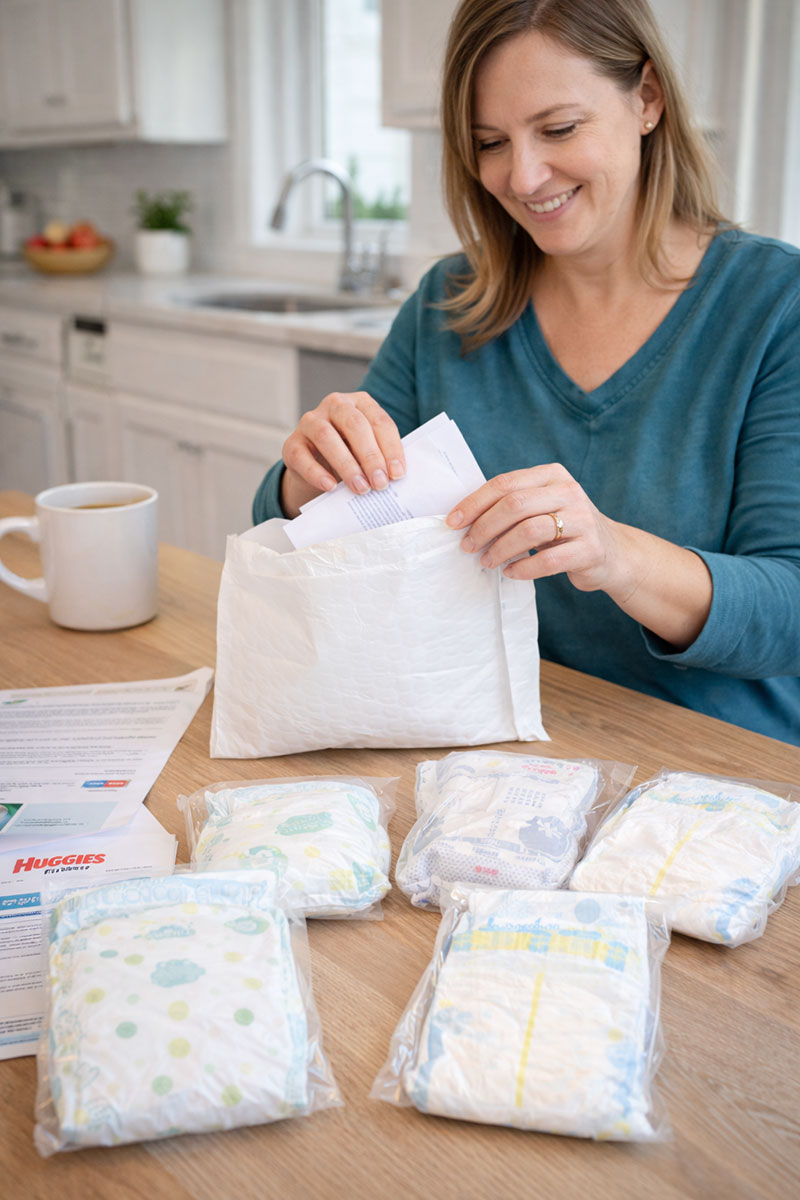
Samples may be distributed during parenting classes, wellness check-ins, home visiting programs, or community outreach events. Because these efforts rely on grants and donations, availability can change throughout the year and may look different from one neighborhood to the next.
Most parents notice this pattern
Community programs usually offer diaper samples as part of a broader conversation — nutrition, infant care, or family stability — rather than as a primary benefit.
Families who stay engaged with these programs tend to learn about resources gradually, rather than all at once.
What is typically included in diaper samples
Diaper samples are usually modest by design. Most consist of a small number of diapers in one size, sometimes paired with wipes or printed care information. The goal isn’t to provide long-term supply, but to help families get through a short window or try something new.
Brand variety, size availability, and quantity can all differ depending on who supplied the samples and why. Some are manufacturer-provided, while others come through healthcare or nonprofit partnerships.
If you only remember one thing
Samples are meant to support decision-making or bridge a short gap — not replace regular diaper purchasing or assistance programs.
How this fits into choosing diapers that work for your baby
Many parents use diaper samples as a low-pressure way to observe fit, absorbency, and comfort before buying a full package. This can be especially helpful during the newborn stage, when growth is rapid and preferences can change quickly.
If you’re comparing options, you may find it useful to read through broader baby gear information that explains how different baby products fit into daily routines, rather than focusing on diapers in isolation.
You can explore that context on my site here: general baby gear information .
How free diaper samples connect to other baby resources
Diaper samples often appear alongside other forms of short-term assistance, such as clothing resources or basic newborn supplies. These supports tend to cluster together because they serve the same purpose — helping families adjust during early transitions.
If you’re researching multiple types of assistance, it may help to also look at information on where families sometimes encounter free diaper bags and related community resources.
What to do next
Once you understand how these resources overlap, the next step is usually identifying which local programs you already qualify for or have access to, rather than searching for individual items one by one.
That approach often leads to more complete support over time.
Availability depends on location and timing
One of the most important things to keep in mind is that diaper sample availability isn’t consistent. Programs change, funding cycles shift, and partnerships evolve. What exists in one area may not exist in another, even within the same state.
This is why national organizations often describe diaper samples in general terms rather than listing exact sources.
For broader context on maternal and child health programs that support families through healthcare and community services, the Maternal and Child Health Bureau (HRSA) offers authoritative information.
Bringing it all together
Free diaper samples are best understood as a small piece of a larger support landscape. They tend to appear through healthcare and community connections, arrive without much notice, and serve a short-term purpose.
Approaching this topic with realistic expectations — and a focus on broader support systems — makes the process clearer and far less frustrating.
If you’re continuing your research, the most useful next step is often mapping out which programs or providers you already interact with and learning what types of support they typically offer over time.
When you click on links to various merchants on this site and make a purchase, this may result in this site earning a commission. This does not affect the price you pay.

UBGI Gold Standard 2026
Reviewed under the site's
editorial checklist.
Photos, decorating ideas, party setups and reader submissions are shared for inspiration unless a page is specifically presented as a pattern, tutorial, reference guide or step-by-step project. Follow the instructions, measurements, safety guidance and manufacturer directions provided for the particular project or product.
About Jan | Contact | Baby Nursery Ideas (Blog) | Site Map | Privacy Policy | Disclosure Policy | Disclaimer | Affiliate Disclosure | Earnings Disclosure | Facebook | Pinterest
I am a participant in the Amazon Services LLC Associates Program, an affiliate advertising program designed to provide a means for us to earn fees by linking to Amazon. As an Amazon Associate I earn from qualifying purchases.
Copyright © 2006-2026. All Rights Reserved.