Baby Carrier Reviews and Buying Information
Baby carrier reviews and buying information can help explain the different carrier styles, basic features, and what shoppers usually compare when choosing one.
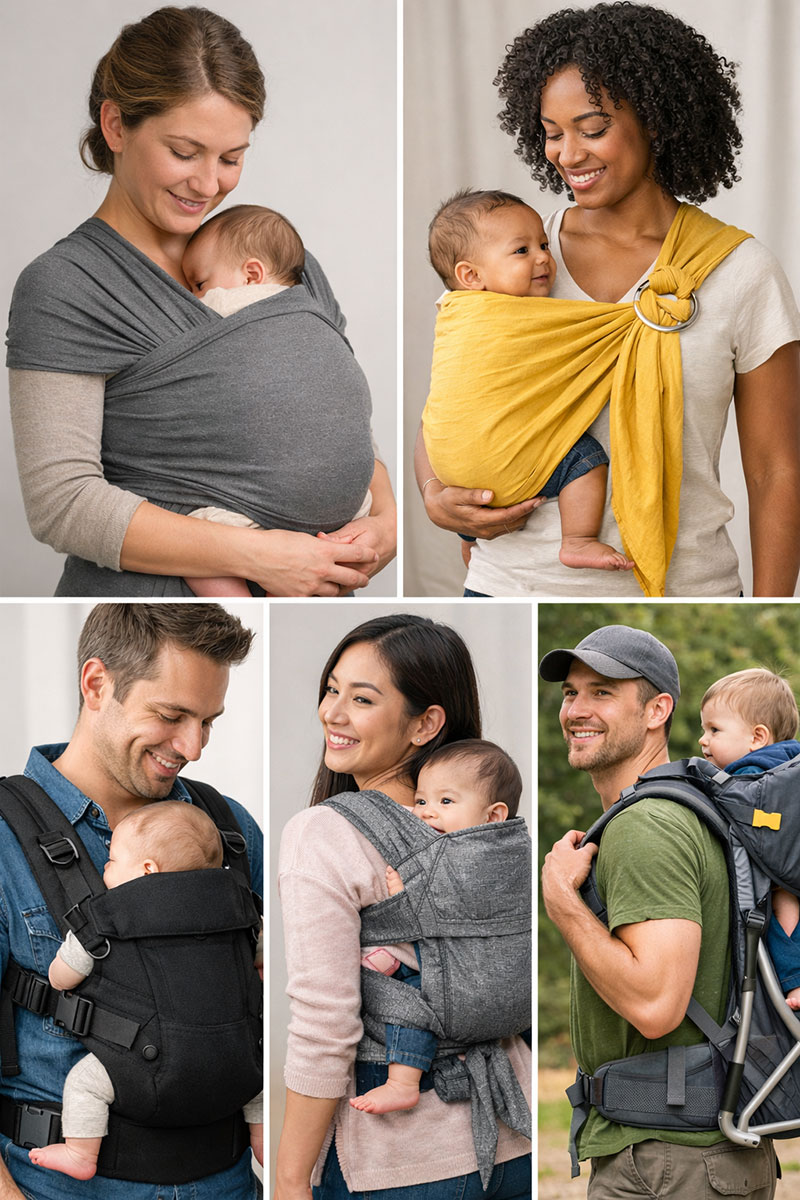
Baby carriers have been around for a very long time, across many cultures and regions. Over time, they have changed in materials, structure, and style, but the basic idea has stayed the same. A carrier allows a baby to be held close while an adult goes about everyday routines. Today’s carriers range from very simple fabric wraps to more structured designs with padding and buckles.
What a Baby Carrier Is Designed to Do
A baby carrier is a wearable baby product meant to hold an infant or young child close to an adult’s body. Some carriers are soft and flexible, while others are more structured and supportive. Each style is designed with a slightly different use case in mind, which is why so many options exist.
When people talk about baby carrier reviews, they are usually sharing how a carrier feels to wear, how easy it is to adjust, and how it fits different body shapes. Reviews often focus on comfort, fabric feel, weight distribution, and how the carrier holds up over time.
Common Baby Carrier Styles
There are several main categories of baby carriers. While brand names change often, these basic styles stay fairly consistent.
- Wrap carriers — Long pieces of fabric that wrap around the body in different ways.
- Ring slings — A single piece of fabric secured with rings for adjustment.
- Soft structured carriers — Carriers with padded straps and buckles.
- Mei tai or hybrid carriers — A mix of wrap-style ties and structured panels.
- Backpack-style carriers — Larger carriers often used for older babies or toddlers.
Each style has its own look and feel. Some people prefer minimal fabric and flexibility, while others like the added structure and support of padded designs. Baby carrier reviews often compare these styles side by side to explain the differences.
What People Commonly Compare in Reviews
Most baby carrier reviews focus on a similar set of features. These comparisons help explain why one carrier might feel better for one person and not another.
- Comfort — Padding, strap width, and weight distribution.
- Fit range — How adjustable the carrier is for different body sizes.
- Materials — Fabric thickness, breathability, and softness.
- Ease of adjustment — Buckles, ties, or ring systems.
- Durability — Stitching, fabric wear, and long-term use.
Because body shape, height, and personal preference vary so much, reviews often include personal notes about how a carrier feels rather than making broad claims. This is why reading multiple reviews can give a clearer picture of a product.
Baby Carrier Reviews vs. Brand Marketing
One reason baby carrier reviews are popular is that they offer a different perspective than brand descriptions. Manufacturers highlight design features, materials, and styling. Reviews tend to focus more on real-world impressions, such as comfort during daily use or how a carrier feels after extended wear.
Many reviewers also mention how a carrier compares to others they have tried. This kind of comparison can be useful when deciding between similar styles or brands, especially when carriers look alike in photos.
Supporting Image: Carrier Style Comparison

Why There Are So Many Baby Carrier Options
There is no single baby carrier that works the same way for everyone. People have different heights, builds, and comfort preferences. Some prefer soft fabric and flexibility, while others like padding and structure. Because of this, brands continue to release new designs and updates.
Baby carrier reviews help explain these differences without assuming that one option is best for all situations. Instead, they show how carriers vary and what people tend to notice when using them.
Buying Information and Availability
When looking at baby carrier buying information, availability often changes over time. Some models are discontinued, while others are updated with new materials or features. Prices can also vary depending on brand, fabric type, and accessories.
For official consumer safety notices and recall announcements for baby products, I check the U.S. Consumer Product Safety Commission recall database: CPSC Recalls.
Many shoppers compare several carriers before deciding. Reading reviews alongside basic product information can help narrow down which styles or features matter most.
Related Baby Gear Information
Baby carriers are often considered alongside other baby gear, such as strollers, swings, and nursery items. Some families prefer carriers for short trips, while others use them as part of a broader baby gear setup.
You are welcome to explore related baby gear topics here:
Final Thoughts on Baby Carrier Reviews
Baby carrier reviews are most helpful when they are read as shared experiences rather than instructions or recommendations. They describe how different carriers feel, how they compare to similar products, and what features stand out to different users.
By focusing on styles, materials, and general impressions, reviews can make it easier to understand why so many baby carrier options exist and how they differ from one another.


When you click on links to various merchants on this site and make a purchase, this can result in this site earning a commission. Affiliate programs and affiliations include, but are not limited to, Amazon and the eBay Partner Network such as the ones to your left on this page. Please see our Affiliate Disclosure page for more information.
More UBGI: RSS Feed | Facebook
About Jan | Contact | Baby Room Ideas (Blog) | Site Map | Privacy Policy | Disclaimer | Affiliate Disclosure | Earnings Disclosure
I am a participant in the Amazon Services LLC Associates Program, an affiliate advertising program designed to provide a means for us to earn fees by linking to Amazon.
Copyright © 2006-2026. All Rights Reserved.