Antique Baby Beds and Cribs
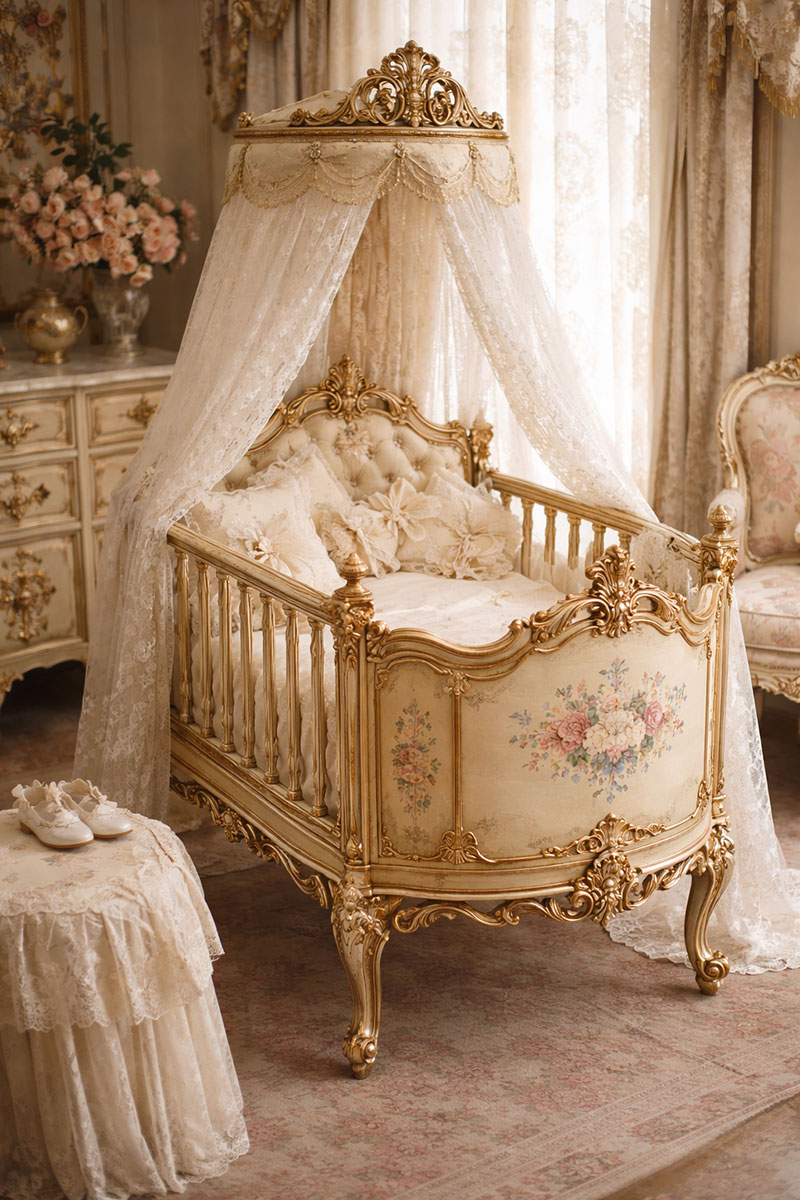
Antique baby beds and cribs are often family heirlooms that have been kept for many years. These pieces are sometimes connected to earlier generations and are commonly associated with vintage nursery themes. Wood and iron versions appear most often, with designs that reflect the time period in which they were produced. Many families keep these items because of their craftsmanship, materials, or history within the family.
The Pregnancy Questions hub page includes background material related to older nursery items and related topics
Antique cribs are frequently passed down through generations. A large number of surviving examples trace back to European origins, including French and German furniture traditions. These pieces are often associated with detailed woodworking, carved panels, or decorative metal elements. The materials and construction methods reflect the standards and tools available at the time they were made.
Vintage Baby Nursery Ideas
The visual appeal of antique nursery furniture is often tied to carved details, ornate finishes, and visible signs of age. These features contribute to the overall look of a vintage nursery setting. In many homes, antique baby beds appear as decorative centerpieces rather than everyday furniture. Their presence can shape the style and theme of the room even when they are not used for daily nursery functions.
Go here to see parts and bedding that are available for antique cribs.
Older baby beds and cradles vary widely in form and structure. Some were built with fixed sides, while others included decorative cutouts, spindles, or metal scrollwork. The spacing, height, and overall dimensions were based on design traditions rather than modern measurement systems. As a result, antique baby beds often differ from contemporary nursery furniture in appearance and construction.
Wooden cradles from earlier periods are sometimes found in solid condition due to thick lumber and simple joinery. These items were often built as single-purpose pieces with limited moving parts. In contrast, antique baby beds made of iron or mixed materials can be heavier and more complex in structure. The weight and rigidity of these pieces reflect the materials used during their manufacture.
Antique Baby Beds
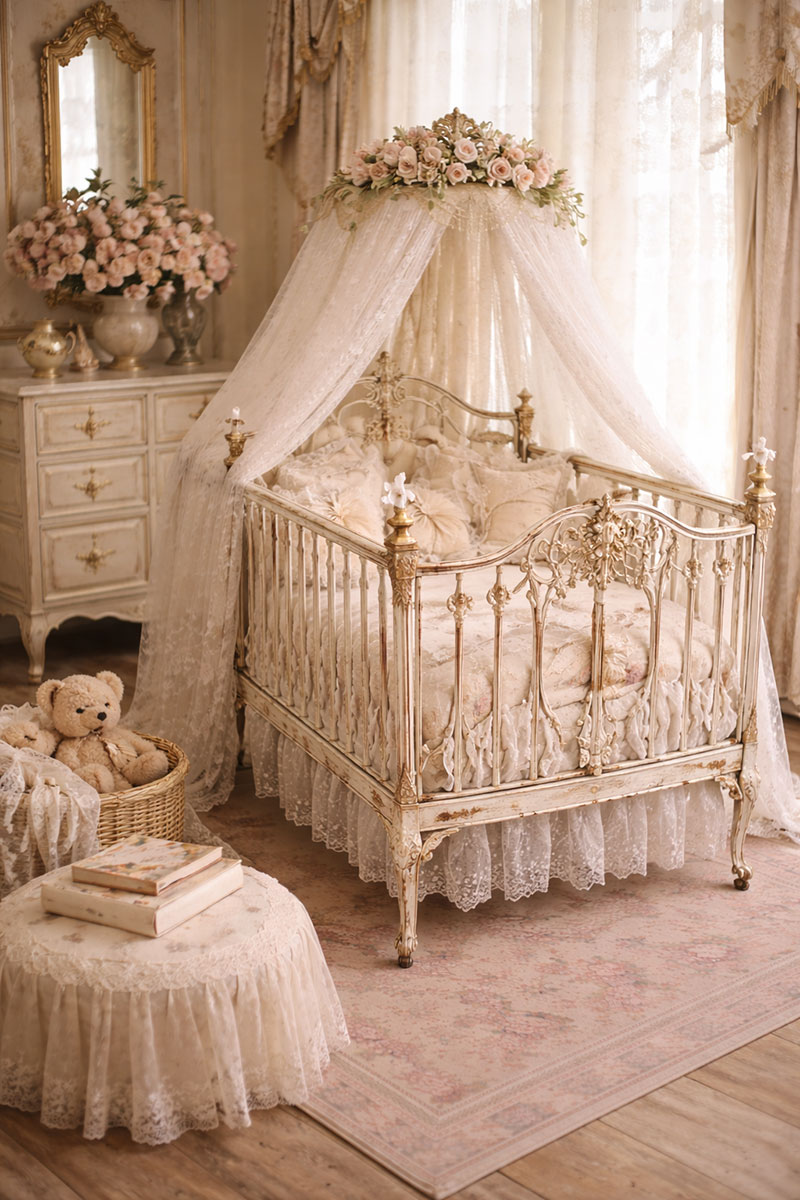
Many antique baby beds are constructed from cast iron or wrought iron. These materials contribute to the overall weight of the furniture. Movement and repositioning of iron baby beds typically require multiple people due to their mass. Decorative features such as finials, curved rails, and embossed panels are common in these designs.
Another characteristic of antique baby beds and cribs involves the hardware used during their original assembly. Screws, bolts, brackets, and fasteners from earlier eras often differ in size and threading from modern hardware. Locating identical components for antique nursery furniture can be difficult due to changes in manufacturing practices over time.
If an older crib turns out to be a later-era wooden model rather than a true antique, the Childcraft crib parts and replacement hardware guide provides identification information related to that brand’s models and components. This material focuses on distinguishing features and manufacturer-specific construction details.
Some families choose to share photographs or descriptions of antique or vintage cribs in community discussion spaces. These exchanges often center on identifying model names, production periods, or original finishes. Collectors and long-time owners sometimes recognize details that are not documented elsewhere.
For Baby’s Dream furniture produced in earlier decades, a separate overview is available that outlines known models and hardware formats. This information appears on the Baby’s Dream Crib Parts page and focuses on identification rather than use.
Antique crib frames sometimes rely on components that are no longer produced. In some cases, identical furniture from the same era is used as a reference point for comparison. These situations are common with furniture that predates standardized production methods.
Cradles from earlier periods are generally smaller than full baby beds and were designed for limited use during early infancy. Their size, shape, and structure reflect this purpose. Bedding formats for cradles also differ from those used in larger nursery furniture.
One notable difference between antique and modern nursery furniture is the level of ornamentation. Intricate brass fittings, carved wood panels, and decorative ironwork appear more frequently on older pieces. These elements were often produced by hand or with minimal mechanization, contributing to their distinctive appearance.
Antique baby beds may also show wear consistent with age, including surface patina, minor warping, or visible repairs made over time. These characteristics are commonly associated with long-term storage, repeated moves, or changes in environmental conditions. Such features often contribute to the visual character of the piece.
Nursery furniture made in earlier centuries reflects the regulatory information that existed at the time of production. Measurements, spacing, and materials were determined by period standards rather than current manufacturing rules. This historical context explains many of the differences seen when antique baby beds are compared with modern cribs.
Regulatory information related to nursery furniture is published by the U.S. Consumer Product Safety Commission .
Some families prefer to keep antique nursery furniture strictly for decorative display. Replica furniture inspired by antique designs is also widely available. These reproductions often feature distressed finishes or traditional shapes while using modern production techniques.
Antique-style nursery furniture is sometimes incorporated into room design through alternative uses, such as display pieces or themed décor. This approach allows the visual qualities of antique baby beds and cradles to remain part of the nursery environment without relying on original construction features.
Additional nursery theme ideas and decorating concepts are listed throughout the site. These pages cover a range of styles and periods, including vintage-inspired rooms and traditional nursery layouts. Related articles focus on visual themes, furniture styles, and design history presented for reference.


When you click on links to various merchants on this site and make a purchase, this can result in this site earning a commission. Affiliate programs and affiliations include, but are not limited to, Amazon and the eBay Partner Network such as the ones to your left on this page. Please see our Affiliate Disclosure page for more information.
More UBGI: Rss Feed | Facebook | Twitter
I am a participant in the Amazon Services LLC Associates Program, an affiliate advertising program designed to provide a means for us to earn fees by linking to Amazon.com
This site is not affiliated with Delta Children or any crib manufacturer and does not provide assembly instructions, approve repairs, or confirm part compatibility; manufacturer materials remain the authoritative source for product determination.
Copyright © 2006-2026. All Rights Reserved.