Where to Find Free Clothes for Baby
Families may need free clothes for their baby while navigating financial challenges during early parenthood. This page provides informational, non-contest options that may help parents find free baby clothes through community programs, nonprofit organizations, local assistance centers, and other legitimate support resources—without requiring purchases, promotions, or giveaways.
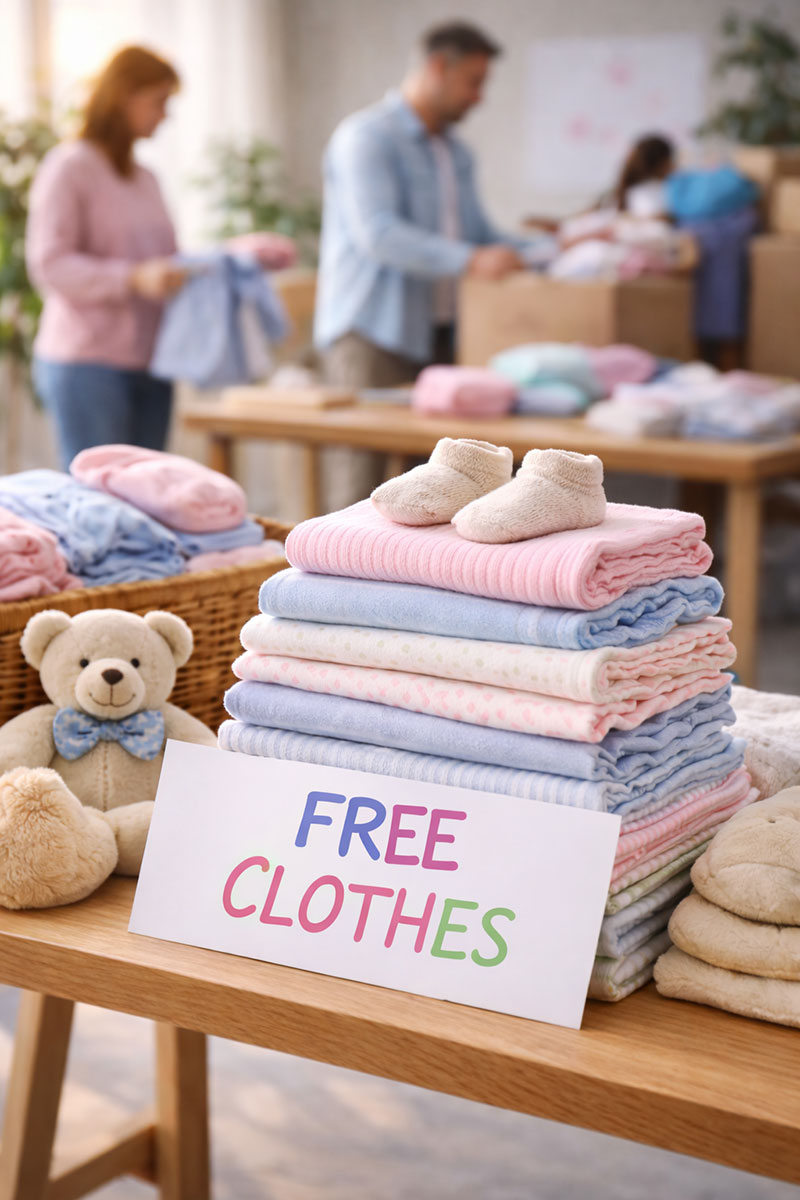
Where Families Can Find Free Clothes Through Community Support
Free clothes for babies are often available through community-based programs designed to support families during times of financial strain, transition, or unexpected need. These options focus on direct assistance rather than promotions, contests, or purchases, and are typically offered through nonprofit organizations, local agencies, and community networks.
The resources listed below are informational in nature and may vary by location, availability, and eligibility. Families are encouraged to contact organizations directly to learn what support is currently offered in their area.
Local Assistance Programs That Offer Free Clothes
Families looking for local support can also review USA.gov family assistance resources to locate public programs and community services that may help with essential needs, including clothing and infant supplies.
Many communities have established support systems that distribute free clothes to families with infants and young children. These programs often operate quietly and rely on donations, volunteers, and partnerships with local agencies.
- Women, Infants, and Children (WIC) referral programs
- County or city family resource centers
- Faith-based outreach programs and church clothing closets
- Community action agencies and family services offices
Some programs provide clothing directly on-site, while others issue referrals to partner organizations that maintain infant clothing supplies.
Nonprofit Organizations and Baby Supply Closets
Nonprofit organizations focused on maternal and infant well-being often maintain baby supply closets that include free clothes. These closets may stock newborn and infant sizes, seasonal items, and basic essentials.
Availability may depend on donation volume and demand, but many organizations aim to distribute items with minimal barriers whenever possible.
- Local pregnancy support centers
- Family shelters and transitional housing programs
- Nonprofit baby banks and infant supply programs
Hospital and Healthcare-Based Resources
Hospitals, clinics, and pediatric offices sometimes partner with community organizations to provide families with access to free clothes and baby supplies. Social workers or care coordinators may be able to connect parents with appropriate resources during prenatal visits or after delivery.
These services are often offered discreetly and may be available even if families are not enrolled in long-term assistance programs.
Community Exchange and Mutual Aid Options
In addition to formal programs, many families find free clothes through community exchange networks. These options are typically peer-to-peer and rely on shared local support rather than institutional aid.
- Neighborhood mutual aid groups
- Local parenting or community groups
- Community swap events or free-cycle programs
These exchanges often allow families to receive gently used baby clothes at no cost while fostering local connection and reuse.
Important Notes About Access and Availability
Programs that offer free clothes may have eligibility guidelines, limited hours, or seasonal availability. Supplies can change quickly based on donations and community demand.
If one resource is unavailable, families are encouraged to ask for referrals, as organizations frequently collaborate and can direct parents to other nearby support options.
Additional Family Support Resources
Families seeking broader baby-related assistance may also find helpful information in other sections of this site, including guides related to baby gear, infant essentials, and early parent support.
How Community-Based Clothing Support Typically Works
Free clothes for babies are often distributed through community-based programs that focus on meeting immediate needs rather than ongoing retail access. These programs may operate seasonally, during outreach events, or through appointment-based systems designed to ensure fair distribution among families.
In many cases, parents do not need to meet strict eligibility requirements to receive help. Some organizations operate on an honor system, while others may ask for basic information to understand local demand. The goal is usually to provide practical support without creating barriers for families who may already be under stress.
Clothing support programs may offer newborn sizes, infant basics, or gently used items that are still in good condition. Availability can vary by location and timing, which is why many families benefit from checking multiple local resources rather than relying on a single option.
Common Places Families Look for Free Clothes
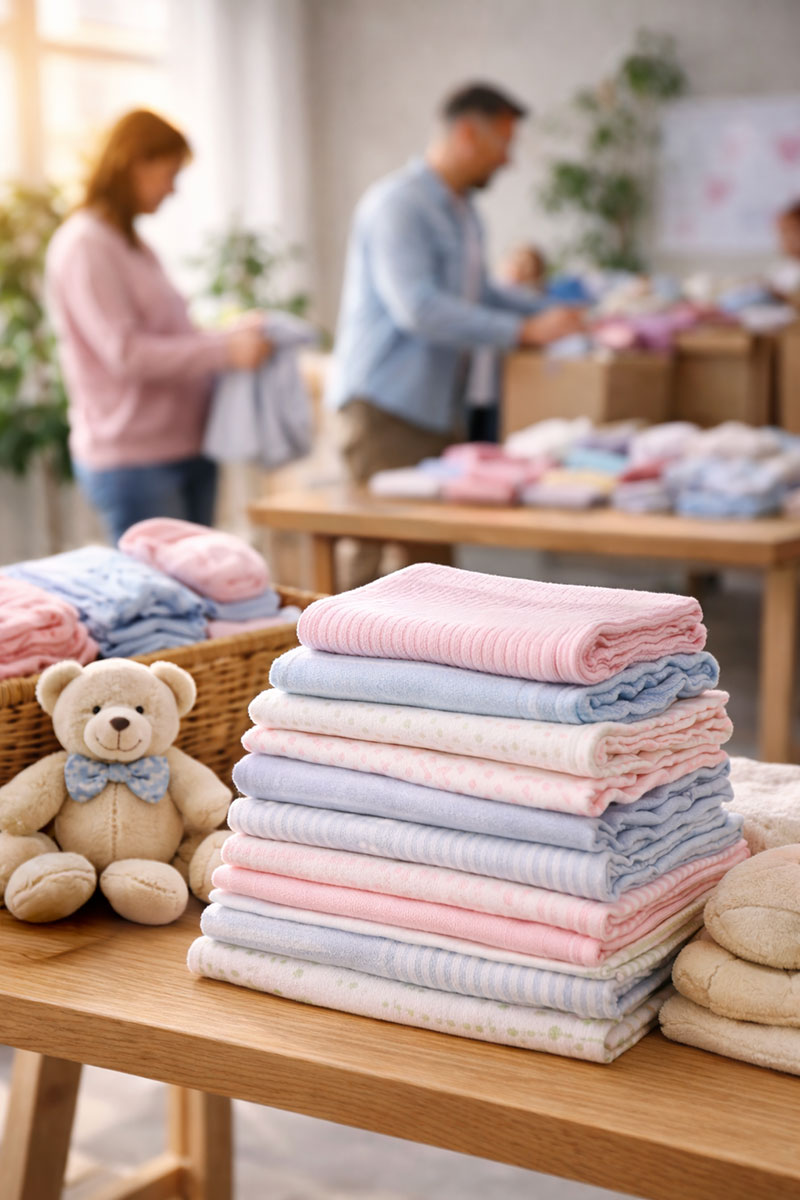
Families seeking free clothes often start with organizations that already provide other forms of assistance. Community centers, family resource offices, and nonprofit groups frequently maintain clothing closets or referral lists that include baby items.
Some local libraries, parenting groups, or early childhood centers also share information about clothing exchanges or donation-based events. These opportunities may not be advertised widely online, making word-of-mouth and local bulletin boards valuable sources of information.
Parents may also hear about clothing support through healthcare providers, social workers, or prenatal programs that assist families during pregnancy and early infancy. These professionals often know which resources are currently active in the area.
What to Expect When Receiving Free Baby Clothes
Free clothing programs usually prioritize practicality. Items provided may include everyday essentials such as onesies, sleepers, socks, hats, or outer layers appropriate for the season. Brands and styles often vary, as donations come from many sources.
Most programs focus on cleanliness and usability rather than matching sets or trends. While families may not receive specific styles or sizes on demand, the clothing is typically practical, season-appropriate, and intended to meet everyday needs. Items are often gently used and provided in a condition suitable for regular wear.
This page is intended to share informational pathways for accessing free clothes through legitimate community support channels. It does not represent contests, giveaways, or promotional offers, and no purchases are required to explore these options.


About Jan | Contact | Baby Nursery Ideas (Blog) | Site Map | Privacy Policy | Disclosure Policy | Disclaimer | Affiliate Disclosure | Earnings Disclosure | Facebook | Pinterest
I am a participant in the Amazon Services LLC Associates Program, an affiliate advertising program designed to provide a means for us to earn fees by linking to Amazon. As an Amazon Associate I earn from qualifying purchases.
Copyright © 2006-2026. All Rights Reserved.