Free Maternity Clothes: Community and Support Programs
Free maternity clothes are sometimes available through community programs, nonprofit organizations, healthcare providers, and local support services, rather than through retail offers or guaranteed distributions. Availability can vary by location, funding, and timing, and clothing is typically shared as part of broader pregnancy or family support efforts rather than as a stand-alone resource.
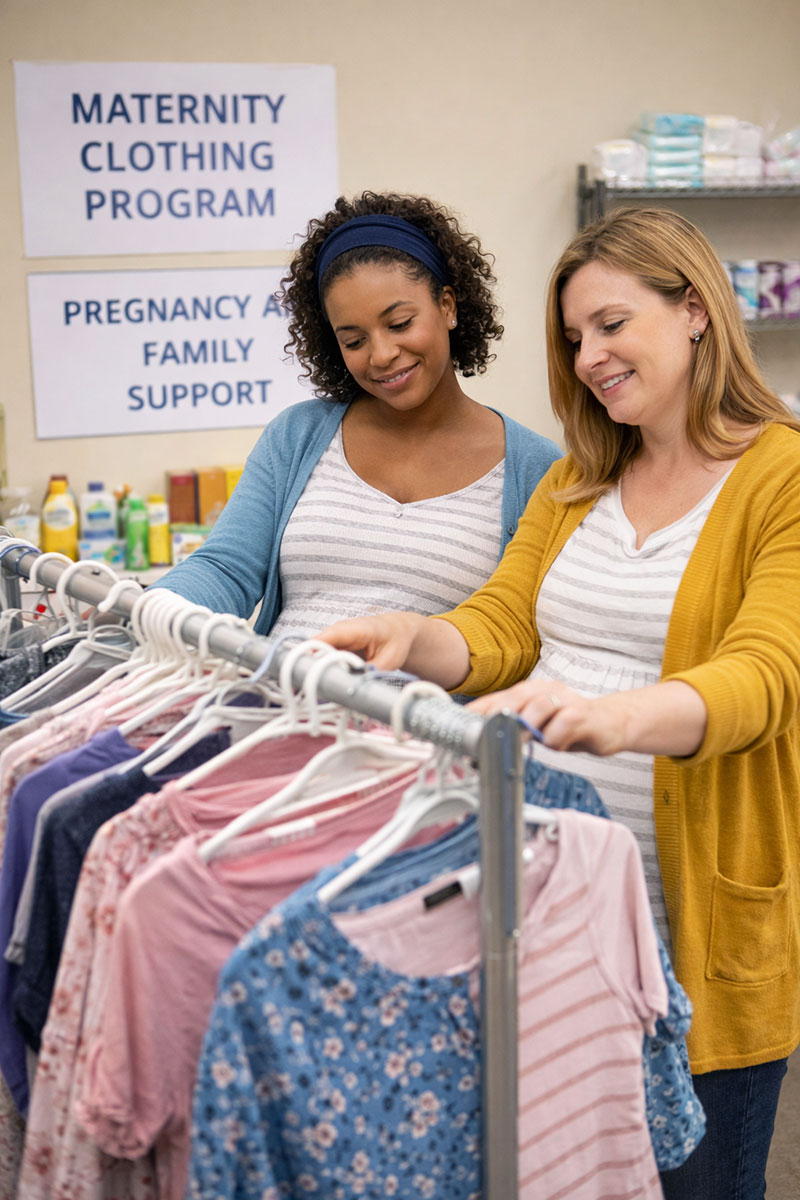
What you’re really looking for when you search for Free Maternity Clothes
When someone searches for free maternity clothes, the intent is usually pretty specific: “I need something that fits now, I don’t want to spend a fortune, and I’d love to find options that don’t feel like a scavenger hunt.” I get it. Maternity sizing changes quickly, and it can feel wasteful to pay full price for items you’ll wear for a short season.
What helps most is separating two things: (1) places that sometimes offer maternity clothing through community support, and (2) strategies that stretch a small budget so you still feel like yourself. What to do next: start with the “quick check” section below, then decide whether you’re looking for a short-term gap-filler (one or two basics) or a small mix-and-match set that can carry you through the next several weeks.
Quick fit check
Before hunting for anything, I like to decide what the “minimum workable closet” looks like: two bottoms, three tops, one layering piece, and one outfit that feels presentable on a tired day. That simple list keeps the search focused.
Then I check the calendar. A cold-month bump needs different basics than a summer bump, and the timing matters more than the brand name.
Where free maternity clothes most often show up
Free maternity clothing is rarely a single, always-available program. It’s more often a quiet add-on inside bigger support systems—community closets, family resource centers, nonprofit outreach days, and local pregnancy support programs that keep a clothing rack or small “shop” on-site.
These places typically run on donations and limited space, so selection can feel unpredictable. One week there are great basics, and another week it’s mostly small sizes. That’s normal, and it’s also why it helps to know a few different sources instead of depending on just one.
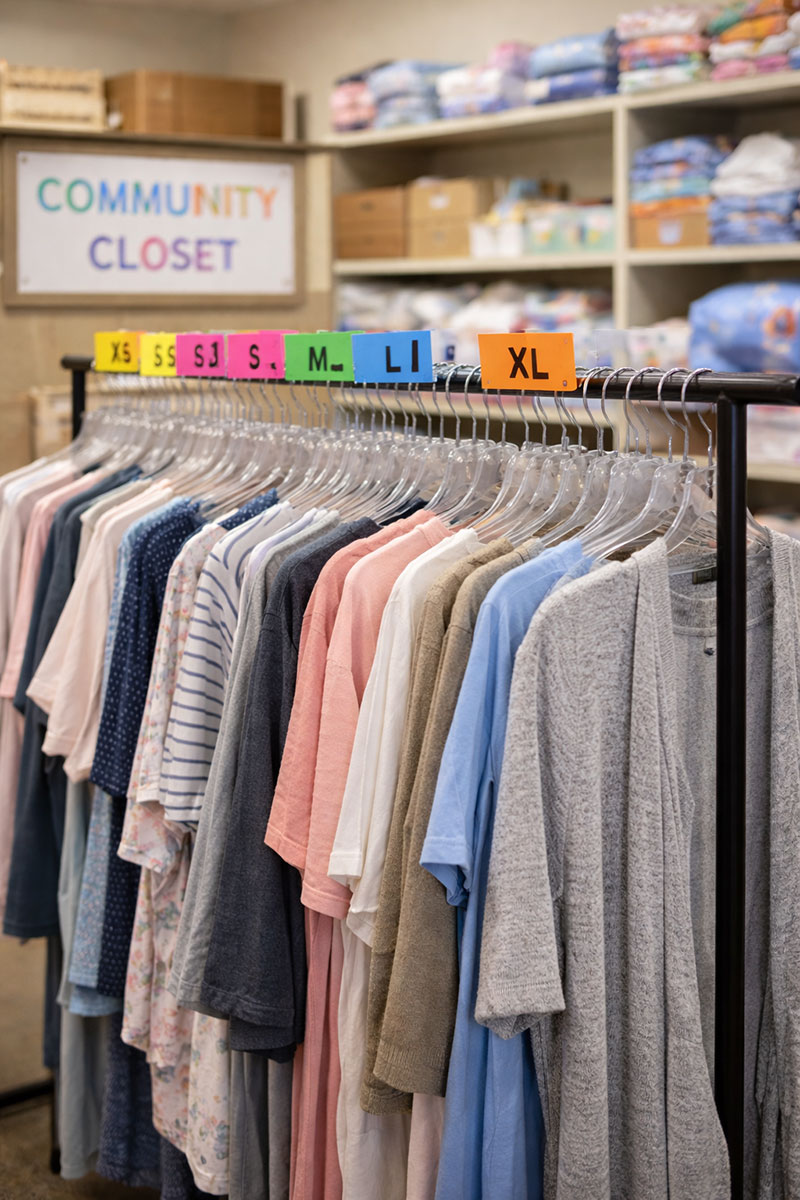
Free maternity clothes through community programs and closets
Community closets are one of the most common ways maternity clothing gets shared. They may be hosted by local nonprofits, pregnancy support organizations, or family support centers that already distribute basics like diapers, wipes, or baby clothing. The maternity section might be small—sometimes just a rack—but it can still cover the items that matter most: stretchy leggings, jeans with a panel, loose tops, nursing-friendly tanks, and a couple of layering pieces.
What tends to work best is treating this like a “try-and-build” process. You grab what fits today, you leave what doesn’t, and you circle back later as sizing shifts. It’s not glamorous, but it’s practical, and it often relieves the pressure to buy everything at once.
Most parents choose this approach
Most parents I talk to don’t try to build a full maternity wardrobe through donations. They aim for a handful of basics that rotate easily, then supplement with one or two things they truly want to wear.
That’s the sweet spot: enough options to feel comfortable without turning pregnancy into an expensive clothing project.
How to tell whether you “bought right” when you do spend money
Even when you’re looking for free maternity clothes, most people still end up buying something—usually one item that solves a daily annoyance. The question becomes: did the money go toward the right thing?
My rule is simple: spend on the item that touches your body the most and affects your comfort the most. For many people, that’s a good pair of leggings, a supportive bra, or a stretchy base layer. Everything else can be flexible, borrowed, thrifted, or swapped.
If you want a bigger picture view of maternity basics and how they fit into your overall wardrobe, your main hub is here: my maternity clothes guide (styles, timing, and what’s worth it).
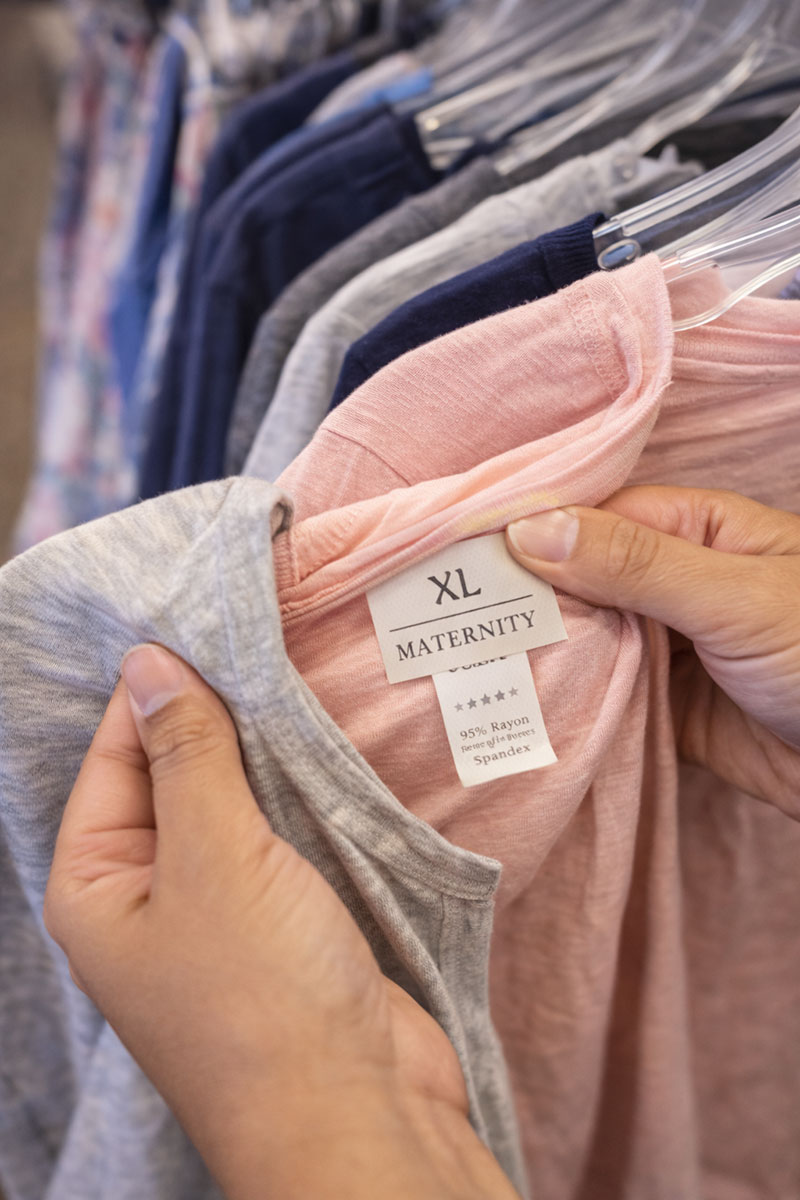
Smart ways to stretch free finds into a real wardrobe
Free and donated maternity clothes can feel random until you build around a simple color plan. I like neutrals plus one accent color, because it makes mismatched donations feel intentional. A black legging, a soft cardigan, and two tops in the same general color family can look like a “set,” even if they came from three different places.
Another trick is to prioritize layers. A cardigan, a relaxed button-up, or a long open sweater turns a basic top into something you can wear repeatedly without it feeling repetitive.
If you only remember one thing
Build around comfort-first basics, then let the “nice” items be optional. When the basics fit well, everything looks better—donated or not.
Season-specific notes that change what you need
The same pregnancy can require totally different clothing depending on weather. In winter, warmth and layering dominate. In warmer months, breathability and easy changes matter more.
For cold weather, these two pages help narrow down what actually gets worn: winter maternity outfit ideas that don’t feel bulky and fall maternity outfits that layer well.
And for the “I need one outfit that photographs well and doesn’t itch” moment, I keep this page simple and practical: long maternity dresses for photo shoots (what looks good and feels comfortable).
Free clothing help that overlaps with maternity needs
Sometimes the best path to maternity clothing isn’t a maternity-specific resource at all—it’s a general clothing support option that happens to have maternity items mixed in. That’s especially true when a community closet serves the whole household.
If you’re already exploring broader “free clothing” resources, this page connects well with the maternity topic: where families may find free clothes through community support.
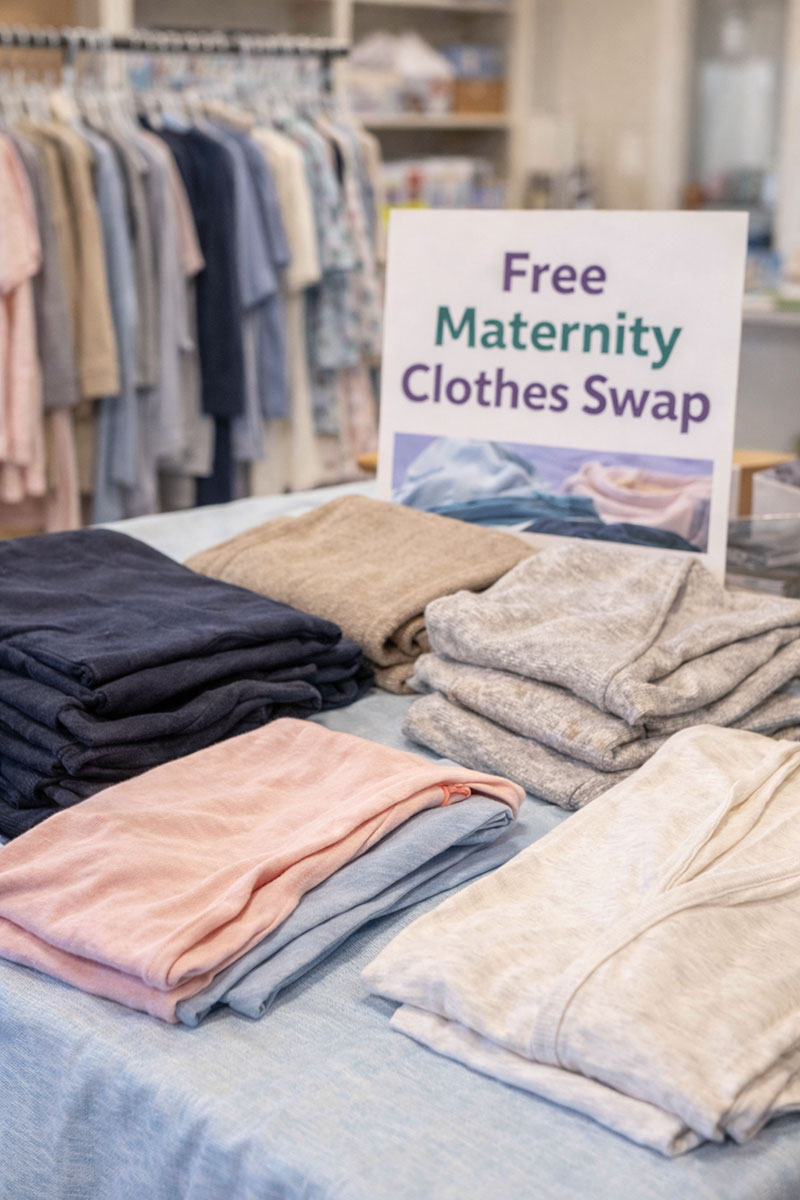
Finding local options without calling ten places
When you’re trying to locate local programs, it helps to use a directory that already knows what’s in your area, instead of guessing which organizations might have clothing support. One reliable starting point is the 211 resource network, which can point you to nearby family resource centers, clothing closets, and community support services.
Here’s the main directory: United Way 211 local resource directory.
What to do next
Once you identify one or two local sources, the next step is simple: ask what days they distribute clothing, whether appointments are required, and whether they sort by size. That one small detail can save a wasted trip.
From there, I’d build the “minimum workable closet,” then fill in gaps with a single purchase only where it truly improves daily comfort.
Wrapping it up in a way that actually feels doable
Free maternity clothes exist, but they’re usually part of a bigger support picture—donations, community closets, and family programs that rotate inventory based on what comes in. When you approach it as “find a few essentials, then layer smart,” it stops feeling like a random hunt and starts feeling manageable.
And when you do spend money, focusing on comfort-first basics tends to be the difference between “I bought the wrong thing” and “I’m glad I got this.”


When you click on links to various merchants on this site and make a purchase, this can result in this site earning a commission. Affiliate programs and affiliations include, but are not limited to, Amazon and the eBay Partner Network such as the ones to your left on this page. Please see our Affiliate Disclosure page for more information.
More UBGI: Rss Feed | Facebook | Twitter
About Jan | Contact | Baby Room Ideas (Blog) | Site Map | Privacy Policy | Disclaimer | Affiliate Disclosure | Earnings Disclosure
I am a participant in the Amazon Services LLC Associates Program, an affiliate advertising program designed to provide a means for us to earn fees by linking to Amazon.
This site is not affiliated with Delta Children or any crib manufacturer and does not provide assembly instructions, approve repairs, or confirm part compatibility; manufacturer materials remain the authoritative source for product determination.
Copyright © 2006-2026. All Rights Reserved.